
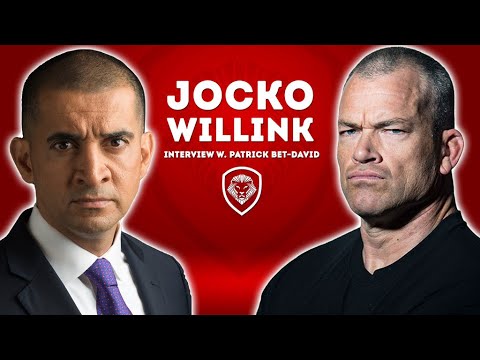
when it comes down to building leaders
are you more from the thought of I find
leaders and I direct them are you more
coming from the place up I build leaders
for both both that’s one of those
questions that gets brought up all time
is it nature or nurture that turns
someone into a leader and our leaders
born or our leaders made and the answers
both when you see people in these hard
situations
that’s when human nature gets revealed
and the more you can understand human
nature the better leader you’re gonna be
so if you know one thing about me I like
reading books and every month in our
company we choose a book to read in
December of 2017 I chose the book
extreme ownership by jakka willing and
so I read an obviously prior to that and
I told every leader in the company to
read we run we bought a thousand copies
and everybody was going through it and
debriefing with each other would you
take from here what was this what was
that what do you think about the part he
talks about standards and then after
that I said I just got to meet this guy
one because when you look at his face he
looks like he’s ready to kill somebody
at any moment and enemy he’s just got
one of those looks of what you would
call a badass that’s a look that he’s
got to 20-years Navy SEAL gets in at 18
years old serves 20 years part of the
task unit bruiser battle of Ramadi SEAL
team 3 during 2006 I believe it was
April to November some timeline like
that going against Iraq which for me
obviously is a big deal because living
in Iran for 10 years we got bombed 167
times one day in from Iraq and for me I
experienced all of those emotions that
stayed so when I saw the statue of
Saddam Hussein coming down there was a
relief you know when I saw that taking
place oh brother thank you for your
service and I’m coming on to by a team
chuckle when did you know you wanted to
be a Navy SEAL well specifically the
SEAL team part of it wasn’t until I
figured that out but when I was a little
tiny kid you know five six the only
thing I could remember was one to be
some kind of commando you knew that from
that point from from birth basically
that was it because pops or an uncle or
grandpa was in a military or grandfather
was in the army
and he was retired from the army but
that wasn’t really it I just
instinctively was putting camouflage on
my face and carrying on sticks and
carving him to look like machine guns
when I was a little kid for no reason so
that’s just kind of now are you from a
big family do you have siblings two
sisters two sisters an older one younger
did they also go into military or not at
all so just you just me so from five
years old you knew so when you won in
high school everybody’s asking you what
are you gonna do after high school you
knew you’re going in the military
yep no ifs and buts nothing about it not
really was there a movie that you watch
that was like this is my favorite movie
hundreds of hundreds of them what’s your
favorite my favorite movie now I would
say it’s not really a movie but the
Pacific which is a miniseries that was
on HBO about the Marine Corps campaign
and the army campaign in the Navy
campaign in the Pacific it’s a great
great series now when you went into the
Navy SEAL was it you and a couple
buddies or just you by yourself
just me just by yourself how was the
entire experience when you went in it
was awesome yeah what I wanted to do and
it’s a lot of fun was it tougher was it
what you expected was it easier for you
it was what I expected it’s hard it’s
fun there’s no doubt it’s a challenge it
finds you weak this is the initial
training that you go through the
screening process if I thought what your
weaknesses are and a lot of really kind
of squared away people don’t make it and
so really school to what people don’t
make oh yeah what do you mean by this
quarter would people don’t make I mean
you know two examples I bring up all the
time is I had a guy that was an NCAA
water polo player captain of a team and
I had another guy that was a Olympic
alternate gymnast and they’re both in my
training class and both of them quit so
those guys were infinitely better
athletes and I was but apparently they
didn’t want to be there as bad as I did
did you say sense at rent from people
that actually went in and made it
through it was there a certain trend you
saw amongst those guys I made it
if I could solve that riddle of who’s
gonna make it I’d be a I’d be in a
totally different world because they
tried to solve that riddle they try and
figure I was gonna make it and you just
don’t know because you know I talked
about these really good athletes and
really smart dyes that quit but there’s
also guys that were not good athletes at
all worse athletes than me and they’d
make it through and it’s really hard to
predict who were you in high school but
were you big at them obviously you look
at you you’re six to the $1 234 average
I was like an average athlete maybe
maybe slightly below average athlete I
wasn’t that into school I didn’t get
great grades I was kind of a rebel you
know I was a pretty rebellious kid I
liked I liked hardcore music and heavy
metal music and that’s what I was into
so when you went in you you you went
into as a Navy SEAL what was the first
time where you were deployed you had
your first project coming out what was
the first time you had something to go
out on the first time I ever fired my
weapon at the enemy was 13 years later
in 2003 so there’s 13 years of you know
just training hard wow I did deployments
we did seizures of vessels in the
Persian Gulf so that was you know it’s a
real mission and I guess something bad
could happen but nothing bad ever did
happen and other than that it was not
until I went to Iraq in 2003 for my
first combat deployment how was that
awesome awesome you know I had a friend
of mine the Army’s there was his name is
Jeff Bradford he’s 18 years old he would
tell me Pat I’m gonna go straight to the
top of the military so what do you mean
by that I said you’re gonna go Green
Beret says no no whatever is the highest
I’m going to it I said come on Bradford
Jaco he was determined that he’s gonna
get then his answers was similar to
yours 20 years later similar thing on
his level of determination on what he
wants to do and how determine he was he
I think ended up being a master sergeant
by the time he was anything go dia to
say when and became a master sergeant so
from your entire experience that you had
one of the topics I want to tackle with
you is leadership and obviously you know
your book on extreme ownership I think
chapter one the first thing you talk
about is extreme ownership number two I
think is standards keeping standards and
you talk about the mission then there’s
four other items you have in there out
of the seven that you cover when it
comes down to leadership to me running a
business and I see downstairs by the way
if you don’t know when you come into
this place
he runs a gym and it’s right across the
street from 24-hour fitness the moment I
walk
first of all the parking lot is
jam-packed the cars are getting towed in
the back it says you can park in a
Windham parking lot right I would hate
to be Windham I walk in the place is hot
with 200 people in the gym I asked her
from this clerk I said are you guys
always this busy she says sir
we’re not busy tonight I said what did
you say she says we’re not busy there’s
bodies on top of bodies so obviously
you’re not just a Navy SEAL guy where
you know military was the whole thing
you couldn’t bring it out and put it
into business you’ve also been able to
put that into the business side of
things which is a big part of the
audience on value tainment when it comes
down to building leaders are you more
from the thought of I find leaders and I
direct them are you more coming from the
place f I build leaders or both both
both that’s one of those questions that
gets brought up all time is it nature or
nurture that turns someone into a leader
and our leaders born or our leaders made
and the answer is both because you and I
both know there’s some people that just
have a lot of really good natural
leadership characteristics and they have
an easier time stepping up into a
leadership position there’s some people
that don’t have those characteristics
and for me it’s like you ever seen a
video game where they have like your
strength for a different character in a
video game they have this level a
strength level 9 and an intelligence
level 7 they get all these rankings so
it’s the same thing with leadership and
so there’s different skills that you
have to make you a good leader
whether it’s being the ability to lead
people the ability to articulate well
the ability to look at complex problems
and get them solved these are skills and
some people have higher levels in some
of those skills than other people and
some people when you start to train them
they can get better at some of those
skills and so yes you can get better you
start at a baseline whatever that you
are as a human being you start there and
you can definitely improve there’s only
one type of human being that can’t
improve as a leader and that’s the
that’s the person that lacks you
military because when someone lacks
humility you can’t teach them the so
you’re leading me the only person that
cannot improve this I like humility and
you like humility no in me if you lack
humility you can’t really do not like I
can’t help so let me ask you what else
do you look for outside of that say for
instance you got a group of 20 guys okay
that they’re part of your unit I mean
obviously you were a commander on a unit
you were not a Brit about battalion
you were commander still you had people
that are reporting to constantly how can
you differentiate between somebody that
could be a leader of your universe is
somebody that needs a lot of
hand-holding were there trends that you
saw were there certain things that you
were looking at again this is one of
those things where I mean you know you
can look at a person you can do an
assessment and I do pretty good with my
assessment you’ve been in business for a
long time you you do per year in the
army you know you do pretty good with
your assessment but you’re you’re only
baton 60 said how many times you’ve
hired somebody thought was gonna knock
it out of the park and two months later
you end up firing them a long list it’s
a long list right how many times you’ve
yeah you know what I’ll give a guy a
shot and then they end up being a great
person you know you get right some of
the times you know probably 60 70
percent of the time maybe even more but
you definitely can’t guarantee anything
and that’s why I look at everyone with
an open mind I look at people an open
mind so not only do you know I want you
to be humble if you want to learn but
I’m looking at you with an open mind I’m
not looking at you putting you in a box
and thinking oh he doesn’t really have
this capability I’m looking like okay
let’s hope he has the capability and if
he does we’re gonna build on it we’re
gonna turn them interest into it into a
solid leader did you watch the movie
Moneyball with Billy Beane the whole
story of you know did you ever see that
or no with so in in this movie Moneyball
it’s a story of Billy Beane and he
figured out through data on what is the
most important stat in baseball to bring
players in this guy said it’s not the
most important that is not homerun
hitters the most important data is
on-base percentage what percentage of
the time this kid makes it on the first
base segment that’s what we’re looking
for right so is there a most important
data that you look at outside of
humility
well humility is definitely the
number-one thing but now for starting to
talk about data I’m gonna look at what
their track records like I’m gonna look
at what kind of person they were where
they come from what have they done
before did they play sports were they
successful
how were their grades now obviously this
for me is like a bad example because
like I told you I wasn’t great at sports
my grades weren’t great now when I went
to college my grades were awesome
but that was later right if you would
have looked at me coming out of high
school you said huh I don’t know about
this guy you probably wouldn’t hired me
coming out of high school you said I
doesn’t have great grades doesn’t look
that disciplined you know what we’ll
take a pass on this guy however and this
is why you got to be careful this is
right leadership is so hard sure you can
get 70% right you can get 80% right
there’s 20% that you don’t know what
they’re gonna do and that’s up and down
the chain of command what I do is I have
an open mind when I deal with people
and I slowly start to put responsibility
on them and see where they take it
there’s a part of it I think I saw you
talked about the fact that in leadership
building relationships is very very
important sometimes you’re just looking
at the whole texting thing you know and
all and I remembered like why we’re
doing the interview he says I’m gonna
put my phone on airplane mode he said it
he didn’t just do it these are small
things that I pay attention to so you
said
sometimes too much text ink is not a way
you can lead people sometimes we need to
sit down and talk to them face-to-face
so one of the things I talk about is
first you got to go through a buddy
phase which the person’s got to trust
you because if you don’t have trust we
have low speed then you go through
mentoring phase I’m directing you then
it becomes you become a leader you got a
challenge we got to push them you got to
test them right so for you when it comes
up to relationship what was your process
of building relationship with your
teammates relationships and trust are
almost the same work right a
relationship is something that we’ve
built trust now you have a bad
relationship and what does that mean
that means there’s no trust there I
don’t trust you we have a bad
relationship how do I build trust with
someone the way I build trust with
people is I give them trust so if you’re
working for me I say hey you know I want
you to do this mission Patrick come up
with a plan I’m showing you that I trust
what your plan is gonna be now I’m gonna
I’m gonna make sure that your plan is
good I’m gonna review it but I’m gonna
give you a lot of autonomy I’m gonna
give you trust and when I give you trust
what’s your reaction you think yourself
this guy trusts me yep and then the way
I build trust and reverses when you make
a mistake instead of me jumping down
your throat and hanging you out to dry
instead I say okay you know what my
fault I should have given I should have
give you a better direction here’s what
we do – next time so now you look at me
you go hey I screwed this thing up and
jock would still trust me I trust him
and that’s how I build trust I give it
you give it I give trust to build trust
if I’m really putting in effort but my
plan may be not the best plan you’re
still gonna give me second chances to
work on and get better at it I will
micromanage you more I can’t trust you
as much we do a business deal or we’re
in business I don’t send you out with
the biggest client I’ve got when it when
I just met you and say hey I trust you
know I’ll give you a little client and I
say hey go go go make this happen and
you come back and you say hey look I did
it I say great and you trust me a little
bit more or maybe you screw that one up
and I say okay let me review what you do
what mistakes got made and you say oh
well I did this and okay we correct that
but I don’t I don’t come down hard on
you because I’m trying to build a
relationship with you if I come down
hard on you do you even want to work for
me do you
if I come down this is pathetic you
screwed this up this is your fault
you’re looking for another job tomorrow
whereas if I say okay let’s look at what
we can do better then I’m building the
trust but can’t you know you might be
very trustworthy for many years and then
all of a sudden you go out and you do
something underhanded with a client you
try and rip them off or rip me off yeah
I mean we’re not gonna have trust for me
anymore so I like that when you’re
talking about that but you know your
second point and this is this is this is
one thing that I’m curious on why you
either present this or how do you
maintain this because you know sometimes
you’re working and you either get a
little too close to team member a little
too close and it becomes from where
they’re kind of sloppy a little loose
with you then you don’t have the same
level of certainty with them when you’re
leading them but you’ll like them and
you want to get closer to them because
they’re friendly you’re almost kind of
lonely as a leader so I’m like wait a
minute but this guy’s also my boy but I
also gotta lead them in a military that
was I mean many times my best friend was
my sergeant we’d go out and then at the
same time Monday morning formation he’s
trying to discipline me and I’m thinking
wait a minute I’m kind of I’m I don’t
know if I’m looking at you as the same
way buddy you’re my boy so how did you
balance that yourself so the last
chapter in the book extreme ownership is
called the dichotomy of leadership and
it talks about balancing these opposing
forces that exist all over there’s so
many things that you can go too far in
one direction the other one example the
one you just gave right you and I are
friends if we start going out for dinner
every night and then we’re hanging
around we’re having beers and all of a
sudden we’re Bros but we come into work
on Monday and I say hey you know what I
want you to get started on this project
you got come on man I don’t want to do
that project and all of a sudden I feel
awkward so I got too close
the other side is I don’t know you at
all don’t know what drives you don’t
know what your motivations are don’t
know that you’ve got a sick kid or or or
a wife that’s giving you problems or
whatever the case may be and I don’t
know that so now when I come in and say
okay get this project done and you go
come on man and I don’t realize that
they’re States going on your life so I
have to balance this dichotomy and it’s
it’s not just with relationships it’s
with everything because I just talked
about micromanagement right if I
micromanage you and I don’t let you make
any decisions yourself well you’re never
gonna step up and learn how to lead
because you don’t get to make any
decisions for yourself if I don’t manage
you at all and you don’t know what
direction to go in well now you don’t
know what you’re doing and you’re lost
with no direction so so that’s
problematic so I got a balance let’s do
it’s got to be in the middle that’s a
constant theme all the time
I just got done literally today with the
final edits for my next book
I wrote with laith and the name of that
book is the dichotomy of leadership
because as we continue to work with
leaders with our consulting company
these are the problems that they have
they don’t balance it well and a lot of
times they don’t even recognize that
they need to balance right and and it’s
one of the things I make a joke about it
in the new book the title extreme
ownership it’s very powerful and it
definitely exemplifies and clarifies
that you need to take ownership of
what’s going on your world they start
applying that extreme idea into other
things like I’m gonna be extreme in my
discipline or I’m gonna be extreme in
the way I talk to people that doesn’t
work as a leader it just doesn’t work a
leader has to be balanced one of the
best advice I got early on a mic I think
I was 24 years old and I was just this
tough military type of a guy running my
agency and one guy pulled me aside one
day says listen sometimes to lead a big
army you have to be a little bit more
like a willow tree instead of like an
oak tree he says you’re being too firm
and not everybody’s gonna be able to
develop around you got to loosen up a
little bit for people to be able to come
up as well so Chuck oh you’ve been in
many different situations and as a
leader I think one thing I struggled
coming up was how many contradictions
there are in leadership you could say
one thing on one side and it could be an
absolute contradiction on another point
that you’re trying to make get close to
them don’t get too close and you’re
talking about right now the the balance
is mentally while you’re going through
it yourself
how are you processing the
contradictions or is it one of those
things that you can’t read about you
just kind of have to go through to
understand the balances on the
contradictions you have to deal with as
a leader for me it’s about awareness and
once a lot of people aren’t even aware
right they are aware of the fact that
they can get too close they aren’t aware
of the fact that they can be too far
away and they aren’t aware of the
indicators right and by the way this
goes through everything like as a
business leader right you got to take
risk if you take too much risk what
happens you fail if you take no risk you
don’t grow and you fail as well mm-hmm
there’s so many examples here’s another
good one communicating in a direct
manner can you be too direct with your
people everyone says no you got to tell
them what’s going on no actually you can
be too direct you can be too direct with
your people and you can make them
defensive you can make them gun-shy
right so you have to find about now can
you be not direct enough absolutely you
can be not direct enough if all I’m
saying he was like to start lifting your
numbers up a little bit that’d be
helpful that that’s not direct enough I
need to actually say but if I go look if
you don’t get you
you’re fired well that’s too direct
there are personalities that are Barack
Obama personalities just very easygoing
personalities and then they’re Gregg
Popovich type of personality I know you
don’t follow sports a lot but Gregg
Popovich is a little bit more of an
intense guy better example is Phil
Jackson Popovich you know both
personalities you’re a pretty intense
dude first of all you look intense you
got piercing eyes that you’re trying to
look through somebody’s soul and spirit
you’re already intimidating how do you
know that you have to come a little bit
back and a person who’s not needs to
come a little bit more to be more
assertive how did you become self-aware
that at what point was there a certain
situation for you growing up in the
military and seeing the way other people
react to leadership and seeing someone
that’s a super hard-ass that comes down
strong on everyone and seeing what that
produces because it doesn’t produce good
results you know when I first first
started doing this when I first started
my leadership consulting company one of
the very first clients I had I’m talking
to CEO on the phone and he says I can’t
wait you to come here and whip my people
in the shape and I said you know if
you’re looking for someone to whip your
people in the shape you should really
look for someone else because I’m not
gonna whip anyone into shape and by the
way whipping people in the shape doesn’t
work it doesn’t it doesn’t turn them
into what you want them to do it doesn’t
make them like a dog you beat a dog sure
it’ll it’ll get off the couch right now
and you can beat it when it you know
when it barks and you can beat it when
it does something else wrong but
eventually you just have a broken dog
that’s not gonna protect your house
anymore you have to balance it and you
know you talk about military leadership
and I you know in my podcast I talk
about military leadership all the time
and I go very deep with all kinds of
historical famous military leaders but
the most kind of leaders that were
considered to be the harshest and most
disciplinary they always all of them
have a side to them that is very soft
and really knows how to connect with
people I mean I just did a couple
podcasts on chesty puller the famous
marine M hmm you know the most famous
marine ever and he’s known as a complete
hard-ass disciplinarian but when you
read about the way he treated his troops
he loved those guys and they knew it and
he could be hard on him and even though
he’s being hard on him he had he had a
way of making that connection and he
knew how to balance that dichotomy of
being too hard and being too soft so
what I think is important is to start to
recognize the signs of when you’re going
too far in one direction the other so if
you’re working for me
I’m looking at you and I’m telling you
what to do and you’re showing no
initiative right
you’re just you’re coming in to work and
you’re waiting for me to come in and
you’re waiting with your pen and paper
you want to do a good job yeah and when
I tell you what to do you go out and you
execute it but I’m not seeing any
initiative from you that’s an indicator
to me that how micromanaging you and I’m
giving you too much direction and I’m
not letting you grow so I want to do
good but I’m not taking initiative so
it’s not like I’m not showing up I’m not
working but I’m not taking initiative
because you’re telling me everything to
do so my muscle to take initiative to do
it is gone I had a guy that worked for
me as a radio man and you know he was
kind of a little bit lost that’s big by
the way what he just said right so I
borrow I don’t know if you caught that
part I don’t even know if you read a lot
about what he just said right now so
this idea this idea of the dichotomy of
leadership is in everything and no one’s
talked about it before I mean they they
haven’t talked about in this kind of
this kind of detail I have never seen
anyone talk about it but that one that
that that we just mentioned so I had a
guy that worked for me and this is when
I was a young radio man I was a radio
man opportun I had a secondary radio man
and he was a little bit it wasn’t too
confident with what was going on he
didn’t really know quite what to do and
so I’d tell him give him some guidance
and he wouldn’t make it happen he
wouldn’t really wouldn’t know how to
figure out so everyday I started giving
up yellow sticky that said checkboxes
and what I wanted to do that name and I
would give it to him and he would nail
it he’d knock it out of the park but the
next day I’d come in and instead of him
thinking oh well I had to do it
yesterday maybe I should do today he
didn’t think that he got in the habit of
waiting for me to give him a yellow
sticky that said what he needed to do on
it so I hadn’t developed any initiative
from from it so I realized you know what
I got to stop doing that so then I
started saying hey you tell me what
you’re gonna do tomorrow he’s taking her
back like well what do you mean you tell
me what you know what operation we got
coming up you tell me what you’re gonna
do tomorrow and then he started growing
and getting that initiative and again
this happens you know another good one
you have your company you go into a
meeting you show up 10 minutes late to a
meeting for whatever reason there’s
eight people in the meeting and they’re
sitting there like this with their
notebooks waiting for you to come in
you’re 10 minutes late they just been
sitting there waiting for you they are
being micromanaged and they don’t have
any initiative other side of the
spectrum you show up 10 me 10 minutes
late for your meeting there’s supposed
to be eight people in there there’s four
left the other four took off two of them
are talking about something and two of
them are starting to plan a project that
you don’t know anything about that you
don’t even want them to do that means
you’re not managing them enough because
what you should see is you show up ten
minutes
for meeting the second person in the
chain of command is in there and he says
hey Patrick we already started I’ll
debrief you afterwards if you want to
take a seat and listen up and okay Mike
why don’t you go over that again so
somebody took initiative took control
and stepped up and lead and you should
be hey great
you know what debrief me later I’m going
to leave you need to be there anymore
you created situations like that is what
you’re saying create situations like
situations like that see where you’re
gone as your your people and then you
see them their spirit enlarges they feel
more confident I’m taking ownership so
in issue is that is that how you’re
giving birth to person that creates
initiative is that what is that what
you’re talking about the same thing if
you have to because some people they
they’re born with initiative some people
you got to hold them back some people
you got to pull in the reins which is
great and I’d rather have those people
that I gotta fall in the reins so talk
about standards I think it’s the second
one do you talk about your book are
there ever times where you are not as
strict or you’re like Ray Dalio I don’t
know if you read the book Ray Dalio
principles it’s a fascinating book and
to him is here’s the principles we’re
not compromising these principles where
do you stand yourself with what
standards the immediate impression that
everyone would consider of me and I hear
this all the time is that jakka would
allow no slack whatsoever no mercy on
anything right you’re out of you’re out
of regulations I’m gonna drop the hammer
on you well the fact the matter is that
doesn’t work as a leader in the military
you know people wear patches on their
uniforms well the SEAL Teams has a
reputation for being very unprofessional
don’t really know how to wear our
uniforms well we don’t wear our uniforms
a lot we have mix and match gear we buy
civilian gear we wear that we just have
a bad reputation and one of the things
that once the war started and we started
getting these high speed camouflage
uniforms with Velcro everywhere
well guys started making their own
patches and the patches were you know
some of them were just cooled you know
whatever some skull or a knife or one
dirham betcha guys make their own
patches here’s here’s a typical one
there’s one that guys would make that’s
a fun meter and it would be a meter
that’s pegged like okay we’re maxed out
on fun here that’s a typical kind of the
type of thing that people would make
well I knew from working with the
conventional force is that the way you
appear in the uniform is very important
you know you were in the Army especially
at an Airborne Division I mean you wear
the same PT uniform you wear the same
uniform you square it away all the time
that’s the way it is yeah and I knew
that also soldiers and officers in in
the army and Marines and Marine Corps
when they look at someone that’s
the uniform they look at that person
system this guy can’t even put on a
uniform right how am I gonna trust him
out on the battlefield that’s just them
not mindset that they have it’s a good
mindset right if you don’t have
attention to detail on that stuff that’s
a problem well in SEAL Teams were real
slack about that I said to my guys look
we’re not wearing patches no patches and
my two platoon commanders they said okay
you don’t find no patches we won’t wear
patches but they really wanted to wear
patches so behind my back they went and
they got patches made task unit bruiser
patches what they would do is if they
were going on an operation that I wasn’t
going on when they’d roll out the wire
they’d make a call on the radio and say
patches on and they pull out their
patches and put their patches on they
basically disobeyed a direct order from
me would have been fine except for there
was a certain operation that they went
on there was an embedded photographer on
and the pictures came back and I had all
the pictures and I see all my guys with
patches that I told not to wear you know
what I did I didn’t do anything you
didn’t bring it up I didn’t bring it up
I realized number one we were fighting
in a very hard environment where troops
were getting wounded and killed every
single day where will you at this time
we were Ramadi okay for me to focus my
leadership capital on something that
small was a complete waste of my
leadership capital number two I realized
that these guys that was a boost in
their morale that made them feel like a
tighter unit they gave these patches out
the army guys that was a big deal for
them and it meant a lot to him and so
for me to go in and rip that morale away
from him would have been a down step in
their vision of me and their respect for
me and it would have antagonized our
relationship I didn’t come out and say
hey guys I saw the patches you’re fine
to wear him and Lafe was talking about
this you know he thought I was just
gonna drop the hammer on him and I
didn’t say anything and the guys
continue to do it and it was not a big
deal now they didn’t wear any
inappropriate patches the patches that
they wore were all the same so it was
uniform but the answer to your question
which is probably the opposite of what a
lot of people think I’m gonna say is
like what are you gonna waste your
leadership capital on now the other side
of the spectrum if you get someone
that’s doing something that’s illegal
bets immoral that’s that’s strategic
that’s gonna impact you strategically
yeah I will not bail John on something
that is
that important to me or is that
important to them how urgent are you
about address in that immediate
immediate I’m not I’m not talking about
urgency of addressing it
guess what there is no urgency the guys
already know the priorities they already
know that they’re not gonna do this
thing they already know that they’re not
gonna make this move so there’s no me
saying hey wait a second we don’t do
that here no no they already knew it if
they’re doing something that’s outside
the box of what I’m okay with yeah
they’re there way outside the box
how much of the way you build a team had
a code of honor that everybody followed
was it a code of honor where I can call
him out he can’t call him out without
you being there was it that kind of an
environment because not everything was
predicated on you having to be there was
it an open call-out environment well
there’s no you know what I’m talking
about right well the answer that
everyone wants to hear is like look hey
we’re just totally transparent and will
come back from the operation and say hey
you screwed this up and that was your
fault Patrick and if you do something
that’s really egregious right and and we
got a debrief it absolutely if we got to
learn we got a debrief we got to have
hard tough conversations with each other
so yes absolutely the caveat to that is
that doesn’t give you permission to be
disrespectful
sure jerk sure and that’s the way it is
GE CEO wrote an article for Harvard
Business Review beautiful article this
was about eight months ago he had a
conference called number for all his C
type executives CEO CSO so you know you
know the CEOs okayed all the Chiefs and
anytime he was having an issue with your
business related that you and I are
having I’m the CEO you’re the CFO we’re
having a conversation maybe not
necessarily you know in public
information that cannot be leaked to
other departments different but just
general stuff that you and I can talk
about it was done on a conference call
number that all the C type employees had
access to which means if I’m having to
call out with you and I’m saying hey
jackal what happened this last quarter
I’m looking at some of the numbers here
there’s some mistakes that we made you
what happened there he’s the CMO he can
get on the call to hear our dialogue and
so what happened he says when I first
presented that to the culture to the
community people in were initially they
were not receptive to it right he says
all of a sudden because it was like oh
my gosh did you see what happened there
did that they uh listen he solves on
three six twelve months but nobody was
get on these calls can only give a shit
it’s like listen I got it we’re all
we’re all having issues but it became so
open and transparent
where everybody realized what the
culture was so the level of
accountability started going together
cuz they were on the same page what do
you think about an approach like then
obviously I’m not saying what do you
think about with this CEO did I’m just
asking you in a general setting woody
thing about an approach like this goes
back to balance because what you’re
trying to do is build a relationships
amongst your team so the minute you’re
calling someone out in a really negative
way and you’re making someone look bad
and you’re offending their ego look
there’s no one in the world that enjoys
taking criticism or let’s say there’s
point zero one percent of people that
really enjoy taking criticism people
don’t enjoy it it’s it’s hard you can
further that you can make it easier for
people and you definitely get in the
SEAL Teams we definitely got to a point
where you know you have to have frank
conversations with people for sure
collective or individual collective and
individual I know if the platoon screws
up an operation we’re gonna be briefing
and it’s gonna come out and everyone’s
gonna know it’s gonna come out who
screwed up it’s gonna come out who’s
screwed oh this is not all the time if
it was minor mistakes and things that
could be corrected it’ll be a gentler
debrief and because my goal is to have
people like each other we don’t like
each other when we’re calling each other
out then making each other look bad we
also don’t like each other when we’re
failing because we’re not taking
corrective measures because we’re not
bringing up what’s more annoying loosen
or not being liked well a mission
doesn’t account for it for instance let
me give you an example what I mean by
this somebody calls me and they’ll say
hey Pat I cannot believe how Mari was
doing this this this is that I said okay
so what do you want to do about it
are you just calling me because you need
somebody to talk because I listen to you
but are you expecting me to do something
about it you want to call Mario he says
no but I don’t think it’s right when
Mario did okay why don’t you go deal
direct have you done that yet I have not
yet then you have one of two choices you
either have to let it go or call him up
and deal direct but if it’s that
important of an issue when you’re
calling me and bitching me about it
then call him up and have a private
conversation with them and have a
sit-down with them
yeah well it’s affecting my business if
you came to me complaining about Mario
you’d have a real hard time getting me
to talk to Mario without I’d be looking
at you going
okay go straighten it out yeah that’s
right that’s what I’m saying okay you
know we’re on the same saying you want
me to go – not at all no no I want you
to go Mario so we’re saying the same
thing I like that environment because
one you know this one guy was telling me
all this stuff
something like ten minutes and four guys
are gone two guys are time on another
project these are the two guys or you
know playing games or whatever and
finally I said one guys taking charge
will debrief to you all the sense of
you’re allowing to take initiative for
me I want to I want you to take
initiative on not being afraid of having
real conversation
– being disrespectful – calling out
character – calling out a dislike to the
human being because everyone’s gonna
have some flaws but if there’s a
behavior that affected the team
responsibility and the goals we gotta
make sure we accomplish our mission here
so you can’t let that go and say I don’t
want to be disliked by everybody the
question that you posed to me
would you rather win or be like liked
well I’m gonna tell you those aren’t
opposites in my mind and I’ll tell you
from everything I’ve ever seen
the team that likes each other they win
the team that is battling each other
thing that’s all they lose I don’t know
if it’s all the time there you know
about liking each other all the time by
the way oh do we do you have
disagreements absolutely right right but
if we find like what it’s like I’m
saying we get along we have a relation
of course what’s more important to in
team building trust or like trust
obviously but I don’t like people that I
don’t trust so those two things aren’t
opposites either you’re not you’re not
hanging around with me I’ll give you a
story here my parents got a divorce okay
but my mother’s family whenever they had
money they wanted to give somebody to
take care of they always call my dad
they didn’t like my dad but they trusted
my dad more than her own family make
sense that they said listen give him the
million dollars it’s Gabriel everybody
knew that money ain’t going nowhere he’s
gonna take care of it now he’ll tell you
off he’ll tell you to go screw yourself
he’ll tell you all this other stuff on
how you made the money what you did but
you knew that money’s gonna stay there
the challenge was for my dad to say yes
I’ll go ahead and take care of the money
that’s the part where sometimes when it
came down to doing business certain
times on the trust side the example
comes up but obviously in a perfect
environment I’ll give you example on
what we’re going on right now with our
business the last four months in a row
we broke our record back to back to back
to back this is not small numbers we’re
not talking four hundred policies a
month we’re talking 3500 4000 insurance
policies in a month so this takes a lot
of skill
we probably like each other the most
right now and we probably trust each
other the most right now more than ever
every single thing you do is
a battle against everyone else inside
the platoon and you have no idea how
much I missed and loved that course so
ok let’s go to the next part was there
every times where you had a guy that was
a great soldier but maybe he wasn’t the
best most competitive guy that you had
but you still wanted to retain them it’s
a bell curve and you’re gonna get people
at the high end of the spectrum that are
total studs and you’re gonna get people
at the bottom end of the spectrum that
are not if I get someone that’s not that
competitive ok well what’s gonna make
them do better what’s gonna make them
drive harder there’s a difference when
I’m in a military and and a lot of time
when military folks come out and they go
to business there’s a struggle for the
first few years this isn’t the army this
isn’t the Marines this isn’t the Navy
SEAL you know this isn’t like dude relax
a little bit calm down a little bit
they’ve never been in that environment
where you’re being a little too intense
you’re too high-strung this is too crazy
was there an adjustment you had to make
on the way you led seal on the way you
lead your businesses today no truly
truly no adjustment no just let me ask
you is there a different way you lead
the seals is it a different way you lead
your business is it a different way you
lead your 18 year old and your 17 year
old all the same the farthest outlier is
family
and I’ll tell you why because one of the
most important things that you need to
be able to do as a leader is you need to
be able to detach you need to be able to
step back and not get emotional God and
that way you make good decisions and if
you’re working for me and I see you
going off track and I care about you you
know I definitely care about you and I
want you to do well and you don’t listen
to me well I’ll say listen Patrick you
really got it this is work that’s what
we got to do I want you to win and you
still don’t listen to me but you’re
still getting the job done you’re not
reaching your your best but you’re still
functioning right your kids you Loosli
you want them to have the best possible
life so it’s very difficult to put your
emotions in check how do you handle your
family once you realize the more
emotions you put into it the more
pressure you put on your kids to act one
way or another the less effective it is
this does not mean that you never show
emotions you work for me okay and your
operations to partner a salesperson the
operations department drop the ball on
something and you come to me and you
lost the client and you lost the deal
and you lost money and you come to me
and you’re fuming mm-hmm you’ve been
working on this for months you’re fuming
and you come this is this crap these
guys are horrible they didn’t support me
now if I look at you and go
calm down Patrick your reaction is gonna
be to get even madder
I’m on the other team because I’m
telling you to calm down
don’t be mad you come in all screaming
I’ll be are you serious that happened oh
that’s ridiculous
I’ve got to give you enough that you
realize I’m on your side did you have to
work on that I was paying attention to
it and I got lucky I don’t even know why
I don’t even know why but I was paying
attention to leadership all the time
now I didn’t really start thinking about
it until I was in a leadership position
so I was an enlisted guy at first and
then I moved to became an officer the
first time you were actually in a in a
leadership position was a decade later a
decade after I came in so Jack oh let me
ask you this what’s the difference
between the 28 year old Jocko 38 year
old Jack oh and now the 47 year old Jack
Oh what is the difference between those
three leaders the older I get the less I
know one of the things that I realized
in a leadership position is that the
words that you say matter mm-hmm the
actions you take matter people are
listening
people are watching people are
respecting or disrespecting you based on
how you carry yourself earlier you use
the word that I think we can talk about
for three hours on we obviously we won’t
the one topic you said detach right you
said detached what did you use to
mentally prepare your guys to say guys
we love sergeant Jones or we loved but
we still have to move on how did you
mentally and emotionally get your
soldiers your troops to say we got to go
with the mission and finish this off
well there was no preparation for that
when we deployed to Iraq in 2006 we’d
been fighting since 2003 and we’d had
very few casualties in the SEAL Teams
the amount of guys that had experienced
their teammates killed in action was
miniscule and so there was no
preparation other than what I had taken
away from reading about combat for my
whole life what I did was what I knew
how to do which was work and and that’s
literally what I told my guys was we’ve
we’ve crossed a line and there’s no
there’s no possible way to replace or
describe or overcome the amount of just
heart wrenching sadness that you feel
when you lose a teammate I didn’t know
what to do and I didn’t know what to say
first time first time second time third
time irrelevant boot time what I did was
and I told my guys I don’t know what to
do and don’t know what to tell you the
only thing that I know to do is to go
back to work and I do know this if Mark
was here he would want us to go back to
work and so we’re gonna lock and load
our weapons and we’re gonna go do what
we do would you say those are some of
the things that the only way you can
pick up on that and learn about it and
even find out how you handle it is to
experience it I think that understanding
history and reading and knowing how
people have gone through this before
just the fact that you know when we we
we had a small number of casualties you
know we lost three guys from task unit
bruiser each one of them is an epic loss
to us and to humanity and at the same
time in World War two in World War one
there would be days where thousands upon
thousands were killed and so that
offered me a small bit of perspective to
think to myself that human beings we can
feel like we’re special and we can feel
like no one’s ever been through what
I’ve been through and the world is hard
for me and easier for everyone else well
the reality is that’s not true and we’re
not special and the things that people
go through other people have gone
through most likely much much worse and
much more significant so that to me was
a it gave me at least some level of
perspective to realize that other
warriors had gone through this before
this was my turn and this is how I’m
gonna try and handle it did you take it
as a responsibility meaning the men that
came before me handled this I’m gonna
set the same example as well I would I
wouldn’t say that I consciously thought
about that but I definitely knew that
were seals we’re military guys I mean in
Ramadi there was there was there were
soldiers and Marines getting killed just
about everyday wounded for sure everyday
and killed I mean there was there was it
was bad it was a reality for me I mean I
knew that as bad as it was there the
chances of making it through a whole
deployment without losing
someone would have been very very small
and and I knew that and that’s the
reality of of combat it’s a reality of
combat it’s it’s you say it like that
but also at the same time to watch you
you got four kids and it’s not like you
didn’t have kids while you’re going
through this and sometimes as a leader
with somebody in your position people
forget that you’re not only leading
troops you have kids back at home maybe
you haven’t seen for a while your troops
are going through the same exact thing
you have your own emotional stuff you’re
trying to take care of and people are
still expecting you to lead because
sometimes you know how people ask you a
question I’m sure been asked this before
chuckle how do you hold everything down
how do you keep it together what did you
do to keep yourself a level-headed as
much as possible for you to be able to
make the best decisions as a leader well
number one is prioritize and execute
right look at what’s the most important
thing and how are you gonna handle that
and the other big one is being able to
detach so that you don’t get emotional
bad stuff and I’ll tell you I mean I
detached significantly from my family
when I was in Ramadi significantly I
wasn’t to call my family I didn’t talk
to him very much if I had the
opportunity to call once a week send an
email here and there I wasn’t having
pictures of him hanging up on the wall
the priority was to take care of my my
guys that was the priority my family is
back here in California they’re fine I
don’t need to worry about them I need to
worry about the guys that are in my
charge and and that’s what I did and
that’s what I focused on and you know
that that’s probably an answer that some
people don’t want to hear because it
seems cold-blooded but yeah actually the
opposite is true and you know you got
guys that also have families to go home
to and so for me to be focused on
anything other than taking care of those
guys is wrong and so that’s what I focus
how did your wife feel about that
supportive good to go I got very lucky
chuckle who was the best leader you saw
that you worked under they said that’s a
guy I would a my modeling some of his
habits after there was a guy that it was
a very interesting situation I got very
very lucky I was in my second seal
platoon so I was 21 or 22 years old we
had a mutiny in the platoon a mutiny in
to push mutiny we were
volted against our leader he was a bad
leader he was arrogant he was
egotistical he tried to make everything
conform to his ideas we went before our
commanding officer and told our
commanding officer we don’t want to work
for this guy Wow
yeah the commanding officer fired a
commanding officer leaned towards new
commanding officer supported us and he
did in a very tactful way he was a great
commanding officer he actually told us
get out of my office and you go do your
jobs and then a week later the guy
disappeared and in came the new
commander and the new platoon commander
was the opposite of this guy complete
opposite he was extremely experienced
and instead of him trying to run
everything he let us run everything so
an enlisted guy’s a guy that came in up
through the ranks you would think the
prior enlisted guy that’s been on the
ground that’s done the grunt work that’s
come up through the ranks they’re always
gonna be a better officer hmm not true
there’s multiple ways that you can get
your commission multiple ways to become
an officer you can go to a service
academy like West Point or the Naval
Academy you can go to ROTC while you’re
in college or you can finish college you
can go to OCS or you can be prior
enlisted so those are the four basic
ways to become an officer I’ve worked in
every one of those I’ve worked with the
best officers I’ve work with the worst
officers it doesn’t matter it’s it’s who
that person is it’s what kind of
character that was the odds that a guy
that was enlisted slightly higher than
the others
odds even if it’s slightly higher here’s
what happens with some prior enlisted
guys I already know everything I know
how to do this better than you and so
you get prior enlisted guys that they’re
kind of arrogant so then they don’t know
how to develop other leaders because
they think they know everything so
nobody can there’s a shadow they can’t
coexist at a drill sergeant Green I’ll
never forget the guy we had an ms-13 guy
at our unit and Sergeant at that time
they don’t know what a mr. T was so the
guy walks he’s got a big ms-13 he says
so what’s ms-13 is my mother’s initial
in us the street I lived on so it’s you
know it’s I keep it all my thoughts no
problem at that time and then it was me
him and a couple other guys from LA and
drill sergeant green says he was five
eight maybe 145 150 he says look you
guys are tough guys you guys are the
toughest guy the unit yes yes yes drill
sergeant I want to take you guys and
show you something there’s no prompt so
we get in the Humvee takes us to the
back forty and he gets out there and he
you know how his mannerisms was he
talked very slow Chako
what were the instructions that were
given that was his approach so he wasn’t
like the other drill sergeant with their
hat on your face you know constant
hitting it he takes off his jacket he
hangs it up on the side mirrors he says
who wants to go first this is what do
you mean now every one of us are bigger
denim sister wants to go first one by
one by one and he took every one of us
down okay he says look when we go back
this stays here I’m not gonna embarrass
you but I just want you to know you’re
not as tough as you think you are let’s
go back and make our unit the best unit
we went back Jackel we were you know
when this guy said something we were all
in with them so here’s a question for T
for leadership seeing what you would say
about this part what was a mistake you
made in leadership that once you made it
you learnt from it you came out and you
grew from it the most so I was just
analyst a guy in a seal platoon we were
out doing some drills out in the desert
there was a moment where the officer
didn’t make a call quick enough I was
pretty confident at this point pretty
cocky at this point we were doing the
drill and I didn’t give him really any
time I just made a call boom and
everyone did it cuz that’s what you know
if somebody makes a call we do it and
when we got done with that iteration and
he like pulled me aside and he said hey
I’m the officer you need to let me make
the calls and that was it was he wasn’t
even that harsh about it but what the
key thing that I realized in that moment
there’s a there’s a line that you can
cross and you can step on people’s toes
and they don’t like it if you get too
aggressive as a subordinate and you
start stepping on your your leaders toes
they’re gonna push back on you the
ability to say okay
I can push this far but if I go too far
I’m problematic I worked for idiots and
I worked for some of the best tactical
and strategic and human being leaders
that I’ve ever could imagine and my
relationship with these guys and with
these guys and with everyone in between
was the same my relationship was the
same with all of them and that is that
they trusted me they gave me what I
needed to do my job and they let me go
do my job you ever read the book 40 loss
of power I’ve seen the book and I and I
I’ve had a lot of people talk to me
about the book but I have not read it
have you read his other book 33
strategies of war
every single book that I’ve read is an
actual account of war by someone that
fought so god I don’t really read books
God by people that didn’t decide 40 laws
of power you know what law number one is
never outshine your master Jack all most
influential book to you I know you owe
everybody everything you bread has to do
with somebody in war what’s the most
influential book to you know called
about-face written by colonel david
hackworth
it is about a guy that’s just an
incredible military leader and it’s not
a book about leadership and he and he
doesn’t really talk specifically about
leadership in the book and it’s an 850
page book and every single page is about
leadership your podcast
I think 2016 was ranked top 12 podcast I
think was number 12 podcast or some
number like that for traffic talk a
little bit about your podcast and how
people can find your podcast podcast is
called jaakko podcast it’s found
everywhere and it’s about human nature
through the lens of war and leadership
and human struggle I cover a lot of
topics some of them are very harsh some
of them are very hard to listen to I’ve
had incredible guests on the podcast
Mike Thornton who’s a seal from Vietnam
was awarded the Medal of Honor just an
absolute incredible story when you see
people in these hard situations that’s
when human nature gets revealed and the
more you can understand human nature the
better leader you’re gonna be I love
that
if you’re a veteran if you’re serving
today or your veteran you’re thinking
about going into business and you’re
wondering who to follow you have to
follow this guy and secondly it doesn’t
matter if you’re veteran or not you need
a lot of the mindset here because a lot
of times you guys watch by a team and
say Pat you know you give it strong and
you give it directly you don’t hold back
and all this other stuff on what things
we need to do with business this mindset
is needed a lot to be able to make it in
business a lot of people who don’t make
it in business is because of emotional
mental toughness so his book it doesn’t
matter if you were ever in the military
before or not extreme ownership go get
it read through it it’s fascinating he’s
gonna pick up a lot from it and I last
but not least chuckle what’s your handle
on Twitter at Chaco willing I want you
to send Jocko a tweet and tell them what
you picked up from today’s interview I
we covered so many different spectrums
of leadership today just tells you how
deep he can get on that topic from the
experience that he has Jocko brother
thank you so much for your service man
and your time truly thank you thanks for
your service well thank you thanks for having me
are you more from the thought of I find
leaders and I direct them are you more
coming from the place up I build leaders
for both both that’s one of those
questions that gets brought up all time
is it nature or nurture that turns
someone into a leader and our leaders
born or our leaders made and the answers
both when you see people in these hard
situations
that’s when human nature gets revealed
and the more you can understand human
nature the better leader you’re gonna be
so if you know one thing about me I like
reading books and every month in our
company we choose a book to read in
December of 2017 I chose the book
extreme ownership by jakka willing and
so I read an obviously prior to that and
I told every leader in the company to
read we run we bought a thousand copies
and everybody was going through it and
debriefing with each other would you
take from here what was this what was
that what do you think about the part he
talks about standards and then after
that I said I just got to meet this guy
one because when you look at his face he
looks like he’s ready to kill somebody
at any moment and enemy he’s just got
one of those looks of what you would
call a badass that’s a look that he’s
got to 20-years Navy SEAL gets in at 18
years old serves 20 years part of the
task unit bruiser battle of Ramadi SEAL
team 3 during 2006 I believe it was
April to November some timeline like
that going against Iraq which for me
obviously is a big deal because living
in Iran for 10 years we got bombed 167
times one day in from Iraq and for me I
experienced all of those emotions that
stayed so when I saw the statue of
Saddam Hussein coming down there was a
relief you know when I saw that taking
place oh brother thank you for your
service and I’m coming on to by a team
chuckle when did you know you wanted to
be a Navy SEAL well specifically the
SEAL team part of it wasn’t until I
figured that out but when I was a little
tiny kid you know five six the only
thing I could remember was one to be
some kind of commando you knew that from
that point from from birth basically
that was it because pops or an uncle or
grandpa was in a military or grandfather
was in the army
and he was retired from the army but
that wasn’t really it I just
instinctively was putting camouflage on
my face and carrying on sticks and
carving him to look like machine guns
when I was a little kid for no reason so
that’s just kind of now are you from a
big family do you have siblings two
sisters two sisters an older one younger
did they also go into military or not at
all so just you just me so from five
years old you knew so when you won in
high school everybody’s asking you what
are you gonna do after high school you
knew you’re going in the military
yep no ifs and buts nothing about it not
really was there a movie that you watch
that was like this is my favorite movie
hundreds of hundreds of them what’s your
favorite my favorite movie now I would
say it’s not really a movie but the
Pacific which is a miniseries that was
on HBO about the Marine Corps campaign
and the army campaign in the Navy
campaign in the Pacific it’s a great
great series now when you went into the
Navy SEAL was it you and a couple
buddies or just you by yourself
just me just by yourself how was the
entire experience when you went in it
was awesome yeah what I wanted to do and
it’s a lot of fun was it tougher was it
what you expected was it easier for you
it was what I expected it’s hard it’s
fun there’s no doubt it’s a challenge it
finds you weak this is the initial
training that you go through the
screening process if I thought what your
weaknesses are and a lot of really kind
of squared away people don’t make it and
so really school to what people don’t
make oh yeah what do you mean by this
quarter would people don’t make I mean
you know two examples I bring up all the
time is I had a guy that was an NCAA
water polo player captain of a team and
I had another guy that was a Olympic
alternate gymnast and they’re both in my
training class and both of them quit so
those guys were infinitely better
athletes and I was but apparently they
didn’t want to be there as bad as I did
did you say sense at rent from people
that actually went in and made it
through it was there a certain trend you
saw amongst those guys I made it
if I could solve that riddle of who’s
gonna make it I’d be a I’d be in a
totally different world because they
tried to solve that riddle they try and
figure I was gonna make it and you just
don’t know because you know I talked
about these really good athletes and
really smart dyes that quit but there’s
also guys that were not good athletes at
all worse athletes than me and they’d
make it through and it’s really hard to
predict who were you in high school but
were you big at them obviously you look
at you you’re six to the $1 234 average
I was like an average athlete maybe
maybe slightly below average athlete I
wasn’t that into school I didn’t get
great grades I was kind of a rebel you
know I was a pretty rebellious kid I
liked I liked hardcore music and heavy
metal music and that’s what I was into
so when you went in you you you went
into as a Navy SEAL what was the first
time where you were deployed you had
your first project coming out what was
the first time you had something to go
out on the first time I ever fired my
weapon at the enemy was 13 years later
in 2003 so there’s 13 years of you know
just training hard wow I did deployments
we did seizures of vessels in the
Persian Gulf so that was you know it’s a
real mission and I guess something bad
could happen but nothing bad ever did
happen and other than that it was not
until I went to Iraq in 2003 for my
first combat deployment how was that
awesome awesome you know I had a friend
of mine the Army’s there was his name is
Jeff Bradford he’s 18 years old he would
tell me Pat I’m gonna go straight to the
top of the military so what do you mean
by that I said you’re gonna go Green
Beret says no no whatever is the highest
I’m going to it I said come on Bradford
Jaco he was determined that he’s gonna
get then his answers was similar to
yours 20 years later similar thing on
his level of determination on what he
wants to do and how determine he was he
I think ended up being a master sergeant
by the time he was anything go dia to
say when and became a master sergeant so
from your entire experience that you had
one of the topics I want to tackle with
you is leadership and obviously you know
your book on extreme ownership I think
chapter one the first thing you talk
about is extreme ownership number two I
think is standards keeping standards and
you talk about the mission then there’s
four other items you have in there out
of the seven that you cover when it
comes down to leadership to me running a
business and I see downstairs by the way
if you don’t know when you come into
this place
he runs a gym and it’s right across the
street from 24-hour fitness the moment I
walk
first of all the parking lot is
jam-packed the cars are getting towed in
the back it says you can park in a
Windham parking lot right I would hate
to be Windham I walk in the place is hot
with 200 people in the gym I asked her
from this clerk I said are you guys
always this busy she says sir
we’re not busy tonight I said what did
you say she says we’re not busy there’s
bodies on top of bodies so obviously
you’re not just a Navy SEAL guy where
you know military was the whole thing
you couldn’t bring it out and put it
into business you’ve also been able to
put that into the business side of
things which is a big part of the
audience on value tainment when it comes
down to building leaders are you more
from the thought of I find leaders and I
direct them are you more coming from the
place f I build leaders or both both
both that’s one of those questions that
gets brought up all time is it nature or
nurture that turns someone into a leader
and our leaders born or our leaders made
and the answer is both because you and I
both know there’s some people that just
have a lot of really good natural
leadership characteristics and they have
an easier time stepping up into a
leadership position there’s some people
that don’t have those characteristics
and for me it’s like you ever seen a
video game where they have like your
strength for a different character in a
video game they have this level a
strength level 9 and an intelligence
level 7 they get all these rankings so
it’s the same thing with leadership and
so there’s different skills that you
have to make you a good leader
whether it’s being the ability to lead
people the ability to articulate well
the ability to look at complex problems
and get them solved these are skills and
some people have higher levels in some
of those skills than other people and
some people when you start to train them
they can get better at some of those
skills and so yes you can get better you
start at a baseline whatever that you
are as a human being you start there and
you can definitely improve there’s only
one type of human being that can’t
improve as a leader and that’s the
that’s the person that lacks you
military because when someone lacks
humility you can’t teach them the so
you’re leading me the only person that
cannot improve this I like humility and
you like humility no in me if you lack
humility you can’t really do not like I
can’t help so let me ask you what else
do you look for outside of that say for
instance you got a group of 20 guys okay
that they’re part of your unit I mean
obviously you were a commander on a unit
you were not a Brit about battalion
you were commander still you had people
that are reporting to constantly how can
you differentiate between somebody that
could be a leader of your universe is
somebody that needs a lot of
hand-holding were there trends that you
saw were there certain things that you
were looking at again this is one of
those things where I mean you know you
can look at a person you can do an
assessment and I do pretty good with my
assessment you’ve been in business for a
long time you you do per year in the
army you know you do pretty good with
your assessment but you’re you’re only
baton 60 said how many times you’ve
hired somebody thought was gonna knock
it out of the park and two months later
you end up firing them a long list it’s
a long list right how many times you’ve
yeah you know what I’ll give a guy a
shot and then they end up being a great
person you know you get right some of
the times you know probably 60 70
percent of the time maybe even more but
you definitely can’t guarantee anything
and that’s why I look at everyone with
an open mind I look at people an open
mind so not only do you know I want you
to be humble if you want to learn but
I’m looking at you with an open mind I’m
not looking at you putting you in a box
and thinking oh he doesn’t really have
this capability I’m looking like okay
let’s hope he has the capability and if
he does we’re gonna build on it we’re
gonna turn them interest into it into a
solid leader did you watch the movie
Moneyball with Billy Beane the whole
story of you know did you ever see that
or no with so in in this movie Moneyball
it’s a story of Billy Beane and he
figured out through data on what is the
most important stat in baseball to bring
players in this guy said it’s not the
most important that is not homerun
hitters the most important data is
on-base percentage what percentage of
the time this kid makes it on the first
base segment that’s what we’re looking
for right so is there a most important
data that you look at outside of
humility
well humility is definitely the
number-one thing but now for starting to
talk about data I’m gonna look at what
their track records like I’m gonna look
at what kind of person they were where
they come from what have they done
before did they play sports were they
successful
how were their grades now obviously this
for me is like a bad example because
like I told you I wasn’t great at sports
my grades weren’t great now when I went
to college my grades were awesome
but that was later right if you would
have looked at me coming out of high
school you said huh I don’t know about
this guy you probably wouldn’t hired me
coming out of high school you said I
doesn’t have great grades doesn’t look
that disciplined you know what we’ll
take a pass on this guy however and this
is why you got to be careful this is
right leadership is so hard sure you can
get 70% right you can get 80% right
there’s 20% that you don’t know what
they’re gonna do and that’s up and down
the chain of command what I do is I have
an open mind when I deal with people
and I slowly start to put responsibility
on them and see where they take it
there’s a part of it I think I saw you
talked about the fact that in leadership
building relationships is very very
important sometimes you’re just looking
at the whole texting thing you know and
all and I remembered like why we’re
doing the interview he says I’m gonna
put my phone on airplane mode he said it
he didn’t just do it these are small
things that I pay attention to so you
said
sometimes too much text ink is not a way
you can lead people sometimes we need to
sit down and talk to them face-to-face
so one of the things I talk about is
first you got to go through a buddy
phase which the person’s got to trust
you because if you don’t have trust we
have low speed then you go through
mentoring phase I’m directing you then
it becomes you become a leader you got a
challenge we got to push them you got to
test them right so for you when it comes
up to relationship what was your process
of building relationship with your
teammates relationships and trust are
almost the same work right a
relationship is something that we’ve
built trust now you have a bad
relationship and what does that mean
that means there’s no trust there I
don’t trust you we have a bad
relationship how do I build trust with
someone the way I build trust with
people is I give them trust so if you’re
working for me I say hey you know I want
you to do this mission Patrick come up
with a plan I’m showing you that I trust
what your plan is gonna be now I’m gonna
I’m gonna make sure that your plan is
good I’m gonna review it but I’m gonna
give you a lot of autonomy I’m gonna
give you trust and when I give you trust
what’s your reaction you think yourself
this guy trusts me yep and then the way
I build trust and reverses when you make
a mistake instead of me jumping down
your throat and hanging you out to dry
instead I say okay you know what my
fault I should have given I should have
give you a better direction here’s what
we do – next time so now you look at me
you go hey I screwed this thing up and
jock would still trust me I trust him
and that’s how I build trust I give it
you give it I give trust to build trust
if I’m really putting in effort but my
plan may be not the best plan you’re
still gonna give me second chances to
work on and get better at it I will
micromanage you more I can’t trust you
as much we do a business deal or we’re
in business I don’t send you out with
the biggest client I’ve got when it when
I just met you and say hey I trust you
know I’ll give you a little client and I
say hey go go go make this happen and
you come back and you say hey look I did
it I say great and you trust me a little
bit more or maybe you screw that one up
and I say okay let me review what you do
what mistakes got made and you say oh
well I did this and okay we correct that
but I don’t I don’t come down hard on
you because I’m trying to build a
relationship with you if I come down
hard on you do you even want to work for
me do you
if I come down this is pathetic you
screwed this up this is your fault
you’re looking for another job tomorrow
whereas if I say okay let’s look at what
we can do better then I’m building the
trust but can’t you know you might be
very trustworthy for many years and then
all of a sudden you go out and you do
something underhanded with a client you
try and rip them off or rip me off yeah
I mean we’re not gonna have trust for me
anymore so I like that when you’re
talking about that but you know your
second point and this is this is this is
one thing that I’m curious on why you
either present this or how do you
maintain this because you know sometimes
you’re working and you either get a
little too close to team member a little
too close and it becomes from where
they’re kind of sloppy a little loose
with you then you don’t have the same
level of certainty with them when you’re
leading them but you’ll like them and
you want to get closer to them because
they’re friendly you’re almost kind of
lonely as a leader so I’m like wait a
minute but this guy’s also my boy but I
also gotta lead them in a military that
was I mean many times my best friend was
my sergeant we’d go out and then at the
same time Monday morning formation he’s
trying to discipline me and I’m thinking
wait a minute I’m kind of I’m I don’t
know if I’m looking at you as the same
way buddy you’re my boy so how did you
balance that yourself so the last
chapter in the book extreme ownership is
called the dichotomy of leadership and
it talks about balancing these opposing
forces that exist all over there’s so
many things that you can go too far in
one direction the other one example the
one you just gave right you and I are
friends if we start going out for dinner
every night and then we’re hanging
around we’re having beers and all of a
sudden we’re Bros but we come into work
on Monday and I say hey you know what I
want you to get started on this project
you got come on man I don’t want to do
that project and all of a sudden I feel
awkward so I got too close
the other side is I don’t know you at
all don’t know what drives you don’t
know what your motivations are don’t
know that you’ve got a sick kid or or or
a wife that’s giving you problems or
whatever the case may be and I don’t
know that so now when I come in and say
okay get this project done and you go
come on man and I don’t realize that
they’re States going on your life so I
have to balance this dichotomy and it’s
it’s not just with relationships it’s
with everything because I just talked
about micromanagement right if I
micromanage you and I don’t let you make
any decisions yourself well you’re never
gonna step up and learn how to lead
because you don’t get to make any
decisions for yourself if I don’t manage
you at all and you don’t know what
direction to go in well now you don’t
know what you’re doing and you’re lost
with no direction so so that’s
problematic so I got a balance let’s do
it’s got to be in the middle that’s a
constant theme all the time
I just got done literally today with the
final edits for my next book
I wrote with laith and the name of that
book is the dichotomy of leadership
because as we continue to work with
leaders with our consulting company
these are the problems that they have
they don’t balance it well and a lot of
times they don’t even recognize that
they need to balance right and and it’s
one of the things I make a joke about it
in the new book the title extreme
ownership it’s very powerful and it
definitely exemplifies and clarifies
that you need to take ownership of
what’s going on your world they start
applying that extreme idea into other
things like I’m gonna be extreme in my
discipline or I’m gonna be extreme in
the way I talk to people that doesn’t
work as a leader it just doesn’t work a
leader has to be balanced one of the
best advice I got early on a mic I think
I was 24 years old and I was just this
tough military type of a guy running my
agency and one guy pulled me aside one
day says listen sometimes to lead a big
army you have to be a little bit more
like a willow tree instead of like an
oak tree he says you’re being too firm
and not everybody’s gonna be able to
develop around you got to loosen up a
little bit for people to be able to come
up as well so Chuck oh you’ve been in
many different situations and as a
leader I think one thing I struggled
coming up was how many contradictions
there are in leadership you could say
one thing on one side and it could be an
absolute contradiction on another point
that you’re trying to make get close to
them don’t get too close and you’re
talking about right now the the balance
is mentally while you’re going through
it yourself
how are you processing the
contradictions or is it one of those
things that you can’t read about you
just kind of have to go through to
understand the balances on the
contradictions you have to deal with as
a leader for me it’s about awareness and
once a lot of people aren’t even aware
right they are aware of the fact that
they can get too close they aren’t aware
of the fact that they can be too far
away and they aren’t aware of the
indicators right and by the way this
goes through everything like as a
business leader right you got to take
risk if you take too much risk what
happens you fail if you take no risk you
don’t grow and you fail as well mm-hmm
there’s so many examples here’s another
good one communicating in a direct
manner can you be too direct with your
people everyone says no you got to tell
them what’s going on no actually you can
be too direct you can be too direct with
your people and you can make them
defensive you can make them gun-shy
right so you have to find about now can
you be not direct enough absolutely you
can be not direct enough if all I’m
saying he was like to start lifting your
numbers up a little bit that’d be
helpful that that’s not direct enough I
need to actually say but if I go look if
you don’t get you
you’re fired well that’s too direct
there are personalities that are Barack
Obama personalities just very easygoing
personalities and then they’re Gregg
Popovich type of personality I know you
don’t follow sports a lot but Gregg
Popovich is a little bit more of an
intense guy better example is Phil
Jackson Popovich you know both
personalities you’re a pretty intense
dude first of all you look intense you
got piercing eyes that you’re trying to
look through somebody’s soul and spirit
you’re already intimidating how do you
know that you have to come a little bit
back and a person who’s not needs to
come a little bit more to be more
assertive how did you become self-aware
that at what point was there a certain
situation for you growing up in the
military and seeing the way other people
react to leadership and seeing someone
that’s a super hard-ass that comes down
strong on everyone and seeing what that
produces because it doesn’t produce good
results you know when I first first
started doing this when I first started
my leadership consulting company one of
the very first clients I had I’m talking
to CEO on the phone and he says I can’t
wait you to come here and whip my people
in the shape and I said you know if
you’re looking for someone to whip your
people in the shape you should really
look for someone else because I’m not
gonna whip anyone into shape and by the
way whipping people in the shape doesn’t
work it doesn’t it doesn’t turn them
into what you want them to do it doesn’t
make them like a dog you beat a dog sure
it’ll it’ll get off the couch right now
and you can beat it when it you know
when it barks and you can beat it when
it does something else wrong but
eventually you just have a broken dog
that’s not gonna protect your house
anymore you have to balance it and you
know you talk about military leadership
and I you know in my podcast I talk
about military leadership all the time
and I go very deep with all kinds of
historical famous military leaders but
the most kind of leaders that were
considered to be the harshest and most
disciplinary they always all of them
have a side to them that is very soft
and really knows how to connect with
people I mean I just did a couple
podcasts on chesty puller the famous
marine M hmm you know the most famous
marine ever and he’s known as a complete
hard-ass disciplinarian but when you
read about the way he treated his troops
he loved those guys and they knew it and
he could be hard on him and even though
he’s being hard on him he had he had a
way of making that connection and he
knew how to balance that dichotomy of
being too hard and being too soft so
what I think is important is to start to
recognize the signs of when you’re going
too far in one direction the other so if
you’re working for me
I’m looking at you and I’m telling you
what to do and you’re showing no
initiative right
you’re just you’re coming in to work and
you’re waiting for me to come in and
you’re waiting with your pen and paper
you want to do a good job yeah and when
I tell you what to do you go out and you
execute it but I’m not seeing any
initiative from you that’s an indicator
to me that how micromanaging you and I’m
giving you too much direction and I’m
not letting you grow so I want to do
good but I’m not taking initiative so
it’s not like I’m not showing up I’m not
working but I’m not taking initiative
because you’re telling me everything to
do so my muscle to take initiative to do
it is gone I had a guy that worked for
me as a radio man and you know he was
kind of a little bit lost that’s big by
the way what he just said right so I
borrow I don’t know if you caught that
part I don’t even know if you read a lot
about what he just said right now so
this idea this idea of the dichotomy of
leadership is in everything and no one’s
talked about it before I mean they they
haven’t talked about in this kind of
this kind of detail I have never seen
anyone talk about it but that one that
that that we just mentioned so I had a
guy that worked for me and this is when
I was a young radio man I was a radio
man opportun I had a secondary radio man
and he was a little bit it wasn’t too
confident with what was going on he
didn’t really know quite what to do and
so I’d tell him give him some guidance
and he wouldn’t make it happen he
wouldn’t really wouldn’t know how to
figure out so everyday I started giving
up yellow sticky that said checkboxes
and what I wanted to do that name and I
would give it to him and he would nail
it he’d knock it out of the park but the
next day I’d come in and instead of him
thinking oh well I had to do it
yesterday maybe I should do today he
didn’t think that he got in the habit of
waiting for me to give him a yellow
sticky that said what he needed to do on
it so I hadn’t developed any initiative
from from it so I realized you know what
I got to stop doing that so then I
started saying hey you tell me what
you’re gonna do tomorrow he’s taking her
back like well what do you mean you tell
me what you know what operation we got
coming up you tell me what you’re gonna
do tomorrow and then he started growing
and getting that initiative and again
this happens you know another good one
you have your company you go into a
meeting you show up 10 minutes late to a
meeting for whatever reason there’s
eight people in the meeting and they’re
sitting there like this with their
notebooks waiting for you to come in
you’re 10 minutes late they just been
sitting there waiting for you they are
being micromanaged and they don’t have
any initiative other side of the
spectrum you show up 10 me 10 minutes
late for your meeting there’s supposed
to be eight people in there there’s four
left the other four took off two of them
are talking about something and two of
them are starting to plan a project that
you don’t know anything about that you
don’t even want them to do that means
you’re not managing them enough because
what you should see is you show up ten
minutes
for meeting the second person in the
chain of command is in there and he says
hey Patrick we already started I’ll
debrief you afterwards if you want to
take a seat and listen up and okay Mike
why don’t you go over that again so
somebody took initiative took control
and stepped up and lead and you should
be hey great
you know what debrief me later I’m going
to leave you need to be there anymore
you created situations like that is what
you’re saying create situations like
situations like that see where you’re
gone as your your people and then you
see them their spirit enlarges they feel
more confident I’m taking ownership so
in issue is that is that how you’re
giving birth to person that creates
initiative is that what is that what
you’re talking about the same thing if
you have to because some people they
they’re born with initiative some people
you got to hold them back some people
you got to pull in the reins which is
great and I’d rather have those people
that I gotta fall in the reins so talk
about standards I think it’s the second
one do you talk about your book are
there ever times where you are not as
strict or you’re like Ray Dalio I don’t
know if you read the book Ray Dalio
principles it’s a fascinating book and
to him is here’s the principles we’re
not compromising these principles where
do you stand yourself with what
standards the immediate impression that
everyone would consider of me and I hear
this all the time is that jakka would
allow no slack whatsoever no mercy on
anything right you’re out of you’re out
of regulations I’m gonna drop the hammer
on you well the fact the matter is that
doesn’t work as a leader in the military
you know people wear patches on their
uniforms well the SEAL Teams has a
reputation for being very unprofessional
don’t really know how to wear our
uniforms well we don’t wear our uniforms
a lot we have mix and match gear we buy
civilian gear we wear that we just have
a bad reputation and one of the things
that once the war started and we started
getting these high speed camouflage
uniforms with Velcro everywhere
well guys started making their own
patches and the patches were you know
some of them were just cooled you know
whatever some skull or a knife or one
dirham betcha guys make their own
patches here’s here’s a typical one
there’s one that guys would make that’s
a fun meter and it would be a meter
that’s pegged like okay we’re maxed out
on fun here that’s a typical kind of the
type of thing that people would make
well I knew from working with the
conventional force is that the way you
appear in the uniform is very important
you know you were in the Army especially
at an Airborne Division I mean you wear
the same PT uniform you wear the same
uniform you square it away all the time
that’s the way it is yeah and I knew
that also soldiers and officers in in
the army and Marines and Marine Corps
when they look at someone that’s
the uniform they look at that person
system this guy can’t even put on a
uniform right how am I gonna trust him
out on the battlefield that’s just them
not mindset that they have it’s a good
mindset right if you don’t have
attention to detail on that stuff that’s
a problem well in SEAL Teams were real
slack about that I said to my guys look
we’re not wearing patches no patches and
my two platoon commanders they said okay
you don’t find no patches we won’t wear
patches but they really wanted to wear
patches so behind my back they went and
they got patches made task unit bruiser
patches what they would do is if they
were going on an operation that I wasn’t
going on when they’d roll out the wire
they’d make a call on the radio and say
patches on and they pull out their
patches and put their patches on they
basically disobeyed a direct order from
me would have been fine except for there
was a certain operation that they went
on there was an embedded photographer on
and the pictures came back and I had all
the pictures and I see all my guys with
patches that I told not to wear you know
what I did I didn’t do anything you
didn’t bring it up I didn’t bring it up
I realized number one we were fighting
in a very hard environment where troops
were getting wounded and killed every
single day where will you at this time
we were Ramadi okay for me to focus my
leadership capital on something that
small was a complete waste of my
leadership capital number two I realized
that these guys that was a boost in
their morale that made them feel like a
tighter unit they gave these patches out
the army guys that was a big deal for
them and it meant a lot to him and so
for me to go in and rip that morale away
from him would have been a down step in
their vision of me and their respect for
me and it would have antagonized our
relationship I didn’t come out and say
hey guys I saw the patches you’re fine
to wear him and Lafe was talking about
this you know he thought I was just
gonna drop the hammer on him and I
didn’t say anything and the guys
continue to do it and it was not a big
deal now they didn’t wear any
inappropriate patches the patches that
they wore were all the same so it was
uniform but the answer to your question
which is probably the opposite of what a
lot of people think I’m gonna say is
like what are you gonna waste your
leadership capital on now the other side
of the spectrum if you get someone
that’s doing something that’s illegal
bets immoral that’s that’s strategic
that’s gonna impact you strategically
yeah I will not bail John on something
that is
that important to me or is that
important to them how urgent are you
about address in that immediate
immediate I’m not I’m not talking about
urgency of addressing it
guess what there is no urgency the guys
already know the priorities they already
know that they’re not gonna do this
thing they already know that they’re not
gonna make this move so there’s no me
saying hey wait a second we don’t do
that here no no they already knew it if
they’re doing something that’s outside
the box of what I’m okay with yeah
they’re there way outside the box
how much of the way you build a team had
a code of honor that everybody followed
was it a code of honor where I can call
him out he can’t call him out without
you being there was it that kind of an
environment because not everything was
predicated on you having to be there was
it an open call-out environment well
there’s no you know what I’m talking
about right well the answer that
everyone wants to hear is like look hey
we’re just totally transparent and will
come back from the operation and say hey
you screwed this up and that was your
fault Patrick and if you do something
that’s really egregious right and and we
got a debrief it absolutely if we got to
learn we got a debrief we got to have
hard tough conversations with each other
so yes absolutely the caveat to that is
that doesn’t give you permission to be
disrespectful
sure jerk sure and that’s the way it is
GE CEO wrote an article for Harvard
Business Review beautiful article this
was about eight months ago he had a
conference called number for all his C
type executives CEO CSO so you know you
know the CEOs okayed all the Chiefs and
anytime he was having an issue with your
business related that you and I are
having I’m the CEO you’re the CFO we’re
having a conversation maybe not
necessarily you know in public
information that cannot be leaked to
other departments different but just
general stuff that you and I can talk
about it was done on a conference call
number that all the C type employees had
access to which means if I’m having to
call out with you and I’m saying hey
jackal what happened this last quarter
I’m looking at some of the numbers here
there’s some mistakes that we made you
what happened there he’s the CMO he can
get on the call to hear our dialogue and
so what happened he says when I first
presented that to the culture to the
community people in were initially they
were not receptive to it right he says
all of a sudden because it was like oh
my gosh did you see what happened there
did that they uh listen he solves on
three six twelve months but nobody was
get on these calls can only give a shit
it’s like listen I got it we’re all
we’re all having issues but it became so
open and transparent
where everybody realized what the
culture was so the level of
accountability started going together
cuz they were on the same page what do
you think about an approach like then
obviously I’m not saying what do you
think about with this CEO did I’m just
asking you in a general setting woody
thing about an approach like this goes
back to balance because what you’re
trying to do is build a relationships
amongst your team so the minute you’re
calling someone out in a really negative
way and you’re making someone look bad
and you’re offending their ego look
there’s no one in the world that enjoys
taking criticism or let’s say there’s
point zero one percent of people that
really enjoy taking criticism people
don’t enjoy it it’s it’s hard you can
further that you can make it easier for
people and you definitely get in the
SEAL Teams we definitely got to a point
where you know you have to have frank
conversations with people for sure
collective or individual collective and
individual I know if the platoon screws
up an operation we’re gonna be briefing
and it’s gonna come out and everyone’s
gonna know it’s gonna come out who
screwed up it’s gonna come out who’s
screwed oh this is not all the time if
it was minor mistakes and things that
could be corrected it’ll be a gentler
debrief and because my goal is to have
people like each other we don’t like
each other when we’re calling each other
out then making each other look bad we
also don’t like each other when we’re
failing because we’re not taking
corrective measures because we’re not
bringing up what’s more annoying loosen
or not being liked well a mission
doesn’t account for it for instance let
me give you an example what I mean by
this somebody calls me and they’ll say
hey Pat I cannot believe how Mari was
doing this this this is that I said okay
so what do you want to do about it
are you just calling me because you need
somebody to talk because I listen to you
but are you expecting me to do something
about it you want to call Mario he says
no but I don’t think it’s right when
Mario did okay why don’t you go deal
direct have you done that yet I have not
yet then you have one of two choices you
either have to let it go or call him up
and deal direct but if it’s that
important of an issue when you’re
calling me and bitching me about it
then call him up and have a private
conversation with them and have a
sit-down with them
yeah well it’s affecting my business if
you came to me complaining about Mario
you’d have a real hard time getting me
to talk to Mario without I’d be looking
at you going
okay go straighten it out yeah that’s
right that’s what I’m saying okay you
know we’re on the same saying you want
me to go – not at all no no I want you
to go Mario so we’re saying the same
thing I like that environment because
one you know this one guy was telling me
all this stuff
something like ten minutes and four guys
are gone two guys are time on another
project these are the two guys or you
know playing games or whatever and
finally I said one guys taking charge
will debrief to you all the sense of
you’re allowing to take initiative for
me I want to I want you to take
initiative on not being afraid of having
real conversation
– being disrespectful – calling out
character – calling out a dislike to the
human being because everyone’s gonna
have some flaws but if there’s a
behavior that affected the team
responsibility and the goals we gotta
make sure we accomplish our mission here
so you can’t let that go and say I don’t
want to be disliked by everybody the
question that you posed to me
would you rather win or be like liked
well I’m gonna tell you those aren’t
opposites in my mind and I’ll tell you
from everything I’ve ever seen
the team that likes each other they win
the team that is battling each other
thing that’s all they lose I don’t know
if it’s all the time there you know
about liking each other all the time by
the way oh do we do you have
disagreements absolutely right right but
if we find like what it’s like I’m
saying we get along we have a relation
of course what’s more important to in
team building trust or like trust
obviously but I don’t like people that I
don’t trust so those two things aren’t
opposites either you’re not you’re not
hanging around with me I’ll give you a
story here my parents got a divorce okay
but my mother’s family whenever they had
money they wanted to give somebody to
take care of they always call my dad
they didn’t like my dad but they trusted
my dad more than her own family make
sense that they said listen give him the
million dollars it’s Gabriel everybody
knew that money ain’t going nowhere he’s
gonna take care of it now he’ll tell you
off he’ll tell you to go screw yourself
he’ll tell you all this other stuff on
how you made the money what you did but
you knew that money’s gonna stay there
the challenge was for my dad to say yes
I’ll go ahead and take care of the money
that’s the part where sometimes when it
came down to doing business certain
times on the trust side the example
comes up but obviously in a perfect
environment I’ll give you example on
what we’re going on right now with our
business the last four months in a row
we broke our record back to back to back
to back this is not small numbers we’re
not talking four hundred policies a
month we’re talking 3500 4000 insurance
policies in a month so this takes a lot
of skill
we probably like each other the most
right now and we probably trust each
other the most right now more than ever
every single thing you do is
a battle against everyone else inside
the platoon and you have no idea how
much I missed and loved that course so
ok let’s go to the next part was there
every times where you had a guy that was
a great soldier but maybe he wasn’t the
best most competitive guy that you had
but you still wanted to retain them it’s
a bell curve and you’re gonna get people
at the high end of the spectrum that are
total studs and you’re gonna get people
at the bottom end of the spectrum that
are not if I get someone that’s not that
competitive ok well what’s gonna make
them do better what’s gonna make them
drive harder there’s a difference when
I’m in a military and and a lot of time
when military folks come out and they go
to business there’s a struggle for the
first few years this isn’t the army this
isn’t the Marines this isn’t the Navy
SEAL you know this isn’t like dude relax
a little bit calm down a little bit
they’ve never been in that environment
where you’re being a little too intense
you’re too high-strung this is too crazy
was there an adjustment you had to make
on the way you led seal on the way you
lead your businesses today no truly
truly no adjustment no just let me ask
you is there a different way you lead
the seals is it a different way you lead
your business is it a different way you
lead your 18 year old and your 17 year
old all the same the farthest outlier is
family
and I’ll tell you why because one of the
most important things that you need to
be able to do as a leader is you need to
be able to detach you need to be able to
step back and not get emotional God and
that way you make good decisions and if
you’re working for me and I see you
going off track and I care about you you
know I definitely care about you and I
want you to do well and you don’t listen
to me well I’ll say listen Patrick you
really got it this is work that’s what
we got to do I want you to win and you
still don’t listen to me but you’re
still getting the job done you’re not
reaching your your best but you’re still
functioning right your kids you Loosli
you want them to have the best possible
life so it’s very difficult to put your
emotions in check how do you handle your
family once you realize the more
emotions you put into it the more
pressure you put on your kids to act one
way or another the less effective it is
this does not mean that you never show
emotions you work for me okay and your
operations to partner a salesperson the
operations department drop the ball on
something and you come to me and you
lost the client and you lost the deal
and you lost money and you come to me
and you’re fuming mm-hmm you’ve been
working on this for months you’re fuming
and you come this is this crap these
guys are horrible they didn’t support me
now if I look at you and go
calm down Patrick your reaction is gonna
be to get even madder
I’m on the other team because I’m
telling you to calm down
don’t be mad you come in all screaming
I’ll be are you serious that happened oh
that’s ridiculous
I’ve got to give you enough that you
realize I’m on your side did you have to
work on that I was paying attention to
it and I got lucky I don’t even know why
I don’t even know why but I was paying
attention to leadership all the time
now I didn’t really start thinking about
it until I was in a leadership position
so I was an enlisted guy at first and
then I moved to became an officer the
first time you were actually in a in a
leadership position was a decade later a
decade after I came in so Jack oh let me
ask you this what’s the difference
between the 28 year old Jocko 38 year
old Jack oh and now the 47 year old Jack
Oh what is the difference between those
three leaders the older I get the less I
know one of the things that I realized
in a leadership position is that the
words that you say matter mm-hmm the
actions you take matter people are
listening
people are watching people are
respecting or disrespecting you based on
how you carry yourself earlier you use
the word that I think we can talk about
for three hours on we obviously we won’t
the one topic you said detach right you
said detached what did you use to
mentally prepare your guys to say guys
we love sergeant Jones or we loved but
we still have to move on how did you
mentally and emotionally get your
soldiers your troops to say we got to go
with the mission and finish this off
well there was no preparation for that
when we deployed to Iraq in 2006 we’d
been fighting since 2003 and we’d had
very few casualties in the SEAL Teams
the amount of guys that had experienced
their teammates killed in action was
miniscule and so there was no
preparation other than what I had taken
away from reading about combat for my
whole life what I did was what I knew
how to do which was work and and that’s
literally what I told my guys was we’ve
we’ve crossed a line and there’s no
there’s no possible way to replace or
describe or overcome the amount of just
heart wrenching sadness that you feel
when you lose a teammate I didn’t know
what to do and I didn’t know what to say
first time first time second time third
time irrelevant boot time what I did was
and I told my guys I don’t know what to
do and don’t know what to tell you the
only thing that I know to do is to go
back to work and I do know this if Mark
was here he would want us to go back to
work and so we’re gonna lock and load
our weapons and we’re gonna go do what
we do would you say those are some of
the things that the only way you can
pick up on that and learn about it and
even find out how you handle it is to
experience it I think that understanding
history and reading and knowing how
people have gone through this before
just the fact that you know when we we
we had a small number of casualties you
know we lost three guys from task unit
bruiser each one of them is an epic loss
to us and to humanity and at the same
time in World War two in World War one
there would be days where thousands upon
thousands were killed and so that
offered me a small bit of perspective to
think to myself that human beings we can
feel like we’re special and we can feel
like no one’s ever been through what
I’ve been through and the world is hard
for me and easier for everyone else well
the reality is that’s not true and we’re
not special and the things that people
go through other people have gone
through most likely much much worse and
much more significant so that to me was
a it gave me at least some level of
perspective to realize that other
warriors had gone through this before
this was my turn and this is how I’m
gonna try and handle it did you take it
as a responsibility meaning the men that
came before me handled this I’m gonna
set the same example as well I would I
wouldn’t say that I consciously thought
about that but I definitely knew that
were seals we’re military guys I mean in
Ramadi there was there was there were
soldiers and Marines getting killed just
about everyday wounded for sure everyday
and killed I mean there was there was it
was bad it was a reality for me I mean I
knew that as bad as it was there the
chances of making it through a whole
deployment without losing
someone would have been very very small
and and I knew that and that’s the
reality of of combat it’s a reality of
combat it’s it’s you say it like that
but also at the same time to watch you
you got four kids and it’s not like you
didn’t have kids while you’re going
through this and sometimes as a leader
with somebody in your position people
forget that you’re not only leading
troops you have kids back at home maybe
you haven’t seen for a while your troops
are going through the same exact thing
you have your own emotional stuff you’re
trying to take care of and people are
still expecting you to lead because
sometimes you know how people ask you a
question I’m sure been asked this before
chuckle how do you hold everything down
how do you keep it together what did you
do to keep yourself a level-headed as
much as possible for you to be able to
make the best decisions as a leader well
number one is prioritize and execute
right look at what’s the most important
thing and how are you gonna handle that
and the other big one is being able to
detach so that you don’t get emotional
bad stuff and I’ll tell you I mean I
detached significantly from my family
when I was in Ramadi significantly I
wasn’t to call my family I didn’t talk
to him very much if I had the
opportunity to call once a week send an
email here and there I wasn’t having
pictures of him hanging up on the wall
the priority was to take care of my my
guys that was the priority my family is
back here in California they’re fine I
don’t need to worry about them I need to
worry about the guys that are in my
charge and and that’s what I did and
that’s what I focused on and you know
that that’s probably an answer that some
people don’t want to hear because it
seems cold-blooded but yeah actually the
opposite is true and you know you got
guys that also have families to go home
to and so for me to be focused on
anything other than taking care of those
guys is wrong and so that’s what I focus
how did your wife feel about that
supportive good to go I got very lucky
chuckle who was the best leader you saw
that you worked under they said that’s a
guy I would a my modeling some of his
habits after there was a guy that it was
a very interesting situation I got very
very lucky I was in my second seal
platoon so I was 21 or 22 years old we
had a mutiny in the platoon a mutiny in
to push mutiny we were
volted against our leader he was a bad
leader he was arrogant he was
egotistical he tried to make everything
conform to his ideas we went before our
commanding officer and told our
commanding officer we don’t want to work
for this guy Wow
yeah the commanding officer fired a
commanding officer leaned towards new
commanding officer supported us and he
did in a very tactful way he was a great
commanding officer he actually told us
get out of my office and you go do your
jobs and then a week later the guy
disappeared and in came the new
commander and the new platoon commander
was the opposite of this guy complete
opposite he was extremely experienced
and instead of him trying to run
everything he let us run everything so
an enlisted guy’s a guy that came in up
through the ranks you would think the
prior enlisted guy that’s been on the
ground that’s done the grunt work that’s
come up through the ranks they’re always
gonna be a better officer hmm not true
there’s multiple ways that you can get
your commission multiple ways to become
an officer you can go to a service
academy like West Point or the Naval
Academy you can go to ROTC while you’re
in college or you can finish college you
can go to OCS or you can be prior
enlisted so those are the four basic
ways to become an officer I’ve worked in
every one of those I’ve worked with the
best officers I’ve work with the worst
officers it doesn’t matter it’s it’s who
that person is it’s what kind of
character that was the odds that a guy
that was enlisted slightly higher than
the others
odds even if it’s slightly higher here’s
what happens with some prior enlisted
guys I already know everything I know
how to do this better than you and so
you get prior enlisted guys that they’re
kind of arrogant so then they don’t know
how to develop other leaders because
they think they know everything so
nobody can there’s a shadow they can’t
coexist at a drill sergeant Green I’ll
never forget the guy we had an ms-13 guy
at our unit and Sergeant at that time
they don’t know what a mr. T was so the
guy walks he’s got a big ms-13 he says
so what’s ms-13 is my mother’s initial
in us the street I lived on so it’s you
know it’s I keep it all my thoughts no
problem at that time and then it was me
him and a couple other guys from LA and
drill sergeant green says he was five
eight maybe 145 150 he says look you
guys are tough guys you guys are the
toughest guy the unit yes yes yes drill
sergeant I want to take you guys and
show you something there’s no prompt so
we get in the Humvee takes us to the
back forty and he gets out there and he
you know how his mannerisms was he
talked very slow Chako
what were the instructions that were
given that was his approach so he wasn’t
like the other drill sergeant with their
hat on your face you know constant
hitting it he takes off his jacket he
hangs it up on the side mirrors he says
who wants to go first this is what do
you mean now every one of us are bigger
denim sister wants to go first one by
one by one and he took every one of us
down okay he says look when we go back
this stays here I’m not gonna embarrass
you but I just want you to know you’re
not as tough as you think you are let’s
go back and make our unit the best unit
we went back Jackel we were you know
when this guy said something we were all
in with them so here’s a question for T
for leadership seeing what you would say
about this part what was a mistake you
made in leadership that once you made it
you learnt from it you came out and you
grew from it the most so I was just
analyst a guy in a seal platoon we were
out doing some drills out in the desert
there was a moment where the officer
didn’t make a call quick enough I was
pretty confident at this point pretty
cocky at this point we were doing the
drill and I didn’t give him really any
time I just made a call boom and
everyone did it cuz that’s what you know
if somebody makes a call we do it and
when we got done with that iteration and
he like pulled me aside and he said hey
I’m the officer you need to let me make
the calls and that was it was he wasn’t
even that harsh about it but what the
key thing that I realized in that moment
there’s a there’s a line that you can
cross and you can step on people’s toes
and they don’t like it if you get too
aggressive as a subordinate and you
start stepping on your your leaders toes
they’re gonna push back on you the
ability to say okay
I can push this far but if I go too far
I’m problematic I worked for idiots and
I worked for some of the best tactical
and strategic and human being leaders
that I’ve ever could imagine and my
relationship with these guys and with
these guys and with everyone in between
was the same my relationship was the
same with all of them and that is that
they trusted me they gave me what I
needed to do my job and they let me go
do my job you ever read the book 40 loss
of power I’ve seen the book and I and I
I’ve had a lot of people talk to me
about the book but I have not read it
have you read his other book 33
strategies of war
every single book that I’ve read is an
actual account of war by someone that
fought so god I don’t really read books
God by people that didn’t decide 40 laws
of power you know what law number one is
never outshine your master Jack all most
influential book to you I know you owe
everybody everything you bread has to do
with somebody in war what’s the most
influential book to you know called
about-face written by colonel david
hackworth
it is about a guy that’s just an
incredible military leader and it’s not
a book about leadership and he and he
doesn’t really talk specifically about
leadership in the book and it’s an 850
page book and every single page is about
leadership your podcast
I think 2016 was ranked top 12 podcast I
think was number 12 podcast or some
number like that for traffic talk a
little bit about your podcast and how
people can find your podcast podcast is
called jaakko podcast it’s found
everywhere and it’s about human nature
through the lens of war and leadership
and human struggle I cover a lot of
topics some of them are very harsh some
of them are very hard to listen to I’ve
had incredible guests on the podcast
Mike Thornton who’s a seal from Vietnam
was awarded the Medal of Honor just an
absolute incredible story when you see
people in these hard situations that’s
when human nature gets revealed and the
more you can understand human nature the
better leader you’re gonna be I love
that
if you’re a veteran if you’re serving
today or your veteran you’re thinking
about going into business and you’re
wondering who to follow you have to
follow this guy and secondly it doesn’t
matter if you’re veteran or not you need
a lot of the mindset here because a lot
of times you guys watch by a team and
say Pat you know you give it strong and
you give it directly you don’t hold back
and all this other stuff on what things
we need to do with business this mindset
is needed a lot to be able to make it in
business a lot of people who don’t make
it in business is because of emotional
mental toughness so his book it doesn’t
matter if you were ever in the military
before or not extreme ownership go get
it read through it it’s fascinating he’s
gonna pick up a lot from it and I last
but not least chuckle what’s your handle
on Twitter at Chaco willing I want you
to send Jocko a tweet and tell them what
you picked up from today’s interview I
we covered so many different spectrums
of leadership today just tells you how
deep he can get on that topic from the
experience that he has Jocko brother
thank you so much for your service man
and your time truly thank you thanks for
your service well thank you thanks for having me
Please follow and like us: