
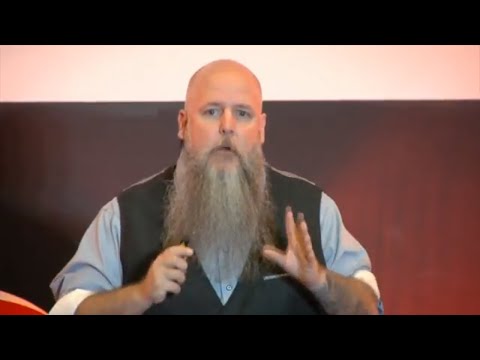
big bearded tattoo guys such as myself
probably shouldn’t be making
generalizations about Millennials or
really any generalization or
stereotyping of any group of people for
that matter but when it comes to
Millennials it’s long II don’t think I
have to if you just google the words
Millennials are the things that you’re
gonna see I’m up just just absolutely
get me and the discourse over the past
several years throughout businesses and
in the boardrooms across the world has
been around the issues that a lot of
senior leaders have been facing with
Millennials around things like
engagement at work and the development
or lack thereof of the human skills or
the soft skills needed to be successful
in those industries and don’t even get
me started on the headlines the
headlines that go on and on and on
I did some a google searches I couldn’t
find one positive headline about
Millennials and it was just absolutely
baffling it got but just I mean I can
keep going on and on and on as you can
see and so many thought leaders who
talked about their thoughts on the
issues with Millennials and you know
what I’m not even gonna define
Millennials and what they are today I’m
not even gonna do that cuz I think what
we need to do is look at it differently
but ladies and gentlemen if this is true
Millennials I’m sorry we’ve got a
problem I mean I say that in jest but
the gist is this I think that my
generation you know the big bearded
dudes of the world we need to look at
this a little differently all of us need
to look at this issue differently and
like I said it’s not about labeling the
Millennials because the next generation
the generations adds well they haven’t
been faring any better either and so I
won’t even gonna use that label I’m just
gonna talk about the next generation or
the next group of human beings that are
coming up to develop in the next phase
of their lives when we think of it in
terms of what’s needed to be successful
the World Economic Forum released very
recently the skills that are gonna be
required going forward in 2020 and
beyond and it wasn’t the
technical skills it was again those soft
skills those non-cognitive human skills
they’re gonna be so necessary but how
are we developing those skills how are
we developing the next generation of
bankers and lawyers and doctors but what
about the next generation of people who
animate our favorite TV shows or do the
special effects on our favorite zombie
movie or let’s say do the concept art
for you know the next medieval political
TV drama or you know people who plan our
weddings how are we preparing them how
are we preparing the people who are
doing the network security for us or
people who are designing our office
spaces how do we develop their skills
how are we developing people who need to
take care of her dogs and our pets or
those individuals who capture those
stellar moments how are we developing
them or people who are doing graphic
design the next corporate logo or
checking us into our hotel how do we
develop them again people who are mixing
and mastering the latest DJ at the
biggest dance club or those who are
entertaining us on stage or I think of
you know mixing and mastering let’s say
that latest album although come to think
of it wait do they even make albums
anymore or do Millennials call that – I
mean I say that in jest but again
getting back to this idea of how are we
developing the next generation what are
we doing well for myself I was an
executive coach working in a different
industries I worked in global asset
management banking commercial real
estate with senior leaders and
executives in billion-dollar deals
however I never actually once worked in
those industries as an executive coach I
didn’t have to give them the answer they
were smart people they had the answer
but as an executive coach I had to ask
the right questions I had to give them
feedback not on what the response was
but on a thought process and challenge
how they frame things that’s what I did
as a coach now I just want to take a
step back because I talked about
coaching I just want to I mean for me
growing up a full disclosure and it was
announced earlier I’m Canadian I’m
Canada and for anyone who grew up
especially playing sports that idea of
what a coach does is maybe a little
different for me I played hockey or
sorry the rest of the world calls it ice
hockey but it’s a bit redundant to call
it ice hockey for me growing up in
Canada but the coaches I grew up with
were very different than the executive
coach that I became for me growing up
playing hockey was that cooked yelling
at me and telling me what to do and how
to do it if I wasn’t holding the stick
right they would grab the stick and tell
me what to do very very different again
how let’s say the International coaching
Federation would define how you coach
and develop you’re not providing the
answer but you’re asking those questions
those coach like questions to allow that
individual to self-direct what the
answer is for myself in my coaching
practice I had two questions I must
share with you that I used all the time
the first one was always tell me more
and I loved asking this question because
it really allowed that individual to
explore that idea that problem where
they were getting stuck as well I also
asked and now what I loved asking and
now what because I wasn’t giving that
individual the answer no it was up to
them to come up with the answer in the
solution themselves and as a coach I
would challenge them and ask them
questions about that I loved it
now when it came to the M word question
or the Millennial engagement question
when I asked them tell me more oh I got
an earful they go on and on and on about
the Millennial issue but when I asked
them and now what deafening silence it
was interesting as we went on and talked
about it a lot of the senior leaders
would say well you know because a lot
could engagement maybe we need to you
know have better lunches and then freer
lunches and free beer and foosball
tables for everybody but that was very
superficial and didn’t really hit at the
heart of what the issue was and as an
executive coach I coached all over North
America from Toronto to Houston from New
York to Vancouver to Montreal even
clients in Sweden a client in South
Africa I even had a client in Iran of
all things and it was interesting
because that millennial question came up
all the time
across different nations and cultures
but how do you engage with this next
generation and I don’t think we actually
fully came still yet to a right solution
for it what that time as I was doing a
lot of traveling I was wetting the bed
every night not necessarily in that
sense but I was actually I was literally
soaking the bed from the head to the toe
so I went to go get that checked out at
the hospital anyway yada yada yada it
turns out I have this form of incurable
lymphocyte ik leukemia and as I was
going for the testing which was really
actually quite interesting and where
this aha moment came for me was at the
hospital that I was at it was a teaching
hospital so the senior oncologist asked
if his med students could be with me
that day as they were going through all
the process so it was a long day and of
course I said okay sure
I’ll I’ll do this it’s a great learning
opportunity for these young students
lying on that table that cool table it
was actually kind of crazy having 12
strange Millennials touched me in places
I’ll be on I’d never want to be touched
by strangers ever again
but I was always lying there what I
really intrigued me was how that senior
oncologist prepared that next generation
of doctors not once did he tell them
what to do and how to do it no he asked
them questions
he provided feedback not on what they
said but on their thought process and as
he was asking them questions it hit me
what he was doing was exactly what I did
as an executive coach he challenged them
to come up with the answers themselves
and it really got me thinking anyway we
decided I was living in the big city in
in Canada and I decided you know what we
need to change so my husband and I we
decided we’re going to leave and we
moved to the interior of British
Columbia which by the way is absolutely
fabulous and we took a little dog and I
absolutely love it if you ever get a
chance to go the mountains are beautiful
it’s just absolutely fabulous and it was
really great to slow down but I was like
you know what I’m not dead yet I’m still
got lots of years left I think I can do
this
turns out in this town that I was in
there was a small post secondary digital
arts school that had a program for
professional development to develop
these soft skills
but they had heard about executive
coaching and they thought you know would
you be interested in bringing that to
our school now in mind who this school
was very different than maybe of what I
had experienced when I went to school
these are individuals that you know have
a very defined career path in terms of
where they’re going very small classes
but you know when I went to university
was on the lecture hall kind of like
this with a lot of people and there was
a subject-matter expert at the front the
professor who would download information
to them and you know I would busily
write notes and then go off to the next
class very different in terms of what
these students would experience so let
me tell you about my first two weeks
before coaching I guess BC if you will I
was a little overwhelmed it was a way no
it was on a wave it was a tsunami of
students who would come into my office
and this is some sort of I had a sliding
scale for the level of distress see
students were in I had you know they
just wanted to come in and shot the
mildly distress they weren’t crying at
first but if I asked a question they
break out into tears then I had the
Criers crier then I had the full-on
meltdown snotter everywhere all over my
floor and this one in particular case at
one case study I followed this one
individual came into my office in a two
day period 34 times so that was
averaging 3.2 visits a day over 30% of
those were at the starter level but what
was happening with this individual with
this individual they were coming in with
a problem and then expecting a subject
matter expert to provide the solution
well if that behavior continued in the
workforce that would be very career
limiting for that individual so what I
did is I took a very different approach
again as someone who’s battling cancer I
took a no excuses approach there was no
excuses with me it was and now what what
is your now what what do you focus on
now I have to admit it did it was a
process it did take a while but in one
semester I got that down to one visit a
week but that one visit was not a
meltdown it was an update on what they
were facing and what they did and then
feedback
how are we doing and that was excellent
now I’m safe to say that this individual
Eve hasn’t even graduated yet and is
actually working in the industry I am
saving a ton on tissues by the way and
on carpet cleaning but I’m really happy
to say that this individual I think is
gonna be able to move into their their
career very very successfully let me
tell you but another group of students I
have there’s also an animation school
and these animators I know I said I
wasn’t gonna make generalizations
earlier but if I worried about the
animators socially awkward and play too
many video games but these are
individuals that yes they’re gonna have
to learn some very specific technical
skills in order to produce the things
that they need to produce another thing
that’s very very important for them
especially for the animation studios are
going to be hiring them is the animation
studios want to make sure that these are
individuals that can work well with
others so one of the things that the
school does in collaboration with the
people who are hiring them is we bring
our students throughout the program I’m
going to call them tours of all the
animation studios both in the small town
as well we make a road trip quite
frequently out to the big town of
Vancouver so they can see that the big
animation studios in the big city what
was interesting is even though we ran
lectures on your behaviors what to
expect what we expect the students to do
before the tour and during the tour let
me tell you what would happen without
fail every single time is the students
they were like a congealed group of
kitty litter that would come into the
tour be petrified while they were there
never asked any question not be engaging
and then as soon as the tour’s over
leave so the studios never really got a
sense of who they were in their
personality which was so important so I
said no you know what we’re gonna
introduce some coaching individually sat
down with every student and what I asked
was how do you want that studio to feel
about you and now what now what will you
do now it was interesting because what
the students came up with themselves was
far superior than what we did this
had this whole social media engagement
strategy beforehand or they would reach
out online and they even had this
competition around who had the most
robust questions to ask then when they
were in the tours they were very
engaging they conducted informational
interviews on their own they went out
and tried to really practice the
handshake and really put themselves out
there and then afterwards they even had
an online social media engagement
strategy afterwards to keep those
connections that they made at that
studio warm again not from me telling
them what to do the behavior changed
when we just simply started asking them
and putting the solution in their hands
and allowing them to own it it’s very
very different and happy to report in
this last graduating class of we had 18
students 11 of them even before
graduation had jobs lined up for them
which is fabulous I went I do one more
story this interesting we also have
event planners of the school very
passionate group of individuals and they
were planning this huge event in their
final semester up on one of the
mountains and they were so proud of it
they come in there every day about all
this exciting things that they were
gonna be able to do up on this mountain
event that was going to involve the city
there’d be lots of people there she’s
going to be absolutely fantastic well in
my home province of British Columbia
this summer we had the worst fire season
in history what that meant was even
though we didn’t have any fires nearby
the mountain was at high risk so at the
very last minute their event was
canceled well these students were
devastated they only had less than two
weeks left and their semester before
they graduated that’s interesting cuz
even though we talked about things like
conflict management they still had lots
of conflict even though we had a lecture
on preparing for your interview and
having stellar success stories to share
in your interview nobody made that
connection until I sat him down and said
okay now what and as interesting what
they came up with they actually on their
own at the very last minute prepared
this whole celebration to honor the fire
men and fire women battling those fires
the summer
it was absolutely amazing they’re able
to raise lots of money from it and and
now when they go into the job interviews
which actually they’re doing right now
is they’re sharing this as a success
story and framing it but it came from
not me telling them it came from just
asking the question so what I’m gonna
put out there is this challenge to the
world from my generation in fact for
anybody when we look at how are we
developing the next generation tweets
how do we tell them what to do and how
to do it or do we take that executive
coach mindset out of the boardroom and
bring it into the classroom when you’re
looking at developing the next
generation where they’re looking at
whether they’re getting promoted that’s
gonna be my challenge is how can we
become more like coaches to help develop
the next generation and as well I have
to give a big shout out in terms of the
UNAM I students who put this
presentation together so I want to thank
them so much for that
thank you
[Applause]
you
Please follow and like us: