
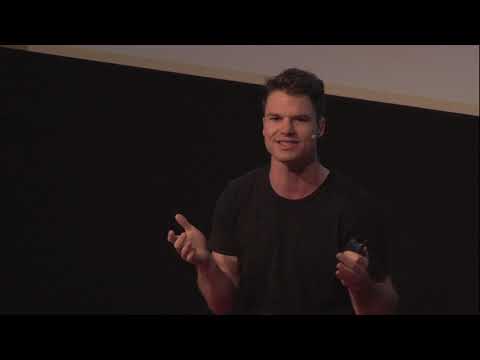
as a fresh-faced 21 year old I found
myself boarding a US Air Force plane on
my first expedition South to Antarctica
at the time I was nervous
I felt unexperienced and out of my
comfort zone we camped for 11 days at
1,300 meters and temperatures as cold as
minus 40 degrees Celsius it completely
changed my perspective on education I
learned things about reading about
research about working in a remote
environment in leadership things you
couldn’t learn from the comfort of a
classroom and it completely
it was baptism by fire everything from
cooking to melting snow to met to make
water takes time but I think in any
field learning through experiences like
this is the best way to learn being a
geologist I learned about the history of
the ice sheets and their interaction
with the atmosphere ocean and life and
how these interactions influence the
planet and how this knowledge of the
past will improve forecasting of what is
to come to see the scale of a glacier
more than 40 kilometers across or to
stand on the side of the Ross Ice Shelf
which is the size of France it gave me a
deeper understanding and made me realize
how sensitive Antarctica can be in a
warming world and through these
experiences I echo what the legendary
sailor and environmentalist sue Peter
Blake once said if young people
experience the environment they will
learn to love it and if they love it
they will want to take care of it but
right now many people don’t experience
the environment in fact many people have
lost a close connection with nature a
research tells us that adults and
children are spending less time outside
so if people lose contact with nature or
don’t experience it how will they love
it and how will they want to take care
of it and while we lose this connection
carbon emissions continue to rise carbon
dioxide levels are higher than they’ve
been in the last 800,000 years and the
carrying capacity of carbon in our
atmosphere in our ocean gets smaller at
the same time biodiversity loss is a
hundred to a thousand times higher than
natural extinction rates so how can we
get people back into nature a key
element to do this is through
experiential learning but what if people
couldn’t have access to these remote
places places like Antarctica are
beacons of hope but they’re not easy to
get to and they’re limited to a small
group so this model works well for a
truly deep learning experience with a
small group but it doesn’t have the
ability to reach everyone so if access
to these places are limited using new
technologies like virtual reality may
provide a solution virtual reality
offers experiential learning it works as
an empathy machine and can transport
users to some of these remote places VR
is so immersive is so powerful that
users can understand and empathize in
real and life-changing ways but going
into these places in the traditional
sense can require skills or levels of
confidence that many people do not have
now the sue Peter Blake trust and New
Zealand Geographic have teamed up to
deliver online virtual reality
experiences that allow everyone to
explore these remote places you can go
swimming with whales and sharks without
even getting wet you don’t even need to
know how to swim and there are no health
and safety forms to
so VR can expose you to worlds you
didn’t know existed and connect deeply
with them but access is for everyone not
just those with expensive headsets using
a cardboard headset and a cell phone all
you need is an internet connection and
you’re right there so now that everyone
can experience these environments and
having done so want to reduce the impact
they have on them we can all go and
explore these amazing places so you can
explore what a pristine environment
looks like an area that is protected a
marine protected area where there is no
fishing or no mining a place where there
are hundreds of pets and a variety of
species and has good water quality and
you can explore a degraded environment a
place that hasn’t got many species has
been overfished or polluted and it has
poor water quality and you can ask
people why do these environments look
these are just two examples but with
virtual reality it’s possible to
transport the user from a mountain to a
glacier to a forest that’s a hundreds
that’s hundreds of years old or to
almost any underwater environment in the
world when we’ve shown students these
underwater virtual reality videos and
ask them if it’s more likely to make
them want to go snorkeling they all put
their hands up and they all wanted to
reduce the impact but without the
virtual reality headsets users can still
explore using a desktop a tablet or a
cell phone by dragging and panning in
360 degree view on magic window mode
everyone has the
chance to explore but only using a
headset provides a truly virtual
sensation but the VR content can also
work as a valuable tool for education
we’ve entered a new age of teaching but
many of the tools in today’s classroom
are like those from a generation ago
engaging students in reading and
stimulating discussion remains a
challenge but imagine walking into a
classroom where all the students are
learning with VR it turns these
challenges on the head teaching science
and environmental education is not
possible for many but with VR all of
these things are not a problem it’s so
powerful that people can get vertigo or
seasick and need to sit down while they
use the headsets others can get
emotional and messed up the headsets
after seeing a degraded landscape
instead of turning to chapter 4 in a
textbook virtual reality is a great way
to introduce a learning unit or session
but most importantly by engaging with
virtual reality experiences it can
positively impact how people want to
behave and through this behavior change
people may want to refuse the use of or
advocate for the banning of plastic
products support the call for more
marine protected areas reduce the curb
reduce their carbon pollution or reduce
rural and urban runoff but most
importantly by engaging with VR
experiences users can engage in ways
that positively influence their behavior
and through these actions the ambition
is not just for people to grab a headset
to try it out to open them up to a world
of interaction and education to inspire
them through action engagement and
change VR is a gateway back into nature
and now more than ever
it is time to restart people caring for
these environments for ourselves and for
future generations
to roll our sleeves up take
responsibility and be stewards for these
magnificent places once again thank you [Applause]
myself boarding a US Air Force plane on
my first expedition South to Antarctica
at the time I was nervous
I felt unexperienced and out of my
comfort zone we camped for 11 days at
1,300 meters and temperatures as cold as
minus 40 degrees Celsius it completely
changed my perspective on education I
learned things about reading about
research about working in a remote
environment in leadership things you
couldn’t learn from the comfort of a
classroom and it completely
it was baptism by fire everything from
cooking to melting snow to met to make
water takes time but I think in any
field learning through experiences like
this is the best way to learn being a
geologist I learned about the history of
the ice sheets and their interaction
with the atmosphere ocean and life and
how these interactions influence the
planet and how this knowledge of the
past will improve forecasting of what is
to come to see the scale of a glacier
more than 40 kilometers across or to
stand on the side of the Ross Ice Shelf
which is the size of France it gave me a
deeper understanding and made me realize
how sensitive Antarctica can be in a
warming world and through these
experiences I echo what the legendary
sailor and environmentalist sue Peter
Blake once said if young people
experience the environment they will
learn to love it and if they love it
they will want to take care of it but
right now many people don’t experience
the environment in fact many people have
lost a close connection with nature a
research tells us that adults and
children are spending less time outside
so if people lose contact with nature or
don’t experience it how will they love
it and how will they want to take care
of it and while we lose this connection
carbon emissions continue to rise carbon
dioxide levels are higher than they’ve
been in the last 800,000 years and the
carrying capacity of carbon in our
atmosphere in our ocean gets smaller at
the same time biodiversity loss is a
hundred to a thousand times higher than
natural extinction rates so how can we
get people back into nature a key
element to do this is through
experiential learning but what if people
couldn’t have access to these remote
places places like Antarctica are
beacons of hope but they’re not easy to
get to and they’re limited to a small
group so this model works well for a
truly deep learning experience with a
small group but it doesn’t have the
ability to reach everyone so if access
to these places are limited using new
technologies like virtual reality may
provide a solution virtual reality
offers experiential learning it works as
an empathy machine and can transport
users to some of these remote places VR
is so immersive is so powerful that
users can understand and empathize in
real and life-changing ways but going
into these places in the traditional
sense can require skills or levels of
confidence that many people do not have
now the sue Peter Blake trust and New
Zealand Geographic have teamed up to
deliver online virtual reality
experiences that allow everyone to
explore these remote places you can go
swimming with whales and sharks without
even getting wet you don’t even need to
know how to swim and there are no health
and safety forms to
so VR can expose you to worlds you
didn’t know existed and connect deeply
with them but access is for everyone not
just those with expensive headsets using
a cardboard headset and a cell phone all
you need is an internet connection and
you’re right there so now that everyone
can experience these environments and
having done so want to reduce the impact
they have on them we can all go and
explore these amazing places so you can
explore what a pristine environment
looks like an area that is protected a
marine protected area where there is no
fishing or no mining a place where there
are hundreds of pets and a variety of
species and has good water quality and
you can explore a degraded environment a
place that hasn’t got many species has
been overfished or polluted and it has
poor water quality and you can ask
people why do these environments look
these are just two examples but with
virtual reality it’s possible to
transport the user from a mountain to a
glacier to a forest that’s a hundreds
that’s hundreds of years old or to
almost any underwater environment in the
world when we’ve shown students these
underwater virtual reality videos and
ask them if it’s more likely to make
them want to go snorkeling they all put
their hands up and they all wanted to
reduce the impact but without the
virtual reality headsets users can still
explore using a desktop a tablet or a
cell phone by dragging and panning in
360 degree view on magic window mode
everyone has the
chance to explore but only using a
headset provides a truly virtual
sensation but the VR content can also
work as a valuable tool for education
we’ve entered a new age of teaching but
many of the tools in today’s classroom
are like those from a generation ago
engaging students in reading and
stimulating discussion remains a
challenge but imagine walking into a
classroom where all the students are
learning with VR it turns these
challenges on the head teaching science
and environmental education is not
possible for many but with VR all of
these things are not a problem it’s so
powerful that people can get vertigo or
seasick and need to sit down while they
use the headsets others can get
emotional and messed up the headsets
after seeing a degraded landscape
instead of turning to chapter 4 in a
textbook virtual reality is a great way
to introduce a learning unit or session
but most importantly by engaging with
virtual reality experiences it can
positively impact how people want to
behave and through this behavior change
people may want to refuse the use of or
advocate for the banning of plastic
products support the call for more
marine protected areas reduce the curb
reduce their carbon pollution or reduce
rural and urban runoff but most
importantly by engaging with VR
experiences users can engage in ways
that positively influence their behavior
and through these actions the ambition
is not just for people to grab a headset
to try it out to open them up to a world
of interaction and education to inspire
them through action engagement and
change VR is a gateway back into nature
and now more than ever
it is time to restart people caring for
these environments for ourselves and for
future generations
to roll our sleeves up take
responsibility and be stewards for these
magnificent places once again thank you [Applause]
Please follow and like us: