
have you ever wondered if technology is
reaching a plateau have you ever
wondered if Moore’s Law is going to
continue to hold true Moore’s law is
defined as a process is defined as when
the number of transistors on a chip are
going to double in every two years for
for me moore’s law means technology
evolves every two years I have wondered
and as a marketer I want to understand
how do you keep pace of technology how
do you see how technology works
what do marketers do marketers want to
sell their products ensure brand
awareness with three key objectives in
mind one reaching out to the customers
recalling brand and ensuring brand
awareness in moments that matter and
three driving sales and growing your
business teaching audiences is not new
this has been there for quite some time
if you look at this
we started out way back few decades back
in with sales Flyers newspapers
bulletins coming in followed by the
radio and television newspapers
I remember weekend newspapers being
twice as big and twice as expensive
primarily because they had in sets of
flyers from your local grocery store
from your supermarket and from any
seasonal events that might come about
and you would use them clip coupons of
them people used to keep coupons from
them and use them to actually go and
trade in for discounts that might come
about later on when TV and when Huey and
Radio came about people started using
them for making sure that you identify
US market or identify your target group
and then take it to the TV show try to
identify which TV shows are there which
are the relevant to your target groups
and then make sure your marketing around
those things that was an initial version
of how do you reach and then the coupons
was an initial version of how do you
build how do you drive the Orkin
and how do you make sure that you are
attributing your your your sales or your
advertising budgets looking forward the
internet came and then this was a
tectonic change I remember as a graduate
student in Texas A&M I had my own corner
of the web I had my own web site this
was a fad pretty much everybody had
their own websites but what you had in
those was primarily information about
yourself about your team’s research
about what you are interested in your
friends websites about what people were
interested in in terms of what I liked
and also my blog and my pictures this
was all that I needed for me all of
information that was relevant on the
internet was fit on a page which was 20
links long how about today that has
changed that has evolved so much so that
Internet is transforming how we look at
information imagine what do you do today
on a daily basis new social media
pictures videos engaging with
information research everything
something that you like on the web be it
a movie time be with price of 8 of a
product beat some information that you
like a hidden word all of these you’re
reflexively going to the web and trying
to get that information and that’s the
that’s the change that has come about we
as consumers we want information right
and we want it right now and that is a
change that has been happening so in the
last couple of decades the number of
people recent research suggests the
number of people who are spending time
on the Internet is roughly around 40
hours a week that’s huge and in addition
to that they’re traversing around a
billion pages across the world people
have stopped going online and have
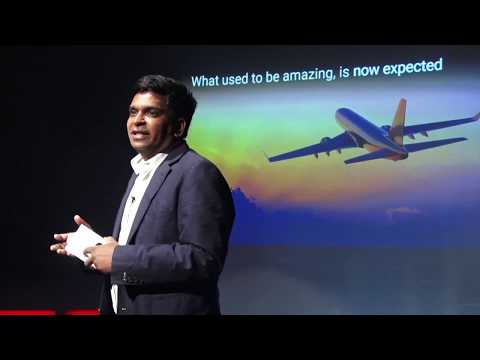
started living online what used to be
amazing has now become commonplace let
me tell you a story when it started
working early days of my career I was I
was in financial services I was doing
software development that was a great
gate for me I thought I had my own
despot
which was a PC and then I had my own
unique station because I had that’s
where I used to code and then I stood
I’d software and then I had something
called a pager which is a device which
most of you guys might not even know
about given your ages but that was it oh
guys you hang on on your belt and then
carry around if there was information
that was needed about you I felt good I
was recognized I was given some power I
was doing some good work and then I
spoke to some of my like a couple of
weeks or months into the job I spoke to
him off my senior directors and how my
program managers they did not have a
desktop they had a laptop they did not
have a pager and they had a cell phone
and I was like hmm later a few years
down I got my own laptop I felt I had a
right guess what few weeks late a few
weeks in few weeks before I came to this
talk my daughter of each is health to me
and says daddy I can’t deal with my
brother and me sharing a laptop can you
get me one for myself that’s the
evolution of technology that has been
seeing about and that’s where what we is
what is amazing is now getting expected
I talked about the internet but imagine
some of the other changes that have
happened over the past two three decades
GPS MRI scanning digital photography
technology shifts ATM these have become
so much so like you can’t imagine the
world we are living in without these
things and all of these were there the
last 20 odd years there wasn’t there
before my biggest fun moment if this
Wi-Fi on planes I’ll travel forward
quite a bit and I love traveling for me
before wife I came on planes a flight
journey was an opportunity to think
through with relax try to introspect and
spend time with myself and do work that
I really wanted to do but now with Wi-Fi
that does not seem possible and as we
saintly has to three months back I was
trying to book a flight
and I realized that I was choosing a
flight based on whether they had Wi-Fi
or not that kind of was concerning for
me because the person that I was
who wasn’t respecting and reflecting I
will talk about it proudly now I am
looking for flights which have Wi-Fi on
them talk about evolving times talk
about double standards talk about
changing things while all of this is
true there’s some things which have
changed or which have not changed for my
marketing’s perspective for my market is
perspective these are three things which
still stand – how do I find the right
customers how do I stand out in the
marketplace and how do I measure results
and how do I measure that on an
investment those things are still true
but how we as marketers need to approach
them has changed quite a bit what I see
is people need to worry about people
need to look about omni-channel people
need to measure performance return on
adspend is something that’s very very
relevant now as we think about it people
are more concerned about engagement how
do I look at your property or the
website or your your your storefront
digital or whatever and then how am i
engaging with them these are significant
trends that have evolved over the last
10 15 years social media has become so
much important we talk about media we
talk about three bits three ways that we
think about it one is paid media one is
owned media and one is earned media
owned media is media that you own your
own properties digital or whatever paid
is what you advertise for and you get
and earned is what is the social media
bit when you try to know what’s what
others are telling about you and these
are important significant signals which
people look at and then try to
understand how we’re trying to go so as
you think about it while marketing has
not changed a lot the technology
innovation few things have changed
purpose value participation and being
always-on has become more and more
important while marketers have done
great in terms of trying to keep up with
technology there is a lot more that’s
happening few things that I call about
as imperatives or important things for
you for everybody to be aware of
internet-of-things this is coming about
in a big way what I every appliance
every device at home is being connected
think about your thermostats your radios
your refrigerators your televisions your
your cars all of these are now connected
online what does that do to you
primarily it helps you integrate with
everything you you as you’re able to
look at information and then figure out
whether you’re starting a journey on one
one device and then continuing to a
different device and then you’re able to
look at how does customer behavior
change how are people looking at these
devices in different ways
Intel predicts that in the next two
three years there will be 200 odd
connected devices in the world what does
that mean that’s roughly around twenty
six devices connected devices per person
staggering this is the first imperative
that we as marketers need to worry about
as we think of technology not worry
about be aware of while IOT and devices
are fun people
geeks if you will would create the folks
in Silicon Valley or Bangalore are
creating those devices are people
actually using them this is an
interesting trend chart that I found
primarily talks about adoption curves of
people using technology over the past
100 orders the last line on on my on
your left is what telephone electricity
are and they took a good part of around
70 80 audios to get to anywhere close to
80 90 percent adoption and the rightmost
line there is the internet and it’s
literally a vertical line basically says
the rate of adoption that consumers are
doing is very very fast and much higher
put it in layman’s terms radio took 38
years to get to 50 million users
Facebook and social media
any guesses less than a year to get to
50 million users so people are adopting
to technology much faster than you would
assume and what does this do this set of
connected devices as well as an option
leads to an explosion of data big data
driving big impact as you can see quite
a few businesses quite a few businesses
are looking at big data to help them
drive economic value basically driven by
three things one the real-time nature of
data that you get basically you are able
to get data on a much real much quicker
basis not necessarily months but days
and hours the scale at which you get
data when you did market research of and
we did market research it took us close
to service and then you would get a data
sample set of around 20 or 30 and then
you extrapolate it out now that problem
doesn’t take this you’re doing the other
way around you have a data sample set
and just thin slicing till you get to
information that you want to look at and
the third bit is intent you are able to
quickly predict what is the user doing
very much based on these big data and
using that using this aggregated view of
real-time data with intent with scale
that you have you have a rich view of
what is the customers journey going to
look like and you are able to customize
nuanced and then change this this is the
third Imperator that’s going to come
about pretty soon the last one for my
perspective machine learning artificial
intelligence we are at an inflection
point things are changing so fast that
we are not even sure as to how we going
to change we talk about a mobile world
which is what we live in today pretty
soon we’re going to move to an AI first
world what does that mean all the data
all the signals that you have it’s going
to be really hard for any marketer to
think of coming up with a digital
strategy with this kind of data set that
you have you need machines to actually
understand machines and come up with
strategies
thousands of signals multiples of
multiples of sources of data you are
trying to crunch them and then say okay
what is the right insight that I want
and that’s not necessarily possible with
just us thinking about it from a from a
human perspective we need machines to
help us on the programmatic side where I
work we actually look at using Nadia’s
first party data but third party data
and then thin slicing it and then trying
to come up with the right audience
segment which is going to help us reach
whom we are trying to reach in addition
to it while that’s happening mobile
we’re not done yet
we talked about moments that matter
which is trying to understand the
customers life journey in a mobile and
mobile environment and then you’re
trying to look at where is it what is he
doing and then trying to understand how
can we help him in that journey and
that’s far from being done
the transformation is on but still a big
journey the third one is the immersive
ecosystem as you guys are aware as we
think of these network connected devices
we are going to get into a networked
home in that pretty much ambient
technology is going to rule us you are
no longer going to talk about with voice
the cognition getting better you’re not
necessarily going to talk about how do I
interface with device X versus device y
they start speaking to each other and
then you are you’re just trying to
understand how what is interplay of some
of these devices give you an example
let’s assume you get into your car your
car is going to eat your data from your
from your cell phone about your calendar
and know where you want to go and start
using the GPS on the phone on the car to
actually program to go it’s going to go
and if it were a self-driving car on the
Ottomans car it’s pretty much going to
go by itself that’s the power of in
immersive technology that I am talking
about very interesting pretty
interesting times for us as marketers
the other one on the same lines if you
give an example is let’s say you are
listening to some podcast video music
whatever as you walk into your house
it’s just going to switch from your
smartphone device to some some other
connected device in the house and start
playing it so either from your stereo
system or from your any of your boxes
this number about queries this is very
real
our voice technologies have getting
gotten so much better that people are
using voice to search as opposed to
typing in imagine from an i/o
perspective we only had keyboards for
the longest time to actually interface
even blackberries of Bluetooth whatever
that was is still is still typing in but
now once you start speaking or once you
start looking at various other signals
to enter and do an i/o better they merge
the nature of technology gets so much
more better to make it real let me give
you a few examples a shopping journey
when you talk about marketing one of the
biggest things that you do is look at
the customer lifecycle journey and try
to understand what is he doing
differently well where does he engage
how does he engage and what do you help
him where do you help him
decent auto shopper journey suggested
that 900 touch points potentially for
the marketer to engage with a auto
shopper huge and of which 70 odd percent
are from mobile device this was much
different than when I bought my first
car but that is this is reality
in conclusion increase in connected
devices
my first imperative followed by adoption
of users the customer adoption which is
going so big and then these both
churning out data in in in terabytes and
huge amounts of data combined with
machine learning we are going to harness
this technology to actually make
significant progress for the next couple
of years and we as marketers we need to
evolve every 10 15 years there is a
paradigm shift this paradigm shift in my
mind is the Moore’s law in the 90s early
90s we had PCs and that changed how
people work people did not use paper and
pen anymore they started using the
computers and then started writing
emails and then used word documents and
all of that then later came the web
which we talked about briefly and then
smartphones which completely changed the
customer destiny
life cycle journey and it became always
on and pervasive going forward over the
next 15-20 years I see us getting from a
getting more into the AI kind of a world
mobile first world from a mobile first
world to an AI first world and we as
marketers we need to be nimble thank you
very much
[Applause]
[Music]
reaching a plateau have you ever
wondered if Moore’s Law is going to
continue to hold true Moore’s law is
defined as a process is defined as when
the number of transistors on a chip are
going to double in every two years for
for me moore’s law means technology
evolves every two years I have wondered
and as a marketer I want to understand
how do you keep pace of technology how
do you see how technology works
what do marketers do marketers want to
sell their products ensure brand
awareness with three key objectives in
mind one reaching out to the customers
recalling brand and ensuring brand
awareness in moments that matter and
three driving sales and growing your
business teaching audiences is not new
this has been there for quite some time
if you look at this
we started out way back few decades back
in with sales Flyers newspapers
bulletins coming in followed by the
radio and television newspapers
I remember weekend newspapers being
twice as big and twice as expensive
primarily because they had in sets of
flyers from your local grocery store
from your supermarket and from any
seasonal events that might come about
and you would use them clip coupons of
them people used to keep coupons from
them and use them to actually go and
trade in for discounts that might come
about later on when TV and when Huey and
Radio came about people started using
them for making sure that you identify
US market or identify your target group
and then take it to the TV show try to
identify which TV shows are there which
are the relevant to your target groups
and then make sure your marketing around
those things that was an initial version
of how do you reach and then the coupons
was an initial version of how do you
build how do you drive the Orkin
and how do you make sure that you are
attributing your your your sales or your
advertising budgets looking forward the
internet came and then this was a
tectonic change I remember as a graduate
student in Texas A&M I had my own corner
of the web I had my own web site this
was a fad pretty much everybody had
their own websites but what you had in
those was primarily information about
yourself about your team’s research
about what you are interested in your
friends websites about what people were
interested in in terms of what I liked
and also my blog and my pictures this
was all that I needed for me all of
information that was relevant on the
internet was fit on a page which was 20
links long how about today that has
changed that has evolved so much so that
Internet is transforming how we look at
information imagine what do you do today
on a daily basis new social media
pictures videos engaging with
information research everything
something that you like on the web be it
a movie time be with price of 8 of a
product beat some information that you
like a hidden word all of these you’re
reflexively going to the web and trying
to get that information and that’s the
that’s the change that has come about we
as consumers we want information right
and we want it right now and that is a
change that has been happening so in the
last couple of decades the number of
people recent research suggests the
number of people who are spending time
on the Internet is roughly around 40
hours a week that’s huge and in addition
to that they’re traversing around a
billion pages across the world people
have stopped going online and have
started living online what used to be
amazing has now become commonplace let
me tell you a story when it started
working early days of my career I was I
was in financial services I was doing
software development that was a great
gate for me I thought I had my own
despot
which was a PC and then I had my own
unique station because I had that’s
where I used to code and then I stood
I’d software and then I had something
called a pager which is a device which
most of you guys might not even know
about given your ages but that was it oh
guys you hang on on your belt and then
carry around if there was information
that was needed about you I felt good I
was recognized I was given some power I
was doing some good work and then I
spoke to some of my like a couple of
weeks or months into the job I spoke to
him off my senior directors and how my
program managers they did not have a
desktop they had a laptop they did not
have a pager and they had a cell phone
and I was like hmm later a few years
down I got my own laptop I felt I had a
right guess what few weeks late a few
weeks in few weeks before I came to this
talk my daughter of each is health to me
and says daddy I can’t deal with my
brother and me sharing a laptop can you
get me one for myself that’s the
evolution of technology that has been
seeing about and that’s where what we is
what is amazing is now getting expected
I talked about the internet but imagine
some of the other changes that have
happened over the past two three decades
GPS MRI scanning digital photography
technology shifts ATM these have become
so much so like you can’t imagine the
world we are living in without these
things and all of these were there the
last 20 odd years there wasn’t there
before my biggest fun moment if this
Wi-Fi on planes I’ll travel forward
quite a bit and I love traveling for me
before wife I came on planes a flight
journey was an opportunity to think
through with relax try to introspect and
spend time with myself and do work that
I really wanted to do but now with Wi-Fi
that does not seem possible and as we
saintly has to three months back I was
trying to book a flight
and I realized that I was choosing a
flight based on whether they had Wi-Fi
or not that kind of was concerning for
me because the person that I was
who wasn’t respecting and reflecting I
will talk about it proudly now I am
looking for flights which have Wi-Fi on
them talk about evolving times talk
about double standards talk about
changing things while all of this is
true there’s some things which have
changed or which have not changed for my
marketing’s perspective for my market is
perspective these are three things which
still stand – how do I find the right
customers how do I stand out in the
marketplace and how do I measure results
and how do I measure that on an
investment those things are still true
but how we as marketers need to approach
them has changed quite a bit what I see
is people need to worry about people
need to look about omni-channel people
need to measure performance return on
adspend is something that’s very very
relevant now as we think about it people
are more concerned about engagement how
do I look at your property or the
website or your your your storefront
digital or whatever and then how am i
engaging with them these are significant
trends that have evolved over the last
10 15 years social media has become so
much important we talk about media we
talk about three bits three ways that we
think about it one is paid media one is
owned media and one is earned media
owned media is media that you own your
own properties digital or whatever paid
is what you advertise for and you get
and earned is what is the social media
bit when you try to know what’s what
others are telling about you and these
are important significant signals which
people look at and then try to
understand how we’re trying to go so as
you think about it while marketing has
not changed a lot the technology
innovation few things have changed
purpose value participation and being
always-on has become more and more
important while marketers have done
great in terms of trying to keep up with
technology there is a lot more that’s
happening few things that I call about
as imperatives or important things for
you for everybody to be aware of
internet-of-things this is coming about
in a big way what I every appliance
every device at home is being connected
think about your thermostats your radios
your refrigerators your televisions your
your cars all of these are now connected
online what does that do to you
primarily it helps you integrate with
everything you you as you’re able to
look at information and then figure out
whether you’re starting a journey on one
one device and then continuing to a
different device and then you’re able to
look at how does customer behavior
change how are people looking at these
devices in different ways
Intel predicts that in the next two
three years there will be 200 odd
connected devices in the world what does
that mean that’s roughly around twenty
six devices connected devices per person
staggering this is the first imperative
that we as marketers need to worry about
as we think of technology not worry
about be aware of while IOT and devices
are fun people
geeks if you will would create the folks
in Silicon Valley or Bangalore are
creating those devices are people
actually using them this is an
interesting trend chart that I found
primarily talks about adoption curves of
people using technology over the past
100 orders the last line on on my on
your left is what telephone electricity
are and they took a good part of around
70 80 audios to get to anywhere close to
80 90 percent adoption and the rightmost
line there is the internet and it’s
literally a vertical line basically says
the rate of adoption that consumers are
doing is very very fast and much higher
put it in layman’s terms radio took 38
years to get to 50 million users
Facebook and social media
any guesses less than a year to get to
50 million users so people are adopting
to technology much faster than you would
assume and what does this do this set of
connected devices as well as an option
leads to an explosion of data big data
driving big impact as you can see quite
a few businesses quite a few businesses
are looking at big data to help them
drive economic value basically driven by
three things one the real-time nature of
data that you get basically you are able
to get data on a much real much quicker
basis not necessarily months but days
and hours the scale at which you get
data when you did market research of and
we did market research it took us close
to service and then you would get a data
sample set of around 20 or 30 and then
you extrapolate it out now that problem
doesn’t take this you’re doing the other
way around you have a data sample set
and just thin slicing till you get to
information that you want to look at and
the third bit is intent you are able to
quickly predict what is the user doing
very much based on these big data and
using that using this aggregated view of
real-time data with intent with scale
that you have you have a rich view of
what is the customers journey going to
look like and you are able to customize
nuanced and then change this this is the
third Imperator that’s going to come
about pretty soon the last one for my
perspective machine learning artificial
intelligence we are at an inflection
point things are changing so fast that
we are not even sure as to how we going
to change we talk about a mobile world
which is what we live in today pretty
soon we’re going to move to an AI first
world what does that mean all the data
all the signals that you have it’s going
to be really hard for any marketer to
think of coming up with a digital
strategy with this kind of data set that
you have you need machines to actually
understand machines and come up with
strategies
thousands of signals multiples of
multiples of sources of data you are
trying to crunch them and then say okay
what is the right insight that I want
and that’s not necessarily possible with
just us thinking about it from a from a
human perspective we need machines to
help us on the programmatic side where I
work we actually look at using Nadia’s
first party data but third party data
and then thin slicing it and then trying
to come up with the right audience
segment which is going to help us reach
whom we are trying to reach in addition
to it while that’s happening mobile
we’re not done yet
we talked about moments that matter
which is trying to understand the
customers life journey in a mobile and
mobile environment and then you’re
trying to look at where is it what is he
doing and then trying to understand how
can we help him in that journey and
that’s far from being done
the transformation is on but still a big
journey the third one is the immersive
ecosystem as you guys are aware as we
think of these network connected devices
we are going to get into a networked
home in that pretty much ambient
technology is going to rule us you are
no longer going to talk about with voice
the cognition getting better you’re not
necessarily going to talk about how do I
interface with device X versus device y
they start speaking to each other and
then you are you’re just trying to
understand how what is interplay of some
of these devices give you an example
let’s assume you get into your car your
car is going to eat your data from your
from your cell phone about your calendar
and know where you want to go and start
using the GPS on the phone on the car to
actually program to go it’s going to go
and if it were a self-driving car on the
Ottomans car it’s pretty much going to
go by itself that’s the power of in
immersive technology that I am talking
about very interesting pretty
interesting times for us as marketers
the other one on the same lines if you
give an example is let’s say you are
listening to some podcast video music
whatever as you walk into your house
it’s just going to switch from your
smartphone device to some some other
connected device in the house and start
playing it so either from your stereo
system or from your any of your boxes
this number about queries this is very
real
our voice technologies have getting
gotten so much better that people are
using voice to search as opposed to
typing in imagine from an i/o
perspective we only had keyboards for
the longest time to actually interface
even blackberries of Bluetooth whatever
that was is still is still typing in but
now once you start speaking or once you
start looking at various other signals
to enter and do an i/o better they merge
the nature of technology gets so much
more better to make it real let me give
you a few examples a shopping journey
when you talk about marketing one of the
biggest things that you do is look at
the customer lifecycle journey and try
to understand what is he doing
differently well where does he engage
how does he engage and what do you help
him where do you help him
decent auto shopper journey suggested
that 900 touch points potentially for
the marketer to engage with a auto
shopper huge and of which 70 odd percent
are from mobile device this was much
different than when I bought my first
car but that is this is reality
in conclusion increase in connected
devices
my first imperative followed by adoption
of users the customer adoption which is
going so big and then these both
churning out data in in in terabytes and
huge amounts of data combined with
machine learning we are going to harness
this technology to actually make
significant progress for the next couple
of years and we as marketers we need to
evolve every 10 15 years there is a
paradigm shift this paradigm shift in my
mind is the Moore’s law in the 90s early
90s we had PCs and that changed how
people work people did not use paper and
pen anymore they started using the
computers and then started writing
emails and then used word documents and
all of that then later came the web
which we talked about briefly and then
smartphones which completely changed the
customer destiny
life cycle journey and it became always
on and pervasive going forward over the
next 15-20 years I see us getting from a
getting more into the AI kind of a world
mobile first world from a mobile first
world to an AI first world and we as
marketers we need to be nimble thank you
very much
[Applause]
[Music]
Please follow and like us: