
hey Naomi hey Owen how do you know if
someone’s vegan oh don’t worry
they’ll tell you hi everyone I’m Owen
and I don’t eat meat eggs or dairy and
I’m Naomi and I don’t eat meat and I
tend to avoid dairy but I do eat fish
now today we’re here to give you some
food for thought about food for change
in particular we’ll be looking at how a
shift in one’s diet even on a micro
level can have important impacts on the
self as well as on the world we inhabit
now we know the stereotypes of vegans
militant condescending intolerant those
whose diets differ from their own so
before we get started we want to stress
that this talk is going to be as far
from didactic as possible now we’re not
trying to convert you to our lame vegan
Club ones diet is deeply personal and
everyone has a right to a dietary
lifestyle that works best for them in
our talk today we just hope to discuss
the impacts of our diets and emphasize
the importance of informed knowledgeable
eating no matter what it is you choose
to chow down on now what made me go
vegan weren’t those posters on the
subway you know the ones with the cute
pig and the cute dog then big bold
letters the question I love one but eat
the other no Owen and I were actually
both inspired to shift our diets based
on environmental concerns yeah I went
vegan after reading a 2010 United
Nations report entitled assessing the
environmental impacts of production and
consumption : priority products and
materials somewhat less catchy than the
poster I know now this report
essentially said what scientists
studying climate and the environment had
been saying for years namely that animal
agriculture – the process of raising
animals for human consumption was one of
the leading factors behind environmental
degradation and climate change
take greenhouse gases for instance
animal agriculture is responsible for
over half of all global greenhouse gas
emissions each year that’s more than all
forms of transportation so planes cars
ships trucks you name it combined with
those figures expect to grow over 80% by
2050 this is compounded by the fact that
the gas most frequently emitted
by animal agriculture is nitrous oxide a
gas with the global warming potential
296 times greater than carbon dioxide
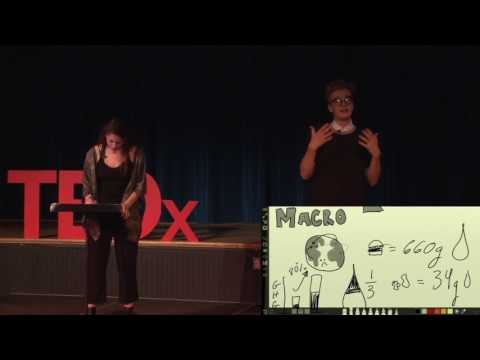
the animal agriculture industry also
uses about one-third of global
freshwater supplies each year in fact to
make about one hamburger requires 660
gallons of water to produce that’s about
the equivalent of taking a three hour
long shower which although I might love
to do might be considered a bit
excessive vegetables like broccoli and
potatoes for example only require about
34 gallons of water and are still quite
tasty often we can feel a disconnect
between the foods we eat and the world
around us particularly in the modern age
of processed foods and when
globalisation brings foods from all
corners of the globe to our supermarket
aisles it can be hard to remember that
what we eat is a direct offering of the
world around us and now what we choose
to eat affects out world in turn diets
are certainly a personal choice but they
are also global in their impacts
understanding the impacts of one’s diet
above and beyond the South can help
foster a process of more informed eating
that remains conscious of the broader
global community to be sure the impacts
on the self are important as well one of
the things that Naomi is noticed about
going vegan is that you often start
cooking a lot more for yourself eating
out as the vegan can present a variety
of challenges including finding
something something to eat and finding
something affordable to eat
cooking for yourself allows for you to
have a much better understanding and
command over the food that you do eat
personally I found this to be
particularly true when cooking as a
vegan say you’re in a supermarket aisle
and you want to know if a certain
product is vegan you actually have to
take it off the shelf and look at the
nutritional information and list of
ingredients in a way we often forget to
do moreover however cooking for yourself
simply provides a more direct and
tactile way to engage with the food that
you put in your body being able to watch
as discrete individual ingredients
coming together to create a meal allows
for a greater degree of agency control
and knowledge
over the food you digest in a way that
is often limited by prepared or
processed foods now plant-based diets
are not for everyone
but if you’re interested in giving it a
shot or just want to pursue another diet
whose personal or global impact you
support here are a few tips and tricks
about how to make that change a bit more
manageable get started it can often be a
good idea to pick a certain number of
days each week to pursue a vegan diet or
whatever diet it is you might want to
support meat free Monday is a popular
campaign that is essentially described
by its title whatever works best for you
picking a few days a week to pursue your
diet of choice can be a good way for
those with busy lives to still make a
change or even just for those who want
to make a less onerous change perhaps
what’s now referred to as the
flexitarian diet to get this started it
can be a fun and engaging process to
spend a part of your sunday making your
weekday lunches throughout the week that
can then be easily picked up and brought
on the go at the end of the day however
a more sustainable diet does not exist
in the absolute what’s most important is
that we are all informed and
knowledgeable about the food we eat and
its impacts both personally as well as
globally with this mindset we can begin
to use food for change thanks
[Applause]
Please follow and like us: