
welcome back time now 6:20 and the
Nebraska Correctional Center for women
in York the culture behind bars is
changing for the inmates thanks to the
use of dance as a form of therapy I have
this morning special report people are
not in prison because something good
happened their paths are very usually
tragic if they choose to share it when
you come here it’s like you you’re
stripped of all your hope this is video
of Sarah Cullen in 2014 sobbing but
silent the then 25 year old was
sentenced to 70 years to life for
intentional child abuse resulting in
death if I could take it back if I could
take everything back I would but I can’t
so for now this is my restoration as
giving back is becoming better for Colin
remorse is now channeled into rhythm the
brains behind this idea of therapy
through dance is Lucy Wallace from
Colorado it touches on everything that
the body needs to heal in 2015 Wallace
started dance to be free for inmates at
a Denver women’s prison new the combo of
expressive cathartic emotional music and
choreography would be able to help them
[Applause]
Wallace branched out of Colorado and
Nebraska was Wallace’s first stop out of
state
the twice-a-week activity is now a
favorite at n CCW your inmate out there
but the moment you come in here you’re
just women dance to be free is serving
its purpose as a healthy way to express
emotions you forget where you’re at you
forget that you were in prison for
lifelong dancer Miranda Gillett being an
instructor has given her meaning given
his leg in motivation I learned how to
have a voice for myself and I want that
voice to be positive to the community
that I that I go back into inmate Holly
chambers says dancing has helped tone
down her temper I love that feeling I
love that joy that I get when I’m
dancing when I’m just moving around
she helps to be dancing with her
daughters when she paroles later this
year as for calling dancing is helping
her cope with her shame and guilt and
it’s forcing her to face some issues she
wishes she would have addressed when she
was truly free I just want people to see
the humanity behind these walls you know
because we have a lot to give and I’m
[Applause]
Emily’s ink three news now thank you
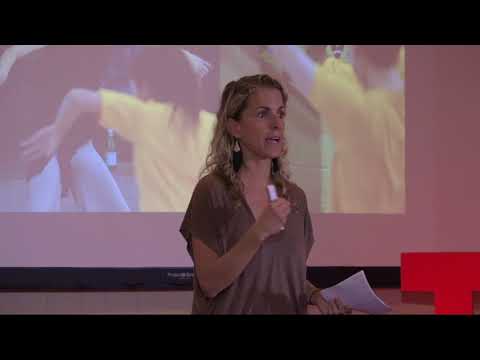
so I wouldn’t be standing here on this
stage with you right now if it weren’t
[Music]
so I wouldn’t be standing here if it
weren’t for Denise and her leadership as
a warden and how that has helped my
nonprofit grow and thrive an open
inspiring emotionally connected leader
is an essential ingredient when talking
about change in any system
so I Thank You Denise and I thank you
Scott and NC CW for all that you do so
dance to be free it’s changing the lives
of incarcerated women through the
healing power of Dance I wish I had a
better story for how it started but it
was a spontaneous conversation that just
came out of a random moment in time and
it’s the best idea I’ve ever had and
basically I had no idea how to run a
non-profit or where to start
I offered Lee called the captain at the
Denver women’s Correctional Facility
nervously said can I dance at your
prison and then three years later we are
now in six states
and ten prisons
[Applause]
so we are dancing inside of Colorado
Nebraska Arkansas Washington Hawaii and
Mississippi’s women’s prisons we trained
over 250 women as dance teachers with
our 12 hour teacher training program so
the women as you saw in that video
sustained the program when we’re gone so
during that 12 hours we help the women
let go of vanity competition judgment we
really support them in letting go and
being themselves which is a huge huge
relief so I want to talk about the
difference between inspiration versus
coercion what is the difference between
inspiring someone towards change or
shaming them or forcing chain-up change
upon them so without diminishing the
complexity the complexities of the
prison industrial complex I think we’ve
seen the ineffectiveness of force or
so we’re starting backwards we’re
looking at someone’s behavior instead of
asking the question what happened what
happened to that person especially at a
young age or even a nonverbal age when
our brains are so vulnerable to trauma
so given that 8 out of 10 women arrive
in prison having suffered previous
trauma we need to address the body the
body is where trauma lives and is where
it is healed so the reason that dancing
so specifically helps heal trauma is it
brings control back into the body so
when we’re traumatized or we’re violated
we’re no longer in control of our
physical experience and that’s
terrifying
and that helplessness can lead to
post-traumatic stress disorder unless
it’s released through the body so we’re
supporting our students to relax their
nervous system so they can even enjoy a
movement like that I mean look at these
women wide open so that’s what we’re
trying to help the nervous system soften
so you can even physically lean in to
change here are some words of wisdom
from Sara I just want people to see the
humanity behind these walls and a woman
in Pueblo sprin said I’ve gone from
eight medications down to one since
dance to be free and another woman said
I don’t need to do drugs anymore these
so why should you care why should you
and I care about this issue as director
Frakes said 93 percent of people are
going to be released from prison and
they’re going to be your neighbor
they’re going to be our neighbor do we
want them more traumatized or we do we
want them rehabilitated so when we were
in Hawaii for our training we were there
for the ballistic missile scare so for
38 minutes we thought there was a
missile headed towards the Hawaiian
Islands and I actually had the thought I
might die and dance to be free has been
so hugely impacting on my life that I
was actually a piece with a thought
because that that’s how much you all
have changed my life so the change is so
like to invite to meet Ria’s Gatson who
is just released from NC CW in December
and she said dance to be freed has
changed the culture of this institution
jogo make me cry y’all gonna make me cry
I never thought I’d come back into this
institution a visitor’s badge the
culture changed so much when I started
dancing because I was able to talk to
staff I was able to go out and be who I
really am I like to dance I like to be
free I like to mind my own business then
I started seeing people wanting to come
dance too when char brought in this
dance program I think it was one of the
best thing she could have done because
when you dance you open your body up to
so many vulnerabilities that you don’t
even realize that you’re smiling that
you’re crying
that’s your two-stepping you don’t know
what you’re doing but what I’m I tell
you what your body is doing your body is
releasing so many types of endorphins
and all these other hormones I learned
about it’s releasing all of them and
insulating in all these good toxins when
I came the NC CW I was going through
menopause angry and broke down I stayed
that way for about two years
dance to be free came and I went dance
one Saturday and I couldn’t let go I
continued I kept dancing I’m now at the
CC CL which is a Community Correctional
Center in Lincoln and I teach class
every Sunday at church I have 75 year
[Applause]
but I want to let you know that the
culture in this institution changed with
dance to be free because we let our
guard down like I said you let
everything go when you dance we let our
guard down and we decided to start
talking to the staff can I dance over
here I’m doing dance to be free can I go
over here I’m singing out loud because
I’m singing dance to be free and they
said ok then they started asking
questions well what is that what move is
that
so our culture shifted from don’t talk
to the staff to let me go talk to
Jackson let me go talk to Davis see if I
can dance so when you dance you open
yourself up I want y’all to stay open
all the time and that invites changes
your life always stay open open-hearted
open-minded I’ve learned that when I
came here and when anybody comes here
you always take a step back right but
when you dance I want you to know that
you’re gonna take a step back but
there’s a gallop to go along with it you
[Applause]
Miranda and Sara and sharp and Denise up
for a little dance and all of you
sitting you’re gonna just stand up and
we’re not gonna move our feet just our
arms as a the lovely David sings one day
you want this okay
[Music] or gathers
so no one negative geez I know
[Applause] [Music]
[Music] one day one day
Please follow and like us: