
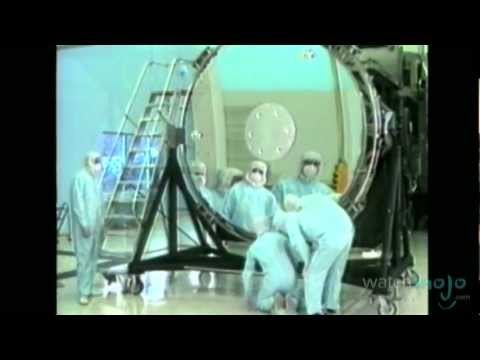
many of the technological advancements
of this US government agency have led to
inventions that we use on a daily basis
welcome to watchmojo.com and today we’re
taking a look at some consumer products
that originated as NASA discoveries
invisible or clear braces translucent
polycrystalline alumina or TPA was
originally created by NASA and Sarah
Dean to shield the antenna of missile
trackers however the Unitec company
discovered that this material strength
and translucence was ideal for creating
invisible braces this resulted in one of
the most successful orthodontic products
today scratch resistant glasses and
sunglasses NASA developed a protective
coating especially for helmet visors
that shielded astronauts from damages
and scratches during space exploration
sunglasses company Foster Grant soon
became aware of this and began using the
coating on their plastic lenses other
companies followed suit by coating the
lenses of regular glasses and it has
since become a popular addition to many
services including safety glasses watch
faces and computer screens enriched baby
food in the 1980s NASA tested microalgae
as a source of oxygen and for its
recycling potential marchek Biosciences
Corporation soon discovered that these
organisms contain rare fatty acids
essential for human growth known as DHA
and ara these acids were soon developed
into nutritional supplements and added
to baby food and infant formulas studies
have shown these supplements help the
growth of developing babies and appear
to be especially beneficial to those
born premature infrared ear thermometer
in the early 1990s the diet echo
operation used NASA’s technology for
measuring the temperature of the stars
to create infrared aural thermometers
using a sensor these thermometers
measured the energy given off in the ear
canal and made temperature taking that
much faster memory-foam NASA’s Ames
Research Center developed memory foam in
1966
also known as temperfoam this plastic
was initially invented to ameliorate the
safety of aircraft cushions due to its
special structure memory foam can match
the weight or pressure put against it
and spring back to its original form
mattresses made out of the temperature
sensitive material have been shown to
help people sleep and to prevent
bedsores for bedridden patients this
shock absorbent foam has also been used
to make helmets motorcycle seats and
prosthetic limbs cordless tools NASA
worked with the Black and Decker
corporation for the Apollo missions in
the 1960s to create a drill that would
extract rock and soil samples from deep
under the moon’s surface a special
computer program optimized the features
of the lunar drill which was
battery-powered and ran on a magnet
motor this development permitted Black
and Decker to build later technological
advances including cordless tools and
appliances like power drills shrub
trimmers and vacuum cleaners highway
safety grooving in the 1960s NASA’s
research center found that by carving
grooves into the concrete of their
runways they could make the wet and
slippery surfaces less dangerous for
aircraft safety grooving was then
applied to highways and roads to reduce
skidding and extra water and can also be
found in swimming pools animal pens and
parking lots adjustable smoke detectors
working with the Honeywell corporation
NASA invented an adjustable smoke
detector for the first american space
station Skylab because it had different
levels of sensitivity the smoke detector
was able to decrease the occurrence of
false alarms the model was later used to
make consumer smoke detectors and help
save thousands of lives
of this US government agency have led to
inventions that we use on a daily basis
welcome to watchmojo.com and today we’re
taking a look at some consumer products
that originated as NASA discoveries
invisible or clear braces translucent
polycrystalline alumina or TPA was
originally created by NASA and Sarah
Dean to shield the antenna of missile
trackers however the Unitec company
discovered that this material strength
and translucence was ideal for creating
invisible braces this resulted in one of
the most successful orthodontic products
today scratch resistant glasses and
sunglasses NASA developed a protective
coating especially for helmet visors
that shielded astronauts from damages
and scratches during space exploration
sunglasses company Foster Grant soon
became aware of this and began using the
coating on their plastic lenses other
companies followed suit by coating the
lenses of regular glasses and it has
since become a popular addition to many
services including safety glasses watch
faces and computer screens enriched baby
food in the 1980s NASA tested microalgae
as a source of oxygen and for its
recycling potential marchek Biosciences
Corporation soon discovered that these
organisms contain rare fatty acids
essential for human growth known as DHA
and ara these acids were soon developed
into nutritional supplements and added
to baby food and infant formulas studies
have shown these supplements help the
growth of developing babies and appear
to be especially beneficial to those
born premature infrared ear thermometer
in the early 1990s the diet echo
operation used NASA’s technology for
measuring the temperature of the stars
to create infrared aural thermometers
using a sensor these thermometers
measured the energy given off in the ear
canal and made temperature taking that
much faster memory-foam NASA’s Ames
Research Center developed memory foam in
1966
also known as temperfoam this plastic
was initially invented to ameliorate the
safety of aircraft cushions due to its
special structure memory foam can match
the weight or pressure put against it
and spring back to its original form
mattresses made out of the temperature
sensitive material have been shown to
help people sleep and to prevent
bedsores for bedridden patients this
shock absorbent foam has also been used
to make helmets motorcycle seats and
prosthetic limbs cordless tools NASA
worked with the Black and Decker
corporation for the Apollo missions in
the 1960s to create a drill that would
extract rock and soil samples from deep
under the moon’s surface a special
computer program optimized the features
of the lunar drill which was
battery-powered and ran on a magnet
motor this development permitted Black
and Decker to build later technological
advances including cordless tools and
appliances like power drills shrub
trimmers and vacuum cleaners highway
safety grooving in the 1960s NASA’s
research center found that by carving
grooves into the concrete of their
runways they could make the wet and
slippery surfaces less dangerous for
aircraft safety grooving was then
applied to highways and roads to reduce
skidding and extra water and can also be
found in swimming pools animal pens and
parking lots adjustable smoke detectors
working with the Honeywell corporation
NASA invented an adjustable smoke
detector for the first american space
station Skylab because it had different
levels of sensitivity the smoke detector
was able to decrease the occurrence of
false alarms the model was later used to
make consumer smoke detectors and help
save thousands of lives
Please follow and like us: