
everyone
technology technology technology we hear
a lot about it and technology is
everywhere it’s around our entire lives
we use technology to get to work we use
technology at work we use technology to
come onto campus we use technology
throughout all of our teaching and
learning we do here at the University we
can even nowadays use technology in our
home not just TVs and computers but
small little boxes which we can talk to
and we can ask this little box to put on
our favorite playlists to organize our
there’s a word for this sort of
dependence on technology it’s called a
prosthetic everyone in this room
practically everyone will have a
smartphone I can see someone using
theirs right now heavily dependent on
using it who checked it two minutes
before they came in who was dying to
look at their smartphone right now to
see if there’s a tweet an email a
message and those of you who do give in
and actually look at that message who
can then resist the temptation to not
reply technology is everywhere
technology surrounds us and this mixing
this combining of us humans with
technology has a word as well
they’re called cyborgs they’re mixtures
of Technology and human that’s a
personal interaction personal
interaction between yourself and your
smartphone you don’t have to engage in
downloading out
you don’t have to engage in even having
a smartphone at all but actually what we
do now is we create these robots and
these robots can teach our children so
much so that we can actually design
these robots to look like humans and
these human looking robots teach our
you look at the research and the
children actually have these emotional
attachments to these robot teachers do
we want this do we want our lives to be
dictated by technology to take over what
we do who we are now we have a choice we
don’t have to engage in this well we can
and that’s fine with free citizens in a
free society it’s our choice but
technology is everywhere I got a book
for Christmas to save everything click
here by Evgeny Morozov and he develops
the idea of solution ISM the idea that
for all of our problems for all of our
problems there is a technological
solution however big those problems
however small those problems we use
technology to solve them and that’s
really interesting because there’s a
desire for always to be technology do we
want it always to be technology in his
book he uses an example of augmented
reality and we’ve seen some fantastic
uses of augmented reality in the video
just gone and he uses an example of
augmented reality in Japan and in Japan
you can buy this system if you choose to
your choice if you choose to you can set
up an array of cameras in your kitchen
if you want to learn how to fill it a
fish to carve a chicken and you don’t
know how to do it you can mount your
headset you can have this array of
cameras in front of you you can
specifically position the chicken the
fish whatever on your chopping board and
it will tell you exactly precisely in
detail how to fill it that fish how to
carve the chicken but what it will do it
is will tell you one way how to do it
it’ll give you one example an example a
method that a group of people or one
person thought was the best way to do
that task do we want that do we want to
rely on this app this technological
solution to solve this problem or do we
want to learn to discover ourselves how
to do it this story resonated really
strongly with me as a child 10 11 12
years old I grew up maybe 100 meters
from the beach my parents house still is
about 100 meters from the beach and most
Saturday afternoons Sunday afternoons I
go fishing with my dad and on the odd
occasion we’d sit there on the stones
we’d catch something the sea bass Accord
baps it was big enough we’d bring it
home would tell mom and she’d cook it
for us but before that what would we do
this is a true story
we’d have to fill it the fish no I
didn’t then have some augmented reality
headset I could put on to show me how to
do it I relied on my dad to show me my
dad taught me how to do it and I was it
the most seamless frictionless perfect
streamlined efficient way to do it No
but my dad taught me how to do it he
taught me how to remove the dorsal fin
how to move the head how to run the
knife underneath the filler against the
spine to remove it and that way
retaining that little bit of grit in the
system where you make a slight mistake
and you can change you can adapt you can
learn you can develop you can innovate
is having the freedom to be able to do
it yourself but as I said it’s a free
society some of you may go wow the idea
of wearing this headset I’m never going
to be able to do something like this you
show me how to do it fantastic others
may not free society you can choose so
the age of tomorrow the title of this
event po technology technological
innovations are expanding the potential
for education and society as a whole as
I was introduced
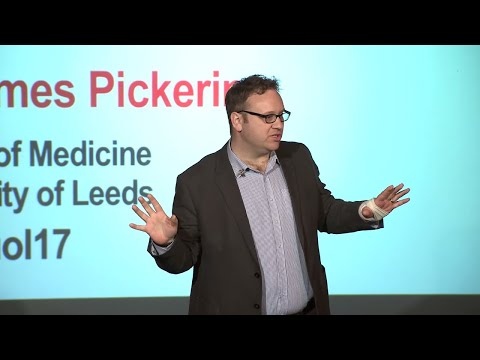
I teach anatomy I teach anatomy to
medical students at the School of
Medicine down at the bottom of campus I
can see quite a few of you here I teach
anatomy
what’s anatomy got to do with technology
isn’t that just dead bodies cadavers
formalin scalpels things you hear off in
horror movies in the dissection lab yes
it is that but if you look the
anatomical education as a discipline how
Anatomy is actually taught the education
of teaching anatomy you will see that is
podcasts ebooks audio response systems
YouTube they’re old if you’re an
anatomist if you’re an anatomist
integrating technology you are using the
cutting
technology you are using 3d TV Google
glass snapchat you are using virtual
reality you are using augmented reality
you are using innovative hardware
solutions and that to me is at the
forefront of using technology to support
students to support students in learning
to help them fulfill their potential but
there’s always a bug if you look at the
literature if you actually look at the
literature of using technology within
education it is still pretty scarce
actual literature that shows meaningful
learning gains meaningful enhancement
actual measurable impact that doing this
has had real outcomes is still lacking
and I don’t believe that’s good enough
when you talk to educators some of them
not all of them as we’ve seen today not
all of them but when you talk to some of
them and you say why on earth why are
you using technology for this and they
tend to come back and say something on
the lines of well you know it’s it’s the
solution we thought was best it’s it’s
always you know it’s important that you
don’t just use technology for
technology’s sake it always has to be
appropriate okay so what’s your
follow-up evaluation yeah and beyond the
happy sheets at the end of the module to
say I enjoyed it great I like chocolate
cake it’s not good for me just because
students enjoy something doesn’t mean
so then you say okay so what really are
you what’s your evaluation strategy how
you measuring impact of using this
technology in your education and they
may come back with things like well it’s
good because we can use technology and
technology caters to very students
different learning styles and I don’t
know if anyone buys a newspaper anymore
but if you bought the Guardian last week
you would have seen a letter by leading
educators trying to dispel the myth of
learning styles I’m sorry if you think
you’re a visual learner if you think
you’re an auditory learner well good for
you but actually there is no evidence a
minimal amount of evidence to suggest
that we should use resources designed to
match students learning styles we know
how to design technology we know how to
design technology to support student
education and it’s not based on learning
styles the reason I say and someone from
the audience will probably go yes we
know learning styles don’t exist okay
move on the problem is only last week in
an educational technology journal you
know what US academics want to publish
in there are papers that link design of
technology to students learning styles
I’m sorry it’s wrong learning styles are
not a thing
it’s false or what’s the word we use
nowadays fake the second thing is that
of using learning styles augment they’ll
go oh well we’ve got all these now
millennial students they’re digital
again there is no empirical evidence
sorry this is my scientific background
in wanting evidence to justify things
sorry there is no empirical evidence to
support these things called digital
natives apparently their students
because they were grown up because they
grew up sorry
surrounded by Facebook and signed by
YouTube they inherently need some that
need to have technology put into their
education because well they’re good with
that sort of stuff no they’re not you’ll
be surprised in how many emails I get
that say they dr. Pickering I don’t
especially if you tell me how to import
a picture into word digital native I’m
sorry it just doesn’t exist there’s no
evidence to support it if it did exist
if it was a thing then hundred odd years
ago we used to send children up
tinleigh’s to clean them with brushes
nowadays you’re surrounded by Facebook
and YouTube they were surrounded by
certain brick we don’t use certain brick
to help teach you it’s ridiculous so
education it needs to be thought of like
you’re doing a science experiment in my
opinion we want to have data we want to
have patterns of research which
justifies why we are using this
technology
I teach anatomy at the bottom of campus
like I said and my main primary focus is
not to integrate technology into my
trick ulam just because Google or
Microsoft or Apple have made a new piece
of kit doesn’t mean I have to
shamelessly just pop it into my
curriculum I’m sorry no that’s not what
I’m here for
believe it or not students learnt
teachers taught before iPads were here
we don’t have to just use
technology now technology can be
incredibly powerful but it needs to be
done for the right reasons
when I look at my curriculum when I look
at their anatomy curriculum I’m
responsible for what am i doing I’m
looking for problems I’m looking for
weaknesses I’m looking for areas of
improvement and I’m trying to find what
is the most appropriate solution for
that problem not how can I fit
technology into my curriculum because it
looks good
my interest is supporting students to
fulfill their potential and we need to
increase the amount of meaningful
research that we do to enable us to make
these informed decisions and I don’t
think we’re doing enough I think we need
to do more and more and then we need to
share it and then we need to drive out
these myths these ideas which are still
present in the literature today and why
is that why is that let’s go back to the
beginning when I spoke about choice
there’s lots of technology out there the
public are engaged in all sorts of
technology but they have a choice with
more and more technology coming into our
universities with the transition from
traditional to technology occurring as
we speak in front of our eyes
actually the choice that you students
have is becoming smaller so we need to
make sure
that the technological resources we have
are effective are efficient and they
support genuine impact they genuinely
enhance your learning opportunities they
genuinely enhance and support your
ability to go where you want to go we
are here as academics in a university to
support your education and we need to do
that with the full amounts of
information at our hands so we can make
these meaningful decisions of how we
introduce technology after all there was
a famous technology historian Melvin
Krantz Berg who said technology is neither good nor bad nor was it neutral