
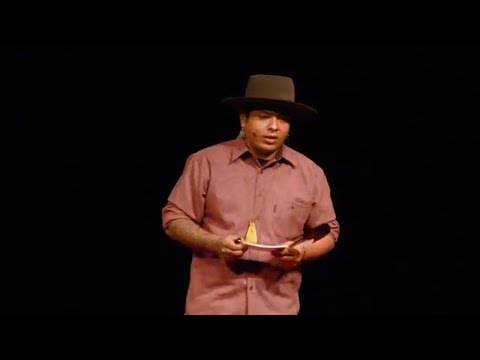
wow this is beautiful
thank you for being here and I want to
start by acknowledging all of you as my
relatives because that’s how I will
start with my elders and that’s how they
were taught by their elders
so as my relatives I would like to also
invite you to acknowledge the original
people of this land which is a Lakota
people I’m a guest here and I’m very
honored to be in their territory
I would also I’d like to acknowledge
this bottle of water really well yeah I
do but not a bottle of water but what’s
inside the water which is water the mini
which Oni which is a source of all life
and without it I wouldn’t be here and
none of us will be here either so
relatives I would like to invite you to
go on this dream with me and for that
it’s gonna be really awesome because
you’re all gonna close your eyes I’m not
gonna poke you I promise
so close your eyes and just go with me
in this journey take a few deep breaths
with me and let go one more time
beautiful this dream takes place at
Standing Rock in North Dakota near the
confluence of the Missouri River in the
cannibal River I’m camping with
thousands of people and next to me is my
beautiful partner Dorothy and our son –
naughty which is seven months old we
just drove from Los Angeles for 1,400
miles and we made it to Standing Rock
we’re standing next to the sacred fire
of the camp and suddenly an antique
comes up to me and says nephew here’s
this bundle of tobacco go offer it to
them their story is really important I
grabbed a bundle of tobacco and I walk
over to this man who seemed to be the
leader of the group and I asked him if I
can please take the photograph of the
people dancing afterwards he says thank
you thank you for asking and yes you may
take the photograph
so now open your eyes I’m gonna show you
what the dream looked like that day for
me this is my beautiful partner Dolce
and her son
kiki his name means the one that brings
the light which now after going through
this journey a standing rock I
understand more and more this is the
camp right when I got there it was
beautiful just looking at it brings me
really good memories and this is the
photograph that I took of the Hopi
dancers that I offered the tobacco to
she’s looking at it makes me so happy
because I was the only photographer that
was allowed to take that photograph so
the truth is that this dream never ended
in to a certain degree he never really
started it was something modern and
ancestral I dream so abstract that it
became real and the amazing part was
that I was able to document it from an
indigenous perspective the last year
Standing Rock became the epicenter of a
modern indigenous rights movement in the
United States for almost a year hundreds
of tribal nations and allies unified in
a historic gathering into a post at the
core access pipeline and to protect the
waters of the Missouri River for
potential oil contamination for the most
part mainstream media parachuting into
the story but fortunately there was a
core group of indigenous photographers
filmmakers and citizen journalists that
took the initiative to properly document
we were telling our own story and we
were in charge of our narrative and that
was powerful so beautiful photos rain
statistics show the indigenous people
were underrepresented in the media I
just came back from New York from this
beautiful fellowship with the Magnum
foundation and I went to the
headquarters of Time magazine I mean
with the editor and I asked him how many
how many Native Americans are hiring
their staff and he said Sara
and then I went to the New York Times
and they say Sierra
and I realize the who selling her story
and harder telling it because that’s
really important that’s how we create a
reality of our people that’s how we
perceive people this is a cool guy from
Fox News that was taking a video of me
in North Dakota who didn’t like me much
and this needs no caption Standing Rock
was about the narrative and who
controlled the narrative so when I
documented I committed to the story now
because it was an opportunity to get
assignments from major publications but
because it was the right thing to do
I didn’t come into the camp for a
weekend and then leave I sacrificed my
time with my family my health my safety
and my spiritual balance because I’m a
human before I’m a journalist the
movement transcended from the opposition
from to the kuratas pipeline and it
became an opportunity for indigenous
people to reclaim our identity and to
really enter that mainstream
consciousness in a different way much
more different than what we have in
perceived before from photograph like
edward earths curtis and other people
standing rock was personal to us so we
invest ourselves fully day in and day
out I ended up spending over six months
there and it was completely worth it my
images presented a side of the story
often overlooked and misunderstood by
the non-native photojournalist these
photos honored and celebrated the
resilience of the water protectors and
focused on the prayer instead of the
controversy they depict the less of the
conflict with the police and more of the
historical power of the movement I
believe images need to go beyond a
simple like on Facebook or a quick read
on a news website they need to have
spirit so they can advance social
justice and be a tool for change as
indigenous people when we document or at
least when I document as an individual
we understand protocol in ceremony and
Standing Rock was a huge ceremony
and I think a lot of people didn’t
understand that so we built trust and
don’t overstep we ask for permission to
photograph respect the sacred sites the
sacred items in the sacred songs and we
even put down our cameras or at least I
put my camera I’ve done a lot of times
in order to participate in the ceremony
I believe that we approach a photography
in a unique engineering way and that
allows us to really see the spirit of it
we are taught to be non extractive a
little what I was taught by my Lakota
elder and that means that we’re not just
taking photographs we’re creating the
images with their subjects we knew not
to photograph children which was huge
which a lot of photo journalists didn’t
understand why the sacred fire or people
riding horses with feathers just because
they look native and it’ll be completely
transparent with you and acknowledge the
fact that I am now Lakota and we’re not
sighted – I’m a chica but I had to learn
their ways in order to photograph these
people and properly give them respect in
a way that they deserve there was a huge
lesson for me but following their ways I
was granted access to places and
ceremonies no other photographer had
access to and I’m extremely grateful for
that actually this image right here was
really powerful because we went to pray
right whether it was just me and a group
of elders and we went to pray by the
drill pad in between the river and the
drill pad in a federal land and they
requested I always requested the federal
government to go pray there and they
only allow me to come and I feel really
grateful to have these images with me we
as indigenous people come from cultures
that have been using storytelling to
pass down traditions and creation
stories since time immemorial by telling
our own story we’re reclaiming our
identity and healing our historical
trauma I am hopeful that we can use
these modern tools to preserve our
stories and share with the future
generations
I realize that throughout this process
I’ve been just wanting to help the youth
and the people in the reservations and
I’ve been to many reservations before
and I still don’t understand it but when
I saw this kids up here I realized that
those are the kids that I want to help
so this young lady right here this
beautiful young lady her name is Takata
Aaron and she’s from Standing Rock she’s
a young la corte leader and an amazing
human I actually met her when I was
taking some video and winded I’ve just
developing a really good relationship so
when I was there I decided you know what
can I do to help these kids tell their
story so I bought this possible cameras
and I gave them to them only one came
back actually which was first I was like
you’re so funny I was like I’m gonna go
into this and 20 and then one of them
came back but that was all I needed and
I didn’t know why I had to use that
until until I had to do this this talk
so so this was you capture I give her
this photo camera and to me I mean I
have a photographer you know I take care
of my photographs and I’m just like this
is an amazing image like she capture
something so unique and so real that I
couldn’t teach her that because this is
her people this is her relatives you
know this is in a way her story so she
was just capturing what she saw I give
him some assignments and it was a
learning experience for me to know how
to connect with young people because I
wish I had that when I was a young
person myself so we’re in this point
where we can do a lot I personally think
that we’ll have medicine and we all
carry a special gift from creator they
were supposed to do in this world and
especially for the young people so like
we started with this dream that I told
you about and I hope this dream
continues not just with me what hope
really touches your heart we’re talking
about connection here about maitake
aureus and about the fact that you’re my
relatives too so I hoped it goes beyond
just today and when you look at a young
person from any color or any place
you encourage them to to dream and this
is my dream my dream is that indigenous
people especially indigenous youth will
learn about the power of the camera as a
tool for resistance as a tool for
healing and most importantly as a tool
for hope for all my relations and for
the next seven generations we are
standing strong thank you
[Applause]
Please follow and like us: