
[Music]
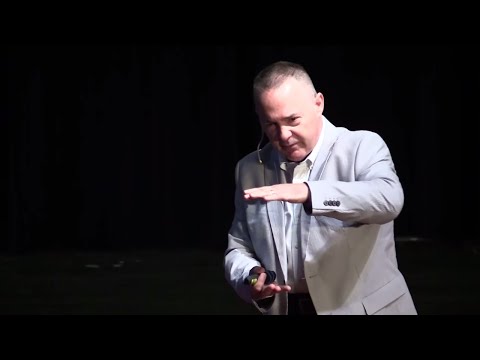
so good morning my name is Kemp
and I’m an American soldier if you look
on this slide that patch represents the
last unit I commanded in combat over my
years I have collected what I call a lot
of leadership acorns and so my intent
today is to share some of those with you
you can take them place them in your
pocket and save them for a rainy day or
discard them whatever works best for you
but the focus today as you can see on
the slide is what I refer to as trust
based leadership and what brought me or
drove me towards this concept as many
years ago it seems like anyway I spent
some time at the Army War College going
to school and while there I was
introduced by a gentleman named
Lieutenant General retired Walt
Almer to a paper he wrote in the late
70s directed by the chief of staff army
and was on the culture of the army wrote
the paper him and two more students they
briefed to the chief of staff army and
he said we’re not going to publish that
a week later in the same course you read
a paper that was published in the late
1990s when you look at these two
products one was done an old member
graph paper spun on a drum most of you
have no idea what that is but us
old-timers do and the other one was on
slick glossy paper but it was write like
reading the very same products if they’d
been printed the same you’d have thought
you’re reading the same information 20
years later but what it talked about was
that junior soldiers didn’t think
seniors trusted them micromanagement
zero defect mentality risk aversion and
when I presented this to my seminar
mates I mean the hackles went up on
their neck you could see the insult on
their face
because I we trust our soldiers like I
said don’t be mad at me I didn’t write
the reports I’m just presenting the data
but me too I trusted my soldiers but I
began to think about this topic
did I really convey or build a
philosophy that helped ensure those
soldiers knew that I trusted them to do
their work it’s a great writer by the
name of Franklin ciona he did a book
called the five dysfunctions of the team
and he talks about this pyramid at the
base at an organization you have
foundation is trust built through open
candid frank dialogue but in its
simplest form if you think about people
that have been married long term not out
of convenience but because they have
made a decision to do that you can give
a whole list of reasons why your spouse
is a wonderful person but the reality is
if you get down to the very central core
it’s trust
look gone three years out of ten for
deployed I never worried about whether
the kids were taken care of
the dogs are fed the house wasn’t burned
down whether my wife would be home after
12 months because of that central core
called trust if you’ve ever been in a
relationship for that Trust has been
violated then you know full well how
that feels and how to get back across
that line as a near impossibility
so when I think about philosophy for
years people say what’s your philosophy
what’s your leadership philosophy every
time go to command position and it was a
struggle and I thought it shouldn’t be a
struggle and it’s not anymore because
what I’m going to share with you today
is about a half a dozen slides with a
word or a few words and you will see
that I’m very comfortable discussing
what I think is my philosophy that
builds trust within an organization so
the first thing I’ll talk about is
values in the Army we had this great set
of values loyalty Duty respect selfless
service honor integrity personal courage
those are called organizational values
if you’ve been with the team lots of
teams have team values what I’m
referring to or your personal values
those that belong to you and the way you
know they’re personal is because when
somebody rubs against them it’s not in
concert with the way you think it
creates a reaction in you an emotional
reaction sometimes a physical reaction
mine our responsibility integrity and
some consider my third one a little odd
politeness but I figured out over time
when somebody doesn’t seek and accept
responsibility it creates a a reaction
in me both physically and mentally when
people choose to step off that line
called integrity it creates a reaction
in me when people are impolite mean
hateful ugly to people it does the same
thing I have to put myself in check so
that I don’t say something that I’m
gonna regret later but that’s how you
make the determination whether it’s
really a personal value or not and in my
experience most people you can hold on
about three or four of those these other
values are very important to the
organization but if I took that list
when somebody violates one of those or
does something contrary it doesn’t
necessarily create a reaction in me
that’s the core decision making model
couple writers many years ago norman
vincent peale and ken blanchard teamed
up to write what they call the power of
ethical management they realized that
and you should realize as a leader at
some point in time you have to make a
decision to either turn left or right
and sometimes people struggle with that
and in my mind the way you help better
manage that is by having an ethical
decision-making model
now the Peale book is wonderful but if
you haven’t figured out I’ve been raised
on a Alabama public education and I
struggle with these hard books and so I
have a very simple model called the Bell
the book and the candle pretty
straightforward the bells and that
little voice is going off in your head
and says you know you probably shouldn’t
do that in my experience then you
probably shouldn’t do it and I’m sure
nobody’s ever had that little voice that
said don’t jump and you jump in you it
probably shouldn’t have done that and so
that voices in your head tells you it’s
not a good idea you probably shouldn’t
do it the book in the military we make
it easy because we tell you how to do
everything it’s all black and white it’s
all printed not so much in the private
sector but principally what that means
if it’s written in law rule regulation
guidance you probably shouldn’t do it if
it’s not appropriate according some
published product and the last ones a
candle and that is with under the bright
lights of day with your parents standing
behind you your children at your feet
the camera is rolling
can you explain your actions and if you
can’t do that then you probably
shouldn’t do it and the last thing I
would share with you if you have a
battle buddy a friend somebody you’re
closer than the military we call it a
commander at a command sergeant major if
you’re having to have a deep long
discussion about whether you should turn
left or turn right in my experience you
probably shouldn’t do it there’s a term
for it it’s called rationalization
you’re trying to determine why it’s okay
to go ahead and go left
vice right and one of you should look at
the other one and say look we’re
spending way too much time talking about
this maybe we shouldn’t do it primary
purpose of leaders if I ask the audience
I get lots of great answers and they
would be great answers I would share
with you of what world according to Kemp
is I think the primary purpose of the
leader is simply to serve others it’s
what we get paid to do you know if you
draw the triangle of an organization
you’ll put the CEO the senior vice
presidents vice presidents etc Police
Department Chief of Police down a
patrolman military commander down to
private I would submit to you I think
that pyramid is inverted and I think the
most senior people sit at the bottom of
that point because our job is simply to
serve those that are in the organization
we have a vested interest in it look the
concept is simple if I take care of you
and you’re all my team
if you’re successful that I’m successful
it’s not difficult people’s tend to
struggle with it but it is really not
that difficult and here’s what I found
as a commander you move to a new job for
the first 30 60 90 days particularly
you’re deployed people go how you do it
how you holding up
are you making it and I think to myself
Lauren I had coffee this morning I read
a little email and I went to a briefing
and oh we ate lunch dill opt and oh man
or rough day I barely made it now look I
don’t mean to make light of what senior
leaders do particularly while four were
deployed it’s a heavy responsibility but
in my experience if you serve those that
are on the team they tend to take care
of the hard work that needs to be done
so I’d encourage you to consider that
deposits or withdrawals I don’t know if
we have any Stephen Covey fans out there
but he wrote a great book many years ago
called the seven Habits of Highly
Effective People and again I mentioned
Alabama public education if you’ve read
the book god bless you because I
couldn’t get through it but the great
thing at that point time we had a thing
I’ll call the cassette tape for you
young people out there it’s a little
plastic thing about this big a little
wheel little tape inside and you shove
it in a device and it plays music or it
speaks words and this was words from
Stephen Covey and my spouse can attest
to I probably went through a half a
dozen of those tapes but the 110 and I
took from him that help support this
concept of building trust in an
organization was making deposits and
people’s emotional bank accounts now
that’s a mouthful so I’ll kind of share
with you the way I wrap my arms around
it in my early life is for a long time
as a cop single no kids 2:00 in the
morning you arrest junior for drinking
alcohol you bring him to jail you got a
call
damn mom and dad are not happy they show
up by 4:00 they’re upset because by then
juniors passed out sleeping he’s cool
but I mean parents are livid but when
they walk to the car it’s like this and
I’m like how does that happen
what’s because jr. has spent the last 15
years making deposits of mom and dad’s
emotional bank account if you have
children you know I’m talking about my
youngest is sitting here in the crowd
today and now there’s a parent you say
or do something you probably shouldn’t
do and you know as soon as it left your
mouth you can’t take it back and there’s
a parent so you fret til about it till
4:00 in the morning how am I gonna make
it right well the Sun comes up well as
you know they don’t get up to ten or
twelve but when they wake up they come
strolling in and it comes up and if you
met her I’m kind of a little fella she’s
a tall person she puts her hands on my
hip and she kisses me on the top of the
head and we do a little hug and it’s
like it’s all good dad so if you think
about that that’s because dad and mom
have made deposits and their children’s
bank account for X number of years
don’t misunderstand me and some people
have been there people that make too
many withdrawals they get overdrawn just
like the bank and when they do getting
back to zero is really hard to do the
other what I call caveat to this concept
is if you’re doing it so you can make
withdrawals or so you can get something
people see straight through that if
you’re not making those deposits with
absolute sincerity they know it but
here’s what I’d ask you to ask yourself
this morning you got up did you make
deposits or withdrawals when you left
work on Friday yesterday if you look at
your work day did you make deposits or
withdrawals and it’s not that hard it’s
a simple hey good morning how are you
doing how’s your family well how about
this watch this y’all haven’t met Josh
he’s in the back
Joshu Willis yeah that’s Josh so watch
this hey Josh
have we told you how much we appreciate
everything you’ve done to make this a
success as weekend who is that five
seconds out of my day and you may not
know it but Josh was here when we got
here yesterday and here when we left
last night and this morning
my guess is was the first one here if
not is pretty close and so we really
appreciate that greatly I don’t know
whether that’s like three more seconds
out of my day
whoo I mean that was rough I mean that
was rough and look there’s nothing Josh
will ever do for me again but that’s a
teeny tiny deposit that somebody’s taken
a moment to make in his emotional bank
account so I encourage you when you go
to bed tonight think tomorrow am I gonna
make deposits or am I going to make
withdrawals and make a decision on what
you want to do last thing I’ll share
with us if you are put in a leadership
position
it’s a privilege they could have picked
anybody else to do it
anybody else somebody made the decision
that you could lead people in an
organization that’s an absolute
privilege my challenge to you is build
your leadership philosophy build it in
such a way that your tenants do things
to stimulate trust in your organization
and if not then maybe it’s not a tenant
you want to hold on to and build it in
such a way that with a half-a-dozen
slides you can talk about it freely not
a bunch of no you don’t have to write a
bunch of lines you have to write three
paragraphs just be able to have the
conversation my name is Kemp and I’m
privileged I mean truly privileged to
serve thank you
[Applause]
Please follow and like us: