
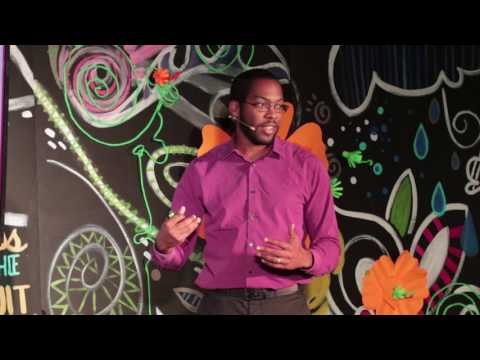
my name is Richard George’s I’m a writer
and an educator so please forgive me if
at times this talk becomes a little bit
academic so I think I will begin by
first talking about what I mean by
culture so the talk is developing
cultural and creative industries and we
have to understand that there’s a lot of
overlap in those two streams and we need
to start thinking about them in ways
that are dramatically different how we
have been thinking about them in the
past so it helps to start with some sort
of working definition and I’ll
acknowledge that there are many many
competing definitions for culture and
what culture is and what is not so just
forgive me and we will just take this
first definition I’m gonna run with it
is that fine okay so culture generally
refers to the ideas customs and social
behaviors of a particular people or
society all right I think that does all
we needed to do for today’s purposes but
what’s more important than what culture
is for us I think in the BVI in
particular at the moment we’re in in
Omaha in our history is what culture is
not and there’s a Pakistani cultural
critic right name of I a Raymond and he
says culture is what people practice not
what they believe all right
so we need to start differentiating when
we talk about culture the rules of
history religion etc when we start
talking about a culture of a place okay
so once we can start with that platform
then we can move on to the next step you
guys with me so far all right so we
accepting this for the today’s
argument’s sake the next point now
there’s some elements of culture that
need to be considered when we start
thinking about coach in a different way
so first off what sorts of behaviors do
we as a cultural group expect in
relationships okay so what this means is
that the source of behaviors that you
tolerate accept and reject right are not
something that that is uh inherently
known within you something that you’re
taught by the culture that you grow up
in okay
so certain types of behaviors in
romantic relationships collegial
relationships working relationships are
acceptable and certain others are
rejected based on the culture that you
are in I think we can accept that as
being true second what are our attitudes
to education and all sorts of education
I could think of an age-old conversation
between common sense and book sense and
that speaks to the kinds of attitudes
that we have towards education sometimes
the kinds of distrust that we have
towards certain types of education
you know sometimes I’d occasionally be
seen as as becoming elitist and
therefore it becomes rejected okay
second what sorts of attitudes to we
have towards gender and gender rules all
right so certain societies have certain
expectations of gender alright and what
rules that gender is expected to play in
that society and when someone steps
outside of the box
pardon the pun all right Society reacts
in various ways people aren’t really
sure how to react and not really sure
how they feel about for example a woman
driving a forklift right and so on and
so forth now next what sort of
collective activities do we engage in in
what manner in what form and when do we
congregate when do we come together as a
community and what sorts of events are
those now you could think of things like
funerals and weddings etc but for all
purposes I don’t think about things like
August Festival right events that draw
out the entire community and all its
subsections and we engage with each
other in different manners and that
speaks more to our culture than you know
events that mark passages of life and
and maturation and adolescence and then
ultimately death okay and then where we
intersect with creativity from culture
what are our attitudes towards the arts
how do we think about the arts how do we
engage them and what utility do we see
in them okay so I will save some of that
conversation for later on in the
presentation but these are the elements
that we need to consider when we are
thinking about culture especially at the
governmental level when you start
thinking about cultural policy and the
like and how it affects the day-to-day
life of our citizens so second part of
the presentation how is culture
connected to the arts so let’s examine
the intersection if you will first off
there are five cultural industries okay
and it might look familiar
music all right probably the most
successful the most lucrative cultural
export of the Caribbean is music all
right you can’t go anywhere in the world
without finding someone who knows about
or loves Bob Marley’s music for example
right you could think of reggae music
you could think of dancehall music so
Calypso Kai so etc the list goes on
alright so one of the most influential
cultural exports of the Caribbean has
been for a long time music publishing
literary literary arts literature novels
poems which is my you know wheelhouse
and so forth and the Caribbean also has
a very long history of developing great
writers right now ironically what makes
it different with the first cultural
industry is a lot of the music that is
exported in the cap from the Caribbean
is made in the Caribbean all right you
can think of your machel montano
you can think of your popcorns etc right
artists who make their art within the
Caribbean and it goes global okay
unfortunately in publishing that has not
been the case all right quite often the
exception of the you know the great
writer who just died two weeks ago derek
walcott
he’s one of the few carbon writers who
spent most of their lives in the
Caribbean most of the time carbon
writers had to leave they had to go to
the Metropole the colonial you know
capital they had equal to London they
had to go to New York they had to go to
the Paris etc alright so it’s always
been a sort of industry of exile if you
will okay so while we have great success
in publishing and exporting a cultural
industry
you know there’s a bit of a complicating
aspect to it and that we have had to
leave in order for our work to be to
grow past our borders the third cultural
industry is radio and television and we
can look at each Caribbean country it’s
Caribbean island and how its developed
both a very vibrant radio culture how
many of you listen to the radio good
morning we all in iTunes okay
and also our television local television
stations with local programming all
right so those are two things that have
been you know you can map this from from
Guyana all the way up to the Bahamas how
those two things are a vibrant industry
in their own right
locally okay not so much exported film
or cinema now we start getting into the
realm of industry where there has not
been a whole lot of investment now we’re
starting to not do as well as we do at
the top of the list so you can see we’re
kind of on a little downward curve in
terms of rate of exportation now this is
starting to change right with film
festivals in Cuba Puerto Rico Trinidad
Jamaica cetera is starting to change but
we are still some ways off from music
all right of course the film industry is
still dominated by by Hollywood despite
the great advances of Bollywood and
Hollywood
India and Nigeria in particular we have
great big burgeoning film industries and
of course Cantonese film as well lastly
the newest cultural industry is video
games and we don’t even have a blip on
the on the chart yet but that is one of
the great new avenues for narratives for
storytelling is video games alright and
quite frankly of the developed world
United States and Western Europe streets
ahead of everyone at this time Japan
okay so these are five cultural
industries and you’ll start to see a
pattern or relationship evolving as we
continue with the three creative
industries okay
these are design architecture and
advertising okay you can see how they
facilitate the growth of the five
cultural industries so design including
things like graphic design I think up he
is in here somewhere
I create graphic artists over there
right but design also includes fashion
designer we can see little cottage
industries in the BVI where fashion
design is beginning to develop you have
roughly and we have BVI and so on right
architecture all right I think is an
architect in here as well
somewhere there we are so architects of
course are a little bit different in the
sense that their design is seen as much
more functional much more utilitarian it
was driven by market needs right
especially in a developing country
architects are integral to the physical
development at that place okay but they
also have an artistic side to them
advertising any marketers in here
Khalifa’s in here there you go alright
so advertising is the other industry
that facilitates these things and of
course an advertiser needs someone who
is uh sometimes can make a jingle right
someone who can write write the interact
with radio and television right
sometimes they are involved in making
films for their for their own television
commercials etc we don’t see yet a whole
lot of crossover between advertising and
video games in the Caribbean or anything
else for the matter but you can you can
imagine the possibilities for the future
and why when I get to the last part of
the conversation why we might need to
start investing in some of these
cultural industry is a bit more
aggressively
lastly the to cultural quarters and
these are the real entry point for the
public sector and governments alright
they are the visual arts and the
Performing Arts alright so the
responsibility here then is for
governments to invest in education and
in training to train people individual
arts right and Performing Arts so then
you can then establish and develop these
eight industries because without
this core this educational core there’s
no way that these eight industries can
thrive so why don’t we invest more in
cultural and creative industries many
governments defund the arts and creative
industries because they see them as an
investment without a return looking for
a black and white balance looking for
numbers right as a way of evaluating the
success of a creative or cultural
industry and you can look at the
recently proposed budget in the United
States where they’re planning on
completely defunding the NEA which is
the National Endowment for the Arts as
well as the neh national normal for
Humanities and if you think about this
even though we aren’t in the United
States the NEA is where you get at NEA
and neh is where you get PBS ie Sesame
Street which is a formative part of my
childhood is where you get NPR right
which is how people discover lots of
authors and lots of unknown music and
lots of different cultures it’s really
cutting off a whole channel of culture
both that is being created within the
community and also from abroad that is
that you can be exposed to so why else
do they generally not invest in cultural
and creative industries they don’t see
them as opportunity for diversification
of economy they don’t see cultural and
creative industries as it made a revenue
stream coming in which seems odd to me
when everyone sits down and watches the
Grammys and the Oscars then you don’t
see that as a revenue stream they don’t
see creative industry that serious
you know we dissuade especially in the
Caribbean and even most on the BVI we
dissuade young people from pursuing the
arts as careers we dissuade them from
studying literature we dissuade them
from studying film or art we Shepherd
them into industries that we think are
more conducive to the two main revenue
streams that we see you know in our
budgets financial services and tourism
without seeing that those cultural
creative industries can actually
facilitate both lastly they don’t see
the economic value to the
country all right what do we benefit by
having you know theater books well you
can imagine where I stand on that so
moving away from the argument of why
they don’t let’s look at why we should
okay so why should we invest in cultural
and creative industries I have a couple
ideas let’s start with some facts the
United Nations conference on Trade and
Development in 2002 worldwide creative
exports meaning all the things I just
mentioned those eight industries for the
entire globe in 2002 that industry
creative exports with two hundred and
eight billion dollars developing nations
made eighty four billion of that which
is just under 40 percent impressive
numbers twelve years later in 2014 that
industry had grown to five hundred and
seventy seven billion dollars of revenue
for those countries that’s a huge growth
from two hundred eight billion to five
hundred seventy seven billion but let’s
look at the number from developing
countries eighty four billion in 2002
331 billion in 2014 so they went from
forty percent I which is a decent size
of the market today now developing
countries are dominating creative
industries in terms of revenues so have
a think about that so how can we then
make the not a revenue stream argument
against investing in creative industries
but there are other benefits that you
know go past money which actually am a
bit more valuable to the developing
country and let’s start looking at them
the first one is the intrinsic value or
the intrinsic benefit of participating
or attending an arts event whether it’s
a theater reading a book going to a
concert etc there’s the intrinsic value
the the pleasure you receive from
experiencing it which is not solely
monetary to the individual alright
but the institution that presents that
cultural product to you whether it’s a
bookstore right or a theater or library
or whatever it is sometimes they have
clear economic benefit by selling
tickets by selling the book etc the next
level of benefits is instrumental and
that is not directly related to the
initial reason for that cultural product
being created in other words this poem
wasn’t written to do this but it might
have other benefits that are incidental
I’ll give you some examples in February
of this year two major reports came out
in the UK which are very fascinating and
they both had to do with the arts and
creative industries and how they
intersected with various parts of the UK
Society the first report comes from the
cultural lip the Cultural Alliance and
it is called imaginations name of a
report and look at the arts and how it
affects children in the educational
environment and they found that children
who had been exposed to a structured
arts program developed the occurrence of
skills 17% better than everybody else
all right they follow those children
were less likely to be to have
behavioral problems and more likely to
be to be excelling in math and written
English and that’s the cultural alliance
in the UK imagination the other report
was even more fascinating because they
came from the Ministry of Health and
they did a report on arts and its effect
on health and well-being okay and these
are just the instrumental effects it’s
not why the art was created it’s not why
the literature was written is not why
the music was recorded but these are the
instrumental effects that you know don’t
necessarily have raw direct financial
benefits so what they found was they
found two things that young people who
had mental or emotional problems
right could find avenues through the
arts and this particular study was a
singing class right and they were able
to measure how how how better they were
able to engage with others and how
easier they found interacting with
others after just having a singing class
for three months the second part of the
study was even more interesting
especially because it involved the NHS
and the study found that elderly people
with easy and ready access to cultural
and creative activities were less likely
to go to the doctor less likely to get
sick and that had a cost effect impact
on the extent the NHS had to pay out for
those individuals I can think of us here
with our nhi and if you have cultural
impede of industries if you have
opportunities for people to engage with
culture and the arts quite frankly
they’re less likely to get sick all
right they’ll be in a better frame of
mind they will be happier so these are
just some of the instrumental effects I
don’t show up on balance sheets when
you’re measuring the impact of a
cultural program and then lastly and
it’s probably one of the most
provocative reasons for investing in
cultural and creative industries they
have a functional effect okay and that
is that is they let people feel part of
something bigger it connects people
alright
it sort of teaches them how to be in
society I’ll refer to John Haeger who’s
the director of the creative economy
initiative at San Diego State University
he says culture is essential to
understanding the roles and
responsibilities of citizenship so when
we engage it with cultural and creative
industries right we start thinking about
our place in society and how we interact
with others when we read a book we start
thinking about you know other people and
not just ourselves okay and these kinds
of thoughts these kinds of emotions are
conducive
to the generation of a healthy and well
sustainable society so do you have any
big ideas Richard I do and I have three
big ideas and sort of a gauntlet to be
thrown to your feet and to mine as well
the first big idea is a territorial
Museum and Art Gallery for the BPA so
this is my vision
imagine a modest two-story facility they
had one floor as a museum another floor
is an art gallery okay it doesn’t seem
like such a crazy idea right and the BVI
we have sort of a cottage industry
approach to museums lots of little
pockets of museums all over the
territory with no centralized place to
create a coherent and cohesive
perspective or narrative of our story so
you have to pick it up in pieces it’s
not conducive for a generation to
believe or to feel right that there is a
coherent narrative to this place or that
they have a role to play in it okay so a
National Museum a territorial
territorial museum right where we can
actually coalesce all these various
strands of our history and keep them in
one place it’s also works as a tourism
initiative what do you think I mean when
we travel abroad don’t you go to museums
don’t you go to art galleries so then
why should we think that tourists will
come to the BVI I would not want to see
our museum in our art gallery all right
the extra benefit for an art gallery and
a territorial art gallery is that it
moves our art our BVI art from tourism
product to critical art form which is a
very necessary step to take place
because since we don’t have a critical
art gallery the only places artists
displayed is in commercial art galleries
all right the only art that we see is
art that is for sale well that is great
as a benefit to the artists to react
art is meant to be viewed right in
public spaces so then we can start
engaging with what that art means for us
and a force for our community as a whole
so it’s very necessary to have a public
space that displays all of our great
artists and all of our young artists of
course you can imagine the opportunities
for visiting artists as well I think
this is almost necessary next step in
any cultural policy that we have a
national territorial Museum and Art
Gallery and I don’t think it’s too
radical or suggesting to be making the
second one is to move in the opposite
direction of the Trump government is a
is to establish a governmental Arts
endowment to facilitate the creation of
art that speaks to the BVI experience
and to be the identity you know so if
it’s hard to be a full-time artist and
we should try to do what we can to
facilitate people who are that committed
to being full-time artist or the very
least allow them to to be able to
complete or see a project to completion
okay whether those are writers artists
musicians dancers etc and imagine a
robust application process where grants
are approved by a board and so on and so
forth and my last suggestion humble
suggestion a National Theatre and the
thing is though we’re already halfway
there right we already have a 300 +
seater auditorium I think on the grounds
of the hcc campus is already there all
that’s missing is the willpower in the
infrastructure to make it happen okay
and i think with these three big
projects big capital projects and not
sure how much they will cost well I
think we’d be well on our way to really
developing the cultural and creative
industries of BVI and we could see a
whole generation of artists and
creatives rise up out of that and that’s
my contribution for this morning I hope
you enjoyed it I would love to talk to
you more about this outside
coffee break or some other thing thank
you very much
[Applause]
Please follow and like us: