
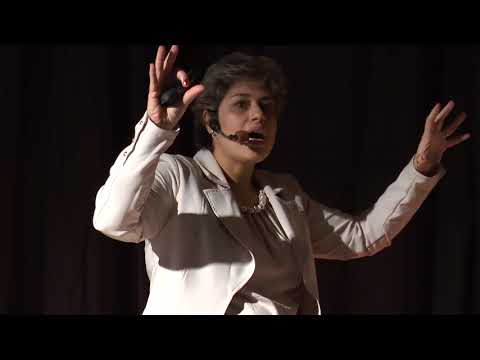
good afternoon people
It is a very great happiness.
to be here this afternoon of wonderful
sharing with so many people
different in this we are commenting on
the diversity of this audience today and
talking about such an important topic
which is this immense field of
possibilities that is called future is
My name is Ana Flavio Maria, I am
Brazilian
I’m a woman, I’m a mother, I’m a citizen.
teacher, your researcher and I
I keep my hands and feet
settled in the field of sciences
is I need to share
with you before anything I
I deeply believe in the forces
peace and justice
for the construction of this new world that
we all wish that change
we want what changes we want the theme
that unites us
talking about various issues
important contemporaneously is this
huh
what change we all want is
When we talk about what change we
We wish we are putting ourselves in the
role of actors of these changes and this
Can not escape us ever.
we are observers of the process
we are actors of change
builders of the future and paulo freire
tells us there in his pedagogy of
autonomy something that touches me and moves me m
finally defies following in this field
he tells us that the future he is not
something given but it is a challenge and it is
in this field of challenge
What I have developed there
research in the area of environmental justice
we all know and it’s one of the mottos
to be gathered here today that
we live a moment of crisis is a crisis
and is a multifaceted crisis.
some people try to define there as
economic crisis to the political crisis
But it is a crisis of different
order of the environment is the scene of this
crisis that permeates contemporaneity
This is because the planet earth and today
than is ever evident to all
we
was evident in my colleagues’ speeches
which preceded me it was ripped in
was divided into separate actions
in dissected territories in the form of
resources that are distributed
unequally among human peoples
natural disasters
our society
contemporaneously in a way perhaps
unexpected when the researchers are
a while ago they were talking about the 1990s
talked about climate change we
we did not believe or were led to
not believe that this discourse was
So serious, right now.
we realize that the perspectives of those
researchers went to the mixed team
in front of what has happened
contemporaneously and these disasters
natural words also do not reach the
human populations equally
we realize that the
marginalized human population is
because the holder of the lowest incomes
whether for ethnicity or other
difference ends up being reached more
heavily for environmental damage
this perception came to
American black population in the
and it was there that he was coined
the term environmental justice for the first
and was then used
finally by all of us appropriate in
various scales
right because we need need
talk about environmental justice
in the first place because disasters
natural sayings are not natural and this
perception she needs to be very
clear
they are the result of a process of
exploration of nature
which was transformed into resources such as
people were talking earlier is e
which was decided by a portion of the
human population but whose effects
end up hitting is in different ways
the population and people are
believe that these disasters are
people are living in
in slip areas because it is
natural that they are there that the
people are losing in flood
your dreams together with your possessions
materials and that this is natural
we grow and evolve in this
planet earth animals human too
animal groups too many plant species
groups with whom we share the planet
Earth
we evolved and we came to that point
because we are involved in a process
known as evolution co evolved
together
we grew together on planet earth in
provided sufficient resources and
free to get to where
we currently arrive until the homo
sapiens sapiens decided to take some
attitudes towards a process of
to be very different from being
biological and cultural heritage and we
the differences and the results of these
differences
expressed therein in our
territories
when we started to think and
environmental justice in these terms then
we begin to think justice because in the
truth we are faced with injustice
I do not look at the injustice he can
occur on any scale of the territory
huh
in 2012 more or less we started a
work is a survey is not
trying to understand how it is and how
is that environmental injustices
specialized our city
in santa cruz southern right city
is in the central portion of the
rio grande do sul in the valley of the rio pardo
in the so-called brown river valley is a
city characterized by
city because of institutions
especially teaching the complex
agroindustrial of tobacco
we cast our eyes to santa cruz
southern
Let’s discuss environmental justice or
environmental injustice in santa cruz do
south
What is our first challenge?
we define here what we understand
for justice
and then we are faced with the
teacher thinking the march ceni
here I’ve already moved the slide to
Let’s see this photo here.
people think pineapples conceptualizations of
teacher to mars in the context of life
real in santa cruz do sul né
the teacher maria tv say that we
said cruise induces the term justice
it can be understood in two ways
in the broad sense mean the
same thing but in practice there are
important differences nip ine a nike
refers to institutionalized justice
in code standards and regulations n
area is justice is applied in life
practice of human beings in
human populations
The picture that we are seeing here.
she shows 4 of my heroes
This photo was taken in 2012 in the neighborhood
daisy in the south zone of santa city
southern cross
we had an extension job
of our university which is characterized by
as a community university is
fill up is based on most of its
actions in this interaction work
with communities
and anyway, let’s work with this group
neighborhood association
Daisy arguing because the neighborhood
Daisy he has houses that are
located in the lower part of the
residences that eventually
are inhabiting the hillside
huh
are back of spine and that already
environmental fragility by
if only we observe here in that
image it symbolizes a lot of my
belief in the transformation of nick ine
area of justice that is in our
codes in justice applied to our
practical life because these people
heroes of which I speak to you
are appearing in the photo they know that
they are actors in the construction of their
future and they accept this role
took that role for if we met
all night on Tuesdays and
we went out for some excursions during
the day to visit these areas of
fragility that are in the hills of
green belt of santa cruz do sul né
so you’re seeing in the photo
We are in the photo of yours .
who was the president of
association of neighborhood residents
daisy being helped by her
aloisi followed by rosane by rogério
is it transposing an obstacle
in a flood area and
they are exercising something that is
very basic when we talk about
environmental justice
the transition of nationalities from one
rationality is extremely settled
in the capital that builds our
territories in accordance with the
of capital and the so-called rationality
that starts from the idea of co
generation of habitat concepts of
resilience of
evolution that was what we talked about
previously
the idea of discussing environmental justice
the understanding that
territories are constructions only
historical events that take place on
natural and they have the face that we
society and we want to give them what
the face we want to give to the
our territories
at the same time what are our
desires of our
territories
we started this work then in
principle with the association of
residents of the daisy district in the
neighborhood margarida we work
effectively meeting neighborhood by walking
the streets of the neighborhood knowing the
groups of residents living in
different territories in the neighborhood and
then we extend the search to the
urban area of santa cruz do sul as
whole and then we use the
methodology that the teacher miss axel
radio and his team used to
to study the state of Rio de Janeiro and
this in 2002 in the year 2002
we made a time cut of ten years
2004 and 2004 torezin
and we identify, we do not diagnose
we analyze and classify within these
four classes that we can see that
in the image the environmental conflicts that
was that appeared in the local newspaper the
of greater circulation here in santa cruz
southern
we then identified a total of 376
conflicts categorized according to the
nature of the triggering event in
classes that we can observe here
disposal of waste and
areas in areas of risk
protected industrial activities is the
absence of sanitation
then we took those
conflicts that have been identified and
we locate mapped
we have thematic letters
we are going to locate the conflicts
in space we use a buffer alone
there is an enlargement in the circles
you can see in the image to show
areas where there was a higher incidence of
of the conflicts we encounter in the
local newspaper that is understood by
different environmental conflicts
interests in the use of spaces right
the environment the territory is that the
to the appropriately transformed nature
which receives the human institutions
it is a field of forces and in this field
forces we observe aa dispute
between planning ideas
the political differences and the
social differences
so here we can see the first
class inadequate provision of
waste your purchases your
consequent impacts located in
thematic maps are letters with
merely illustrative purpose
areas in areas of risk and
protected areas that generate
landslides and housing in
fragile areas to speculation
real estate privatization of areas
green we find our very
in the urban area of santa cruz do sul
the so- called natural disasters and
fragile homes I would greatly
which draws attention to the images
are put here are actually two
pictures
in the image above we observe the
buildings in the green belt on
permanent preservation area and
down we have an image that shows
if you observe a residence well
which is supported by stones of a
very fragile way in most of the
is not showing up here in the
images we have auto constructions
are fragile and can not withstand
environmental events
so if a house of self-construction
an extremely fragile residence is
is carried away by a flood that
it’s a natural disaster
although we are not led to believe
that there are conflicts generated by activities
industrial and absence
here we have mine again
heroes and a few others that
participated in the cartography projects
Create alert
participated in the
construction of community gardens
is finally to become a subject of his
development process
the idea of working justly
environmental awareness that people
perceive as project participants
the process of injustice or victims of
process of injustice rather than from
from there he assumed the possibility of
transformation of your reality
then in the face of this crisis
of impacts of all distributed order
equally among human populations
and ends my speech by leaving the
some the one basic question anyway
for us to reflect on the topic right?
we always as human community
we are thinking about time
will the time be that the time of the
change is now will be the time of the
change has passed
andré that we should speak of
environmental justice
when we talk about wind and cold and
heat
when we talk about oil and
production of land
rivers that crisscross the
species that cease to exist when
We talk about mosquitoes and diseases and cures.
vaccines and poisons
when we talk about climate change
When we speak of the children of our
children of the fear of concentration
income and injustices of all time
and then I would like to end no
using the beautiful words of
need to discuss justice
but we share the
our perspective of creating a society
just 47 years says
let’s remember that we are all connected
mystery in
I regret this universe to planet earth
and each other
immense gratitude in the mask
[Applause]
Please follow and like us: