
[Music]
now if you look at our planet our cities
are becoming more populated with places
like Tokyo reaching a population of 14
millions in the next few years will it
be the case that so many of our urban
neighborhoods particularly the poor and
derelict ones will they be transformed
into wilderness where of the law of the
jungle prevails you know what I really
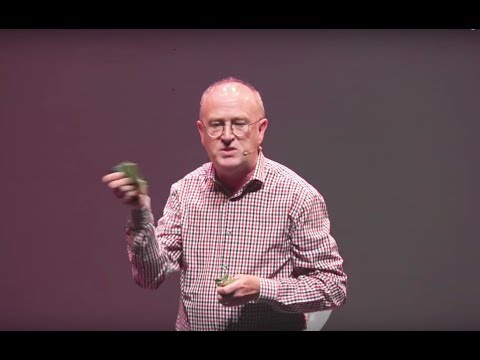
hope so I have in my hand the leaves of
three trees that have been here these
three types since the end of the Ice Age
now if I had showed these tree leaves
from trees like these to my parents or
their parents they could look at these
leaves and they would identify what tree
it was they could tell you about the
wildlife that was associated and the
fruits that were on them and the stories
the myths behind each of them they would
look at the hazel tree and the leaf and
tell you of its associations with our
greatest Celtic Warrior young Makua they
could tell you about the beautiful hazel
fruits that they collected in the autumn
they would look at the Rowan tree and
tell you about its associations with st.
Brigid and with the power of female
magic they would look at the Hawthorn
tree and they would look at his
associations with the fairies and they
could take me out on an evening and look
up at the sky and they could tell me
what the weather is going to be tomorrow
now could we do that today many of us I
don’t think so
we have lost this serious connect with
nature and for 99 percent of our time on
this planet we were part of nature we’re
not above it we’re part of it but we
have forgotten that and what we need to
do is bring the jungle back where we
live and for many of us of course this
is the city’s so it’s the jungle that we
need to come back because the wilderness
is in our genes two million years ago we
lived in trees 200,000 years ago our
species Homo sapiens came on the planet
and we lived in relatively harmony with
the birds and the bees
and all the rest of it but something
went seriously wrong with our connection
with nature 10,000 years ago and you
know what it was
we became civilized big problem for the
rest of the planet we were able to
settle down and the word civilization or
say civil comes from the Latin word
Civitas for cities so we started to live
in large urban settlements all made
possible by the invention of farming
where we domesticated the plant and the
animal so we had time on her hands we
had comfort on our hands and we could
start inventing things like comedy and
sport and drama and nerds and making so
much more sounds great and it was but
there is a downside associated with
civilization of urbanization what do we
do out of that there was bad consumerism
mining extraction and population growth
so we look at how much population has
increased say in the last 200 years
thanks to technology and thanks to
monoculture farming 1,800 we had a
population of about 1 billion today it’s
7.5 billion 1,800 3 percent of our
population lived in cities now it’s 54
percent and rising and how do we support
urban growth and how do we support
population growth you know what we did
we attacked the rest of the planet for
this to happen we spread out we
destroyed habitats we drained the
wetlands we raised the hills knocked
them down we drained so much of those
wetlands and deforestation happened as
well and where the habitats disappeared
the wildlife disappeared and how was
that made possible it was because of our
technology I love technologies but when
I look at plastics and herbicides and
pesticides and fossil fuels and and
nuclear fuels and biofuels and smart
devices they have all scoured the planet
so we have to undo the harm that we’re
doing because we’re part of nature how
do we do it we have to start for the
first time looking at technology not
just to give
so-called better policy of life but to
help the planet we should be looking at
renewable energies we should be looking
and been helped by data analytics and
satellite photography we can see the
changes then in the environment over a
hundred years and longer and dandy the
melting IceCaps and heating of the
planet all of those things technology
can tell us what is actually happening
itself and that’s what we need to do and
we need to talk to the children if you
go into any classroom an apartment
screen you talk to it an eight or
nine-year-old child and you ask them
about trees or she about trees and they
will tell you trees keep us alive to
give us the oxygen they take away the
bad gases that are causing climate
change because of the the global warming
effect and we should also look back in
time to the ancient ones i am so proud
of the fact that the irish remained
uncivilized for so long we fought
against civilization particularly in the
last 1200 years with the invaders and
the colonists and so on so people look
down this but we had a harmony the
people that lived in this island with
nature we didn’t if you look at the
irish word to it it just doesn’t mean
people it also in a geographical area in
a region it also means that the land are
Tehran in the under Breton law if a tree
was cut down it would be honored
something would have to be paid back in
compensation if you looked at where the
places of worship where for the Druids
for the pagan Celts and for the early
Christian Kells it wasn’t these big
monstrosity the buildings gatito’s or
whatever we had it out in the forest in
the oak grove and when the invaders came
and they destroyed her connection or
started to protest a process back in in
the 17th century when the forest went
the wildlife went they hated the world
for instance and the wolf was hunted to
extinction and science is telling us now
so many of the ancient ways in the
custom was grounded in science and the
obvious one is to tree the tree of life
to tree of knowledge and all of that
flows for it so we have to look at the
past and learn from it now it is
important to realize I am NOT against
cities I love the vibrancy and the
vitality and the creativity and edify
the diversity of cities I was born in a
city I was born in in Dublin
it was a tough place Dublin at the time
there was huge unemployment there was
smog in the air there was a lot of
poverty and I shouldn’t glamorize or I
don’t want to glamorize the past and I
don’t want to glamorize poverty but in
spite of those bad things that were
there economically and otherwise there
was a spirit there was a sense of
community the street was our playground
the neighbours were our family we played
along the streets and the waterways we
walk to school and in those days walking
and cycling and public transfer which is
part of life and I was one of the first
generation in the cities are from her
family that we’re living in the city so
we spent two summers going to the farm
is going to the bog working with the
country cousins the aunts and the uncles
and the groundcars so we had still a
connection with nature but have we got
that today and what are we blaming am i
blaming technology no it’s how you use
it technology is fantastic
it has liberated us from drudgery it
back-breaking work in the mines and the
factories and the farms is gone and
particularly in the kitchen it’s
liberated and this women that still
unfortunately allows her to work in the
kitchen the washing machines has made a
huge difference I’m working in the area
of the internet the Internet is one of
the fantastic developments of all time
use you don’t need to do research
anymore you do a Google I don’t have to
travel to moon to see what the moon is
like I don’t have to go into a volcano
to see what the inside of a volcano is
like or go down to the bottom of the
ocean I can put on my virtual reality
glasses and get that and look what’s
coming around the corner artificial
intelligence Internet of Things robotics
soon we’d have driverless cars sooner
can go into a shop take what I wanted
there’s no checkers because it would
automatically sensors will pick it up
and take it from from my bank account I
go home
the temperatures control the fridges
automatically fall fantastic you know
great things technology is doing but
look at what we are in our cities at the
moment what defines a modern city sadly
there’s negativity there it’s vandalism
it’s crime its fear its security its
isolation its loneliness
yet we’re in these streets great cities
but what we have designed out of them is
nature we’re defined by tarmac
we’re defined by concrete and what
evergreens exist aroni on the sides of
the roads you know now we live in God
way of course and I’ve seen God we’re
growing from the 70s unlike any city in
Ireland two things defined it from the
60s in the 70s
one was term tarmac the roadways and
secondly was housing estate after
housing estate after housing state urban
sprawl and that design separated us from
our neighbors how many of you know your
neighbors a lot of us don’t know who
lives left or right of ourselves how
many of you find it difficult to walk to
a school to a place a worship to your
shop because these roadways are like
shark-infested waters there’s no
infrastructure for transport mass
transport and we have to move away from
the car and the petrol to save the
planet and have a quality of life you
know all of those things cycling walking
all of that connectivity is gone from
our cities and how do we bring it back
and if you look at technology I talked
about the wonders of technology but you
look at what the web is doing to us it’s
isolating us it is leading on cyber
bullying it’s leading to aggression it’s
leading to objectification of women
online
it’s leading to isolation we are more
connected than ever before but we’re
less in communication than ever before
so everything we have to look at how
it’s impacting us and our young people
at the moment they estimate the 20
percent of our young people in Ireland
suffer mental health issues and why is
that it’s increasing all the time
because of the stress and the pressure
that’s partly coming from the internet
itself and also if you look at nature
it’s out we’re pushing it and pushing it
and pushing it away we have problems
with our with our physical health we
have to probably the highest rate of
obesity in all of Europe our young
people is 25% 70% of our population are
not doing enough exercise and we have to
get nature back in we look at children
we should be encouraging the decline
trees and touch it why because it’s
proven that nature comes as
down people with ADHD take them out into
a green area into a forest it camps
people you go to a hospital patients
there planting trees so it has a calming
effect and it’s there because when I
look at you you look like skin and bone
and I mean that as a compliment you look
at me I’m skin and bone and organs all
dressed but I am also turkey trillion to
300 trillion folks that’s part of our
system and we need to refresh in it and
how do we do it by breathing in the air
of nature and what are we breathing in
at the moment we’re breathing in cars
what comes from cars so you’re driving
along you’re a nice isolated little car
and what are you doing you’re hurting
the people that are walking and cycling
and living beside the roadways because
those emissions coming out are toxic and
research is showing now that the metal
particulates that are coming out are
leading to Alzheimer’s and dementia the
present research so where do we go
sometimes you feel like a tsunami is
hitting you we have to try to change the
world it’s too much for me
I’ll just bail out you know no we have
to take ownership at a problem because
we’re part of the problem and what is
local is it global as a problem has to
be solved locally so back in the mid 90s
a load of a scientists community
activists resin sociation and foreign
mentalists we came together and we saw
the way Galway was spreading and we
decided to hold on to the greens we have
and remember the only greens we need
greens for planning permission but what
are they they look good
percentage-wise but the decider roads
are these horrible sterile ecological
deserts manicured lawns in the middle of
our state so we wanted to bring why life
back into the city
so we earmarked 180 acres along the
Terry land river that connects the carob
water rivers and lakes and streamed into
his call we going through at the center
of Galway and we started in March 2000
and since then 100,000 trees plus have
been planted native trees once they came
over at the end of the Ice Age they have
a lot more wildlife has it made a
difference to biodiversity yes it has
citizen science and third level research
has shown that there’s over 50 different
types of birds attracted in that there
are six different species of bats and
there’s only nine species in the whole
con
and Michel de zon later his students in
one small area uncovered 98 different
types of archer pots you know so it is
fulfilling that biodiversity thing and
it’s bringing us out to nature
but every few years the council’s right
to build roads through it and the park
is disconnected by the roads and we’re
talking about bring bridges but it’s a
good start and it’s not just trees what
we are doing we’re taking those sterile
and lawns and over the last few years we
planted 10,000 plus wild flowers and the
wild flowers aren’t just pretty they are
havens for wildlife they are and nectar
rich environments for our pollinators
our birds and our bees and our moths and
so on and we’re talking to local farmers
on the far side of the park now to get
them to develop be corridors where we
start for the threatened wildlife for
the pollinators you know and at the end
of it what do we do because it’s not
using mechanization but we use the
handheld side thanks to the commander
fire dimension moving which has with men
and women and the conservation
volunteers
we’re upskilling are people dosed skills
that we used to have it’s all about
empowering ourselves getting our hands
dirty making things again and they put
the the hey and what happens with the
hey it makes a cow very happy cows in
Ireland at the moment are really
depressed they are so bored they’re
eating the same bloody thing everyday
boring tasteless grass so what we’re
giving them out of this is father that’s
rich in herbs rich in wild flowers it’s
varied so one is you have a happy cow
second you have a healthy cow thirdly
you have we’re better because we’re
getting nutritious meals out of it you
know everything is interconnected one of
the big problems with Galway is that
were a city of 80,000 people and were
enclosed we’re cut off there is no
avenues for us to walk in safety and to
cycling safety it’s so farcical we have
an hour doorstep
one of the most famous landscapes in all
of Europe connemara but there is no
proper safe cycle way or pedestrian way
it sounds like a joke but it isn’t and a
number of us have got together to
develop the old rail line this
75 kilometers realign the starts and go
with city and continues on to Clifton if
that is brought back to life as a
greenway it will revitalize the towns
and the villages out there and we have a
lot of support out there but it’s a
tough struggle and we’re also involved
in greenways a 40 loop cycle that starts
in turn on ends in turn on takes in
seven castles along the north in the
east of the city through bogs and
landscapes and we need to be doing more
of that we have to take ownership of the
problems and we all have to become urban
gardener gardeners we have to bring the
farming back into the city
so we’ve settled with the City Council
who are very good in this aspect and
we’re with the Galway City partnership
and community groups across the city
we’re developing community gardens that
are organic its food for us but it’s
also food for wildlife but most
importantly as well is we have to kick
the walls of the school down and get our
children out from mental health and for
physical health purposes look at our
children today we were scared to let
them outside
we keep them inside we throw them a
smart device to keep them happy and
occupied you know or when we do let them
out we put them in an enclosed area
called a playground we cut them off from
a sense of freedom and of wonderment of
all of them we have to get over that and
in Britain a recent study has shown that
in the last two decades children’s area
of play has shrunk to ninety percent of
what it was a school outside every
single school should be involved in the
environment we should have the outdoor
classroom not just for physical and
mental health but also for learning
purposes there is so much wonders out
there and when the children plant a tree
you know what they’re doing or any of us
plan to treat we are planting a universe
when you plan to no tree it’s home to
450 different types of species the birds
and the bees the insects generally do
for me the flowers all of those it’s not
beautiful to be able to say that you
created that so we have to bring a sense
of wonder back into nature we are part
of nature
we have contaminated and destroyed it
for 10,000 years and we have to
compensate for that because we are part
of the planet
and we have to use technology I love
technology I’m a coder and I train
people all over the world so it’s about
using technology for the good for our
young people from digital users to
digital creators and use the apps and
all the rest of it so for our young
people and for all of us it should be a
smart device in one hand and a spade in
the other thank you
[Applause]
you
Please follow and like us: