
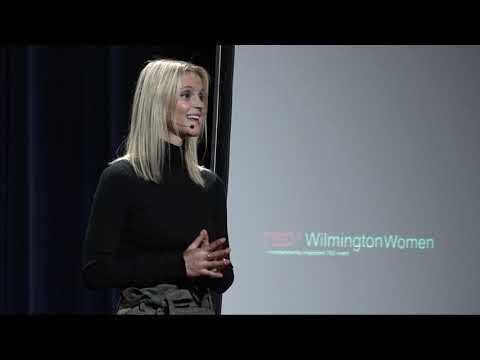
I’m extending an invitation to you an
invitation to create better futures for
all by turning around climate change we
can do it we have to do it together and
we’re going to do it using mindful
foresight when it comes to climate
change it’s really important for us to
acknowledge that all of our past actions
have brought us to exactly where we are
today and in this moment we have the
opportunity to make new choices that can
change for the story of humanity goes
from here the choice to eat less meat
yes I said it the choice to eat less
meat to save our planet and species is
simple and simultaneously very complex
for many of us it’s going to involve
reprogramming our minds I want to go
back to an earlier time in our history
so we can get the full perspective for
tens of thousands of years there was
very little difference in the human
experience we hunted and gathered we
farmed and raised our families there
weren’t very many of us and back then
the indication of a successful day was
just surviving it and this way of living
left no footprint on the earth and as
mindful practices were beginning to come
around a couple thousand years ago it
made a lot of sense for us to focus on
the present moment as a way to navigate
through the turbulence of life but then
fast-forward about 250 years ago we hit
the Industrial Revolution and since then
with every passing day our lives have
become increasingly more fast-paced and
complex we’ve gone the indicate we’ve
gone way beyond the indication of a
successful day being that we just
survived it now on a typical day we
might find ourselves on an overnight
flight somewhere for work
we’re connecting and communicating with
hundreds of different contacts to
Julie and we are doing it all while we
are having spaghetti and meatballs so
this way of living has a very heavy
footprint on the earth and there are
quite a lot of us doing it and the truth
is if we want to see the next century we
have to expand our focus beyond the
present moment to include the future too
we have to learn how to tread more
lately last month the United Nations
Scientific panel released a report on
climate change as the earth temperature
continues to rise so will our shorelines
droughts wildfires crop failures and
ultimately poverty 2040 is looking
really bleak if we keep going this way
this fast and this report came out and
so many of us responded with I really
hope they can do something about it
because this is terrifying for our
future but I’m not a climate specialist
a scientist or a politician and full
disclosure I’m not any of these things
either so the question then becomes can
we do anything about it in a previous
time we probably could have gone on with
our daily lives and just hoped that the
leaders we have in place could solve our
big problems but the problem of climate
change is too big to rely on just a
relatively small group of people to
solve it’s become very clear that if we
really do want to turn this around we
are going to need everyone actively
participating I’ve spent the last six
years teaching and training thousands of
people all around the world to become
more attuned to the here and now because
as we do this we get a much more
accurate account of what’s actually
happening all around us and how that
affects what’s going on within us we
begin to wake up enough we take off our
autopilot blinders to see clearly we are
living in very perilous
and then we feel a strong nudge to do
something about it on an individual
level the work that I’m doing with my
team at long path Labs is fusing
mindfulness with futurism we’re actually
developing a unique practice given the
times that we find ourselves in that use
a heightened awareness of right now to
activate foresight force it’s a very
unique ability that we possess as humans
it’s allowed us to do things like build
skyscrapers and develop cities because
we can think out a few years ahead
whereas most mammals are thinking out a
few minutes ahead to their next meal so
while mindfulness does have its roots in
the present its brilliance will be found
in our futures because if we can go
throughout our everyday routine with a
heightened awareness of what’s happening
we begin to experience things more
deeply we feel we also notice our mental
responses more closely and getting more
familiar with the inner workings of our
own mind we start to recognize that
there are all sorts of stories up there
some of which are very relevant and
helpful and some of which upon closer
investigation are extremely outdated I
want to add just a little bit more color
here as a way to conserve energy our
mind often serves up pre-programmed
responses based on the past it’s drawing
from experiences that we may have had or
information that we’ve heard from
friends family even the media we stop
actually making decisions in real time
and we simply go with what we already
know it’s called cognitive bias and it
happens so fast we don’t even recognize
that our responses are not at all
informed by what’s actually happening
right now responding without any
cognitive bias based on the current
situation at hand requires real effort
it’s going against the flow of our own
mind
but we cannot let the past and form our
actions today anymore here’s why our
food choices are responsible for twice
as much global warming pollution as all
of the cars on the planet and at a time
when we are acutely aware that water is
a finite resource studies say anywhere
between 70 to 92 percent of all of our
freshwater goes to animal farming we’ve
had to make space for all of these farm
animals to graze so we’ve mowed down
forests and in the process we’ve seen a
mass extinction in our wildlife so going
back to that earlier question and we do
anything about it and how can mindful
foresight help our mental
pre-programming has convinced us that
we’re making choices when it comes to
our food we sit down whether we’re at
home or at a restaurant and for most of
us the first thing that comes to mind is
meat the US has one of the highest meat
footprints per capita so naturally we
sit down at our table and we think which
kind of meat should I have right now
we’ve been taught over years over a
lifetime that everything else that could
appear on a plate is there simply to
play a supporting role and it’s
unconscious but old information starts
pulsing through our brain each time we
sit down to eat and we remember things
like beef it’s what’s for dinner or if
we’re feeling a little bit tired that
day we might remember our parents
telling us when we were younger why
don’t you have a hamburger cuz that’ll
give you a little bit more energy so we
don’t recognize it in the moment but our
ways of eating today are very much
informed by old family stories and old
ad campaigns but our planet can no
longer support all of us eating like
this anymore
nature is telling us we have to evolve
and if we’re going to have the
conversation about reducing meat
consumption I do have to address one
other mental story is anyone else like
the
sounds interesting but what about my
protein there are a lot of studies and
stories out there we’ve heard them for
years in order to have a healthy body we
have to have a lot of protein and that
protein has to come from me it turns out
a lot of these studies and stories were
actually started and funded by the meat
industry today we have plenty of
information that supports we can get
protein for a very healthy body coming
from sources like greens grains beans
nuts and seeds and these foods leave a
much lower impact on our planet but I
also want you to keep in mind that I am
NOT asking you to give up eating meat
completely today what I’m asking you is
if you’d be willing to eat less I’m
asking if you’d be willing to consider
not just your own health but the health
of our planet and the health of future
generations yet to come
each time you sit down to eat because if
we can actually notice what’s happening
all around us right now and we can be
attuned to the information at hand which
clearly shows our food choices are
connected to climate change then
foresight can come online we can make
new choices now that will have a
positive impact in the future and if
you’re still a little unsure if a small
change like reducing your meat
consumption can actually make a dent I
want you to remember the word trim tab
in World War 2 an inventor and a
futurist named Buckminster Fuller had to
solve a problem
our ships kept getting bigger and they
were becoming more impossible to turn so
he attached a six inch strip of metal to
the ship’s rudder and by leaning into
the resistance of oncoming water what
turned around a huge ship was the
six-inch strip of metal the trim tab he
referred to this as a metaphor for human
potential if we are willing to go
against the flow if we’re willing to
lean into
something very small has the power to
turn something huge around there is a
recent study by University of California
Davis that shows if we adopt a
Mediterranean diet that means eating
mostly vegetables some fish and chicken
and very little meat we can actually
reduce climate change by 15% in 2050
this is the equivalent of taking 1
billion cars off the road in terms of
vehicle emissions each year so this
proves that if we make new choices when
it comes to what we put on our plate it
changes where the story of humanity can
go from here we can do something about
climate change as individuals so will
you join me in becoming a term to have
making a small change to your everyday
behavior and eating less meat will you
consider that the actions that you take
today even the seemingly small ones have
an impact further down the road in the
story of humanity mindfulness has its
roots in the present but it’s brilliance
will be found in our future thank you [Applause]
Please follow and like us: