
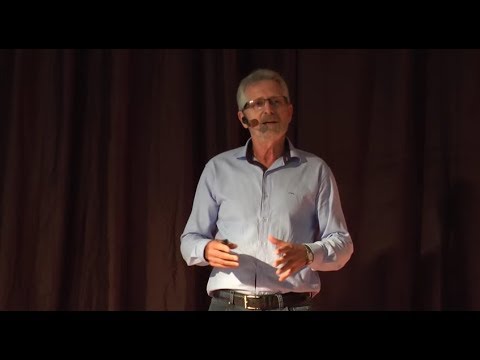
good afternoon everyone
Thank you for the invitation and I really
I’m really happy to share
with you of something that we really
we admire and certainly for many
are still a little unknown theme
I’m a holy hospital employee .
cross
nursing technician in recent years
served as trade union leader of the
category of health workers in the
brown river valley
in the off hours Saturday interval
holiday sunday we have to
satisfaction of having the best
activity if you observe the good
the work of bees I wanted to say
that as a child still there by the seven
For ten years we lived in a house
simple and there we would observe
small bees living on the threshold of
window and this seems to have captivated us
observe this important and certain
At the age of 15 we had some
colonies of jataí bees in our
together with my brother
that in the 80’s after the 80’s we
We brought to Santa Cruz when we
We came to live in Santa Cruz because they are
the residents of the region of the region
barn of the municipality of humaitá that
happens in the year 2000 the colonies
little boxes we brought from humaitá
were breaking
and we made new little box
new to them and wanted to make a
transfer to a new residence
a more dignified home for these
population
It happens that we
handling this first nest is divided
in two
That’s when I remembered when I still
in the 70’s 75 I do not remember
exactly the father was a subscriber of
correspondence, there was a
that of a German teacher who
talked about the possibility of
multiplication of native bees
Brazilian for ease of handling
because they have no sting
stinger but is atrophied afghan
therefore they would not be attacking
who handled these insects what we
we did at that time we
we took the two bales we put in two
boxes and we succeeded, we created two
new families
from that moment it seems that the
circus caught fire
we went to the quest to know which
other species would still be
reach us, we can observe and
work in the year 2000 we can
in the state of santa catarina acquisition
of a colony demands skirt in a
colony of manduri bees that maybe
certainly the vast majority of you
do not know
in 2003 we acquired one more
bee colony bootie use the
indigenous names here because they are
bees is facilitating
do not use the scientific name here and
bee guaraipo from 2004 to 2007 we
we noticed the manuseamos we had some
failures but in the vast majority
multiplication was successful.
when we found in 2007 our
agronomist friend and he told me
The next time I can visit you
When he visits us, it says barbarous.
here we have to carry on let’s go
have to show everyone that you
here is what you do and the qualitative and
port
bid of these insects from 2017
we make our
meliponário for visitors to students
for who was doing workshop
because we propose a partnership
with cover because because what the
cover vine preaching told us that
would be producing food without the use of
pesticides and these bees will only
able to survive in an environment
absence in the absence of pesticides
we
from there we made it over 20
free shops and are more exposed and
40 municipalities of people who were
participating in these events
these next lips I live there is
to tell you that when we
we were not even aware of the
of these insects we are one
blessed country
we have in Brazil more than 300
species of stingless bees and we
we ‘re just talking about bees at the level
of the world are around 400 on the river
of the south are 21 species of these
21 species we have today
tranquility to tell you that we
we multiply all of them with a large
ease and this work of
multiplication we take to the
workshops for the schools for those
who come to look for us in the millionaire and
to tell them the role of the
The meliponicultor the meliponicultor is
that individual who proposes to create
these bees and raise these bees
means to make a
rescue because you rescue because they
have left the vast majority or
unknown in the rio grande do sul
especially when we talk about
rescue is not take a ball
a tree and carry it for a fee
but rather to have meliponary colonies
authorized because it is protected by
law this individual this insect and we
we are authorized by the secretariat of the
the state of rio grande do
South registered as a commercial breeder and
tell you the satisfaction of these
last ten years we got
repatriate more around 800 colonies
already produced in our millionaire
this is significant if we imagine
which almost does not exist in some
which is species and another portion of
public mali author of the one who
It is really important to do this
work is to help the environment
and when we talk about the issue of
help the environment
we can not forget that you are
bees
they are the main pollinator agent
they are actually a third of
food we got consume
all of our table produced by
interference of bees
there are some woods in the
native wood from
biome of the Atlantic Forest that almost 100%
must be organized by these bees or
sorry not generate these fruits
trees and if these areas did not generate
fruit will not have food for
birds will not have food for
other biodiversity and will not have the
food also the human being
We want to tell you that this
really is something we have
impressed over that time and
through the workshops or to the
children
We see the satisfaction of
children playing by putting
hand inside the colonies feeling the
flavor and aroma of each hive that
different the taste of honey the goal
characteristic of each colony we
has been fascinated to carry this forward
we are happy because we wanted
still to show here quickly what
we have almost in the center of santa cruz
southern
these images that you are seeing are
a millionaire who is just a few blocks away
João Baptista Cathedral and because the
bees are developing so well
here in the center of santa cruz because
these insects do not live can not
thrive where the action of poison
if we know it
we continue to make mistakes
because then it is a questioning
that is done and how not everything is heaven
Brigadeiro
I brought you some pictures.
because they are divided into two tribes
these bees from the real situation of
bees for example this bee that
Are you seeing here, honey bee?
a bland but very bible
is threatened with extinction
in rio grande do sul
make the challenge let’s search 100
colonies in the state of rio grande do sul
We certainly will not find
and we have a facility of
able to reproduce this species
also this other beautiful one that use the name
borá is a bee that almost does not
we found more in the rio grande do sul
endangered also in us
we can reproduce
multiply these bees another
bubble that really plays the role of
to tell if the environment is healthy
is to know the honey of the floor
the biosul it is practically extinct
lives under the ground on earth because she
is watching by the action of the fertilizers
chemical
she does not support fertilizers
insecticides is not spoken and thus
against
we have this other rarity here that
is no longer on the Great River of
South considered in my point of view
extinct in the Rio Grande do Sul we have
to know here in santa cruz do sul
We do not have the natural reports.
But why does this happen?
another bubble that was already another
group of Mexican women who is a
bee that makes my tasteful
very generic
have long been difficult to
you will find it in the Grande do Sul
we managed to multiply it with ease
and we the millionaire
another bubble of guaraipo still exists
some in the north of the state
but rare natural colonies
another bubble that we do not
we found more in the rio grande do sul
only authorized breeding still have and
can reproduce is the mandaça
maybe many of you already talk listen
one side this name but it’s a shame that
we want very easily and that
is part of the pollination of trees
high then it really is for us she
it is also very interesting another
bubble that no longer exists in the river
southern region and that we
we multiplied until this weekend
we made some divisions of mine
wife is here and help me in this
assignment
this wonderful beauty popular name of
biology
we have there for those who want to see know
is something that really fascinates us in
know that diversity is that the
diversity can still thrive but
how and when we can change that
which is placed
first here are students of
future journalism professionals who
they will have to help us spread the word
say we need to plant trees
tree means water
not us that are useless question
destroying the Amazon biome when
has almost destroyed the biome
of the Atlantic Forest when it was destroyed
practically the biome
now invading the Pampas program
monoculture wetland planting
breeding biome
large quantities
no country in the world owns
six biomas and they all penalizing
by the action of man by deforestation
by the action of pesticides and insecticides
and by the use of fertilizers
synthetic and we have to yes in
to have a conviction that
world we want for our
future children grandchildren great-grandchildren
we are co-responsible for that
what is happening was said here
the catastrophic situation that is the
environment is dry excess heat
flood and we can not fault
those who are destroying the
amazon here on the river pardinho that
the river in times of flood and
full of fact when it rains a lot because
out of it he’s a little sanga and
This water is going to be missing for us here.
we have the population that lives here in
riverbank that wants to plant
It seems that inside the river is
deforestation is planting in the canyons
From Rio
but what is that what world we
we really want and the purpose of
adapting to today’s afternoon is to
reflection
and when you think that everything is still
It’s possible I’d like to leave here.
a small challenge that each of us
still in 2017
for a tree that is small but
that, in 10-1550 years, it will be a
big leafy tree with lots of flower
to preserve our bees for
food and for what really
the world can re-balance itself and
live better as you are today
thank you
[Applause]
Please follow and like us: