
in far eastern Russia near the China
border
entomologists may have caught evolution
in the act
they found a previously undocumented
population of vampire moths in South and
Central Europe another moth species
khalipa the leak tree feeds only on
fruit but during experiments when the
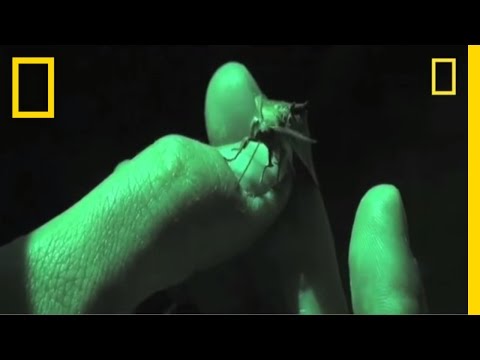
Russian moths were offered human hands
they drilled their hook and barbed line
tongues under the skin and sucked blood
it’s starting to hurt the blood sucking
can go on for several minutes the
scientists say some moths sucked for
more than 20 minutes only male moths
feed on blood and experts suggest they
may do it to pass on salt to females
during copulation doctoral candidate
Jennifer’s Aspel a National Geographic
grantee from the University of Florida
in Gainesville suggests this behavior
may have developed for reproductive
reasons the sexual gift she said might
provide a nutritional boost to young
larvae that feed on leaf rich but sodium
poor diets she also notes that some
researchers hypothesized blood feeding
evolved from animal related behaviors
such as feeding on tears dung and pus
filled wounds entomologist Chris nice
suggests this behavior may eventually
set the stage for blood to be
incorporated into this species diet
however according to experts a number of
other factors would need to be present
in order for this to occur Jaspal hopes
to continue research on the vampire
moths and compare the Russian
populations DNA to that of other
populations and other species she hopes
to differentiate the blood feeding
population from previously documented
groups
you
Please follow and like us: