
could pollutants from the BP oil leak in
the gulf of mexico end up as far north
as New England that could happen if a
hurricane or tropical storm hits the
Gulf region and moves northward no one
really thought about the effect of
material coming over from the ocean
areas marine areas onto land geochemist
sid mitra from east carolina university
is studying how far hydrocarbons
released as the oil breaks apart and
some of them toxic can reach inland
mitra was in the gulf region recently
taking baseline readings for a long-term
study once the air goes through the
filters and the plugs and it passes out
here essentially everything that we’re
interested in that’s in the air is
caught either on the filters or on these
plugs they’re sampling air and water
before a hurricane strikes then will
return during and after a hurricane or
tropical storm to take more readings
what they’re looking for are
hydrocarbons associated with the oil
they break away from oil into the air
during evaporation or burning and also
break away in the water both naturally
and with dispersants applied to break up
the oil any type of carbon molecules
carbon containing chemicals that are in
the surface slick or the surface area of
the Gulf of Mexico would be picked up by
hurricanes and storms and then that
material could also be dropped by
precipitation on land in areas further
upland away from the coast if the
dispersant chemicals are mixed in they
could also be carried inland by rainfall
and wind currents if the material is
toxic there could be toxic effects water
don’t mix in general but many of the
compounds that are in oil start
dissolving very readily those are the
hydrocarbons many of which are toxic at
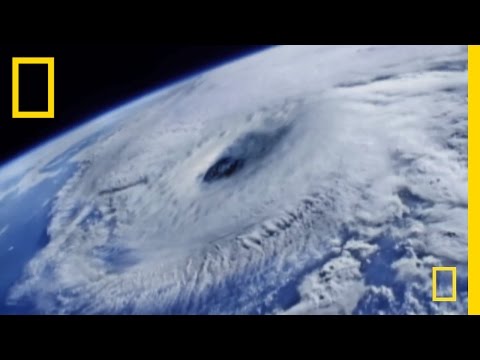
low concentrations inside a hurricane
bands of rain drawn up from the ocean
meet in the eye wall the most violent
section here winds of up to 200 miles
per hour spiral upward carrying moisture
and any particles in the water
fully form hurricane can reach up to 500
miles in diameter and while the winds
diminish when it moves inland the rain
continues to fall as it moves northward
into the United States our samples that
are going to be in here are basically
going to be representative of the entire
Lake Moapa not just one spot in lakemoor
Appa Mitra says the oil spill has
created a sort of reverse problem that
needs to be studied scientists are
usually studying how pollutants go from
land into the sea very few studies
looking at how carbon hydrocarbons any
material from the ocean can actually
make it up onto land most of us who
study global carbon cycle we’ve worried
about rivers draining material into the
ocean on this trip Mitra took samples in
Louisiana Alabama and Mississippi and
northward to North Carolina the research
is funded through the National Science
Foundation people who are living in
what’s called upland areas thinking to
themselves okay I don’t really need to
be concerned as much about the health
effects of the oil spill because I don’t
live near the coast and if you actually
have rain that has some of these
hydrocarbons in it it’s not going to be
raining oil as you think of it but it
may very well be raining hydrocarbons
which are coming from that oil slick in
the gulf of mexico
you
the gulf of mexico end up as far north
as New England that could happen if a
hurricane or tropical storm hits the
Gulf region and moves northward no one
really thought about the effect of
material coming over from the ocean
areas marine areas onto land geochemist
sid mitra from east carolina university
is studying how far hydrocarbons
released as the oil breaks apart and
some of them toxic can reach inland
mitra was in the gulf region recently
taking baseline readings for a long-term
study once the air goes through the
filters and the plugs and it passes out
here essentially everything that we’re
interested in that’s in the air is
caught either on the filters or on these
plugs they’re sampling air and water
before a hurricane strikes then will
return during and after a hurricane or
tropical storm to take more readings
what they’re looking for are
hydrocarbons associated with the oil
they break away from oil into the air
during evaporation or burning and also
break away in the water both naturally
and with dispersants applied to break up
the oil any type of carbon molecules
carbon containing chemicals that are in
the surface slick or the surface area of
the Gulf of Mexico would be picked up by
hurricanes and storms and then that
material could also be dropped by
precipitation on land in areas further
upland away from the coast if the
dispersant chemicals are mixed in they
could also be carried inland by rainfall
and wind currents if the material is
toxic there could be toxic effects water
don’t mix in general but many of the
compounds that are in oil start
dissolving very readily those are the
hydrocarbons many of which are toxic at
low concentrations inside a hurricane
bands of rain drawn up from the ocean
meet in the eye wall the most violent
section here winds of up to 200 miles
per hour spiral upward carrying moisture
and any particles in the water
fully form hurricane can reach up to 500
miles in diameter and while the winds
diminish when it moves inland the rain
continues to fall as it moves northward
into the United States our samples that
are going to be in here are basically
going to be representative of the entire
Lake Moapa not just one spot in lakemoor
Appa Mitra says the oil spill has
created a sort of reverse problem that
needs to be studied scientists are
usually studying how pollutants go from
land into the sea very few studies
looking at how carbon hydrocarbons any
material from the ocean can actually
make it up onto land most of us who
study global carbon cycle we’ve worried
about rivers draining material into the
ocean on this trip Mitra took samples in
Louisiana Alabama and Mississippi and
northward to North Carolina the research
is funded through the National Science
Foundation people who are living in
what’s called upland areas thinking to
themselves okay I don’t really need to
be concerned as much about the health
effects of the oil spill because I don’t
live near the coast and if you actually
have rain that has some of these
hydrocarbons in it it’s not going to be
raining oil as you think of it but it
may very well be raining hydrocarbons
which are coming from that oil slick in
the gulf of mexico
you
Please follow and like us: