
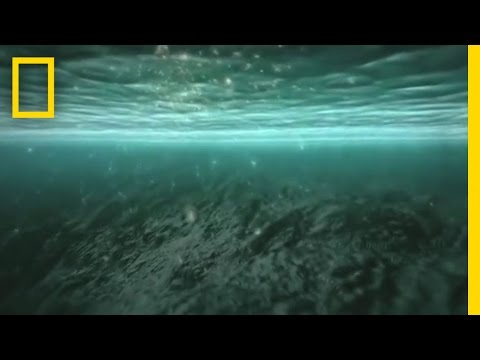
several weeks after the BP Gulf of
Mexico oil spill researchers familiar
with the Gulf revealed that their
research team had detected a large plume
made up of oil droplets and it was
located more than 3,000 feet under the
water’s surface
one of those researchers is the
University of Georgia marine scientist
Samantha joy the oil plume data
collected by joy and the other
researchers working with her initially
received a cool reception from officials
in NOAA the National Oceanic and
Atmospheric Administration and oil
company officials consistently backed
away from confirming the findings of the
scientists but by the end of the summer
other scientists had made similar public
statements following their own research
giant plumes of oil did exist in the
Gulf so my concern regarding the deep
water impacts is really the ultimate
fate of the material that’s in these
plants joy has been conducting research
in the Gulf of Mexico for more than 15
years in late May she and her colleagues
from several universities embarked on a
long-planned research cruise in the Gulf
they made another excursion in August
this video was taken aboard the research
vessel FG Walton Smith owned by the
University of Miami my two biggest
concerns are one the the toxicity effect
of a poly aromatic hydrocarbons that’s
limited really to a small area around
the the spill zone say five kilometers
around the spill zone that’s where the
the most toxic types of hydrocarbons
which are these poly aromatic the
naphthalene benzene benzene but
naphthalene and toluene and things like
that the other concern that I have is is
just the sheer volume of gas that’s been
expelled from this wellhead most of that
gas is dissolved in the deep water and
it represents a large potential oxygen
sink and and how that is going to play
out over time at 3,600 feet below the
surface
tiny virtually invisible droplets of oil
formed a vast
that was three miles long but they are
out of sight
and while cleanup appeared to focus on
surface oil and oil reaching beaches and
marshes joy says the plumes and the oil
that gets dispersed in the depths of the
Gulf are no less of a threat to marine
life dispersed oil and dissolved the oil
is no less of a threat than surficial
oil floating on the surface because that
material still carries with it two
potentially important biological effects
one is toxicity and that’s related to
the concentration of oil in the
environment the other is oxygen demand
and that’s related to the stimulation of
biodegradation and oxygen consumption
from from the oil in the environment
while there has been much talk about
organisms breaking up the oil in the
water Joyce says that’s not all good
news well microbial consumption of oil
and gas is actually a very good thing
and if it were happening in the surface
mix layer it would be a wonderful
wonderful thing with hardly any side
effects but it’s not happening in surf
mix mix layer it’s happening deep below
the surface and isolated layers and
because it’s happening in these isolated
layers oxygen becomes a big problem
because if these organisms in these deep
layers consume oxygen faster than
physical processes can replenish oxygen
in these layers you can have the
generation of layers of low oxygen water
that she says could lead to suffocation
of animals living on the sea floor it’s
a good thing but it’s it’s it’s a
complicated thing because you’ve got
this consumption of oxygen that exceeds
the ability of the system to replenish
the oxygen and joy is concerned that
little attention has been given to the
other byproduct of the deep water well
the other aspect now there hasn’t been
much discussion about and I’ll go back
to this again and again it is the gases
you have 40% of the flux from this well
was gas methane gas methane gas propane
gas nobody’s talking about the role of
gases
nobody’s taught the gases weren’t
included in the old budget NOAA doesn’t
measure gases on
cruises the monitoring cruises it’s like
40 percent of this spill is is being
sort of shoved in the corner and a rug
thrown over it
she says that the effects of the oil gas
and dispersants will affect marine life
for years to come
she also offers a final thought and we
need to all take a look at ourselves and
change our own individual ways as much
as we can to have a smaller impact on
the world because until the global
appetite for oil and gas is decreased
boiling oil producing companies are
going to continue to drill in deepwater
in the Gulf of Mexico off because of
Nigeria and the Indian Ocean you name it
you know this isn’t going to stop until
the consumption stops and that starts
with each of us it doesn’t start with
anybody else it starts with an
individual person it starts with me and
it starts with you
you
Please follow and like us: