
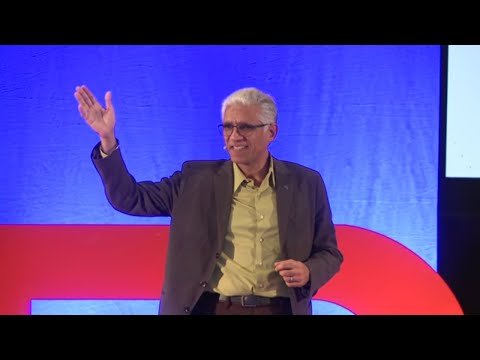
[Music]
[Applause]
it’s not about licenses it’s not about
patents it’s not just about money it’s
about opportunity and it’s about the
impact it’s about looking inside
universities identifying opportunities
and taking them out so they have a
impact on society technology transfer
has done a great job of looking at
traditional STEM fields physics
chemistry math engineering life sciences
but where it has barely scratched the
surface is behavioral science social
science literature art music and
technology transfer can actually add a
lot to that so have you heard of a
you’ve all seen that ad right I’ve
fallen and I can’t get up
right yeah so imagine if you will you
your elderly parents they’re at home
alone and you’re obviously worried about
them there’s a center in Oregon the
Oregon Center for research on Aging and
Technology that’s run by dr. Jeff Kay
and what they do is they come in and
wire homes with sensors and they measure
things they measure things like how fast
someone walks you know how they sleep do
they get up at night when they get up at
night what do they do
what’s their computer use like what is
their speech like and over time they’ve
collected tons of data
that’s technical four terabytes and the
using this data they’ve identified
something that they call behavioral
markers now behavioral markers or
something like biomarkers and biomarkers
are things that circulate in your blood
that tell doctors how sick you are or
how healthy you are well behavioral
markers work the same way
so when there are changes in behavior
when there’s changes in the speed with
which somebody walks when there is
change in their sleeping patterns what
dr. K and his team discovered is that
they can be predictive of something that
called cognitive impairment now why is
cognitive impairment important it’s an
indication of much more serious diseases
like Alzheimer’s or dementia when we
started working with the aging Center
there were no patents there there was no
new technology there and the innovation
was actually the center itself that’s
what the opportunity was and what we
decided to do was use the center to
encourage them to have more interactions
with industry we entered into a
five-year multi-million dollar contract
with Intel Corporation for example where
Intel would come in they would test
their technology that would test how
people use their technology the aging
Center also works now with
pharmaceutical companies for clinical
trials because the behavior patterns of
taking medication are important the
responses to medication are important
what happens to patients when they take
a medication or when they miss a
medication right now if we just focused
on licenses and patents we really
wouldn’t have taken advantage of this
opportunity at all
and we would have missed the impact that
the aging Center has on society
I worked on another project many years
ago while I was at Colorado State
University it was with dr. Jennifer
Anderson and dr. Laura bellows and they
had developed something that they called
food friend puppets now you think okay
food friend puppets that’s really
interesting but how many of us have kids
here all right fair enough how many of
your kids don’t like eating vegetables
or you have to nag them to eat their
vegetables yeah plenty
so what dr. Anderson and dr. bellows did
is they wanted to use food friend
puppets to teach kids about vegetables
and how to eat better so they would go
out into classrooms into day care
centers and to headstart programs and
you know all of a sudden you have
Corinne the carrot and over here you
have Rudy the radish and Bella the bean
and Rudy’s going hey I’m a daikon and
the kids would get interested because
they’re now interacting with the
vegetables in a different way
right and what they discovered is ninety
percent of the kids who were exposed to
this program ate better okay that’s a
huge impact they in a five-year period
they reach 66 thousand kids they were in
all of the counties in Colorado from
there they expanded to 20 states and
they’re now in four countries and they
combined this food print puppets with
another program that they developed
called mighty moves because in addition
to eating better you also need to move
and exercise
right now if we had just focused on
licenses if we had just focused on
patents we really would have missed this
opportunity and this opportunity got
spun out into a Norton
not for profit foundation fruit friends
foundation that carried on this work day
now when I think about technology
transfer I think about all of the
opportunities that are out there in
fields that we haven’t really even
looked at and we need to think more in
terms of identifying those opportunities
seeing how those opportunities can be
taken out of a university and used to
impact society to me that’s what
technology transfer is about it’s about
opportunity and impact it’s not just
licenses it’s not just the number of
patents and it’s not just about the
money
thank you
[Applause]
[Applause]
it’s not about licenses it’s not about
patents it’s not just about money it’s
about opportunity and it’s about the
impact it’s about looking inside
universities identifying opportunities
and taking them out so they have a
impact on society technology transfer
has done a great job of looking at
traditional STEM fields physics
chemistry math engineering life sciences
but where it has barely scratched the
surface is behavioral science social
science literature art music and
technology transfer can actually add a
lot to that so have you heard of a
you’ve all seen that ad right I’ve
fallen and I can’t get up
right yeah so imagine if you will you
your elderly parents they’re at home
alone and you’re obviously worried about
them there’s a center in Oregon the
Oregon Center for research on Aging and
Technology that’s run by dr. Jeff Kay
and what they do is they come in and
wire homes with sensors and they measure
things they measure things like how fast
someone walks you know how they sleep do
they get up at night when they get up at
night what do they do
what’s their computer use like what is
their speech like and over time they’ve
collected tons of data
that’s technical four terabytes and the
using this data they’ve identified
something that they call behavioral
markers now behavioral markers or
something like biomarkers and biomarkers
are things that circulate in your blood
that tell doctors how sick you are or
how healthy you are well behavioral
markers work the same way
so when there are changes in behavior
when there’s changes in the speed with
which somebody walks when there is
change in their sleeping patterns what
dr. K and his team discovered is that
they can be predictive of something that
called cognitive impairment now why is
cognitive impairment important it’s an
indication of much more serious diseases
like Alzheimer’s or dementia when we
started working with the aging Center
there were no patents there there was no
new technology there and the innovation
was actually the center itself that’s
what the opportunity was and what we
decided to do was use the center to
encourage them to have more interactions
with industry we entered into a
five-year multi-million dollar contract
with Intel Corporation for example where
Intel would come in they would test
their technology that would test how
people use their technology the aging
Center also works now with
pharmaceutical companies for clinical
trials because the behavior patterns of
taking medication are important the
responses to medication are important
what happens to patients when they take
a medication or when they miss a
medication right now if we just focused
on licenses and patents we really
wouldn’t have taken advantage of this
opportunity at all
and we would have missed the impact that
the aging Center has on society
I worked on another project many years
ago while I was at Colorado State
University it was with dr. Jennifer
Anderson and dr. Laura bellows and they
had developed something that they called
food friend puppets now you think okay
food friend puppets that’s really
interesting but how many of us have kids
here all right fair enough how many of
your kids don’t like eating vegetables
or you have to nag them to eat their
vegetables yeah plenty
so what dr. Anderson and dr. bellows did
is they wanted to use food friend
puppets to teach kids about vegetables
and how to eat better so they would go
out into classrooms into day care
centers and to headstart programs and
you know all of a sudden you have
Corinne the carrot and over here you
have Rudy the radish and Bella the bean
and Rudy’s going hey I’m a daikon and
the kids would get interested because
they’re now interacting with the
vegetables in a different way
right and what they discovered is ninety
percent of the kids who were exposed to
this program ate better okay that’s a
huge impact they in a five-year period
they reach 66 thousand kids they were in
all of the counties in Colorado from
there they expanded to 20 states and
they’re now in four countries and they
combined this food print puppets with
another program that they developed
called mighty moves because in addition
to eating better you also need to move
and exercise
right now if we had just focused on
licenses if we had just focused on
patents we really would have missed this
opportunity and this opportunity got
spun out into a Norton
not for profit foundation fruit friends
foundation that carried on this work day
now when I think about technology
transfer I think about all of the
opportunities that are out there in
fields that we haven’t really even
looked at and we need to think more in
terms of identifying those opportunities
seeing how those opportunities can be
taken out of a university and used to
impact society to me that’s what
technology transfer is about it’s about
opportunity and impact it’s not just
licenses it’s not just the number of
patents and it’s not just about the
money
thank you
[Applause]
Please follow and like us: