
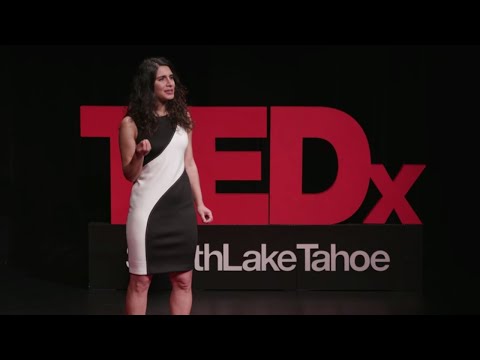
I’d like to start by asking you two
questions and your answers are for you
alone you don’t need to share them with
anyone so be as honest as you can with
yourself first how do you define success
what’s your own vision of success for
your life and second what trade-offs are
you making in the pursuit of that vision
of success our culture tends to define
success very much in the terms of money
or power or glory or fame and so many of
us want to be successful because we
think it’s gonna get us something we
think we’re gonna get some security or
some freedom or opportunity or respect
or sense of worthiness and it feels good
to be successful I’ve been successful it
feels really nice especially if you’ve
earned it and you’ve worked really hard
but there’s some trade-offs there’s a
shadow side to success in this culture
that continues to focus on performance
at the highest levels and I find in my
experience people aren’t talking about
that enough I’ve had countless
conversations behind closed doors about
what the costs are to this desire for
success and achievement and what I’m
hoping is to start a broader
conversation about what people are
sharing with me so in 2013 I was working
for one of the world’s largest asset
management companies the firm managed
trillions of dollars in assets under
management and I had been there for
several years and my colleagues knew
that one of my hobbies was around
personal development and well-being and
that every holiday or long weekend or
vacation I would go to a yoga ashram or
a meditation retreat and they were
curious about it and every time I would
come back they would ask me what I
learned and how I was applying it to my
life and I would tell them and it
started to happen more and more where
they would pull me aside in the coffee
room or they would ask me before or
after a meeting what I was learning and
how I might be able to help teach them
so in 2013 I decided that I would share
my meditation practice with the firm I
was in the New York City headquarters
and I decided twice a week I would lead
a 30-minute guided meditation and anyone
could join if they wanted and once a
week I would write an email and I would
include self awareness and self
management techniques and tools and tips
and I would send it out and slowly the
word of this program spread and the
first session 60 people had signed up
and after a couple years it spread to
1500 people in 17 countries and 31
offices all either dialing in or
listening to the recording or getting
the email now what was interesting was
not so much how widely the program
spread or the fact that we were
meditating on Wall Street what was
interesting for me was what was
happening in between those meditation
sessions and in response to those emails
because people were starting to reach
out to me on a really personal level
they were starting to share their lives
with me and I was able to see the human
side of all these really successful
people that otherwise I would never have
seen and that they weren’t sharing with
other people about two and a half years
later after starting the program I left
the firm but I continued to work with
high performance organizations around
well-being and mindfulness and so I
heard more stories from people across
different industries and different
companies and that’s when it became
really clear to me that there is a
massive trade-off that people were
making in this pursuit of success and it
usually came in three areas first people
were trading off their health their
physical mental emotional health they
were pushing themselves to such extremes
often until something broke second what
trade-off was around relationships they
were either neglecting them or not
cultivating them sometimes until
something broke and the third one was
around authenticity their sense of their
own voice and what they really wanted
they ignored it in the pursuit of
success many times people were
unconscious to these things
they didn’t realize they were making
these trade-offs other times they
realized it but they didn’t know how to
stop and change anything so what were
some of the stories that people told me
well there was a woman who worked in
Washington and she was in the upper
ranks of government now she’s in the
private sector but she had been there
for many years and she told me how she
was recently on her way to a doctor’s
appointment just to get a checkup and
her boss from Washington time called her
and said how are you doing she said yeah
I’m fine
I’m just on my way to that doctor and
her boss old boss said are you okay
what’s wrong is everything all right and
she’s like yeah I’m fine I’m just
getting a checkup it’s no big deal and
in that moment she realized that all her
time in Washington she had never taken
the time to go get it annual checkup
there wasn’t enough time during the day
she felt bad and guilty leaving the
office for two hours
she was mission driven she was trying to
get things done the irony is that in
Washington she was working on health
care policy so she was working to get
insurance for more Americans so that
they could go to the doctor and yet she
wasn’t able to integrate that into her
own life so so often we know what’s good
for us but we don’t actually do anything
about it and I can relate to this woman
because I literally stand on stages and
talk about well-being and sometimes it’s
hard for me as well
sometimes people need some big wake-up
call in order to snap them out of it and
to get them into some sort of behavior
change there was a gentleman that we can
call Jack and he was a consultant I
wanted him to premier consulting houses
and as normally is the case in the
consulting work they often fly to visit
their client if they’re not in the same
city and so Jack would do this every
week he’d fly and visit his client and
then he’d come back on the weekend to
spend time with his family and he loved
his job and he was ascending through the
firm and he was doing great
and then one Thursday night he flies
home and he goes to his apartment he’s
excited to reunite with his family and
his two-year-old son didn’t recognize
him now for Jack that was enough of a
wake-up call that was out of alignment
with what was meaningful to
and what his priorities were and he was
lucky because he could make a change so
many of us can’t if we push it too long
if we ignore our well being that long
right now I’m a Sloan fellow at the
Stanford Graduate School of Business and
I was talking to one of the other
fellows recently and we were just
remarking of how kind of fun and weird
it is that we can wear flip-flops and
shorts every day because we’re so used
to wearing suits and trying to look
sharp and he said you know told me it’s
funny though I actually missed my suit I
said why do you miss your suit and he
said well I felt powerful in it
it was my armor and when he said that I
looked at him and I remembered hearing
that before I’d even said that before
but when do we wear armor where our are
going to battle or going to war most of
us are going into office buildings and
yet the mass goes on and the guard goes
up and the armor goes on and we turn
into warriors and we want to win but
armor gets heavy after a while and even
warriors need to rest
and yet we create these cultures within
these high-performance environments
where we can’t let our guards down
because if everyone else is a warrior
it’s quite intimidating to be a fallible
human being
there was once a executive I was working
with he ran an investment team and
investment division and he was really
interested in well-being and meditation
but he was hesitant he was a little
nervous about it so I had been feeding
him all sorts of facts and all sorts of
science and finally said okay Kobe I’m
ready to try meditating I said okay
great I’ll come to your office he said
just don’t come to my office and I said
well I’m not and he said go be my office
is all glass and my entire team sits out
there they’re gonna see you and I’m
gonna be embarrassed what if they think
I’m weak what if they think I can’t
handle the stress or they don’t they
stop respecting me I’m their boss two
weeks later I was talking to two members
of his team and they said hey Kobe you
know we also want to learn how to
meditate it seems really cool you know
the resilience training why don’t you
why don’t you
teach us and I said okay no problem I
said why don’t we actually use this
opportunity to bring in the leadership
team this gentleman as well as the rest
of your colleagues and we’ll do it
together as a group and I said well
let’s not do that
let’s not tell the boss why wouldn’t we
tell the boss they said well you know we
don’t want him to think that we can’t
handle it we don’t want them to think
him to think that we’re not willing to
do whatever it takes to succeed and so
you have these two parties that are
stuck they’re not I’m able just to be
human and they’re not able to support
each other in that process there’s a
stigma around being human and being weak
in some of these environments and it’s
so detrimental to people
it helped it’s part of what leads to
burnout and so in my effort to promote
well-being I always ask people kind of
where their areas of resistance are it
fascinates me when people resist and
push back around things like taking care
of themselves and one of the things that
comes up and maybe some of you can
relate to it as I’ll talk about taking
care of oneself let’s say well I don’t
even know what that means what does it
mean to take care of myself and I can
relate to that too because there was a
while when I didn’t know what it meant
to take care of myself and if any of you
can relate to that I encourage you to
ask yourself every day how could I take
care of myself today and if nothing
comes to mind keep asking yourself until
it becomes a little clearer until that
little voice starts to become louder
about what you do need in any given
moment so some people don’t know they
really don’t know what it means to take
care of themselves and some people do
but they’re terrified to take action
because they think they need to take
immediate extreme action so I’ll talk
about ok well you know how can we
promote more well-being in your life and
they say well I don’t know my gosh am I
supposed to quit my job right now I
think what no one said anything about
quitting your job let’s start with 15
minutes of extra sleep you know or
learning how to say no I mean there is a
lot of space for experimentation between
starting well being practices and
quitting your job or divorcing your
husband I mean that’s Pete but people
freaked out and they go into the extreme
the other area resistance that I often
hear is people say you know what will be
I’m just delaying gratification
I’m just foregoing my well-being in this
moment until I hit my number until I
make 10 million 40 million until they
become managing director a partner until
I sell the company or pay off the house
or send the kids to college and they
convince themselves that that’s delaying
gratification now to delay gratification
is a hallmark of a successful person you
to be able to forego something in the
present moment for a potential future
payout that’s great
except a lot of people are kidding
themselves because they’re actually
miserable in the present moment
that’s not delaying gratification that’s
called being miserable is it worth it
and so I find a lot of people think that
success and well-being are mutually
exclusive that you can’t have both you
actually have to grin and bear it
you have to earn well-being after you’ve
suffered enough but I’m not sure that’s
actually true I don’t think success and
well-being are mutually exclusive when I
was running that meditation program at
the financial services firm every year I
would send out a survey and asked people
for their feedback you know what could I
do better how was the program impacting
their lives and this is what they said
one year three hundred and thirteen
people responded in this particular year
that was the sample size and of those
respondents 77 percent said that the
program led to them having improved
health eighty-two percent said it
improved their job satisfaction
eighty-three percent said it improved
their relationships eighty four percent
said they were more productive
eighty-five percent experienced
increased mental acuity which we decided
to define his focus and decision-making
90 percent said it increased their
ability to self manage which was time
management and energy management and 90
percent said it increased their ability
to deal with stress and they experienced
reduced stress and that’s just my data
the cool thing about being at Stanford
is there people there who have done tons
more data there’s 30 years of data on
well-being in the workplace and the
benefits not only to the individual but
to the organization
and the organization’s bottom line so
some people then at this point say okay
well what do we do about it and we can
really look at it in two ways we can
look at it at the individual level then
we can look at it the organizational
level at the organizational level it’s
about getting a lot more of this
research applied and scaled and there’s
some companies that are doing this much
better than others there’s a long way to
go though my dream is that every
organization has a Performance Institute
embedded in it not on the side but
embedded in it so that people it
employees from the most senior to the
most junior have access to tools and
resources to help them reach peak
performance but to do it sustainably so
they don’t burn out they don’t have to
sacrifice their health or their
relationships or their sense of who they
are I think more organizations need to
create the conditions to allow their
employees to thrive not just survive and
we need more leaders to have the courage
to come out and be human while leading
and the thing about leadership is you
don’t have to be at the top of the
organizational ladder you don’t have to
be the top guy but you do have to have
courage at an individual level it’s not
one size fits all what your needs are
gonna be different than my needs and my
needs are gonna be different than yours
and we’re gonna have different
priorities so though I would love to
stand here and say everyone should
meditate and you should sleep seven
hours a night and you should call your
mother and you talk about feelings and
you drink lots of water there are all
sorts of different things that might
contribute to your well-being and I
might have some ideas but ultimately
this is where you come in because even
though you might not realize it you have
the answer but it requires that you ask
the difficult questions of yourself and
a lot of people don’t want to do that so
I’ll ask them of you once again how do
you define success how do you envision
it in your life is there a way that you
can expand that definition to allow
space for your
in humanity what trade-offs are you
making in the pursuit of that success
are you okay with those trade-offs are
you really okay with them because when
all said and done it’s your life and we
have to be at peace with each of our
lives and if you’re not okay with it
what are you willing to do about it and
what are you committed to doing about it
and what kind of help do you need and
how could you help somebody else my ask
might transparent call to action is for
you to think about those questions for
the next couple days and when you go to
work next week to ask them of a
colleague then just to listen to the
response and if you have the courage to
share your authentic response as well
because too many of these conversations
are happening behind closed doors and we
could help so many people if we start to
open up the conversation especially in
work environments the reason I’m giving
this specific talk is because I know
that there are so many people that feel
like they’re alone in trying to find
balance trying to find their way in
these success driven environments and
they want to be there but they want to
be there and do it sustainably so I’m
here to say you’re not alone but we do
need to support each other well being in
success are not mutually exclusive
well beings not some prize after you
suffer long enough you’re allowed to
enjoy the experience of your life even
if it’s on the way to something greater
I suppose if I could leave you with one
thing it would be this do not
underestimate the impact you can have on
another person’s life by just creating
the space for them to be human with that
I wish you tremendous success however
you define it and may it be sustainable
thank you
you
Please follow and like us: