
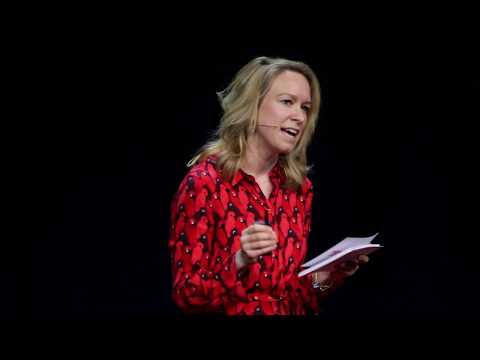
let’s talk about salad hi I’m Nina and I
really love salads I love fresh foods in
general I love food trends and I do love
tea so much that in 2014 I actually quit
my corporate well-paid job and started
an organic lifestyle tea brand I was
ready to disrupt the tea market there I
was living the startup life in the food
scene of Berlin my journey with tea took
me to every corner of the passionate
gastronomic world and I could taste
vegan burritos superfood smoothies or
Peruvian ceviche
isn’t it amazing to have all these
choices aren’t we incredibly lucky let’s
take the hipster avocado egg sandwich I
had one for breakfast thus this week and
probably some of you did too did you
know that producing 1 kilo of avocados
requires a thousand liters of water a
thousand liter for just two and a half
avocados this is just one of the reason
food trends that has greatly contributed
to an alarming water reserve reduction
in the producing country’s water our
most valuable resource I came to realize
how imbalanced the global food system
was and her unsustainable our current
lifestyles including my own talking
about water 2.1 billion people don’t
have access to clean safe drinking water
and here is another number from our
unjust food system 821 million
what does this number mean to you this
number is the reason that keeps me up at
night and the reason why I’m standing
here in front of you today 821 million
people are suffering from hunger to put
this into perspective that would be one
in nine of you so although I enjoyed
running my tea startup contributing to
global food trends I realized I wanted
to do something bigger something that
could have impact on millions of lives I
knew that the UN World Food Program was
working towards ending hunger but it was
not until 2016 when I heard about the
beginnings of the innovation accelerator
that I knew I had found my place in the
global fight against hunger here I could
use my entrepreneurial skills to find
new ways to increase food access for
those people who need it most
my first mission at the accelerator
figuring out how people in the slums of
Lima could eat fresh and healthy food
Lima is known as the culinary capital of
South America and is thriving with some
of the world’s most celebrated chefs yet
thousands of people are suffering from
malnutrition House is even possible even
with Peru being one of the major
exporters of fruits and vegetables
access to healthy food is not a given
for many families living here
I arrived in Lima expecting luscious
green fields to my surprise all I could
see was a sea of sand no running water
nothing green here and I was just
outside the city center in the dry urban
desert slums
an impossible place yet home for three
million people here amid Murli a young
mother eager to provide her children
with a better future in the urban slums
Mary was not struggling with which super
food to buy she just wanted to get
access to fresh and healthy food for her
children especially difficult living in
an area where locally grown food is more
of a fantasy than a reality and what was
available was very expensive how could
we solve this and could something as
simple as salad really be the answer our
deal was to use hydroponics at the time
all I knew about hydroponics was that
it’s a way of growing food that does not
require soil and it turns out you can
also save up to 90% of water did you
know that the majority of the tomatoes
we eat here in Germany already come from
huge hydroponic greenhouses in Holland I
just had to figure out how to bring this
high-tech expensive energy demanding
innovation to the slums of Lima easy
right that’s what I thought
and Myrlie a perfect example of an
ambitious female entrepreneur was fully
on board after all being able to grow
without soil and little water seems a
pretty good fit for a desert challenge
number one make hydroponics growing
simple and self sustainable in a place
with high poverty with low educational
levels and with limited access to
electricity
my fellow WP innovator Lucretia merlion
dial set up a team with a common vision
combining different skills to tackle
this ranging from all local mothers
teachers a hydroponic university expert
a carpenter and a nutritionist
we started replacing the real expert at
the center of the design the end user
together with them we decided to dive in
headfirst and just start building
hydroponic hits from scratch learning by
doing was our division Murli get
extremely creative making sure to only
use locally available material that
would be accessible and affordable from
wooden pallets over black garbage bags
styrofoam corrugated metal sheets or
plastic cups or workshop at the
community center soon became an
unconventional testing garden I’m not
saying the path was easy there was a lot
of frustration on the way plans wouldn’t
grow not everyone was convinced at first
and competition broke out between the
different growing parties it’s a lot of
work and it does require dedication but
together we tested different ways of
growing and we celebrated successful
solutions human centered design and the
slums of Lima if he now wanted to grow
vegetables just for your family one to
two square metres was enough to have a
monthly supply of vegetables we had
successfully made it simple for families
to have access to fresh foods all while
keeping the usage of valuable water at a
minimum and after three months the
initial investment could be paid back
age to grow how we call our hydroponic
program is now being rolled out across
Lima Mele can now feed her kids healthy
food and she sells her produce at the
local market
little did I know this was just the
beginning in Lima we managed to green up
the desert but would this also work in
other impossible places it was time to
find out my next stop the Algerian
Sahara Desert meet olive another friend
of mine a Sarabi refugee and
agricultural engineer Talib is a true
inspiration a modern-day superhero he
was 6 when he came to the Sahrawi
refugee camps in Nigeria and he has been
the Sarabi people are traditionally
nomads and for them livestock is
extremely important
livestock forms part of the culture the
heritage at the history also the meat
and milk they produce is vital for human
nutrition but being completely isolated
the camp’s are 2,000 kilometers away
from the capital and the closest Harbor
they are dependent on external food aid
so people rarely have the means to feed
themselves let alone their animals so
reality very often looks like this the
animals have to eat garbage I’m sure you
heard the saying you are what you eat as
you can imagine the nutritional value of
the meat and milk these animals produce
is extremely poor so malnutrition rates
are high amongst the refugees Talib’s
idea was to use hydroponics to grow food
in the desert again but this time for
his goats why for the local users Talib
and his fellow CeraVe animals are the
most important asset that they have
there are solar powered high-tech
containers that can grow barley fodder
in only 7 days from seed to harvest with
the use of vertical layers tan
would be able to harvest a hundred kilo
every day enough to feed 40 goats I
thought let’s go big in Algeria and
bring hi-tech hydroponics here the
results of the test group were
absolutely amazing
goats that were fed with a fresh water
produced 250 percent more milk than the
girls eating garbage thinking about
scale-up
we calculated that with enough high-tech
units we could ensure food exits for the
whole camp
but how could tens of thousands of
refugees afford such an high-tech
container with thousands of dollars
could everybody run such a complicated
system this couldn’t work had we failed
so back to the drawing board we needed a
sustainable solution what was the magic
key in Peru make it simple tallip
started to rebuild a hydroponic
production unit using only locally
available material the investment for
this local unit is just ten percent of
the one of the high tech and still at
sixty percent productivity
tallip was happy his goats were happy
the community was happy by now 200 of
such local units are being built across
the camps different sizes and forms and
many people therefore now have access to
more and better milk the most amazing
piece of this however is that these
refugees who had been dependent on
external aid for over 40 years can now
take things into their own hands because
change is possible
even in places where you would have
never expected it today they themselves
can grow fodder secure access food for
their families and they are being
self-reliant they are champions of the
food system but we are not only talking
about food
can you imagine how it is to live in
violent conflict or having to flee from
it all of the countries of the Sahel
Belt have quite similar conditions to
the ones in the Sahara and due to
climate change
dry seasons are getting longer and
harsher rainy seasons are shorter ground
water levels are dropping and therefore
grazing lands get scarce the walls of
our time will be about water our most
valuable natural resource and it’s
already begun the Darfur crisis that led
to displacement of 3 million people and
started in Sudan in 2003 was fuelled by
conflicts over grazing lands I recently
met a representative of Sudan and he
said if he would have had hydroponics
already 16 years ago the Darfur crisis
could have been partially prevented so
when I talk about hydroponics I’m not
only talking about the but the growing
food in impossible places I’m also
talking about the potential to help
prevent conflict to ensure peace and
security
nearly 400,000 Sudanese refugees live in
camps in eastern chad along the border
to sudan having fled the for access to
grazing lands is extremely difficult in
dry season and mostly the women have to
walk for miles and hours to find fresh
water during those walks they often
become victim of violence or rape if
they can grow the food where they’re
needed at home these women can be safe
this January together with Talib I went
to Chad and I sit down with the Sudanese
refugees to discuss the issues that they
had around feeding their livestock
during during dry season
tallip told his story from refugee to
refugee and he said if we can grow food
in the sahara desert in camps
established over 40 years ago we can do
it here in the Sahel too in 14 year old
refugee camps it was that moment when I
knew we were on to something bigger
there was hope in December of this year
in eastern chat we will have set up a
hundred and fifty units all run by
female cooperatives I’m happy to say
that age to grow is active now in nine
countries having grown far beyond Peru
Algeria and Chad the hydro revolution is
now greening up Jordan
Sudan Kenya Namibia Mali and Niger
always slightly different variations of
the solution
our vision is 21 by 21 to scale this to
21 countries over the next three years I
know because I have experienced it
change is possible in the most
impossible places and every one of us
can make a change everyone can have
impact in ways that we couldn’t even
dream of if you follow your passion if
you do what you’re good at all you have to do is take the first step
Please follow and like us: