
so the year was 2003 I was more than
7500 miles away from home and I was
thrilled I had prepared I had been
taught I reflected on global health
culture and Swahili culture this is the
reason why I was in Tanzania and Nairobi
Kenya and then the bomb started to fall
in late March our country declared war
on Iraq and the very reason in which I
had gone to be a global citizen of the
world around me to learn to be more
culturally competent and checked those
boxes my space my body in that space
became dismantled in a moment the State
Department who was tracking my every
move in another country said we are not
going to limit you staying here in East
Africa but you can no longer travel to
the rainforests of Uganda where you had
plan to study health and medicine so
instead my wonderfully amazing Danish
professor we’ve got another plan we’re
going to go to Arusha Tanzania and we’re
going to stay with some Black Panthers
who are living in exile there my world
stopped in a moment I had come to East
Africa as an african-american female but
I had not prepared to learn about
african-american culture I had no idea
about what it meant to be a black
panther in exile and I knew as one of
ten students on this cultural excursion
and the only african-american that I
would be called to task for
understanding the very cultural and
self-awareness that had brought me to
this place that I had been able to
travel the country and enter into
colleges and learn about how free
breakfast programs in which they had
started were the very essence of health
thankfully when entering into the
compound of the UAC
baba P who immediately told me to call
him by the swahili name a father said
you are welcome here and this is your
chance to listen to learn and to reflect
on all of the many things that have
brought you to this moment so as I think
about cultural competency and I’ve
entitled this talk that cultural
competency cannot be taught it is really
a chance for us to go beyond and to
think deep and that starts with our
self-awareness our awareness of the
communities that have brought us to
where we are and the global world in
which we are all citizens so I returned
from East Africa and only having to be
evacuated one day earlier than I had
expected
to leave and I came back to a much
changed United States I came back to a
much changed
Brande in terms of what did my place
would in my role in the world in which I
now inhabited what did that mean for
those who lived around me and we’re also
going to be the future generations to
come from me and so I thought about
those lessons
I thought about listening listening
intently to the stories that make us who
we are listening to the lived
experiences of others and learning from
that knowing that that is just as rich
of data as it is what we read in history
books or the numbers in which we see on
our census tallies or any other data
points that we might be used to and I
thought about that moment of reflection
what are we going to do differently in
our lives to be more culturally humble
to be more culturally available to all
of the things and all of the people that
want to share their expressions of joy
and visions for hope for a future of
their own personal agency and the
well-being of their communities with us
I’m not just stopping there on listening
and learning and reflecting but that
this cultural competency this thing that
we call this has to be a constant
journey and paradoxical in many sense
that there is no end point to where
we’re trying to get to there is not a
destination that we’re trying to reach
with cultural competency but it is a
constant repeat and reflection of who we
are so that led me through multiple
years of more education and traveling
the country and going across chasms that
I would not have expected that were
places that I already thought that I was
aware of talking with young black girls
around the country between 12 and 22
years old about their excitement and
their joy for who they were when did
they find out that they were a girl when
did you first know that you were black
in this society what is your vision for
the future many years after that I was
asked to come here to Louisville to run
the center for health equity which has
been doing this crossing of cultural
lines for over 10 years in this
community we have a start
number a stark story that we tell here
in Louisville
about the differences of those spaces
and those bodies that are in those
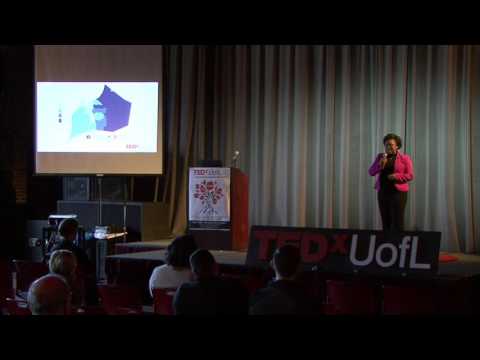
spaces this image that you see here is a
map showing life expectancy in
Louisville from one zip code to another
there is a 16 year life expectancy gap
from one side of our city where you see
the lightest colors on this map people
live the shortest lives everything due
to air quality and their access to
healthy foods and vegetables and even if
there is a clinic that they can go and
take care of their very basic needs put
the Center for Health equity we’ve been
going deeper than just what these
pictures are these stories tell we’ve
been crossing that chasm in our
community that 9th Street divided that
we so easily and readily talked about
we’ve been asking what is the root of
this how did we get here how do we
listen to the faces and to the voices
behind these numbers behind this map how
do we reflect on the stories that people
tell about their lived experiences day
in and day out and that often times it’s
not just that I don’t have a doctor to
go to but sometimes when I go to that
doctor that doctor doesn’t even look me
in my eye because I perhaps am the wrong
color perhaps I don’t speak the current
or correct language that the medical
community is wanting to talk about or
perhaps it is just the stress of walking
down the street and knowing that you
look drastically different from those
who are in power around you so when we
talk about cultural competency in the
Center for health equity we’re actually
talking about how do we change those
systems and those structures to make it
to where there is not a box that we need
to check if someone is culturally
competent or aware or not but that we
are providing a space where everybody
can live the fullest life possible and
thrive despite where they live knowing
that your geographical area or that your
zip code should not determine your life
destiny it should not determine if you
are able to live or die it should not
determine if you are able to be at your
child’s graduation or not in the center
for health equity we are starting this
work right now more intentionally in
terms of putting into place actual ways
in which we can operationalize the
policies the programs the budgets that
go through our public sector who is most
burdened by the decisions that we make
who is most burdened by the lines that
we decide not to cross in our community
or the stories that we choose not to
face around our own cultural blind spots
those cultural blind spots that I might
also have had in 2003 one of the ways in
which we are doing this is talking about
race and racism as a root cause for
people’s health oftentimes we say well
how does culture and race and ethnicity
how does that impact people’s life
outcomes when we look at this map and we
see those lightest areas on the map we
also know that that correlates where
there are a majority of people of color
living in this city so is it just really
crossing into a zip code
are there more about those bodies that
are in these spaces
and when we look at this we know that
the impact in the oppression that
happens when people are losing their
lives 16 years less life lived than
others that that is impacting those at
the top as well the United States is in
the fifth quintile on the global
inclusiveness scale out of 138 countries
with all of our resources and all of our
assets here the United States in the
fifth quintile the United States is 53rd
in life expectancy for countries around
the world with all of our resources with
all of our assets with all of our
prowess why are we 53rd in life
expectancy
so when you look at this map and you see
just a tidbit of what it is looking like
in this country in our state and around
the world we see that where there are
large gaps in income and life expectancy
between the highest and the lowest there
are going to be lower rankings for us
all so when we ask that question about
why is the United States in the fifth
quintile out of 138 countries on the
global inclusiveness scale or why is the
United States 53rd in life expectancy in
all the world we can start asking
ourselves questions about how culturally
aware and inclusive have we been in
terms of asking people their stories and
not sharing our answers with them but
reflecting and actually repeating that
process and going through the journey
with them again so as you think about
the work that you do
and the life that you live I would
encourage you to cross those chasms in
your life cross those spaces of the
ninth Street divide that we have in this
community who are you most concerned or
feeling marginalized by how can you have
a conversation with those individuals in
those institutions so that you might
also be aware of what those cultural
blind spots might be in your life so no
cultural competency cannot be taught but
it very much can be learned if we start
to open up the spaces in our own worlds thank you
Please follow and like us: