
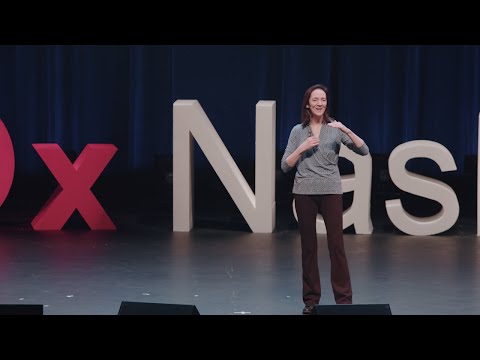
as director of music in the brain I get
to work with a lot of really amazing
music teachers and one of the things I’d
like to do the most is go and visit them
in their schools in action with their
students I never fail to learn during
these visits for both the teachers and
the students one story I’d like to share
with you is about hey-zeus a first-grade
student from a special ed class the day
I visited his music teacher Robin with
teaching a great lesson everybody was
engaged having fun except for this one
little boy who was sitting outside the
group with his back to it and just
remained like that for the whole period
he was not participating after the class
left I asked Robin about him and she
said that hey-zeus was on the autistic
spectrum and that his homeroom teacher
was thrilled he even came to music class
because in her room he spent most of his
time under a table anyway some period of
time went by and I got a note from Robin
with this inside okay I don’t even look
if it’ll make me cry he says had gone
home written this piece of music he
brought it in to show Robin and then he
played it for the class I’m amazing and
this is just one of thousands of
examples about music in our schools the
neuroscience it’s Robert Satori said the
human brain can do a lot of really cool
stuff and he also said music helps us
understand the brain hey-zeus brought
these two comments to life but I want to
thread up to all of you for a moment and
I want to ask you two questions that I
always ask the teachers I work with when
I first do a workshop with them by show
of hands how many of you right now feel
it would feel comfortable reciting 10 to
20 poems by heart don’t raise your hands
all at once ok
what if I ask you about lyrics of songs
there we go
10 to 20 is pretty easy right maybe
hundreds or thousands I always get this
response but it’s not something you
should take lightly or take music for
granted it’s really amazing that music
sticks this way and it sticks with us
from the time we’re really young at or
really really old think about the
alphabet song you learned this a long
time ago you’re never going to get rid
of LMNOP it’s with you for life it’s
there and honestly if you tried to say
the alphabet it would be hard to say it
if you didn’t use the rhythm of that
song children can sing the alphabet song
way before they can say the alphabet
understand it or read it and it’s almost
in that case like music is jump-starting
the brain so all this is really cool the
problem is that public elementary
schools in this country are cutting
music out this is not the case of
private schools nor in many other
countries around the world I don’t think
it has to do with budget but rather
vision there are schools that have two
music teachers some have one and way too
many have none because of a choice a
principal made or maybe a school
district or maybe the city or state I
believe music is missing from elementary
education because people don’t
understand how important it is and how
music is seminal to learning music is a
language it’s a universal language it’s
readily embraced by children and very
accessible and like any language it’s
best to start learning it when you’re
young in music in the brain when I first
started designing the curriculum
decently I really didn’t understand how
much 4 to 8 year olds could do I
underestimated their power and I spent
the next 20 years
redesigning the curriculum and the
materials the number of songs they could
do in a year all of that stuff to try to
creep up to their level
to try to reach their potential during
these 20 years there were also a lot of
studies showing that music helped in
areas of literacy math abstract
reasoning even acquiring a second
language and if cognition is not enough
there’s also studies that have been
going on talking about how music affects
health things like autism dyslexia
attention deficit disorder health issues
that really affect how children learn
and yet music is being cut out of
schools honestly we don’t really need
studies to tell us that music is
important and powerful we have so many
examples all around us I’m sure all of
you do and if music did nothing other
than make us happy or spark our
imagination raise self-esteem inspire us
soothe and calm us heal us and just get
us through the day it would be more than
enough
but music does more than this imagine if
this is what you get listening to music
what would happen if you actually
studied it it’s like the difference
between visiting a city one time or
living there you come to really know it
understand the details about it you own
it everything on this list is enhanced
when you study music and for sure
when you go to a music class you learn
how to listen listening skills help us
not only learn but they help us
throughout our lives
so we’re talking about music now’s time
for a mini music lesson you’re all going
to be a part of this lesson
so get ready if you already understand
music and read it that’s great you can
help if you don’t I hope that in a few
minutes you’re pleased with how fun and
easy it is
I’m gonna keep this very very simple
tonight this well five minutes
represents a small part of a real lesson
there’s two components so we’re gonna
think about pitch and rhythm what the
note is that you’re gonna play and for
how long and this is simple in music
there’s only seven different notes
doremi faso lotty and if you’re
channeling the sound of music right now
you’re on the right track and these are
going from low to high and one note can
only go to another note three ways you
can go up it can go down or it can
repeat so you could have something like
doremi dodo ramie doe that’s all those
seven notes can do then there is rhythm
we sound moves through time with beats
like a heartbeat and beats are written
in two measures which makes it easier to
read each one of these lines is of
measure there’s four basic kinds of
notes whole half quarter an eighth and
as their fractions imply the whole is
the longest and then they get shorter
going down so what I’m going to do to
get you in the mood for your performance
your upcoming performance is I’m gonna
put on a rhythm track cuz I’m kind of a
cool funky drum groove here we go so
just to get into the feel of this just
maybe nod your head a little bit tap
your toes okay yeah woo and whatever
you’re gonna have to clap in a minute
but I want to show you how I’d like you
to clap each one of these is kind of one
two three four now the whole notes gonna
take the whole measure and you would
clap it like this
one two three four showing that it lasts
a long time half note each get two and
you would type them like this one two
three four now the quarter notes are
simple each gets a beat one two three
four and the eighths notes are shorter I
can squeeze two into a beat and they go
like this
I know it’s hard for you to hear but
you’re going to get this now it’s your
turn
we’re going to um clap one measure at a
time go to the next and what I’m gonna
ask you to do is pipe with me and do
each one of these measures two times so
if you don’t get it the first time
hang in there and you’ll get it the
second time and I’ll count us in so gar
we were sitting up we’re ready to clap 1
2 3 4 and repeat it hold on
I’ve lost the beat now see I found it
again 1 2 3 4 yes good look at this one
see if you can hear it in your head
1 2 3 4 again we’re rushing a little bit
that’s because you’re eager for your
performance I’m sure and our last one
have something in your body to feel this
ok 1 2 by yourself go nice very good
you’re ready for the song I hate to turn
this off but we’re done you have just
played what the best is yet to come
you’ve just packed the rhythm for this
entire song that you are going to sing
take a look at it all that we’re gonna
do is put the door Amy’s into those
beats and sing them ok so because each
measure repeats I thought I would teach
it to you by singing you one measure and
then you sing it back to me ok
if you have trouble reading it or seeing
that the door a maze you can sing
la-la-la-la but i’ll sing it to you and
you’ll say get back and i’m gonna show
you the shape of the melody with my
hands
this often helps people to get those
pitches so here we go this time you
really need to sit up to sing it’s the
best way to get it out and everybody try
everybody can sing one I’ll go first and
you like on my back 1 2 3 4 doe ramie
doe me facile solo so far me doe doe
sold oh nice anybody recognize this yes
of course but I didn’t call on you ok
so it is Farah Chaka it’s also are you
sleeping and where is thumbkin how far
back does that song go
how could you recite those lyrics this
song is over 300 years old
yeah and it’s it’s a mega hit still so
we’re not gonna sing it in French I know
you’re all dying to learn French right
now but we’re gonna sing it with the
dough Raimi’s I hope you’ll be able to
read them but it’s not sing la la la and
the fun part about this song is that
it’s around and that means we need two
groups and you’re gonna start it and at
different times and by doing this we’re
gonna create harmony and counterpoint
and glorious music together so now
everybody from this side of the
orchestra over you are Group one and for
this side over is group two just to be
really really clear we’re gonna
everybody’s gonna sing from the first
line through the fourth line before
stopping and I will tell you when to
start
so that’ll that’ll help you a little bit
okay are we ready for this group one are
you ready yes okay I’ll bring you in and
I’ll bring you into in a moment well and
you sing all the way through on your
one two three four
doh ramie dodo keep going
don’t mido me
the hair on my arms are standing up and
I don’t even have hair on my arms okay
so I just want to leave you with some
some thoughts as we’re ending here to
everybody here if you’ve ever thought
about studying music it’s never too late
you just have to want to do it and you
have to practice I also encourage you to
explore the whole world of music I don’t
know if you’re like me and you wander
around with your Walkman and you listen
to those same songs over and over again
but it’s really great when you discover
new music and find that you can fall in
love with it and I also want to
encourage you to look at some of the
research that’s going on there’s books
there’s stuff online there’s videos
about musics effect on the brain it’s
very far-reaching from again from very
young to the elderly and it is really
moving and I think you’d be fascinated
by it
musicians think about teaching it’s
really fulfilling work and you will
absolutely hone in on your craft when
you teach it to somebody else
and finally parents and grandparents
caregivers and anybody who cares about
education early education please
advocate for music in the schools we may
lose it if people don’t stand up and
make noise about it you may have to go
through your PTA or call your principal
or write to them organize people to do
this you may have to fundraise but it’s
it’s worth it music is worth it it makes
a huge difference in the lives of young
children it strengthens them it
strengthens their brains music is
empowering so please let your voices be
heard thank you you