
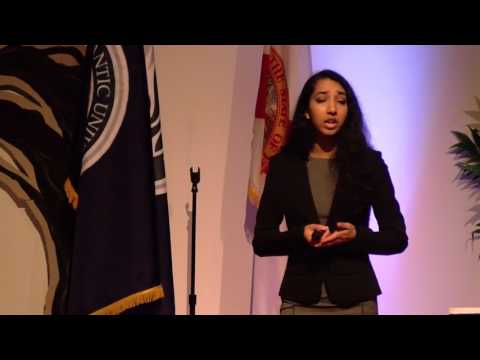
playing in the video you just saw I’m
here to share with you all my personal
experience of using music as a means of
cheating dementia patients and how
effective it really is but before we
begin I’m sure you all have different
thoughts on my piano performance some of
you might be musicians yourselves or
classical music lovers and you enjoyed
it however it for the rest of you
classical music just might not be your
thing and you’re patiently waiting for
it to end which is okay however this is
exactly how however if this was a piece
that you had heard before and maybe
something you’re a little bit more
familiar with you would have probably
enjoyed my performance a little bit more
this is exactly how a dementia patients
feel when they hear a song they grew up
with in a matter of seconds they change
from being completely stiff unresponsive
staring blankly into space to coming to
life some of them are unable to remember
their own name but can remember all the
lyrics to a song they grew up with let’s
take a moment to talk about how the mind
of a dementia patient works dementia is
not a disease itself but rather an
umbrella term that includes many
diseases underneath it it’s a very
general term for the decline of mental
abilities that interferes with the
person’s ability to perform everyday
tasks some of the most common forms of
dementia or Alzheimer’s and you can see
some of the other forms in the screen
behind me one of the most damaging
effects of dementia is the overwhelming
death of nerve cells which are known as
neurons it is the connections between
these neurons that results in the
formation of a memory which is known as
a synapse so as you can imagine the
death of neurons results in the
destruction of synapses which in turn
results in an individual’s inability to
reform memories as well as recall
previous ones the death of neurons also
results in a lesser amount of tissue in
the brain and since the brain is made up
of tissue this causes the brain to
literally shrink over here you can see
images of healthy brains compared to
brains that are affected by Alzheimer’s
and how on their place on top of each
other when is significantly smaller than
the other one of the main parts of the
brain that is affected by
is the hippocampus and since this part
of the brain is directly involved in the
formation of memories you can imagine
why memory loss is one of the first
parts of the brain to be affected in one
of the first symptoms to be detected in
Alzheimer’s another part of the brain
that is first affected by Alzheimer’s is
the cortex this is the largest and most
complex part of the brain and is
involved in reasoning and recollection
which is why these are some of the first
two tasks to become impaired in
Alzheimer’s patients as the disease
progresses these two parts of the brain
along with several others begin to
shrink and shrivel up which causes
something that is known as vegetables
which are fluid-filled spaces and over
time these spaces get larger and larger
because that’s just the way the disease
progresses it gets worse and worse as
time passes in this next slide you can
see how Alzheimer’s progresses over time
and how over time it takes up pretty
much the entire brain as it turns out
music uses the part of the brain that is
most directly affected by Alzheimer’s
the cortex over here you can see how
every single part of the cortex is being
used by the musician to play the
instrument to give some more concrete
examples the visual cortex is used in
reading music and reading lyrics and the
sensory cortex is used when playing
musical instruments the brain also
possesses a characteristic known as
neural plasticity which is the brain’s
ability to change according to stimuli
that are presented to it so upon
repeated exposure to music the cortex
will actually begin to expand which
counteracts exactly what is affected by
dementia by a show of hands how many of
you know someone who is affected by
dementia that’s pretty much the entire
audience there are currently about 5.5
million Americans living with
Alzheimer’s right now this number is
expected to rise to 15 million by 2050
about half a million of these people are
just in Florida alone these numbers are
only going to keep rising if immediate
action is not taken Alzheimer’s is the
sixth leading cause of death in the
United States and about one in three
seniors dies from Alzheimer’s so what
can we do to combat the spread of this
disease one thing we can do is to
incorporate mentally stimulating
activities into nursing homes and
assisted living facilities it really
does work to slow down the progression I
say this from personal experience
shifting gears a bit let me tell you a
little bit about myself I took piano
lessons for pretty much my whole life I
took voice lessons in high school and I
was a part of my high school choir for
all of high school my education in music
was just as important to me as my
academic education I wanted to pursue
both of these alongside each other and
even auditioned for a few music schools
but decided to only focus on academics
upon hearing about the honors college it
was after i started my first semester
here that i realized how important it
was for me to have music in my life I
felt almost oppressed and like an
important part of me was missing I
considered transferring and seriously
looked into other schools with the
intentions are actually leaving this one
and while I do love it here at the
Honors College to my utmost frustration
I was unable to find any serious music
related activities to get involved with
this was until I came across an
organization known as mind and melody I
learned that this organization used
music to help dementia patients I’ve
been involved with them for a little bit
over a year now and actually completed
an internship within this past summer in
Miami there’s two things that stood out
to me about this organization the first
was that it was starting by school
alumni who graduated from the school and
looking at where the organization is
today I found this pretty impressive the
second was that they did not just
perform for their participants which is
what they refer to their dementia
patients as they actually created music
lessons which they taught to them they
taught them concepts such as music
theory dynamics tempo rhythm conducting
the list can go on and on they even
created a color-coded system which they
use to teach their participants how to
play the keyboards being a pianist
myself I really appreciated this one
instance in particular that stood out to
me happened at a session in boco one of
our participants was very stiff
unresponsive and in his more severe
stages of Alzheimer’s he had a very
strong
quiver in one of his hands that
prevented him from holding simple
objects we found out that this
individual used to be a professional
violinist but due to his Alzheimer’s
here completely stopped playing his
instrument just like many others so
you’re brought him a violent to see what
would happen with a little bit of
encouragement he picked up the violin
and began to play peace flawlessly
without missing a single note the
Quivers in his hand went away completely
you would think they didn’t even exist
some of our participants do not have the
physical ability to actually respond
instead they might just smile however
this is not just a smile this smile is
an indication that we were able to
connect with each other through the
powerful medium of music it’s two
instances like this that I realized how
therapeutic music can actually be and
that it’s almost like its own unique
form of medicine by through our music
sessions we provide our participants
with the mental stimulation they need in
order to slow down the progression of
their dementia it’s one thing for me to
stand here and tell you about it it’s
another thing for you to see it for
yourself which is why I have some videos
to share with you all the first video
here is an example of the color-coded
system that i mentioned earlier that we
use to teach our participants how to
play the keyboards
[Music]
in the next video we taught our
participants no values and allow them to
create a rhythm out of it so you can see
the session they’re leading them in
clapping out the rhythm q ready quit the
next video is on dynamics and dynamics
is how loud or soft a piece of music is
so when the session leader raises her
hands the participants get louder in
volume and she lowers her hands back
down they get softer and volume
[Music]
yeah in the next video our participants
are just singing a simple skill that we
exactly is it piano the next set of
videos are instrument demonstrations and
in instrument demonstrations we like for
participants to experience different
types of instruments from different
cultures all around the world so what
you can see here is us showing our
participants the drums we have another
our next set of videos are on what our
participants probably love to do the
most which is singing dance and the
first video I was actually there at the
session it’s probably one of my favorite
moments ever we were about to leave and
one of our participants mentioned that
fly me to the moon was one of her
favorite songs we had to fulfill her
request we couldn’t just leave without
singing it for her so he literally
googled chords and lyrics on the spot
and saying it to her as we walked out
and the way she just instantly came to
life is incredible
[Music]
and the last video I have for you all is
just one of her participants enjoying
herself during a music session there are
three aspects to having a successful
music session the first one is to give
our participants individualized
attention so they know that we’re truly
there for them and we really want them
to understand the material representing
to them the second aspect is to make the
sessions as interactive as possible to
actually give our participants a baton
while we were teaching them how to
conduct actually give them a keyboard so
that they can play the song on the
keyboard and the last one is to have as
much music as possible because reminded
melody that’s what we do so one of our
favorite ways to conclude our sessions
is to sing a song with all of our
participants and have everybody involved
our participants will of course be
singing because we’ll choose a song that
they’re familiar with they’ll also be
playing the simple instrument such as
the maracas and tambourines that we get
to them at the beginning of recession
and we also have all of our volunteers
involved everyone will be singing and
everyone will be on their own respective
instruments so to conclude my speech I
would like to do exactly just that
except there’s a catch we’re not only
going to be singing together I would
like to teach you guys a rhythm so you
can keep beat as you make music on top
of it so I’m going to teach you a beat
it consists of four parts for the first
part you’re just going to beat your
chest okay for the second part you’re
going to snap for the last two beats
you’re going to clap so altogether the
one-two-three-four one-two-three-four
okay good job we’re going to try it
little bit faster and keep going no
matter what happens feel free to join in
singing what you should join in so
you’re going to be doing two things
you’re going to be keeping beat and
you’re also going to be singing with us
on the count of four everyone start
one-two-three-four one-two-three-four
[Music]
you like a river flows surely to the sea
darling so it goes some things are meant
river flows surely to the sea darling so
[Music]
[Applause]
[Music]
you
you
[Music] [Applause]