
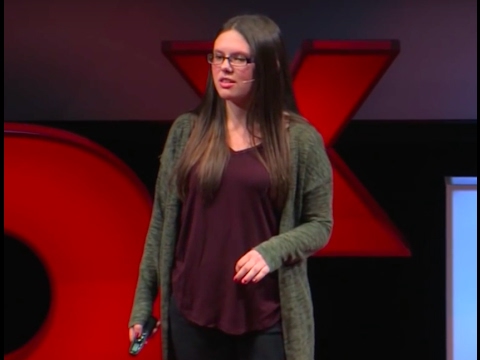
currently senior at the University of
Richmond
studying environmental studies and
anthropology note not art I don’t have
an artistic bone in my body I can’t draw
paint sculpt sing or dance and I’ve
never really considered myself a
creative type but earlier this year I
curated an art exhibition at the
University of Richmond downtown and
despite my aversion to all things
artistic it has been one of the best
experiences I’ve had since coming to
Richmond three and a half years ago the
exhibition is titled transportation
today and tomorrow envisioning a Greater
Richmond through photographs by local
artist Dean whitbeck and interviews
conducted by yours truly and my
supervisor Alexandre Byram we were able
to create a thoughtful impactful
representation of a complex social issue
transportation now I’ll admit
transportation isn’t the most glamorous
topic but it’s essential it’s what gets
us from our homes to school or work or
the grocery store we literally couldn’t
get anywhere without it and yet how many
of us really think about our
transportation on a daily basis we get
in our cars and we go for many people in
Richmond however it’s not that simple as
many of you probably already know
Richmond has a public bus system G RTC
it isn’t perfect buses aren’t always on
time the current bus routes are mostly
restricted to the city while the current
job opportunities are mostly out in
Henrico and Chesterfield counties so the
buses don’t really connect the places
people live with the places people work
when construction or a traffic accident
gets in the way buses are rerouted and
some stops are skipped over completely
when you’re running five minutes late
and you have a car you arrive at your
destination five minutes late when
you’re running five minutes late for a
bus there might not be another bus for
an hour then what do you do
Richmond has been working diligently to
improve its public transportation system
just in the last few years a team from
the city and G RTC leadership developed
the Richmond transit
work plan a long document outlining
several different options for a regional
transportation network thanks to the
efforts of our VA Rapid Transit a
non-profit advocacy group bus rapid
transit will soon be coming to Richmond
a higher speed bus in a dedicated Lane
called the pulse it will connect Rockets
landing in the east with willow LAN in
the West and will mean more buses
shorter wait times and more reliable
service for everyone I was inspired by
all of these efforts when I began
curating this exhibition we worked with
Tripp Pollard a senior attorney from the
southern Environmental Law Center a
group that’s done a ton of legal work
around transportation in the past few
years I interviewed people from our VA
Rapid Transit Virginians for high-speed
rail Richmond’s urban transportation
planning division bike walk our VA the
Timmins group the better housing
coalition the Richmond branch
n-double-a-cp
the Virginia Hispanic Chamber of
Commerce and our very own University of
Richmond what a list these people know
so much about transportation and its
impacts our exhibition was shaping up to
be educational informative and inspiring
but something was missing from the
dialogue we were constructing
approximately twenty eight thousand five
hundred people used G RTC every day
that’s twenty eight thousand five
hundred people
navigating bus schedules waiting at bus
stops in all kinds of weather and
depending on a publicly provided
resource to get them to their jobs in
the mornings and back home to their
families in the evenings these are the
people who use Richmond’s bus system
every single day and think about what it
means for their lives much more often
than you or I but they were not the lead
authors of the Richmond transit network
plan and nobody really asked them if
they wanted a new bus so myself and
several others from you are downtown
stood out at the transfer Plaza in
downtown Richmond where people change
buses all day long I was expecting a
whole lot of negativity in the months I
was working on this exhibition I had
heard all about how the buses are late
and don’t get people where they need to
go one hundred and twenty eight thousand
jobs in the Richmond region aren’t
accessible by G RTC people had to be
upset about that
right wrong the ten riders we
interviewed were overwhelmingly positive
about their bus riding experience David
told us it was an affordable way to get
around Shakya told us she had great
conversations with the bus drivers and
other riders during her commute April
told us she loved the bus loved the
people and was really just thankful to
have the resource we asked every
interviewee the same question what is
your vision for transportation in the
Richmond region community leaders and
transit riders alike expressed hope for
a regional transportation network that
works for everyone people who drive ride
a bus ride a bike or walk people who
live in the heart of the city and people
who live out in the suburbs young people
who really don’t want to own a car or
can’t drive yet and older folks who stop
driving a long time ago Kathryn brake a
planner from Richmond’s urban
transportation planning division may
have said it best connected regions at
work work for everyone
interviewing both community leaders
doing great work in the field of
transportation and transit riders using
Richmond’s bus system every single day
gave our exhibition a diverse collection
of perspectives on opening night our
interviewees came and were able to meet
talk about their experiences and discuss
the potential for change but social
change doesn’t happen overnight just
because we put some photographs quotes
and graphics on a wall doesn’t mean the
issues magically resolved so the artwork
is up what now since the opening we’ve
hosted several events in the gallery
space that have provided further
opportunities for people to get together
and brainstorm tangible and practical
steps towards regional transportation
solutions a land use class from the
University of Richmond School of Law
heard from two of our interviewees about
weight as they could get involved as
future lawyers and leaders just a few
weeks ago we hosted a dinner to talk
about the role of university
transportation in the city of Richmond
students faculty and staff from both you
are and VCU came together to talk about
what works when we’re trying to get
students into the city and what doesn’t
creating opportunities for students in
particular to become informed
transportation advocates has been one of
the best
of this project the exhibition comes
down in January but our hope is that we
have created lasting partnerships
between individuals and organizations
who wouldn’t otherwise be working
together though the artwork itself
cannot fix the issues with Richmond’s
transportation system the ideas brought
forth from community leaders and transit
riders alike have a better chance of
being incorporated into future planning
efforts thanks to our exhibition art is
a powerful medium for social change it
can prompt dialogue connect people who
wouldn’t otherwise collaborate and
create space for voices previously left
out of the conversation I hope each and
every one of you feels inspired to think
about these big social issues in
different and exciting ways and more
than anything
next time you’re dreaming big about
solving homelessness poverty or
education think about whose voices
aren’t included in your conversation and
what you can do to get them to the table
Emily thank you so much for being here
tonight
I actually took AP environmental science
last year and while I can’t say it was
my favorite class it was definitely a
topic that really interested me how did
you get into environmental science my
mom has been an environment advocate
since I was a little kid so we just
always spent a lot of time outside
together my mom’s my best friend so it
just kind of turned into an educational
interest and now I’m a career interest
as I’m getting ready to graduate college
well congratulations and thank you thank you for being here