
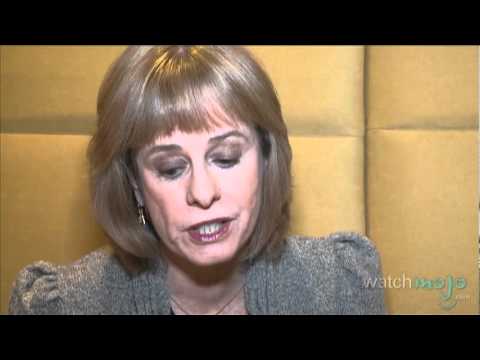
her fascinating career was the
inspiration for the television show
bones hi I’m Rebecca Brayton and welcome
to watchmojo.com and today we’re
speaking with author Kathy Reichs about
her work as a forensic anthropologist
friends anthropologist is a physical
anthropologist with a specialty in the
human skeleton so we work for medical
examiner’s and coroner’s for law
enforcement for the military for
disaster recovery and we’re brought in
when a pathologist can’t do a regular
autopsy because the body is mutilated or
decomposed or dismembered or burned or
mummified or just bones and we addressed
primarily the question of who is it
identity and then what happened to the
person the cause or manner of death
sometimes the question might be how long
is that person been dead sometimes the
question might be what was done to the
body after death but it’s it all boils
down to bones whatever information you
can get from the skeleton and how did
you originally get involved in this
field I trained to do bio archaeology
and work with ancient skeletons but back
in those days the disciplines weren’t as
formalized a process of board
certification really hadn’t been
established it’s very important today
but because we testify in court but back
then when police would find bones they
said well just take him to the bones
lady out at the University and that’s
how I started doing cases now the
majority of your stories originate from
your past tell us about some of these
stories that have stuck out for you yeah
I draw on casework or on an experience
grape secrets was based on my human
rights experience exhuming a mass grave
in Guatemala fatal voyage drew on my
mass disaster recovery experience
ironically it came out one month before
I was deployed to ground zero to help
with that recovery effort some are based
more specifically on individual cases
some combine different cases
and you’ll have a 2-level story
operating so I think it’s like every
writer you just draw on what you know on
and what your experiences are then
something I noticed was the you
discussing the psychological effects of
your job can you tell us a bit more
about its impact on you personally I
think the hardest case I ever worked was
Ground Zero because it was so massive
3,000 whatever people were murdered in
one fell swoop but whether it’s that or
you’re working on an individual case in
the lab you have to maintain a distance
you have to have a psychological
mechanism or the psychological makeup
that allows you to remain an objective
scientist because that’s what your job
is
and if you get emotionally involved in a
vacation you’ll burn out for one thing
and you won’t really do a good job as as
an objective scientist victim is female
late teens to mid-20s knife marks on the
bone evidence of deep cuts probably to
open up the flesh make it more
appetizing for the dogs what advice
would you have for people the young
people that you’re aiming at who want to
enter this field
a lot of kids get excited about forensic
science and they get really excited
about the friends again Davitt they
forget the science end of it if you want
to acquire a skill that’s going to allow
you to work in a crime lab or in a
medical legal lab you need hard science
you need chemistry or physics or biology
or DNA or physical anthropology
something along those lines thank you
very much thank you
inspiration for the television show
bones hi I’m Rebecca Brayton and welcome
to watchmojo.com and today we’re
speaking with author Kathy Reichs about
her work as a forensic anthropologist
friends anthropologist is a physical
anthropologist with a specialty in the
human skeleton so we work for medical
examiner’s and coroner’s for law
enforcement for the military for
disaster recovery and we’re brought in
when a pathologist can’t do a regular
autopsy because the body is mutilated or
decomposed or dismembered or burned or
mummified or just bones and we addressed
primarily the question of who is it
identity and then what happened to the
person the cause or manner of death
sometimes the question might be how long
is that person been dead sometimes the
question might be what was done to the
body after death but it’s it all boils
down to bones whatever information you
can get from the skeleton and how did
you originally get involved in this
field I trained to do bio archaeology
and work with ancient skeletons but back
in those days the disciplines weren’t as
formalized a process of board
certification really hadn’t been
established it’s very important today
but because we testify in court but back
then when police would find bones they
said well just take him to the bones
lady out at the University and that’s
how I started doing cases now the
majority of your stories originate from
your past tell us about some of these
stories that have stuck out for you yeah
I draw on casework or on an experience
grape secrets was based on my human
rights experience exhuming a mass grave
in Guatemala fatal voyage drew on my
mass disaster recovery experience
ironically it came out one month before
I was deployed to ground zero to help
with that recovery effort some are based
more specifically on individual cases
some combine different cases
and you’ll have a 2-level story
operating so I think it’s like every
writer you just draw on what you know on
and what your experiences are then
something I noticed was the you
discussing the psychological effects of
your job can you tell us a bit more
about its impact on you personally I
think the hardest case I ever worked was
Ground Zero because it was so massive
3,000 whatever people were murdered in
one fell swoop but whether it’s that or
you’re working on an individual case in
the lab you have to maintain a distance
you have to have a psychological
mechanism or the psychological makeup
that allows you to remain an objective
scientist because that’s what your job
is
and if you get emotionally involved in a
vacation you’ll burn out for one thing
and you won’t really do a good job as as
an objective scientist victim is female
late teens to mid-20s knife marks on the
bone evidence of deep cuts probably to
open up the flesh make it more
appetizing for the dogs what advice
would you have for people the young
people that you’re aiming at who want to
enter this field
a lot of kids get excited about forensic
science and they get really excited
about the friends again Davitt they
forget the science end of it if you want
to acquire a skill that’s going to allow
you to work in a crime lab or in a
medical legal lab you need hard science
you need chemistry or physics or biology
or DNA or physical anthropology
something along those lines thank you
very much thank you
Please follow and like us: