
his art may be abstract but with a
career spanning over 50 years his
reputation is anything but hi I’m
Rebecca Brayton and welcome to
watchmojo.com and today we’ll be
learning more about world-renowned
modern artist Claude to xenia tell us
what you can about koltes nia his
history in his background montreal
museum of fine arts back in the day had
by school went to school there in the
late 40s and early 50s and he started
his career after a really brief brief
trip to France what he was very
disappointed when he saw there and came
back to Montreal worked as a furniture
designer then started painting full-time
once he started painting he couldn’t
stop and he just went on from the mid
50s and he’s still painting today he
became very popular in the mid 60s with
the paintings that are actually behind
me that were very dynamic or fluorescent
colors in them and they were associated
to a movement called off part that was
very close to psychedelia but much more
structured much more graphic and he sort
of got recuperated by that movement and
showed a lot in the United States after
that once that movement kind of petered
out he was still concerned with the same
problems that he’s always been concerned
with in painting how you look at a
painting how does a painting work in
space how does color effective how does
color work with shape and all these very
formal questions so he kind of pushed
his exploration in a new direction in
the 70s the 80s he discovered that he
could go back to a type of painting that
he had only tried very sporadically
before monochrome painting so in the
early 80s he started working on this
series that he’s been working on off and
on for the last 25 years what styles and
schools has he been enclosed by he was
very influenced by early 20th century
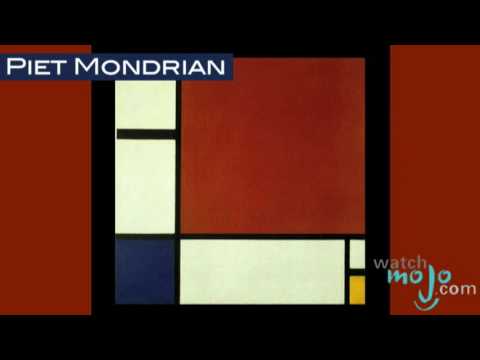
European art a peak Mondrian who was
part of this movement called dish steel
in Amsterdam that was an international
movement that decided that you can’t
really tell stories with pictures
anymore pictures or paintings had to be
different from everything we’ve ever
seen like how can painting be more part
of real life well if it has to be part
of real life it can’t tell a story as
that’s a fake as a lie only thing that
we can show that’s real is geometry this
was their conclusion Claude was very
influenced by the way these people
thought of painting and decided to
actuate it in the 50s and how would you
say he pushes the
andries award I think that he pushed it
by calling a picture not a picture
calling a picture of painting calling a
picture an object for centuries we’ve
been looking to pictures for stories
stories taken from the Bible stories of
King stories a history and all the way
up to even the Impressionist they told
stories until stories of leisure visual
stories of city life and then when you
start to say well I don’t want to tell
stories I want to tell the story of the
moment you’re living while you’re in
front of the painting I want you to tell
your story the here and now that’ll be a
different story for each person I’ll go
in front of it so he pushed boundaries
by almost taking all content out of
things and making it about the
experience thank you very much you’re
welcome
career spanning over 50 years his
reputation is anything but hi I’m
Rebecca Brayton and welcome to
watchmojo.com and today we’ll be
learning more about world-renowned
modern artist Claude to xenia tell us
what you can about koltes nia his
history in his background montreal
museum of fine arts back in the day had
by school went to school there in the
late 40s and early 50s and he started
his career after a really brief brief
trip to France what he was very
disappointed when he saw there and came
back to Montreal worked as a furniture
designer then started painting full-time
once he started painting he couldn’t
stop and he just went on from the mid
50s and he’s still painting today he
became very popular in the mid 60s with
the paintings that are actually behind
me that were very dynamic or fluorescent
colors in them and they were associated
to a movement called off part that was
very close to psychedelia but much more
structured much more graphic and he sort
of got recuperated by that movement and
showed a lot in the United States after
that once that movement kind of petered
out he was still concerned with the same
problems that he’s always been concerned
with in painting how you look at a
painting how does a painting work in
space how does color effective how does
color work with shape and all these very
formal questions so he kind of pushed
his exploration in a new direction in
the 70s the 80s he discovered that he
could go back to a type of painting that
he had only tried very sporadically
before monochrome painting so in the
early 80s he started working on this
series that he’s been working on off and
on for the last 25 years what styles and
schools has he been enclosed by he was
very influenced by early 20th century
European art a peak Mondrian who was
part of this movement called dish steel
in Amsterdam that was an international
movement that decided that you can’t
really tell stories with pictures
anymore pictures or paintings had to be
different from everything we’ve ever
seen like how can painting be more part
of real life well if it has to be part
of real life it can’t tell a story as
that’s a fake as a lie only thing that
we can show that’s real is geometry this
was their conclusion Claude was very
influenced by the way these people
thought of painting and decided to
actuate it in the 50s and how would you
say he pushes the
andries award I think that he pushed it
by calling a picture not a picture
calling a picture of painting calling a
picture an object for centuries we’ve
been looking to pictures for stories
stories taken from the Bible stories of
King stories a history and all the way
up to even the Impressionist they told
stories until stories of leisure visual
stories of city life and then when you
start to say well I don’t want to tell
stories I want to tell the story of the
moment you’re living while you’re in
front of the painting I want you to tell
your story the here and now that’ll be a
different story for each person I’ll go
in front of it so he pushed boundaries
by almost taking all content out of
things and making it about the
experience thank you very much you’re
welcome
Please follow and like us: