
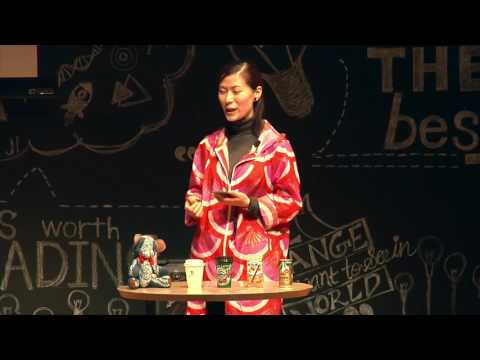
good afternoon so how many of you like
coffee and that okay great so how many
you of you actually bought coffee this
morning yeah awesome then how many of
you not even coffee but all something
bottled water or something to drink
today yeah not much okay great so
forever actually bought coffee or
something to drink today it’s my topics
today is really relevant to you so
anyway so when we want to buy a coffee
if it’s on for these days may I go to a
convenience store we have many choices
like just lining up here so we have
something in the cans something in the
paper container right then something
also in the fancy plastic bottles
I mean cos then this is you can even go
to the cashier to fill it in with the
paper cups
right so you may choose like one of this
depending on your taste preference or
something like seasonal or likely not
something you want to try something new
but in this situation personally I’d
only choose the wine cans by so the
waste problem or the gummy problem in
Japan has been rise for many decades in
unison was the high consumption and
population increase sort to show the
numbers on 52 million tons of trash was
strewn all throughout in 2007 in Japan
which kind of equivalent to like 0.5
kilograms of trash per person in a day
it’s pretty much um to be fair it’s
actually including the industrial wastes
but still industrial waste is very
relevant to you as well then these are
the numbers so in 2010 2200
can villians in the US dollars was spent
to manage the waste overall the word
then it’s the World Bank luxury states
in 2025 it’s going to be three hundred
seventy five billion dollars spent to
waste management so it’s pretty much so
it’s not only about the ways but we are
spending so much money on our waste
management so today I’m Ashley I’m
coming from that town called kamikatsu
which is much in the rural areas of
Japan in Tokyo prefecture and it’s
really in the mountainous area like this
it’s very beautiful
you can feel of the rice terraces and
when we are selected as long the best
right services of the hundred this
section or we are part of the most
beautiful villages in Japan meanwhile
our population is really in the decrease
so we only have right now 1600
population and the more than half of it
is about 65 years old and a quarter of
our population is above 85 years old so
it’s very aged well it’s really unusual
town in the rural areas the depopulation
is not really you know the unique thing
for our town we were famous for the
first time ever in Japan to declared for
the zero waste policy back in 2003 so
what do I mean by their waste so the
research is done it for it nothing goes
to incineration or to landfill so you
don’t burn anything or you don’t just
you know dump directly to the land but
as a pure concept it means nothing to be
produced even to go waste
yeah and then personally I also defined
a waste by a thing become waste when
people think it’s a waste so if you
don’t consider it a waste a it’s not
waste yeah so the organizations are all
waste economy the nonprofit organization
I mean so we try to change people’s
mindset actions or the social systems to
shift the waste into non waste yeah
so how all this starts so our in your
town in chemicals same as any other
Japanese rural areas we did open burning
so basically people just print
everything outside their houses and it
was usual it was okay until all these
plastics and complicated material coming
into our daily life so it was just
natural thing but when all these
complicated things coming in then our
daily consumption increase people had to
manage the waste
so they started dumping waste into like
a bigger hole and then burnt everything
yeah but Japanese government decided to
you know stop that in general so they
banned the open insulation then they
mandated every municipalities like
cities or towns to either build up
properly ratings or to manage the
landfill site or to do recycling so
following that direction slowly and
comma cuts also had the plan for the
recycling Calculon back in 1994 and then
started building small Interactive’s at
the same time started small recycling
then but another issue was so when they
actually build the too small incident
raters to manage your waste
again the national regulation change due
to high rise of the dioxin issues all
over Japan so the National regulation
again Monday that that each is there a
to have to have certain like filters and
technologies to you know stop emitting
that sits in the air then the kamikazes
in storage it wasn’t meeting that
foundation so making that they had to
close the incinerator just newly built
in two three years so then the town had
to say you know how do we manage the
once now so we had an option to how she
asked other cities are all to burn our
ways together but of course no one
really wants that right Jack said
someone else waste then only option we
have was to actually transfer all the
way to Yamaguchi Prefecture which is in
the different Ireland then that of
course cost a lot
now of course rebuilding like new beans
narrator costs a lot as well so they
couldn’t build that again so they had to
think out of the box like you know how
can we manage waste instead of actually
pruning so they actually decided to quit
pruning waste so this is what we are
shaded right now so one hundred percent
over our organic waste or food waste
gets composted at home so we have like
several options in our places so either
they put their waste directly into the
farms so that it can be composted
naturally or they use the simple compost
on the left to you know make it soil or
we can use all this ultra composting
machine on the right side it will just
you know compost and fertilize your food
waste in just few days then you can use
it at your golden sort of forints then
this one actually cost fifty fifty
thousand Japanese year to buy one but
after your tongue office the local
government subsidized for forty thousand
yen to support this because when they
actually researched how much waste we
are producing for what kind of waste
then thirty percent of all this waste
were organic so meaning if you can take
out then that’s quite a lot of waste we
can decrease so they compared the amount
of actual burning the organic waste the
30 percent versus subsidizing this
machine then this was much cheaper then
the other waste except organic actually
brought into our towns only one
recycling collection Center waste
collection center called hippie data in
koma station so everyone every single
one person living in kamikatsu bring
here always to this collection center
then segregate their waste into 45
categories it’s massive yeah
and so it looks like this so it bears
aligning containers so you drive there
right then you pull out your ways from
the car then you just put it one by one
two different categories um
the farthest people who’s living from
this collection center takes like 40
minutes away by a driving so it’s quite
far away as well for some of them but we
still have backing up system for elders
who’s not able to drive anymore to have
a collection once in two months by us
for service academy but other than that
everyone brings to this collection
center then what’s happening is that
since we do not bring our composing
waste meaning food waste the collection
center does not smell bad
yeah so if you take out the organic
waste then the rest is just a clean
waste so you can’t restore it longer or
even if you’re bringing all the ways to
the collection center that’s how you see
the difference then on this is star
actually 34 categories of the
segregation the like left side we just
increase our segregation number 245 this
year just three beer is on pole so for
the calves we have aluminum cans to you
cans and springtails
it’s three categories for the glass
bottles we have three a glass bottle
brown glass bottles other colored glass
bottles and returnable glass bottles for
like soy sauce and sake alcohol it’s for
today greens for the paper its
newspapers cardboard magazines and scrub
papers paper containers paper container
with the foils paper tubes paper ETOPS
lovely right so it’s a lot of work yes
it’s a lot of work but it’s very
interesting so for some port it’s coming
let’s get me back to this coffee dog so
when I go to the convenience store if I
want to buy something I will reconsider
what I need to do with this to segregate
so for example if I buy this right so I
need to
take out the cap then that’s plastic
packaging right there I need to wash a
straw it’s not a packaging in Japanese
regulations so meaning I need to wash it
but still it goes through the
downcycling plastic for the few else
it’s not get recycled
then there’s a minimum foil here so I
need to peel it off then clean it
that’s scrap metals then I wash the
inside the dots plastic package right
then this one I take off the straw and
supplies the fuel right down cycling one
then you need to peel off this package
for the straw because it’s plastic
packaging then you open it and then wash
it and that’s a paper container yeah
this one that’s kind of nice it’s just
two parts but if you drink a coffee then
like you know inside it’s kind of dark
then you can recycle as bitter as the
normal like white cup it’s goes through
paper cap and this is plastic Caucasian
right um then I said I only drink cans
only because if I get this it’s very
easy because I just need to wash it and
then that’s how many cans yeah so
actually what the interesting is that by
doing all this we actually impacted the
habit of consumption of the people not
everyone but whenever they think about
like what they need to do after this
then that’s the time they actually
change the habit of what they buy then
maybe you think it’s crazy but if you
actually see the impact of not only the
environmental side but also they cannot
excite you may follow my choice so in
each of the bins we have at the
collection center we have this side
showing up this is saying how the
million cans so you need to put the
container visiting from the best album
cans but not only that we also have to
find where it goes it goes to toxicity
and then what it will be so it’s get
recycled again in German
and how much it costs or earns to the
community so in 2015 it actually earned
155cm
per kilogram to the car by recycling now
meaning comes right then it’s about
overtime but if you actually bring in
this concept to our daily life so for
some poor if you buy whatever the liquid
in a bottle which is a plastic covered
in another plastic and then sealed
plastic stickers and bring it back in a
plastic bag you need only deleted inside
but you are paying for all this plastic
bottle plastic package in plastic bag
and everything then not only that most
of our Japanese products also includes
the packaging recycling cost under the
expanded producer responsibility in the
product price so you’re also paying for
that and to recycle recycle the plastic
in our tongue for the expanded producer
responsibility regulation its cost 0.45
yen per kilogram so it’s cost and then
what it means is that if the process
cost to do the recycling it means it
needs more energy and then it will leave
more impact for the environment so again
my question is how much I actually
spending on whatever you don’t even use
as I say you just need a liquid but you
are also paying for those others then
when we actually talk about all this
waste management people talk lots about
recycling yeah and it’s important to
talk about how we manage the waste but
also when we consider all these products
lining up in front of you it’s also very
important to see that how we can
actually reduce and reuse because if you
don’t produce any way saying we don’t
need to even do the recycling so that’s
where the three are concept comes in
then it
always emphasized that the priority is
starting from reducing then reusing the
recycling so you better reduce whatever
you don’t even need to use then if you
buy something then better you use it for
a long life then you know you just reuse
it so you can maximize a product then
after you can’t use anymore
in the final point then that’s where the
recycle comes in so regarding the
reusing so in our town we have this so
called cuckoo reuse shop cuckoo means
surgery in Japanese so basically we
promote to reuse whatever in the
community so that we can maximize our
resources so for example what I’m
wearing inside today it’s coming from
the reduce shop so I didn’t pay anything
this is free so basically people in the
town can bring in whatever they don’t
use anymore to the shop for free then
flavor if we visiting the town isn’t
even use if you guys come into our town
can take away whatever you want from the
shop for free but one rule is that you
need to wait what you’re bringing or
take away they’ve noted down how much
sugar more grams you actually wait so
for example I weigh that you know like
children of closes I brought in today
and now I write it down then I take for
example like 110 grams of dishes or the
plates then I write it down so
throughout the year we also measure that
how much waste we prevented to be wasted
right sorry
for example last year we had 13 tones
coming in then out of that 11 tones
taken away so it’s always 80 to 90%
circulation then we have another place
called kuru kuru cross center so it’s
about remaking or upcycling so as you
can see I’m wearing this so this is made
out from card flag or the fish flag that
we use for the Children’s Day
celebration yeah
like this pictured here so we upcycle
them because once the child grow up and
then they don’t use stuff like anymore
and that’s goes to a waste
you know it’s still really nice so we
can make something out of this that
started with the grannies in the local
community then they make all this
traditional kimonos or you know Japanese
traditional closes and flat into new
products and they sell it okay regarding
the reducing for reducing option is to
come from two sides why is from us the
consumers and from the producers so
these are the pages of our forty five
categories of segregation but what we
have in the town then these are the
pages are actually showing that things
we can’t recycle meaning it’s either
goes to the incineration or to landfill
so it’s saying that for example the
leather products specifically new
products rubber products and something
composed like several materials together
so that you can separate them so you
can’t recycle because only the whole
material can be recycle something like
this then what we do as a service
academy is to advocate this to the
producers so they know that what you’re
making having products yeah but not only
that we also work with them to try out
what’s possible so we also do some
research together with them at our
collection center what can be done to
make the products better or alternate
their materials or design the product
again but at the same time it needs to
be supported by us the consumers to
support such products right so here that
hip stuff what we can do better so first
of all as I mentioned you till I second
hand is also a good thing like there are
so many tongues and like dozens of like
second hand products from Japan exported
to other countries even everyday yeah
then there’s so many like saying that of
course you can’t use anymore really
but there’s so many thing that you can
really use and in these days the online
system really helps you to also be part
of this as well
you have so many apps right now you can
easily sell what you don’t use anymore
by up just one click and take a picture
then you can even buy that from there as
well so utilize that support this
secondhand maggot so that you don’t
support this you know rapid consumption
rapid production second is by local so
meaning that you try to promote the
local products instead of like further
away transported products
it means like if you buy local it’s less
packaging because if you transfer
further and that’s the time people
putting have so much packaging over and
over to protect it or to promote it but
if you just know the person of the
producers locally but you don’t need
even heat up right then that’s most of
the time it’s fresh seasonal and then
sometimes it’s much cheaper then that’s
how you can also support them um plan
chopping so as I mentioned if you go to
the shopping mall or the supermarket you
have so many choices right then if you
not conscious then you can buy whatever
but if you’re conscious and then you
plan ahead of time what you have to need
or how much you actually need then you
can be a wise conscious consumers so
that for example if you know that that’s
gonna happen that you may not choose
this anymore may not or maybe I don’t
know or if you actually know that in
your tongue this is the only option you
can recycle that maybe you choose that
one as well or you know that you’re
going to be out of the house for next
week then you don’t buy as much as you
may just jump into the shop and buy
everything right so just be a plan and
then planning and wise conscience the
BYU campaign so I promote it all these
kinds but as a daily life I bring this
my own bottles right so by bringing this
for example last week I was traveling
outside of Japan but I say
18 plastic bottles only by bringing this
I could refuse all of them you can judge
if it’s a big number or not but that’s
what you can do you can do your bring
your own bags bring your own bottles
bring your own towels anything now if
you still want to see the impact on how
much you’re consuming you can just try
it one day tastic free day you go for
daya
your daily life and then you try not to
buy any plastic then you see how much
you started by them it’s really fun then
I know your material so as I mentioned
if you know it’s aluminum if you know
it’s a paper and plastic together then
like you know what to do with them then
you know where it goes you know what
where it’s coming from
then you know how to handle them by
doing all this actually my life styles
like this so 70% of what I eat only
because I’m traveling are coming within
the town so I buy local
then 80% of what I use at home either
made in the town or reused is within the
town so I don’t really use something
from very far away then 90% of what I
let go either you can’t use it anymore
or you want to you know secondhand again
then that stays in the town or
contributes to the town by making
valuable recycling income to the town
then I extreme I’m extremely happy about
this because I can really see the impact
that what I live oh then what kind of
impact I’m leaving behind so please show
me if you hungry with me on this
impactful lifestyle but you can just
start with one as I mentioned just bring
your own bottle in spine
so Happy’s are always thank you very
much you