
[Music]
[Applause]
so I’m interested in questions
I’ve always been interesting questions I
think I’ve been interesting questions
since I was a child because probably the
first couple of books that I had were
the first two volumes of the children’s
encyclopedia by Arthur Sze me that was a
collection of of 10 volumes in red kid
leather I possessed the first two I also
possessed the last volume and in the
last volume were all of the answers to
all of the questions had been posed in
the first nine volumes so I learned all
of this so ever since I’ve been
wandering around with all this knowledge
all these answers looking for the
questions the people might have that
would give there I’ll be able to answer
them like for example Lepidoptera
anybody I guess I got to keep on keep on
searching it’s actually butterflies and
moths isn’t it I think so it takes me to
a more serious question which is what
actually happens if we stop asking
questions and I know the answer to that
if we stop asking questions we get
silence and silence can be a dangerous
thing
deadly there are many places around the
world where asking questions can get you
into terrible trouble so some questions
are more difficult than others some
questions challenge more than others and
I think that theatre is a superb place
for questioning or for making sure that
students challenge themselves and
challenge the things that go on around
them if we look at any kind of advanced
literature course we see Macbeth
King Lear Hamlet more carnage there
don’t shorts and Eggers Terminator if
you look at the the curriculum in
history and Humanities got wars
genocides rape female genital mutilation
there’s literature teeming with
struggles against plague disaster murder
suicide and that’s just semester one
alright it seems that we can read and
study about all of these terrifying
things but please don’t put it on the
stage what makes it what gives people
the sense that dramatizing controversial
material is dangerous or harmful what is
it that gives people that sense of
nervousness as they see depicted on
stage acts of brutality well I think we
have to go back a bit we have to go back
to a chap that we’ve already heard about
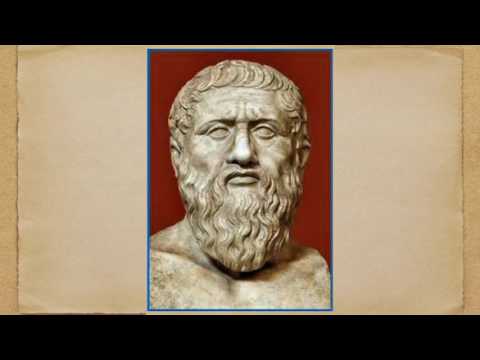
this fella called Plato C play for Plato
the art theater poetry appealed to the
emotions and that made artists very very
suspicious people
because he thought that if you played to
the emotions you would harm people you
would prevent them from accessing the
truth the argument goes that rather than
appeal to the emotions we should be
looking here at how truth can be
achieved only through rational thought
the thing is of course we kind of agree
with Plato on one thing indeed he does
move us theater does appeal to our
emotions according to Arthur Miller
probably the most influential important
American playwright of the 20th century
up here we see how for him in terms of
looking at theater
the passions drivers its what its
passions that allow us to open up lines
of communication between people between
man and men between men and man or
mankind we have to agree indeed it does
but should we accept that Plato’s
opposition is valid I don’t think so
I think Theatre is in the ideal position
to appeal both emotionally and
intellectually
to our young people so that we arrive
and actually a deeper sense of knowledge
a deeper understanding I’d like you to
take a look at some statistics that you
might see up above me here you spend you
just a few seconds looking at that
I guess looking at that you’ve got
terrifying statistics right horrifying
now I suspect if you were to go back to
the the original slide with the original
question by now you’ve probably
forgotten most of those statistics and
in a way you might be horrified but for
a blip doesn’t make you mean doesn’t
make you insensitive doesn’t make you a
horrible person just because you can’t
remember how many rapes took place in
South Africa last year or in China or in
the UK or in Egypt roughly a million and
that’s the case every single year now we
know that but it’s precisely the kind of
sanitized desensitized nature of
information that we come across both in
schools and in social media and on the
news that prevents us from really fully
appreciating and understanding what
happens when we try to engage with the
controversial material I’m talking about
and I think we need to go to look at
what the imagination does see the
imagination we need to reinvent the room
at the imagination isn’t some pretty
little thing that oh that that allows us
to invent something that’s not really
there I would contest the imagination
allows us to see things as they really
are reality takes a lot of imagination
it takes a great leap of commitment both
a feeling and emotion and imagination to
understand and truly understand truly
grasp what terror what horror is and our
students are in the position of needing
those kinds of questions but I think
there’s a lingering suspicion isn’t
there that somehow watching theatre you
know sort of harms as mentally or
emotionally might givers are the
audience a discomfort and that we should
be aware of that I think we need to see
what really happens when we actually
witness
acts of barbarity or acts of cruelty
there’s a German playwright bertolt
brecht
famous marxist playwright and
theoretician and he argues that when we
witness sorrow on stage we don’t just
see sorrow we feel sorrow and there’s a
part of us that somehow sees the sorrow
that we feel and in that sense there’s
that certain detachment and it’s
precisely the feeling and the emotion
and the detachment that allows us to
rise above the horror and to give us a
sense of it elevates us above that I
want to finish with the reference to the
play Illyria which we produce here in
the Orsini before Christmas play right
by the by the name of Bryony Lavery and
she argues that confrontational theater
is absolutely necessary because it is
through this safe medium that we can
address and rehearse for reality as
educators we fail if we do not address
confrontational theater as educators we
fail if we cannot give our young people
answers to the questions they’re asking
thank you
[Applause]
[Applause]
so I’m interested in questions
I’ve always been interesting questions I
think I’ve been interesting questions
since I was a child because probably the
first couple of books that I had were
the first two volumes of the children’s
encyclopedia by Arthur Sze me that was a
collection of of 10 volumes in red kid
leather I possessed the first two I also
possessed the last volume and in the
last volume were all of the answers to
all of the questions had been posed in
the first nine volumes so I learned all
of this so ever since I’ve been
wandering around with all this knowledge
all these answers looking for the
questions the people might have that
would give there I’ll be able to answer
them like for example Lepidoptera
anybody I guess I got to keep on keep on
searching it’s actually butterflies and
moths isn’t it I think so it takes me to
a more serious question which is what
actually happens if we stop asking
questions and I know the answer to that
if we stop asking questions we get
silence and silence can be a dangerous
thing
deadly there are many places around the
world where asking questions can get you
into terrible trouble so some questions
are more difficult than others some
questions challenge more than others and
I think that theatre is a superb place
for questioning or for making sure that
students challenge themselves and
challenge the things that go on around
them if we look at any kind of advanced
literature course we see Macbeth
King Lear Hamlet more carnage there
don’t shorts and Eggers Terminator if
you look at the the curriculum in
history and Humanities got wars
genocides rape female genital mutilation
there’s literature teeming with
struggles against plague disaster murder
suicide and that’s just semester one
alright it seems that we can read and
study about all of these terrifying
things but please don’t put it on the
stage what makes it what gives people
the sense that dramatizing controversial
material is dangerous or harmful what is
it that gives people that sense of
nervousness as they see depicted on
stage acts of brutality well I think we
have to go back a bit we have to go back
to a chap that we’ve already heard about
this fella called Plato C play for Plato
the art theater poetry appealed to the
emotions and that made artists very very
suspicious people
because he thought that if you played to
the emotions you would harm people you
would prevent them from accessing the
truth the argument goes that rather than
appeal to the emotions we should be
looking here at how truth can be
achieved only through rational thought
the thing is of course we kind of agree
with Plato on one thing indeed he does
move us theater does appeal to our
emotions according to Arthur Miller
probably the most influential important
American playwright of the 20th century
up here we see how for him in terms of
looking at theater
the passions drivers its what its
passions that allow us to open up lines
of communication between people between
man and men between men and man or
mankind we have to agree indeed it does
but should we accept that Plato’s
opposition is valid I don’t think so
I think Theatre is in the ideal position
to appeal both emotionally and
intellectually
to our young people so that we arrive
and actually a deeper sense of knowledge
a deeper understanding I’d like you to
take a look at some statistics that you
might see up above me here you spend you
just a few seconds looking at that
I guess looking at that you’ve got
terrifying statistics right horrifying
now I suspect if you were to go back to
the the original slide with the original
question by now you’ve probably
forgotten most of those statistics and
in a way you might be horrified but for
a blip doesn’t make you mean doesn’t
make you insensitive doesn’t make you a
horrible person just because you can’t
remember how many rapes took place in
South Africa last year or in China or in
the UK or in Egypt roughly a million and
that’s the case every single year now we
know that but it’s precisely the kind of
sanitized desensitized nature of
information that we come across both in
schools and in social media and on the
news that prevents us from really fully
appreciating and understanding what
happens when we try to engage with the
controversial material I’m talking about
and I think we need to go to look at
what the imagination does see the
imagination we need to reinvent the room
at the imagination isn’t some pretty
little thing that oh that that allows us
to invent something that’s not really
there I would contest the imagination
allows us to see things as they really
are reality takes a lot of imagination
it takes a great leap of commitment both
a feeling and emotion and imagination to
understand and truly understand truly
grasp what terror what horror is and our
students are in the position of needing
those kinds of questions but I think
there’s a lingering suspicion isn’t
there that somehow watching theatre you
know sort of harms as mentally or
emotionally might givers are the
audience a discomfort and that we should
be aware of that I think we need to see
what really happens when we actually
witness
acts of barbarity or acts of cruelty
there’s a German playwright bertolt
brecht
famous marxist playwright and
theoretician and he argues that when we
witness sorrow on stage we don’t just
see sorrow we feel sorrow and there’s a
part of us that somehow sees the sorrow
that we feel and in that sense there’s
that certain detachment and it’s
precisely the feeling and the emotion
and the detachment that allows us to
rise above the horror and to give us a
sense of it elevates us above that I
want to finish with the reference to the
play Illyria which we produce here in
the Orsini before Christmas play right
by the by the name of Bryony Lavery and
she argues that confrontational theater
is absolutely necessary because it is
through this safe medium that we can
address and rehearse for reality as
educators we fail if we do not address
confrontational theater as educators we
fail if we cannot give our young people
answers to the questions they’re asking
thank you
[Applause]
Please follow and like us: