
[Music]
so from the title this is an unabashed
and persistent for classical music at
this point I expect most of you are
tempted to doze off especially after
such an exciting time do try to stay
awake even if it means putting
toothpicks in your eyes
so put up your hand if you learn it’s
Germans I presume well surprisingly
little but that means your primary
source of exposure would be true of
everyone’s favorite ABRSM
for treating exams everyone loves
getting that distinction understandably
a dislike or even intense hater is
blonde light and edible from the
stressful or even from the filming
conditions for the talk the sole goal of
taking exams is technical perfection at
low costs and then there’s the Mozart
Effect in a study in 1993 psychologists
measured a temporary 15-minute increase
in IQ after listening to Mozart Sonata
for to cast yet by the time the study
had reached the general public it had me
distorted into the Mozart Effect
where isn’t it classical music and an
indefinitely indefinite effect of
boosting your IQ to some magical level
where you suddenly turned in a genius
after listening to three minutes of
Mozart now consequence studies pretty
much have either disproved or found
little evidence for this effect and I’m
tempted to just believe that it’s some
sort of hoax in the same way that your
pants argue that you’re wrong music will
make you stupider because they just
don’t want to hear in their house other
than to boost sales of CDs of Mozart for
babies like these I don’t think this is
a very useful argument finally you
probably think
maybe even just dead why should I even
bother to persuade you to listen to a
bygone art form that’s considered
obsolete why should I even try to
persuade you so I have three reasons for
this the firstly firstly there are so
many emotions to be explored with in
classical music no not all of that it’s
not relaxing and nondescript music that
you find on your 100 best piece of
classical music CD that you find lying
around your house dusty and forgotten
so even I have a tendency to fall asleep
to that from religious solemnity of 12th
century composer Hildegard von Bingen
this music so a playfulness of Mozart
Sumerian cameo to ensure those bikinis
to heroic struggles of Beethoven’s Ninth
Symphony and to the harsh academic
dissonance of the second viennese school
there’s probably something you’ll find
that fits your mood so the intense and
fluctuating emotions one experiences as
a teenager can seem simply far removed
from the seemingly static pieces that
you’ve heard but you really just need to
find the right pieces to match a
movement I think Nia breakup song kind
of walling despair of good naps the
first lead our song of Franz Schubert’s
vintorez where traveler laments his
farewell to his lover as a wolf’s true
of frigid winter wasteland so it starts
with a line a stranger arrived and as a
stranger I leave
[Music]
[Music]
as bonus this piece is only five minutes
long so it fits in the general confines
of a pop song yes it’s in German but
don’t tell me you already searched up
the lyrics for a pop song anyways the
next composer we’ll be talking about is
Gustav Mahler the central figure in this
painting who wrote nine trillion
symphonies that I enjoy very much and
often end up listening to
despite their length which often exceeds
an hour fitting pretty much the
stereotype that gospel music is long
boring and which will make you fall
asleep it takes some extremely abrupt
changes in mood so in between the sub
line and the grotesque in the shortest
of times he takes you on a true
rollercoaster of emotions from one peak
to another to the deepest deepest pit
and all the way back up again take a
thirty number two subtitled the
resurrection which happens to be one of
the most epic titles of any music ever
which begins with a funeral march for
the type of hero in the story
[Music]
[Music]
so after around one hour of music you
ventually reached this gorgeous finale
announcing the resurrection of a hero
after his death and warning this is
going to be loud because pretty much the
whole Orchestra choir and organ are
playing here
[Music]
[Applause]
[Applause]
so yeah it’s back pretty much some of
these pieces on the opposite can’t see
almost emo at times so to speak
his son Symphony does lead Vonda herd
begins with us up which begins with this
outburst
[Music]
and this piece contains a line that’s
almost edgy in a way these days
[Music]
so yeah they’ll pretty much always be
something there for you so even if
something doesn’t explicitly figure what
you have in mind that you want to hear
in that mood there might be something
that will fit your something that’ll
give you that car starches that you need
the academic rigor of the VMI a second
being in school which utilizes what is
known as twelve-tone technique in which
the theme of a piece uses all twelve
terms of the chromatic scale meaning
Mulkey’s both black and white on piano
may seem almost emotionally sanitized
however the dissonant and clashing
sounds that result from these pieces
often can give you an output for those
negative or anxious feelings that you
may have another one of my favorite
composers Anton Bruckner wrote pretty
rousing symphony uh symphonies in which
they’re huge brass ensembles in the town
which may have possessed a more
religious connotation in the devout
Catholic composers mind however I just
like listening to it for the hell of it
and if testimony togusa really so next
I’d like to move on to the concept of
delayed gratification and yes it is that
video of kids eating marshmallows most
musically stays lost between two to five
minutes while frame continues stretch of
virtually unburied tempo and rhythm and
in every so predictable course verse
structure that’s pretty much the musical
equipment of a sugar rush and a
emotional fulfillment is experienced in
what concentrated dose comes quickly and
goes quickly in classical music you
really have to wait for that fulfillment
length is often seen as a detractor but
I’d like to reshape it and offer a
different perspective word this is
something that can help you hang out
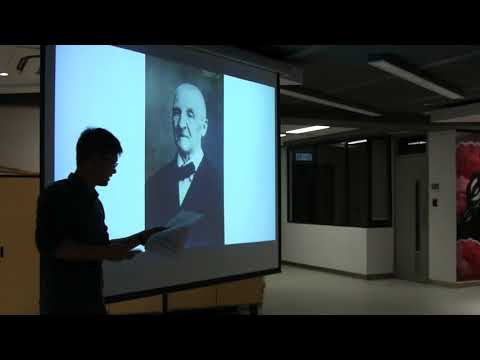
from Bruckner who actually looks like
this
was a pretty weird person overall that
his symphonies are like mother’s
extremely long and take some a great
deal of patience to get used to for
example in his symphony number eight
you’re immediately hit by this immense
wave of sound from the bras
[Applause]
[Music]
[Applause]
[Music]
[Music]
[Applause]
[Music]
and then after that it just fades out
into a more quiet section and it takes
almost ten minutes for this theme to
return after a long period of sped up
for your 10 minutes
[Music]
[Music]
[Music]
[Applause]
[Music]
[Music]
[Applause]
[Music]
so in fact this is one of my favorite
things about classical music waiting for
that striking moment to reappear in
music so that it gives the greater sense
of tension and a pithy anticipation
which in effect produces delay
gratification as many state that’s shown
unlike the Mozart Effect which yeah as I
mentioned it’s a hoax pretty much it
being able to describe that display the
qualities of delayed gratification tend
to correlate with success in life well
everybody is born with this quality of
course and it can be irritating to wait
for something but this patience can be
developed of course I really don’t
recommend you go up go off and listen to
a six hour opera on your first try come
easy instead of quitting the P piece of
classical music at the first moment of
like silence or quiet a quiet section I
would recommend you try to listen and
wait for that the return of the next
exciting section which call your ear in
the first place slowly being able to
wait for that moment and to gather that
excitement may translate into more
mature sense of delayed gratification
finally we have historical context all
art is in Emily based around the society
and culture around this makes costume is
a great way of understanding the social
changes throughout history someone
interested in history I’m fascinated by
the way have music and history intersect
and throughout the pieces that I’ve
heard my favorite example of this would
be Dmitri Shostakovich
who is on the last year so listen to
this extract from his eighth string
[Music]
[Applause]
[Music]
[Applause]
[Applause]
[Music]
other than the fact that it could pretty
much pass for a metalhead bagger doesn’t
it sound quite interesting and flaky
Matt shows the cookies have more than
enough reason to be if you’re wondering
why styling is portrayed on the right
here this is because Jessica Beach was a
Russian composer who was born in 1906 I
lived under some of the most repressive
eras of Joseph Stalin’s Soviet Union no
he was an initially popular composer
among among the circles in artistic
circles in the USSR Stalin attended and
was disgusted by one unpunished
Chelsea cometo press and before long a
denouncement of the composer appeared in
the newspapers this left with him with
the fear of being taken away just
severely relax or shot by the secret
police as many of his best friends happy
disagreeing one day and never coming
back your spare and continued to compose
for the rest of his life but he never
lost his fear of persecution one can
always read about the hard facts from a
history book but the effect on the
people is far more oblique and hidden
behind the veil of time much of
Shostakovich this music reflects his
experience under the dictator Stalin as
well as his experiences during World War
two in which he he was in Leningrad
which was one of the battlegrounds of
world war two so what better way to
understand the psychological impact of
war torture and Stalin’s brutal regime
in Soviet Russia than to listen to
someone who is actually there of course
he would not the only case
Beethoven wrote his third symphony party
in response to what he saw as a
Napoleon’s embodiment of humanistic
ideals
who he saw as an improvement to the
monarch of Europe during that time
however he then rejected the symphony
dedication to the Frenchman when
Napoleon decided to declare himself
Emperor leading Beethoven to believe him
no better than those who had receded the
reaction of the reactions toward the
impact of the Industrial Revolution can
not be found easily in the Romantic era
recent nature while the trauma the world
wars and destruction wrought upon Europe
like here can be detected in the harshly
serious Nick works that post the post
more darkness at school here the
emotional expression of the Romantic era
as cosmically rejected in exchange for
mathematical or construction of total
cereal ISM where everything is set even
pitch rhythm and dynamics ours are
predetermined in aspect structure
history can almost based periods and
more a lot of quite an alive manner
through the pieces of classical music
something that is difficult to replicate
even in other part piece of art
something that is makes it a truly
precious resource to summarize I think
you should listen to classical music for
three reasons
the emotional variety that you can find
within many works of classical music the
benefits of developing a greater sense
of delayed gratification and finally the
historical connotations within every
piece of music that can lead you to
understand it further I understand that
many of you have probably experienced
classical music in a negative condition
probably falling asleep but however I
hope that you can rethink your
perspective and give this truly
marvelous world and sound another chance
finally allow me to end on a quote from
Joseph
the famous German player who once said
where the words and let the music begin
please go explore the world of classical
music its beauties are beyond my
thank you
Please follow and like us: