
what comes to mind when I say druggie
alcoholic junkie
meth head dope head if I was to ask
you’d probably tell me things like dirty
homeless dropout bad parent loser
criminal dangerous yet is this true
this is a story about drugs drug use and
what we as individuals families and
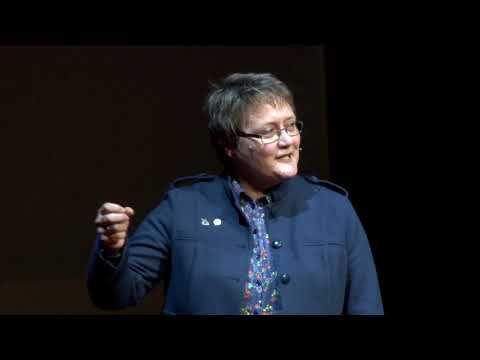
communities can do looking at me you can
my accent suggests that I wasn’t born in
New Zealand and how I talk that I’ve
probably received in education but other
than that you know nothing about me you
don’t know whether I’m married have
children or my sexual orientation or
even what I do for a living originally I
trained as a lawyer and had a corporate
life before taking a different career
path today I’m the executive director of
the needle exchange program looking at
me you would never in your wildest
dreams assume that I was a london-based
pinstriped lawyer so let’s do a little
experiment around assumptions stand up
if you know someone who’s had a problem
have a look around there’s a few of us
almost all of us use drugs some are
legal like alcohol panadeine and
caffeine and some illegal like
methamphetamine heroin and ecstasy but
ultimately they’re all drugs because
they all change the way we feel which is
great because I love coffee but let’s
talk about illegal drugs in New Zealand
we know that almost 50 percent of the
adult population will have used an
illicit drug so in this room of 320
people that’s at least a hundred and
fifty of you now many of you are
probably set there and are thinking well
that’s not me and it’s not the people
that I came with here today so it must
be them oh look yes it’s probably those
people at the end of our row and some of
you’ll be sat there thinking uh-huh
she’s talking about me where’s this one
going to go one of the things about drug
use which we often don’t talk much about
is that it’s possible to use drugs
without experiencing any problems
difficulties or developing a dependency
and I’m not talking here just about soft
drugs like cannabis contrary to what you
read and hear in the media it is
possible to use so-called hard drugs
recreationally drug use does not
necessarily result in dependency so back
to this room as a mini New Zealand a
hundred and fifty of you will have used
an illicit drug of that a hundred and
fifty around thirty of you will have
experienced problems or difficulties as
salt of your drug use and have that of
that 30:23 of you will have self changed
around six or seven of you will have
needed to access help and support around
your drug use drug use is normal we
found evidence of drug use in many early
civilizations drugs are great I can’t
get up out of bed in the morning without
my cup of coffee it’s a stimulant it
wakes me up it helps me get up and face
the day somehow the day always feels so
much better after that first cup of
many different cultures used drugs as
part of rituals ceremonies and
activities in the Christian Church wine
is taken as part of communion in the
Jewish community
alcohol is integral – kaduche in South
America we chew the coca leaf as a
medicine a food substitute or part of a
initiation ceremony it’s when we take
these rituals and customs away but often
the problems occur so it’s not the drug
that’s bad but the way and why we’re
using however reading the media and
listening to the politicians you really
wouldn’t think that this is the case in
the 1960s the world’s government’s
committed themselves to the goal of a
drug-free world through what has become
the war on drugs have we achieved that
goal well drugs today are more available
stronger cheaper and more widely used
than ever before it doesn’t sound like a
great success to me in South Amer
hundreds of thousands of people have
died as a result of the violence linked
to the war on drugs what else is
achieved we have the highest recorded
level of drug overdose deaths drugs are
in the hands of organized crime and
people who use drugs are stigmatized
labeled and criminalized there’s a lot
of misinformation a myth about drugs and
drug use a much of this stems from the
belief that people who use drugs are not
you not me it’s those people it’s then
it’s those addicts those druggies it’s
not you and it’s not me but people who
use drugs are our sons and our daughters
our mothers our fathers our brothers our
sisters our aunts our uncle’s our
cousin’s our grandparents our friends
and our workmates it is you and it is me
and is around a hundred and fifty at
least of us in this room so what have we
achieved well this clearly tells us that
we need to change our thinking and
understanding about drug use using
mind-altering substances is common
normal usual and found across
civilizations cultures communities and
social groups in fact drug use is found
in all social groups don’t forget that
first cup of coffee drug use is
happening anyway and the war on drugs is
failing so let’s keep people safe
let’s work with them where they’re at
let’s understand their drug use a little
information advice and support can stop
problems developing in the first place
as well as reducing risk to those who
use and those close to them you’re going
to take that pill anyway so why don’t I
test it for you and tell you what’s in
it so that you can make an informed
choice about what to do you’re going to
inject so why don’t I give you new
needles and syringes so that you don’t
contract or spread HIV or hepatitis C
let me answer your questions honestly
and have a realistic discussion about
drugs so that you can make decisions
this is the essence of what harm
reduction looks like what we know is
that blaming people punishing them
stigmatizing them and pushing people
away doesn’t work the New Zealand needle
exchange program is one of New Zealand’s
most successful public health programs
and this year we celebrate our 30th
anniversary through a network of 22
exchanges and a hundred and ninety
pharmacies last year we distributed
three point seven five million needles
internationally HIV prevalence amongst
people who inject drugs is 13% in New
Zealand largely due to the early
introduction of needle exchange it is
[Applause]
but you know it hasn’t always been this
way Ben is an injecting user I know and
he tells me that 30 years ago it was
easier to get drugs than it was
new equipment needles and syringes he
and his friends used to look and search
through rubbish bins at the back of
veterinary clinics for needles that
imagine that many of you have never even
seen or heard of a needle exchange and
there’s a reason for that discretion
because of the criminalization stigma
you can understand that needle exchanges
don’t have great big neon lights outside
them showing you where they are so what
do they look like and what do they do
well from the outside it just looks like
any other building step inside through
the door and over here you’ll have some
posters and information telling you
about injecting practice health issues
and services available here we have some
of the equipment that’s available on
display so you can have a look at it and
over here we have what looks like a
giant wheelie bin but it is in fact an
industrial hazardous waste disposal unit
into which you can put your used needles
and syringes now that’s a really
important part of what we do because
that stops used needles and syringes
ending up on the street which is what
happens in places which don’t have
needle exchange and over here we have a
counter behind which is our paid peer
worker and by peer I mean someone who
has experience of injecting one of the
most important things about needle
syringe programs is that why we’re
giving you a new equipment information
and advice we’re building a relationship
and through that relationship
establishing trust it’s that trust which
leads to credibility and that trust and
credibility which means that it’s much
more likely that you will come back
again ask for more information help or
advice and support if you need it those
who are often most dissent
franchised marginalized socially and
economically excluded they’re the
biggest burden we find higher rates of
drug dependency amongst the young the
poor are rainbow Maori and Pacific
communities because of inequality not
because of some character trait found
within these groups forty percent of
people entering drug treatment have
previous experience of trauma and for
them drug use is a coping mechanism
many people self medicate their mental
health through the use of drugs we have
to get real if we want to reduce drug
harms addressing the drug problem is
more than new equipment health services
and counseling it’s about housing
employment poverty it’s about economic
and social reform this is a big goal so
we have to start small and it begins
with you so let’s not judge remember
that a hundred and fifty of you today
here in this room will have used drugs
and 30 of you will have experienced
difficulties with your drug use at some
point what could harm reduction look
like Street agencies in every city where
you could walk in off the street without
having to make any commitment to
changing or stopping your drug use an
expanded needle exchange a methadone
program mobile services that would
outreach into communities so that
geography is no longer a barrier to
accessing help health workers and nurses
who are able to dress wounds and carry
out health checks if you have a problem
with education employment or housing a
worker available to help naloxone or
narcan antidote that can reverse drug
overdose would be freely and widely
available we’d be able to test your
drugs at places like needle exchanges
festivals and clubs
so the
you knew what was in them and they’d be
a system in place to warn users and
people working in services of trends and
different patterns and drug availability
or if there’s a bad batch drug use would
be decriminalized and we would have a
regulated market sounds fanciful well
Portugal did just this in 2004 and the
Sun hasn’t yet fallen out of the sky and
everybody isn’t rushing to Portugal on
drug using holidays in fact HIV has is
down drug-related offending and those
going to prison as a result has fallen
and the number of people in treatment
has increased harm reduction is
important because we are a society of
drug users and harm reduce reduction can
help not only to reduce the chance of
problems happening in the first place
but they can also stop them getting any
worse there was a time I was a drug user
harm reduction saved my life
so looking at me now what do you see
what comes to mind when I say druggie
alcoholic junkie meth head dope head
harm reduction worked for me and it
works for others so my message the war
on drugs isn’t working the war on drugs
is a war on people who use drugs so
let’s drop the stigma and work together
to build a world free from drug harms
[Applause]
[Music] [Applause]
Please follow and like us: