
[Music]
on April 24th 2013 in Dhaka Bangladesh a
woman by the name of Rosina Begum along
with her sister walked into work at a
clothing factory known as Rana Plaza as
Rosina settled into her workstation she
heard a loud rumble and saw the cracks
in the building begin to widen she
glanced to see her sister working nearby
this would be the last time Rosina would
see her sister alive moments later the
building collapsed killing more than
1,100 workers most of whom were women
Rosina herself was trapped under the
rubble for three days and lost her arm
as a result at the time of the collapse
Rana Plaza was manufacturing clothing
for some well-known Western brands and
despite numerous complaints from workers
regarding the overall safety of the
building they were still told to report
to work now I would like to say that
Rana Plaza is an isolated incident but
unfortunately it’s just a symptom of a
systemic problem within the fashion
industry over the past 20 years the
overall production consumption and
discarding of clothing has increased
dramatically
we’re buying more clothes than we ever
have and we’re keeping them for half as
long and this increase in buying and
spending has led to several serious
social issues such as poor working
conditions negative environmental impact
and the disempowerment of winter that
women and this year at the United
Nations Forum they declared that the
fashion industry was both a social and
environmental emergency and you may not
be aware but the average American
household throws out more than 70 pounds
of clothing per year and our landfills
are brimming with textile waste
additionally the fashion or garment
industry is one of the largest employers
for women
and the developing world yet often these
women are heavily exploited by being
forced to work long hours with little to
no pay some of the largest contributors
to these social issues are fast fashion
brands and fast fashion is the process
by which retailers rapidly mass-produced
clothing that is often trendy cheap and
disposable I won’t mention any names but
I’m sure everyone in here knows those
stores that you can walk into and buy a
shirt for ten dollars so if you the
consumer paying ten dollars for that
shirt how is it possible that the person
that made that shirt is able to earn a
living wage we talk often about where
our food comes from and many of us avoid
fast food because we know it isn’t
healthy for us well similarly to fast
food fast fashion isn’t healthy for us
it’s not healthy for our environment and
it’s not healthy for the people
producing it but here’s the good news
consumers play the biggest role in the
future of fast fashion so if we as
consumers begin to reject the exploitive
nature of fast fashion they’ll no longer
be a market for it and the alternative
to fast fashion is what we call ethical
or slow fashion and when a garment is
ethically made you can be assured that
the person that made that garment was
being paid a living wage and they’re
working in safe conditions and when we
say slow fashion it is truly the
antithesis of fast fashion because it’s
finding value and what we already own
and when we decide we do need to
purchase something new we purchase it
with the intent of keeping it for a very
long time so what can you do well for
starters I’d like for everyone here
tonight to take a look at what you’re
wearing or look at what your neighbors
wearing but no judging someone somewhere
made your clothing and their life has
value and you as the consumer have the
opportunity that every time you make a
purchase you get to vote with your
dollars you get to decide whether or not
you’re going to support brands that are
treating its workers fairly and are
working actively to reduce their
in footprint and trust me there are many
brands out there that are doing by I’m
so inspired by the passion and zeal that
I see in young people today of her
social causes and it is my hope that you
will become equally as passionate about
these social issues so I’m going to
leave you with some tangible steps that
will help you in your decision process
the next time you decide to buy
something so the next time you want to
buy a piece of new new clothing I’d like
for you to ask yourself these series of
questions first and probably most
importantly do I need it do I really
need that 10th pair of jeans and
secondly if you do need it can you buy
it used or second-hand everything I’m
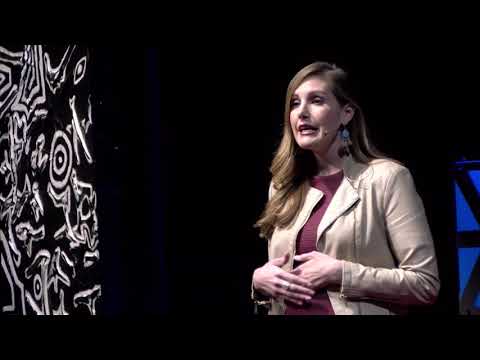
wearing tonight was purchased secondhand
and third you can’t buy used or
secondhand can you buy it ethically and
support these brands that are treating
their workers fairly and finally if you
can’t buy it ethically then I ask that
you buy it to last and you buy it with
the intention of keeping keeping it for
a very long time and a further step that
you can do is that you can reach out to
your favorite brands and ask them who
made my clothes because we as consumers
have the right to demand transparency
from the brands that we support and the
brands that we shop so in short by less
by better wear longer and recycle your
clothes are a part of who you are in
this world so let your clothes say I’m
here to change the world
thank you [Applause]
Please follow and like us: