
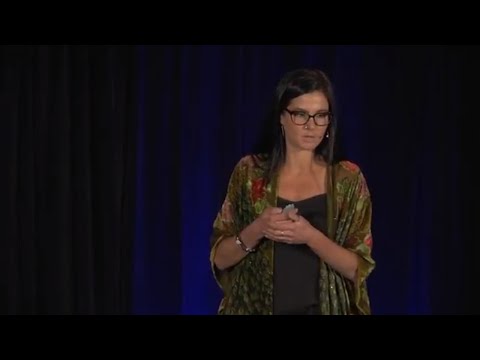
so today we live in a world that seems
increasingly focused on division on
drawing lines on building walls and what
makes us different from one another and
tonight I’d like to talk to you about
using photography as a means of
connecting us as a way of furthering
understanding outside of worlds of our
own at their best images transcend race
religion gender social and political
status sexual orientation they can help
us to connect to people other than
ourselves I’ve always viewed photography
as a means to an end my camera is a tool
to be used wisely though I’m based here
in Pittsburgh I’ve had the privilege of
traveling throughout much of the Middle
East and parts of Africa over the course
of the past several years in doing so
I’ve learned firsthand the importance of
bearing witness by now most of us have
heard about the refugee crisis what is
now being called the world’s largest
humanitarian disaster earlier this year
the UNHCR came out with a statistic but
65 million people are currently
displaced worldwide now 65 million it’s
an it’s an incredible number but huge
numbers and statistics are a bit
mind-numbing aren’t they what does that
even mean what does it look like when
someone is forced from home what does
displacement mean what does it look like
when a human being is forced to make a
decision between an impossible existence
and a very uncertain future in northern
Jordan on the border with Syria it looks
like about a hundred thousand people
forced to live with in tents and three
square miles
it looks like Omar aged five and zeyneb
aged four it looks like Al tomorrow age
twelve from Homs and a mall age eight
from Damascus
this is Ali he’s seven also from Homs
and this is Naja h7
and this is Khalid and his three
daughters so I met all of these folks
and many others while working on the
Zaatari refugee camp last summer most of
them are still there their futures
remain a question mark now in Lebanon a
country that holds the distinction of
hosting the most refugees per capital of
any other country in the world
displacement looks a lot like families
trying to find refuges refuge and
dilapidated or abandoned buildings like
this one this is an old cafe
I met 17 people that we’re living in
here at the time they’ve been there for
two years when I had met them and they
had all fled the conflict in Syria or
people are finding safe spaces and
refugee refugee ghettos with what they
are calling them like this one this is
odd none none I I interviewed him and
when I asked him what his hopes were for
the future he paused for a moment and
then he told me that he hoped for a warm
bath and to return to school some day in
that order
in Iraq earlier this year is a battle
for Mosul took place displacement looked
like tens of thousands of people picking
up their most precious belongings and
walking the many miles to relative
safety or getting into whatever forms of
transportation they could find heading
for anywhere from where but where they
called home
across the region and across much of the
world refugees or IDPs internally
displaced persons often end up inside of
camp camps like this one the Hassan Shan
camp in northern Iraq or Kurdistan was
in this camp that I met many women who
would wait in lines for many hours each
day
looking for food and/or medical care for
themselves or for their kids it’s also
where I met Ali so what was happening in
Mosul when sally was one of many
children and wanting one of many people
being held in Isis controlled
neighborhoods these areas were cut off
from food and water access to medicine
pretty much everything so he was
extremely malnourished and we found out
that he had been living on rice water
for the past four months it’s also where
I met
well foie and her son Suleiman and I can
still hear her voice I can still hear
the pain and his mother’s voices she
told me about not being able to provide
for her child
so this camp is also where I met Eunice
and Eunice is like so many other
school-aged men and women around the
world who have been displaced from
conflict who had to drop their studies
at the time prior to conflicts coming to
Mosul he was in school studying medicine
Eunice lost both of his legs when he was
used as a human shield by – or Isis yet
in spite of these incredible
circumstances in all of these places
every single day I was struck by the
resiliency and the perseverance of
pretty much every one of the kids is
ability to smile and really just the
heroic nature of humanity in all of
these places
so when I was working in Mosul I was
with a medical team so I’d sleep at
their trauma stabilization point or TSP
and then I’d photograph their work I’d
gone there with the hope that I might be
able to add to the narrative to go
beyond what we are hearing about in the
headlines when we were hearing about
anything during the nights we are often
awakened by airstrikes so when I say air
strike or shelling or bombing or when
you hear these words in the news what do
you think of is there an image that
comes to mind if you’re like most of us
and even myself prior to this experience
you’re not often asked to consider the
human face of war war looks like a lot
of things but on June 12th
it looks like Lena Lena’s four years old
and from West Mosul and this is this
occurred after an airstrike it also
looks like amar aged 8 now both of these
children did survive thankfully but this
mother’s son did not so these are some
of the faces of war that we rarely see
on May 31st of this year there was an
airstrike and about 20 minutes later I
met zeyneb she’s a seven year old girl
from the Xin Julie neighborhood of West
Mosul she arrived to the tsp or the
trauma stabilization point and she was
alive and for the next hour with her
father’s permission I photographed as
doc medics and then doctors did their
best to save her life
mrs. Hassan Zainab’s father moments
after finding out that his little girl
did not make it so these images are
rough and I’m aware of that honestly I
debated a lot of whether or not to even
share them with you tonight but then I
think back to those nights when this
happened in this day I mean this was
actually the first time that I there’s a
difference between seeing a dead person
and watching someone die and I just
remember how I felt that night and how I
wanted to scream from the rooftops about
these children about innocence lost I
knew that at best they would become
statistics but I also knew that it in a
conflict like Mosul record-keeping was
so poor that it was very unlikely that
they’d even become that so why show
these photographs as battlefields become
more remote and as technology has made
war but an abstract notion to so many of
us it’s the responsibility of
photographers journalists humanitarian
aid workers to be a witness to these
things and to then to share them with
others so what I’ll say is that the
universal language of photography tended
to render the concept of war less alien
less abstract it makes what’s happening
on the ground
real to everyone else some people become
offended even upset when I’ve shared
these images with them and I’ve
considered that and then I asked myself
how can we refuse to acknowledge a mere
representation of a horrific act when
others are forced to live through it if
we’re big enough to fight a war we
should be big enough to look at it
that’s just my opinion but so
photographs can act as a bridge they can
transport us into the lives of people in
far in faraway lands but images and
words can and should also be used as a
way to better understand those living in
our backyards in this case Pittsburgh or
East Liberty I’ve never had to travel
very far to witness suffering or even
displacement
subject matter of displacement has been
a controversial issue here in East
Liberty for a very long time perhaps
most notably in the ultimate demolition
of the Penn Plaza apartment buildings
earlier this year when I went there
earlier this year I met a man by the
name of Gary rivers URI is a Vietnam
veteran and someone who dreamed of a new
wardrobe a nice dinner at Red Lobster
and who told me something I’ll never
forget he said I’m an HB I’m not black
I’m not white I’m not Orange I’m not
blue I’m an HB a human being and that
really stuck with me for a lot of
reasons first I loved Gary because he
helped to put a human face on what was
happening in the Penn clouds and
apartment buildings and I’d also loved
that quote because it really got to the
core of what I think is lacking and so
much of today’s society our shared and
very much common humanity no matter race
religion or where we call home every
winter on the longest night of the year
in the most livable city in this nation
there is a memorial and to honor the men
and women that have died living on our
streets here in Pittsburgh
they are men like Tiger someone who I
met while volunteering at a shelter
downtown about five years ago his name
is one of about a hundred and fifty on
plaques underneath the Fort Duquesne
bridge downtown working with operation
safety net phenomenal organization here
in town that provides medical care to
our homeless men and women I’ve gotten
to know many of these individuals people
like John who’s also a Vietnam veteran a
huge Pirates fan and men like Sam who
told me about better days as he got a
free haircut on the north side and women
like Murray who after a series of
unfortunate events found herself living
on the streets now these men and women
are living in circumstances like this
here in Pittsburgh
so these folks if I be honest or some of
the best people I’ve ever met and most
of their stories defy any stereotype or
any label that they’ve been branded with
the other thing is they’re also our
neighbors and I’m going to continue to
photograph them with the aspiration that
I’m somehow able to do justice to their
humanity and in the hope that all of us
here and everyone out there acknowledges
them as our fellow human beings just
like zeyneb and Ali and Omar and Geary
now earlier this summer I had an
exhibition downtown vandalized the faces
of Syrian children had X’s put through
their face with with spray paint now my
reaction was not a banger and
unfortunately it wasn’t even surprised
it was profound disappointment and
followed by conviction if there was ever
a time that we all needed to be bold and
stand up in the face of hate and
tolerance and closed minds it is now
it’s been said that images can change
the world and I believe that but it’s
not images alone nor is it ever so black
and white it’s really what we do with
them it’s how we as viewers choose to
engage in them engage with them it’s how
we allow ourselves to be informed and
changed may be moved to action there’s
truth in the notion that the more aware
would be be more aware we become the
more responsible we would become but my
ask of you tonight is simple view these
and other images with empathy and a
desire to learn from the experiences of
people whose lives are so different and
yet so similar to our own people have
asked me to do why I do what I do and
the truth is it’s a privilege and so
privilege to be led into people’s lives
it’s a privilege to hear people’s
stories and it’s a privilege to see
parts of the world that so many may
never see
but at the same time it’s also a
responsibility to then share those
stories with others with you here
tonight I’m humbled by this work I’ve
gained more from these experiences than
any book that I’ve ever read and from
any experience I’ve ever had here in the
comfort of my home of Pittsburgh by
sharing these people’s faces their names
their stories and their experiences my
hope is that you are also able to gain
from my promise to you
is that I will absolutely never tell you
what to think but at the same time I’m
never going to hesitate to suggest what
you think about
[Applause]
[Music]
you
Please follow and like us: