
okay what I’m going to talk about is
more in terms of doctoral supervision
journey now you look at this slide
basically talks about two things one
you’ve got the master and you got the
learner and when one starts the PhD what
they do is they actually are very much
the learner and again again I want you
to see this slide carefully because I’ll
repeat something like this but of a
different standpoint and what I’m going
to be showing you for the next maybe 12
or 15 minutes it’s a bit about that
postgraduate journey it can be and I’m
gonna use examples from a doctoral
journey
alright and again what I’m gonna be
using is experiences by one experience
and apart from it I’m also gonna let you
know the positives any positive
experience is from my own PhD supervisor
but as negative it can be from me or
anyone else and I’ve done quite a bit of
reading for this let me just start this
talk with a bit of my background I’ve
done today about 27 doctor completions
and these completions have been very
much most of it is been in Australia and
I’ve also had a completion here in APU
so I must say it’s been a very nice
journey it’s been a wonderful journey so
and if you what you look there’s
actually the different topics and the
different provisions that I’ve had now
let me just start with the presentation
but if you look at this slide here what
does it tell you it shows you one
doctoral student and the other side you
see actually the surpriser and if you
look at the time the supervisor takes to
reply the actual you know email that
this the student actually takes about
how many minutes here about you know one
point three days to actually conjure
that email message and suppose it takes
one point three seconds and that’s how
they are with time all right but what I
wanted to highlight you actually the
area of ambiguity the student starts
with a bit of ambiguity what’s ambiguity
if you can imagine someone is going
through care track you know what’s care
track that means you’re actually seeing
everything very blurred and that’s what
it is and that’s how the student is when
they start a PhD and then later the
other part that I want you to look at is
in terms of the independent journey what
is it
Jurnee they are on the journey
themselves and all they’re doing is they
actually walking the journey or running
the journey or sleeping the journey but
it’s all by themselves all right and
that’s what I want you to understand now
let’s look at this year these are some
problems from the supervisor standpoint
in terms of students let’s look at the
first one there Lexi Jessica this is
what the supervisor perceives the
student to be just lay back like you
know they use the word here lay back you
know like cool and again this is what
the supervisor says why because they’re
not really moving things and the other
bit is in terms of non repeating
problems some students can also be very
adamant sometimes you know they just say
it’s black it’s gonna be black you know
black can’t be white there’s no gray
area so this is the student side of the
equation and also in the other part is
in terms of poor progress and Student
Center poor progress and that and I’ll
talk to you a bit about why this may
happen and be you know it may be you
know like I said always a PhD
supervision any form of supervision it
actually takes two hands to clap so you
can’t be clapping and you know having no
noise when both of you don’t get
together and of course there’s this part
on conceptual difficulties what is
conceptual difficulties this is getting
to understand the real background the
theories of what actually your pH is all
about and I think there can be a problem
because students may not be reading as
much as they should in terms of the
topic area now let me go to the next
slide and tell you what actually the
students views how do students now I’m
trying to put myself as a supervisor in
the students shoes the main thing is
loneliness loneliness because all the
hairs have is themselves and no one else
and this lonely journey they actually
trying to find out why am I doing this
at times I’m they keep slapping
themselves am I really doing the right
thing maybe I should do something else
and then the next part there and you
know it anything you know if you look at
that top part there it’s they start with
the wilderness they’re just going into
the wilderness and they get caught in
that loneliness and and some of them
don’t enjoy the topic and you know why I
don’t blame the student I blame the
supervisor in some cases some
supervisors are
so adamant they actually guide their
students to their own topics so much so
they get away from what they want to do
so the student is actually in a way
shortchange in terms of supervision
they’re also practical issues you know
there are financial issues that they
have difficulty with so what do you do
you know and again this is where
sometimes I think as I supervise it they
need to look into the actual student but
again there is also the aspect of
lifestyle and then sometimes supervisors
are difficult to get hold of you know
they may be you know running around and
you know they may be overseas or
whatever and so that may be a problem
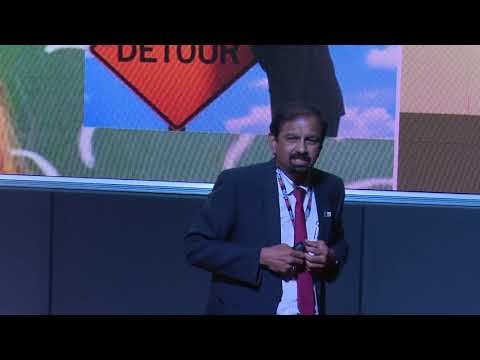
the next part is stress and distraction
I think we had a great talk on stress
and distraction and again if you look at
that sign here this detour
Bisby that’s where you talk about
distraction you can eat eat well in
terms of you know in terms I mean I give
you a good example is that it were it’s
something like we’re you know you
accidentally get married or you meet
somebody else and then your PhD takes a
backseat or your doctorate takes a
backseat and then you have this term
called a constipated supervisor and that
does happen you know why some suppose
are so anal when you give them anything
they want to really find the patan tech
mistakes and that small things where the
student has put in all the effort and
then again the surprises this no no no
no so I think it’s like you know the
supervisors can be a real problem and
they get too anal and be constipated so
what students need to do you give them
some form of laxatives and get them to
keep moving their bowels so to speak now
pessimistic and this is the part of the
student students tend to be very
pessimistic sometimes you know why they
say I don’t know I’m not sure what’s
happening why this is where every time
we take three steps up there’s one stop
fooling you down all right and that is
the issue where students have to get
over now yeah what do we do I think the
key element in all these things is now
I’m slowly getting into the pan Asia in
terms of what we need to do is a
relationship a relationship is a bondage
between the supervisor and the student
the first bit of the relationship is
basically getting them to be
enthusiastic and enthusiasm is going to
be two ways one is going to be the
actual the student being enthusiastic
about the topic and the other the
supervisor
encouraging them and also getting them
to be enthusiastic so to speak and
altruism and this is where I think
supervisors need to be altruistic so to
say in terms of helping the student now
if you look at what’s written here
my supervisor helped me with my writing
but never pressed me to publish and I
think that’s the way it’s got to be
supervisors have to be first thinking of
their student and not of themselves not
really looking at the students for
publishing machine the next picture is
in terms of encouragement and words of
encouragement are very important you
know and again every time a student
brings something to me the first thing I
tell them it’s great you’ve done a
fantastic job but then you may want to
change the small thing rather than the
reverse and I think that needs to happen
and of course recognize achievement I
think that’s a key element you know when
any student does anything or anyone I
mean here I’m talking about a doctor or
situation beat any form of supervision
is actually looking and saying you’ve
done a fantastic job and look at the
positives of that part about the
negatives of it of course pastoral care
this is something I enjoy very much
because I think students need this
addition other than academic it I’ve had
students who own my own doctoral
students back in Australia who actually
came and stayed with me because of the
fact that they were away from their
family and I think sometimes they need
that they need that additional support
they need that that feeling of passion
that you want to share with them and
they want to know you so you get to know
them and I think that’s a key element
that kind of motivates them to go on and
as somebody who cares for me now time
these are the main things that one is
going to watch you know really think
about procrastination and that is the
real teef of time we always keep saying
oh we can do it tomorrow we can do it
tomorrow why not yeah there’s a holiday
public holiday we’ve got you know this
holidays coming but that is actually
killing and eating us up and the next
bit here is in terms of being you know
really optimizing a time sometimes you
need to recalculate you need to really
look at say oh what have I done for this
how do I really actually look at my time
and manage it effectively alright and
the next bit is being realistic and
practical you want to be really
practical about your time you know for
instance you got
commitments and if I can show you the
lot that bottom of the screen you got
that family bit
everyone here is got a family and if
you’re doing a PhD don’t ignore your
family when they come in here and you
don’t give them that you know
constipated look they say listen you
know you got to spend time with your
family and that’s important you gotta
give them that time and I think that’s
important the other bit is this time
management time management you gotta be
really dynamic and not static it’s not
like you just put one concrete time
management it’s got a good that way now
with this millennial age and time that
we work with there are so many things
that are happening we need to really be
using our time effectively now I’ve come
to this Phoenicia and that’s the magic
pill now what’s the magic pill and one
of the things in the magic pill number
one establish ground rules with any form
of supervision you need to actually
establish the ground rules prior to
starting the supervision who am i what
am i doing why am i doing it held that
communication with a supervisor and
again this is where we talk about
clarify the expectations you need to
really clarify what your type is what
are your time constraints are you
working and doing your PhD are you
actually saying okay this is what I can
do and I hope but again clear the
expectations of the sepoys are they busy
what are the times you need to clarify
that bit sorry sorry yep now establish
communication channels and again when
you talk about stablish complications
now we’re talking about working with a
millennial wave got all in terms of
technology whether you’re gonna use
email you’re gonna go to Skype these
kind of things honest communication you
don’t realize how you supervise I can
actually see through you all right if
you’re gonna sell you know if you’re
gonna basically give a fit they will
know they can read you like a crystal
ball they can say yeah I know all right
so be very honest about it because you
know why you don’t want to solve that
relationship you’ve got a fantastic
relationship and enjoy the journey then
you’ve got basically encourage Andy and
also have things by way of dialogue now
I’ve told you these things and now let
me just kind of wrap tell you a bit of
this remember I had the first slide the
first slide you had the master
the learner now they’re reversing roles
student has actually finished a PhD they
become the expert and the supervisor
becomes an office they are learning from
that student so if you can see how the
things have flipped around and this is
where there’s gonna be a lot of respect
for each other and I can tell you this
much I still have a PhD student who’s
doing very well and he’s an associate
professor at top university when he sees
me he still addresses me as doctor all
these earlier professor so that’s all
I’m trying to say that expect now all
I’m gonna do is sum up what I just said
over these last 10 minutes first you
start with a journey going into the
wilderness all right the next what
happens is this you see now I’ve got to
sit down and do some work you go to the
library you do all this work and then
you have this organized mess on your
desktop all right that some of you have
these screens and I know you’re gonna
find files prior to desktop you’ll have
an organized mess in your old room then
you get excited work on this conceptual
model I’m so thrilled it’s the best
thing since sliced bread all right
I feel that what happens you get it it
to a detour gee you know I’ve got so
much of work you know the Sun is coming
down on me it’s reading nothing to do
with you it’s all external you know
everybody outside is bothering you
except yourself
alright and that what happened then
finally your eyes how long can I be on
these trees to uh I gotta do something
about it you sit down you keep you know
punching away and then you get excited
now I’m reaching I can see the light
the tunnel is getting a bit brighter now
then you get this particular final
analysis who you’ve got to throw this
party before it just says you’re
throwing the party you get this
graduation hallelujah you know you feel
really great okay and then finally you
go on a cruise all right now I’ll tell
you something all what I went through
and what I learned and all the positives
of learn would never have happened if
this gentleman was there not there in my
life and he was my supervisor when I did
my PhD he took me through the journey
and I’m here today because of him
all right and
thank me just thank him thank you very
much for listening [Applause]
Please follow and like us: