
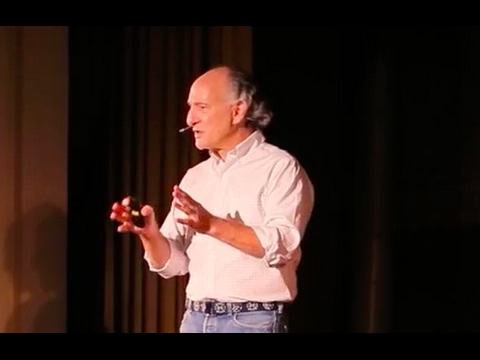
talk is the speaker of English and as
such is participating in a language
culture which we share with about half
the planet and which reaches back about
in the same way that Latin over time and
like all languages changes and becomes
Italian and French and Spanish and the
other Romance languages scholars have
been able to show that all the languages
between the Western deserts of China and
Iceland go back to a mother tongue we
called this language proto-indo-european
and the speakers of this language the
indo-european well not quite sure who
they were as relates to the
archaeological record but through the
linguistic evidence we get a glimpse of
a culture both strange and familiar when
we have word that’s show up in different
languages that it’s sound alike share
the same general meaning we can make a
supposition that they go back to an
original root and with enough evidence
we can piece together what that might
have sounded like here’s an example the
ATIS word water shows up in hittite
which is a language that was spoken in
what is now Turkey between 1800 1200 BC
their word is WOD are very similar the
Russian word for water is water and
vodka just means little water so we can
make a supposition that the original
word must have sounded something like la
the linguistic and cultural evidence we
know that they had the horse very
important in their culture and which
helped to spread it across vast
distances they had the plow they had the
wheel they had the axle they had
chariots they had the yoke and the loot
for that word shares its etymology with
the word we think of this very ancient
that like yoga and also words that are
very modern like Jack is in the
headphone jack that we just 7 or jacking
into the internet we know that there
chief God probably did battle with the
sea monster as Zeus battles typhoon and
Indra battled fira and the indian
mythology in hitch height
the here otaku’s battles in Ludhiana
similarly we know that they probably had
a river god called something like don or
da new we have the rivers that don in
the airport the mr. Donavan it might be
don mark as well and we know that their
thunder god who is called perón in
Russian and of kunas in Lithuanian and
Kunis is called met with you with the
italic word Quercus Latin for oak tree
in the Roman historians tell us that we
drew it with worship at the oak and
Quercus is the word which in English
shows up in Cork as cork comes from the
particular bark of an oak tree and
speaking of corks we know they enjoyed a
party the word need shows up across all
the indo-european languages its module
in Sanskrit it’s Madras means drunk and
garlic Meadows and old Church Slavonic
we have in Russian you don’t
but there by his name for fear of
attracting his attention he described
instead as yet that the honey either and
you know they read you know that they
had why when I was in Greek you know and
then and an alien languages blind
obviously in English it was so good we
had to share it with our neighbors to
the south as the eye and its lodging and
demotic Egyptian we also know that the
English words night and naked go back to
the same route so what this means is
they probably weren’t wearing any
pajamas so there’s this ritual which is
described in the Rig Veda which is about
5,000 years old written in Sanskrit as
both have become to what the original
indo-european speakers wouldn’t be
talking about this ritual called the
ashvamedha and there that need word
again describes a priestess having
ritualized sex with a horse which has
been slaughtered and fed to the
assembled masses never let me go there
yes and we can compare this directly
with the ancient Irish kingship rituals
where the newly installed King has sex
with a horse which has been slaughtered
who fed up the assembled masses and the
kings of Norway did the same thing even
after a crystallization in horse meat is
taboo before the cross albeit England
European language cultures otherwise and
there were a restless bunch and
different groups would over time split
off as the language itself sat in
development their little branch would go
up and develop we came to the first
branch to leave were the Anatolian is
chiefly represented by the Hittite
other groups included weeks in the doric
so we’ll talk about them later there was
a major group that went off to the east
need there called the indo-aryan branch
and they further split into the
languages would become parsing in
modern-day Iran and the Sanskrit
languages and we can trace the actual
movement of the indo-europeans across
the ages River Valley by the place name
everybody’s familiar with the Punjab
region that’s literally at a melodically
the five waters pancha hub okay and that
that Concha is cognate with Greek Penton
and Latin Queen quick goes back an
indo-european something like that hem
quick punch is the drink with five
ingredients right and this might have
we’re not quite sure if things up
another point we’re not sure what
prompted their dispersal that what
prompted their movement it could just as
easily have been about a need for more
arable soil as it could have been about
warfare and conquest and capture that
chariot that I have mentioned earlier
was an effective tool for hauling heavy
objects and it was a great war machine
as well they had the recurve bow which
is a great weapon for hunting and
gracious a weapon in war the Hittites
were in fact the chief enemies of the
Egyptians at the time of Ramses the
second is according to its record or
pretty appears some warriors other
groups split off over time we have the
healthy right palate plans we have the
Armenians the bleep food Oryx the
Germanic tribes fairly late split off
went to the west they further split into
the eastern northern and western
branches and English is a little twig on
the western branch
the Germanic languages but I want to
attract I want to turn our attention to
a group that spoke a language called
soap Aryan that went really far easy I
think they’re pretty interesting as
recently as the 1980s the shifting
desert sands in the Western Desert of
China the Taklamakan desert revealed
some ancient burials and these mummies
come to life preserved in the arid
desert environment and they’re unusually
tall and they have red and blonde hair
and they have long faces long noses and
they are obviously looking Caucasian an
examination of their grave Goods
revealed even more interesting stories
one is buried with the world’s oldest
piece of cheese or a daily culture at
3,400 years old that she didn’t really
look all that appetizing several more
were buried with bags of marijuana as a
so are indo-european cousins who were
trading the clothing that they were
wearing was made of a wool that was
moving in a diagonal twill pattern that
we see nowhere else except in ancient
Celtic textiles this this is a target
that that mummies of the Chinese desert
were where they discover the graveyard
in the middle of the desert where these
people who are buried in this looks for
all the world like a little Medina in
the middle of the desert the head of
each grave or each grave is covered by
an overturned wooden boat
and we can compare there we go paddle at
the top of it and we can compare this
directly with the Viking practice of
using their longships as the roof of
their temporary shelters when they first
arrived in Iceland and then in Greenland
and about a thousand years ago at
Lancome Meadows in the northern tip of
the allure and here in North America so
what drives all this expansion what
drives this Newton I think that there’s
a little clue in the indo-european
language itself and there’s a route that
I want to in English it shows up as both
the words new and now we have it in
Hittite language I’m referring to a lot
today which is written on cuneiform
tablets baked in clay there’s no
punctuation but you find the beginning
of each sentence with a little symbol
for the word the middle which largest
sentence we have tinea in Greek what’s
going on with you and Latin we’ve moved
how are ya what’s up I want to draw a
line between this little particle and
the expansion that we are our part of I
want to say that the indo-europeans
placed not only expected each moment to
be new and different than that was
preceded and that was after a taste a
value on it
and that this value inevitably led to
the need to change our environment to
change the scenery to learn new things
to go further that is maybe different
it’s what causes us to go down to the
sea and ships which will reach for the
stars and I want to draw a line and say
that describe convinces itself even here
and now as we sit and learn new things
about ourselves
that we a that we are in our place in it
[Music] [Applause]