
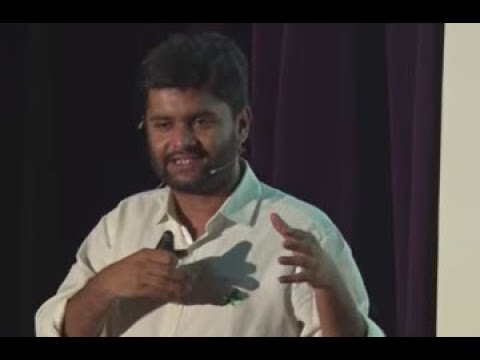
my name is avnish Pandey and I am
representing the Bombay heme company we
started in 2013 I’m going to take you
through the journey of the company
talking about some thought-provoking
things like cannabis which is such a hot
topic around breaking some myths
understanding a little bit more science
about it then definitely talking about
its application so Bombay ham company
the thought process of creating a
company Niagara culture doing something
with a crop or doing something in the
rural area actually began back in
college all seven co-founders were part
of this club called site students in
free enterprise and the the basic
concept of the organization was to come
up with solutions that would be
something between what we today call
socialism and what we do they call
capitalism something that would be a
good plan where you could actually
profit from something that would benefit
somebody else as well where profit is a
motive definitely because anyone would
want to function like a limited company
but how can we portray it in a way and
create people’s betterment at the center
of it and the first project that we
actually came up with was project chirag
it was a solar rural electrification
project today this project has gone
ahead and laid over 1,200 villages in
India and we came up with a very simple
business model we said the only way
people who are off the grid will get on
the grid if they have some kind of solar
equipment first we can’t be waiting for
the government to build infrastructure
so that the grids reach them we did a
detailed survey of the kind of solar
products that were available back in the
day and the most important thing that I
think we created in the process was not
the solar Lantern because we want
scientists not not how it would be
applied because we didn’t know how
religions are structure work but we
developed a financial product around it
we said that if we could subsidize the
price of the solar power thing by 50
percent then we would be able to help
them raise 50 percent of them
we don’t give it to them for free
because the moment we give something to
somebody for free we definitely don’t
value it and the other 50% will be
something that they will pay through air
miles
so they value the product they get a
product for cheap and they actually get
light which is the bigger consequence
and the whole thing today project Arad
is an NGO in itself and is working with
villages in Uttar Pradesh Rajasthan
Maharashtra and Karnataka as well during
her visits to all these different places
including Africa and animal predation we
realized that a lot of people in our
country work in this sector and just to
give you a glimpse of how much it would
be just a couple of years ago the
statistic was 60% in agriculture and
allied industries related to agriculture
that would be semi processing post
processing machinery labor etcetera
etcetera and what is its contribution to
at this thing called GDP right we talked
about the GDP a lot and it’s definitely
not an efficient ratio and why is it not
an efficient ratio and very simple
questions through our visit to some of
us for economic students some of us were
marketing students we were learning
about rural marketing so it was just due
to our travels and I experiences we
realized that there is this full
parallel world out there that we have no
idea about when I was just walking
through the door I realize them we don’t
have network inside the auditorium so
that’s the kind of first world problem
we have and when we walk into a village
we see we see things that we never
imagined then the way people are living
the way people even go about their daily
routine what they eat how they live so
this difference created this whole
questionnaire in our mind that how does
this happen and why is this in this way
we ended up learning a lot about the
basic problems that we face and I will
give you a very simple example India is
one of the world’s biggest Brewers of
wheat today but do you know more than
300,000 tons of our wheat just goes
waste for one simple reason because we
don’t have enough panel
like those with that much amount of
weight so we’re dealing with a problem
that is just not a uniform limit it
exists at multiple levels and how could
we possibly as a bunch of people
influence a value chain that employs 60
percent of our country that was the
challenge that was set in front of us
and we knew that we couldn’t just step
out of college and create an amazing
company because I hope it worked that
way but it really doesn’t
we need real-world experience we need to
have real jobs we need to see how money
works we need to understand how products
work whether products move or not and if
they don’t move what’s the probability
of success and failure
so some of us got jobs with consulting
company some of us are working with
media houses you get a lot more exposure
and at that point of time we understood
that this whole segment of natural
fibers what today’s our primary
understanding of natural fibers is
cotton is actually a very underutilized
market in India when we talk about
bamboo and we talk about Kenneth when we
talk about youth Roselle these are big
fiber crops in India but we have very
very limited application for these and
once we understood that okay there is a
lot of application towards these
different fibers we need to have some
kind of a team that could actually start
off by doing some basic rnd in these
different fibers and the one that we
shortlisted to was cannabis and I’m
specifically calling it cannabis because
that’s the genus the plant comes from
now there’s a big difference in this
preconceived notion that we have of this
plant which would definitely be one of a
drug but it’s there are different types
of cannabis the same way we have
different types of cats there are catch
you domesticate that I catch that live
in your houses and that I catch you
don’t there are thousands of different
plants where chocolate and cocaine
probably come from the same plant family
somewhere because that cocoa and cocoa
are would be having a similar genetic
makeup at some point but that doesn’t
mean this specifically the same plant
and that is exactly the difference
between a cannabis indica plant which
would specifically be
I in THC THC being the psychoactive
element the chemical compound that
causes that kind of euphoria or the
feeling of being stoned as we would call
it whereas the hemp plant is extremely
low in THC it’s a fibrous variety it has
a lot of seed that it did and it is you
specifically for industrial applications
now hemp was very interesting for us
because it had a massive history
specifically with any country that ever
went to war or ever needed to build a
resource quickly they needed him
essentially they were talking about
Napoleon’s invasion to Russia or were
talking about the Hitler fighting the
war or America fighting the Second World
War
in fact Kemper has been the oldest
cultivated crop or known to mankind it
since more than six thousand years ago
we’ve been cultivating him and we’ve
been using it for a lot of different
purposes in fact Henry Ford’s first car
the T model was designed around him
fibers and was proclaimed to be 10 times
stronger than steel it was also designed
to run on him fuel a lot of different
nuclear disasters across the world that
have completely left the soil in an
unusable condition there’s a specific
term in science which we call
phytoremediation so we are there
mediating the soil using him because of
its root structure and the way it can
get rid of the toxins in the soil some
of the bigger car companies in the world
specifically from your work with him all
the internal car paneling is actually
made from hemp fiber and it would be a
shock right that or everything we
considered about cannabis that would be
a drug would actually be present in a
car that way
currently hemp is a thirty eight billion
dollar global industry primarily based
out of the US China and Europe it’s
definitely coming up in India with all
the research that we are doing hem can
make specific grades of graphene like
carbon at the same time cannabis is
currently being studied as a medicine in
different
trees and what is happening with it a
range of big companies as all the
consumer companies that we would call
already work with him and we have a very
good example with the body shop so while
me and a few of my colleagues were
traveling in Oregon we saw this female
use hemp seed oil whose hemp is a native
crop of Oregon and she was using this
hemp seed oil to get rid of her stretch
marks and she was applying it on her
skin and everywhere and we just happened
to ask the locals what is this why are
you applying this oil and he says the
specific oil helps them in remediating
the skin the dead DNA and helping them
regenerate their DNA in some way and
then we come back to Delhi together
train back to Bombay and we in Delhi we
in a shopping mall we see hemp-based
moisturizing creams by the body shop and
that was the aha moment that there are
people in our villages who know of all
these amazing things because of the
indigenous techniques and we have
Western big businesses who’ve been able
to actually put that and box it in a
product which we buy aspirationally so
that whole transition of what
indigenously exists to how how a Western
concept is modified because I come from
a marketing background so that’s an
important thing for me how it is
modified and sold out like when we were
told to have halika do that home when we
were young beasts you know say no mom
I’m not going to have it but today we
have a sum of a colleague selling
different parts of the world and
turmeric latte is so much better than
Mallika dude so this was one of one of
those aha moments of realization that
how some of our indigenous things are
maybe what these big companies are
copying and then we actually break down
what are the total number of users that
hemp has because of its nature as a seed
and a fiber crop it can be applied in a
host of industries and India definitely
has a lot of its own wild and feral him
but we don’t have our own standardized
versions of him like we have
standardized varieties of rice we have
standardized varieties of wheat because
these are cultivated crops hemp is
primarily a wild and feral crop which
now we’re bringing to more of a
domesticated manner
as we talk about different countries and
different economies we can look at China
which is one of the world’s biggest hemp
drawers more than two and a half million
Chinese farmers grow him
hemp is one of the biggest commodities
that is single-handedly procured by the
Chinese PLA because of its fiber
applications their bed linen their socks
their clothes everything is made from
him some of the bigger fashion brands in
Italy definitely grow their own hemp
because they process it as textiles so
the shirt I’m wearing currently is a
hundred percent hemp shirt it’s made
from the past fiber of M countries like
Slovenia I use hemp as a source of pulp
because it has a high cellulose content
as we see big brands like H&M now are
getting into working with sustainable
fabrics like hemp pickles just to give
you a perspective hemp grows in ninety
days whereas cotton takes around seven
months to completely harvest him takes a
thousand times less of water to grow coz
it’s literally a weed crop so you’re
literally growing weed crops and it
gives you fine quality fiber fiber just
like flax or linen which today is one of
the most expensive fabrics that’s
available within the natural fiber
segment companies like H&M even see any
globally are looking at a sustainable
mandate with textiles that would not be
so cotton intensive because cotton is a
sucker to the economy it’s it’s the use
of pesticide the use of water and we’re
realizing that with the water table
drastically going away hemp is also
being used in new age materials I just
mentioned super capacitors now it’s
being used specifically in plastics as
talking about batteries and how the hemp
fibers can can produce amazing grade
activated carbon
as I said Indian farmers already have a
lot of hemp
specifically if we talk about a certain
latitude of northern India hemp is a
very wild and feral crop you will find
it in most places it grows like a weed
all we’re doing as an organization is
putting it through the scientific
process of what is the difference
between cannabis and hemp and explaining
that to the government because the
government is one of the most key
stakeholders in what we’re doing what we
term ourselves as is a regulatory
enterprise we’re betting the future of
our enterprise on the ability of the
government to understand the difference
between different species that has been
identified globally by different
mandates and also been defined by the
United Nations Convention on the same so
it’s not just about us creating one
product or us trying to sell fabric of
fibers it’s just not that one thing and
that’s the biggest mistake people make
when when they want to start off a
company and this is one thing even we
learnt gradually that you whenever you
start off with something first you
create a platform for yourself you
cannot just one day get up
however amazing your product is you do
not have the distribution you do not
have the understanding of business you
do not know how much money you will you
would need to get that out you need to
create an ecosystem for yourself and
that ecosystem is usually validated by
the following people that we mentioned
there the first one and the most
important one is is the kind of company
you’re trying to make actually exist
somewhere else does is it happening or
is it like you’re living in an illusion
that this might happen there’s a reality
and global heme companies exist and what
do they do how do they make money how do
they help their farmers how are they
helping the environment then as the
government and policy makers because it
comes from the same plant family as
cannabis it’s still regulated so how do
we work with the regulated commodity
which is actually very beneficial as
well so showcasing the right kind of
picture towards these policy makers
and of course these policymakers are
going to rely very heavily on scientists
and researchers because we’re a private
limited company that can have a deeper
ulterior motive to make money but of
course a scientists need to validate
every claim that we have then come the
actual farmer who’s going to benefit the
most from this because he’s going to get
a crop it and grow very quickly does not
need too much input cost can harvest it
and has a ready buyer so we’re creating
a simple agriculture technology system
where we know what a farmer is going to
grow and we know what we can buy it at
we’re making supply and demand more
reliable by actually having contracts
with the farmers we’re treating them as
business partners and not specifically
as just somebody that we need to take
care of
then comes the industry partner
supporting of course all the raw
material that we are working with we
need big industry to actually buy that
raw material there’s only that much that
a small company like us can do we need
to get big serious players involved in
this system so hemp can do all the
thousand things but we’re only
concentrating on the three most
important ones the three things that we
actually need to survive that is food
clothing and shelter this this crop can
provide us with all these different
things specifically when we’re talking
about food it provides us with some of
the highest grade omega-3 six and nine
essential fatty acids within any
essential oil that is available there
it’s much better in comparison to flax
and other seed oils present protein hemp
has the highest amount of soluble
protein per 100 grams soy has the
highest amount of protein but hemp has a
protein called
Eddie Steen which is highly soluble
within the system definitely hemp is
becoming a big product in the superfood
category globally along with flax you
know archaea and a lot of others
clothing as I’m as I told you I’m
wearing a hem shirt there are a lot of
different variants of hemp that oppress
in different blends you can blend it
with silk you can bend it with yoke hair
you can blend it with cotton a lot of
different fibers you can blend it with
hemp currently is 2 to 3 percent of the
world’s textile market so it is
definitely a small niche but China is
picking
European countries are picking up and
it’s time for India to begin doing
something is there
so the herd herd fiber which is like the
soft word of the plant can be chipped
and mixed with the right kind of lime
aggregate to create an amazing building
material we are doing this project with
iit in Delhi right now and processing
the fiber to create a building aggregate
that will actually absorb carbon so we
have a carbon negative foam that is
actually absorbing carbon improve
improving thermal efficiency and all of
this is from literally agriculture waste
because of the nature of our work where
we are dealing with this questionable
commodity in some way we we have been
quite present in the news and the media
and we’ve actually been invited by a lot
of different state governments to talk
about hemp and cannabis and definitely
the two to three state governments have
come to mind I am Archelle Pradesh Jammu
and Kashmir and no track on these three
states have widely growing cannabis
either cultivated by the locals for
their indigenous uses or harvested by
the farmer from the wild and they wanted
to understand that there is a big drug
problem with this how can we deal with
this drug problem because overnight you
cannot replace a crop yes we understand
that people in the mountains to make
some things out of it which are sold in
the black market as narcotics and that’s
a very established fact but the reality
of the fact is you can’t get rid of it
overnight and you cannot cut all those
plants away because there are millions
of hectares of that so you better be
able to find a real use to it rather
than thinking of it as your only problem
sometimes the way you have to look at
the solution is the way the problem is
structured if you cannot change the
whole problem then you got to probably
change the way you look at it and that’s
what we did with a lot of different
state governments today the state
government of Uttarakhand with all the
power of science and the power of
persuasion we had the state government
of origin actually has a proper policy
for its farmers to grow him that the
genetics have to be studied by state
government Research Institute they have
to be approved and then that approve
model can then be given to the farmer
and he can scale it up
and the system was created after two to
three years of deepen understanding of
how the Chinese are working with their
farmers because it still could be that
the question is okay what if somebody
grows an actual cannabis plant in the
middle of all these plants then what
will you do
but that’s scientifically proven that
the genetics that we are providing for
our farmers to grow this crop would not
create those cannabinoids so we are
dealing with something that’s
scientifically proven and safe enough
this is some of my colleagues with the
then Chief Minister mr. Harish Rawat in
this state now because we are working
with such a questionable commodity again
the important viewpoint of different
government think tanks and stakeholders
is also very important we were
privileged enough to meet with dr. Baek
Dubrow who’s a permanent member on DTI
of which is India’s premier think tank
and we had a conversation with him about
on the kind of work we’re doing and post
our conversation with him he actually
came out with his own head in the Indian
Express called the cannabis dilemma and
he specifically talks about how we
really need to look at cannabis in a
different way yes it has been a problem
it is a drug Menace but there are good
users to this plant and how can we bring
the good users to this plant and the
forefront and another big supporter in
the same way turned out to be mr. Tophet
Cespedes currently a member of
parliament from Orissa and we just
wanted to understand that what do a
parliamentarians think of hemp you know
they come from a lot of constituency is
that grow hung locally so they would be
very acquainted with what hemp is and to
our surprise when we gifted mr. SATA 3
or small kurta when he warded to the
Parliament he actually spoke about it
and we had 15 other parliamentarians
wanting to wear ahem kurta cuz there was
local bong that grew in their village
and they had no idea that this fiber
could actually make them something
useful and that’s how slowly we’re
seeding a bigger thought into these
people we are influencing policy while
we are working at a very very small
level none of us have any political
influence but one thing we did take time
to understand is how a bureaucracy works
because all of us spend time you know
thinking extremely critically about how
we are so corrupt and how everything is
so difficult to do definitely it is
difficult to do because you have an
opportunity to serve 1.3 billion people
I think they have every right to be
difficult to you and if you can’t get in
through the right channels you can
influence the right kind of people
because there’s always a bureaucrat who
will understand your language if you are
educated so as the bureaucrat an
educated guy and he just needs to
understand it from his perspective and
as we heard in the previous talk about
givers and takers it’s a lot related to
that concept as well that’s how we began
working with a lot of different
government ministries for a startup
company to work with so many different
government ministries is unheard of but
today we have a network or today we have
a network of bureaucrats ranging from
the Indian Administrative Services to
Revenue Services we have people
including members of Parliament’s and
bureaucrats within states who know what
hemp is who are working on policies
related to him and why are we actually
doing all of this Wow what is the
ulterior motive and we try to sum it up
in a very simple way we we we split all
our efforts in three directions the
first one being the community the second
one being the environment and the third
one being profit companies of tomorrow
are not going to be built the way
companies of yesterday’s walk we have
different metrics to adjudge our success
and shareholders profit is not the first
one and so happens that we’re a private
limited company were not an NGO we don’t
do this cuz we just feel good about it
we actually want to create a sustainable
business and some of us have also had
experience in the NGO space and it’s
really difficult to have a sustainable
flow of funding till you don’t have
impacts actually impacting people’s
lives and some people have already
experienced that in that case so very
simple motive before we actually started
growing hemp and everything the first
thing we did is we started helping a
bunch of beavers in oat return to
leaving him so that we can spread the
message of hemp by which is written by
these local weavers using their own
baggage for each our cousin spreading
the message out and we could not do all
of this
till we did not actually get some gray
hair experience on both cuz it’s not
just that seven of us envisioned this
and we had we had the politically tact
and understanding of how we talked to
bureaucrats how we work with them we
could not have generated that knowledge
among self it was very important for us
to get people who’ve done real stuff in
their lives who have that kind of
positive influence and say in policy and
I also understand the impact of
something like this at a multi fold
level and as you see some of these
people are extremely well positioned in
their careers to be able to offer
assistance to companies like ours then
we actually did a simple exercise with
the Ministry of textiles the report is
going to be soon released what is the
benefit of hemp to the Indian economy
and we said that ok hemp might have
multiple uses but let’s just concentrate
on one industry and try to value it I
think this number is around 240 crores
only if we use hemp that is limited to
the federal quality outside positively
to help our people and only from one
state which is from the state of origin
so the impact is multifold and the
reason why we want to do this is we want
to make hemp the next cotton that is the
idea cotton is not an indigenous
properties come from outside and there’s
a lot of different vested groups and
cotton that are profiting drastically
from it and the whole global supply
chain with regards to cotton is now
facing a massive hit because of the
environmental impact it has and we’re
just not talking about how big that
problem is but how possible our solution
is as well so as I told you like we’re
treating these people as our partners
they are we contract them as things we
don’t just offer them an opportunity
that’s not how we want to deal with them
you want to deal with them as equal
partners because that’s how it should be
done and
there are a lot of bigger companies like
Pepsi coca-cola who work with farmers
who are creating new business models
around a Gris supply chain so we are
learning from the bigger companies as
well so it’s it’s the birth of a new
industry we believe that we’re going to
spin off a lot of different companies
from this and we know that there are a
lot of bigger companies who are
interested in working with this as a raw
material so how do we cling the success
of our company with the success of these
bigger Giants who would be invested in
making this happen as well well that
little little step right now it’s been
three years since we since we started
the company and so far we’ve been able
to work with two different state
governments to specifically create
regulation for their farmers to grow
hemp and of course both these states
originally have an indigenous use of
this crop as well I would just like to
leave everyone with one last thought
that there are really weird things
around you where you can find value
there might be something that irritates
you it might be the doorknob of your
house or the way the ACS position in
your room but anything can be a problem
to any one of us but there are valuable
resources around those problems that
exists and I just want each one of you
all to keep your eyes and ears open
because you don’t know what you will
find where and how it will change your
life thank you so much guys
[Applause]
Please follow and like us: