
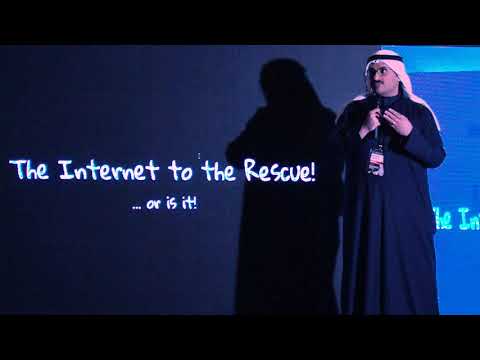
so them learning but if you guys think
when somebody tells you what is learning
the first approach the first thing that
comes to my mind is it’s the traditional
approach to learning
a teacher students the teacher conveys
the knowledge to the students that’s the
usual trend of how learning can start up
in a traditional way now the new
approach today by using technology is to
having a machine replace the teacher
well we can’t replace the teacher but in
general you the machine can’t do a lot
of things that the teacher cannot and
the biggest thing is that a machine can
can give that education of topic to
thousands millions billions there’s no
limit there however our teacher is
limited by the physical space that he’s
allowed now to convey this of the
problem of what we’re going to face in
the future I was talking about
populations so how many of you think
internet usage is according to the
global population in 2010 internet usage
from the global population is around 28
percent and in 2016 it was around 45
percent of the entire global population
that’s an increase of almost 17 percent
of internet usage across six years now
let’s assume that that’s a linear
projection and let’s move forward let’s
see when we do get very close to 100% so
in around 18 years our 16 years from
today you’ll see that it’s very close to
hundred percent now the population
estimated at that time is close to nine
billion okay and that’s that’s in 2020
54 now let’s consider the age groups of
these different populations so I spoke
the age groups to five year segments of
all the population from 0 to 100 years
old and let’s see the ones in the middle
the ones in green are basically the ones
that are willing to learn that can learn
through an online medium that don’t
require a human being to actually
actually guide them through the process
so that’s around seventy six point two
eight percent of the population now we
said 76 percent of the population in
2034 now let’s see capacitor
universities today there’s around twelve
thousand registered universities the
biggest of those twelve thousand
universities houses around fifty seven
thousand students and that’s a rare case
in general so let’s do the math if you
multiply both numbers you’ll get an
estimate of six hundred and eighty
million which is around seventy eight
seven point eight percent of that
population if you see that that’s that’s
a very small approach this very small
segment of the entire population that
actually wants it done
so the I think everyone would think
about it’s probably that the Internet is
here to save the day it’s available
everyone can access all these resources
online and from different devices but is
it like we all know today that we also
must try to learn something from from
the internet and what we face is we get
distracted by YouTube by whatsapp by
that’s all part of the internet so that
problem isn’t to twofolds which the
first one is to be a cultural thing and
we have to be resilient towards the
instructions or create courses that
actually are learning topics online they
actually are captivating enough where
they don’t they it’s very difficult for
you to be distracted from it now let’s
connect the dots what what are the
benefits of using the internet so the
internet is number one accessible so you
can use it on mobile devices laptops
tablets phones smart smart cars
smartwatches smart glasses all those
even small shoes party another thing is
that self-paced so when you learn online
you could do it at your own pace so
let’s say you take five minutes of your
day here before you before you go to bed
in the morning you’re taking a break
during breakfast and stuff basically do
at anytime anywhere and you can even
control the pace that you actually go
through you can go through the week or
any that’s up to me another thing is it
kind of actually cater to special needs
so when we’re talking especially is like
the blind so we have text a screen
reader so the bank can actually color
blind and a multitude of different
and the special needs that actually can
benefit from the use of the Internet and
the web standards and I love these
thoughts empty because there’s so many
standards today and on the web where he
can even use utilize for for learning
such as what we are worth virtually
ality and OpenGL and WebGL which is
graphics and 3d graphics and game
development and so much of these
standards exist on a browser where you
can just access that browser and you can
do anything and everything and even with
what assembly today we have a new
standard of work assembly of creating
actually core programs that used to
exist only on the on operating systems
now can be moved towards the internet
and browser media the best approach
towards a good learning of good learning
system is to have customized learning so
what do I mean by customized learning so
each one of us has a preference towards
and a preference on how we learn
I prefer text I don’t like videos I
don’t like to learn videos some of you
might like images and graphs and and pie
charts and so on and so forth so there’s
a lot of every one has its own learning
capabilities so customized learning
would be the possible solution of every
one of us having the the the the thing
he wants to learn in a special way that
only him can understand or the best
possible way for him to actually get
that topic and learn it
here comes our intelligence specifically
we’re talking about machine learning so
what is machine learning in general so
we have outputs and inputs and basically
you make the Machine understand and
figure out the correlation between those
both outputs and inputs and machine
learning will be able to actually
generate this customized learning for
all these different students so what you
guys think
from what I’ve said before is this is it
very way out there because all of these
technologies that I’ve been talking
about our exists today it just needs
somebody to champion and try to tackle
that challenge
[Applause] [Music]
when somebody tells you what is learning
the first approach the first thing that
comes to my mind is it’s the traditional
approach to learning
a teacher students the teacher conveys
the knowledge to the students that’s the
usual trend of how learning can start up
in a traditional way now the new
approach today by using technology is to
having a machine replace the teacher
well we can’t replace the teacher but in
general you the machine can’t do a lot
of things that the teacher cannot and
the biggest thing is that a machine can
can give that education of topic to
thousands millions billions there’s no
limit there however our teacher is
limited by the physical space that he’s
allowed now to convey this of the
problem of what we’re going to face in
the future I was talking about
populations so how many of you think
internet usage is according to the
global population in 2010 internet usage
from the global population is around 28
percent and in 2016 it was around 45
percent of the entire global population
that’s an increase of almost 17 percent
of internet usage across six years now
let’s assume that that’s a linear
projection and let’s move forward let’s
see when we do get very close to 100% so
in around 18 years our 16 years from
today you’ll see that it’s very close to
hundred percent now the population
estimated at that time is close to nine
billion okay and that’s that’s in 2020
54 now let’s consider the age groups of
these different populations so I spoke
the age groups to five year segments of
all the population from 0 to 100 years
old and let’s see the ones in the middle
the ones in green are basically the ones
that are willing to learn that can learn
through an online medium that don’t
require a human being to actually
actually guide them through the process
so that’s around seventy six point two
eight percent of the population now we
said 76 percent of the population in
2034 now let’s see capacitor
universities today there’s around twelve
thousand registered universities the
biggest of those twelve thousand
universities houses around fifty seven
thousand students and that’s a rare case
in general so let’s do the math if you
multiply both numbers you’ll get an
estimate of six hundred and eighty
million which is around seventy eight
seven point eight percent of that
population if you see that that’s that’s
a very small approach this very small
segment of the entire population that
actually wants it done
so the I think everyone would think
about it’s probably that the Internet is
here to save the day it’s available
everyone can access all these resources
online and from different devices but is
it like we all know today that we also
must try to learn something from from
the internet and what we face is we get
distracted by YouTube by whatsapp by
that’s all part of the internet so that
problem isn’t to twofolds which the
first one is to be a cultural thing and
we have to be resilient towards the
instructions or create courses that
actually are learning topics online they
actually are captivating enough where
they don’t they it’s very difficult for
you to be distracted from it now let’s
connect the dots what what are the
benefits of using the internet so the
internet is number one accessible so you
can use it on mobile devices laptops
tablets phones smart smart cars
smartwatches smart glasses all those
even small shoes party another thing is
that self-paced so when you learn online
you could do it at your own pace so
let’s say you take five minutes of your
day here before you before you go to bed
in the morning you’re taking a break
during breakfast and stuff basically do
at anytime anywhere and you can even
control the pace that you actually go
through you can go through the week or
any that’s up to me another thing is it
kind of actually cater to special needs
so when we’re talking especially is like
the blind so we have text a screen
reader so the bank can actually color
blind and a multitude of different
and the special needs that actually can
benefit from the use of the Internet and
the web standards and I love these
thoughts empty because there’s so many
standards today and on the web where he
can even use utilize for for learning
such as what we are worth virtually
ality and OpenGL and WebGL which is
graphics and 3d graphics and game
development and so much of these
standards exist on a browser where you
can just access that browser and you can
do anything and everything and even with
what assembly today we have a new
standard of work assembly of creating
actually core programs that used to
exist only on the on operating systems
now can be moved towards the internet
and browser media the best approach
towards a good learning of good learning
system is to have customized learning so
what do I mean by customized learning so
each one of us has a preference towards
and a preference on how we learn
I prefer text I don’t like videos I
don’t like to learn videos some of you
might like images and graphs and and pie
charts and so on and so forth so there’s
a lot of every one has its own learning
capabilities so customized learning
would be the possible solution of every
one of us having the the the the thing
he wants to learn in a special way that
only him can understand or the best
possible way for him to actually get
that topic and learn it
here comes our intelligence specifically
we’re talking about machine learning so
what is machine learning in general so
we have outputs and inputs and basically
you make the Machine understand and
figure out the correlation between those
both outputs and inputs and machine
learning will be able to actually
generate this customized learning for
all these different students so what you
guys think
from what I’ve said before is this is it
very way out there because all of these
technologies that I’ve been talking
about our exists today it just needs
somebody to champion and try to tackle
that challenge
[Applause] [Music]
Please follow and like us: