
we’ve all had those experiences on
projects at work or school or in the
community or we’ve come together with
others to do something new something
different something innovative
sometimes those experiences can be
exhilarating we’ve come together as a
group we’re excited and energetic we’re
proud of what we develop and we leave
wishing we could work like this more
often
other times those experiences can be
soul-crushing we’re disappointed in the
results the team doesn’t communicate
there’s frustration conflict and we
leave with thinking that it’s a waste of
time and resources what makes these so
different why is one so positive while
the other can be so negative I think it
has to do with the building blocks of
innovation and that’s what I’m going to
talk with you about today what are these
building blocks process innovation
involves a deliberate process while that
may seem serendipitous there’s almost
always an underlying approach by which
ideas are shared and integrated and
improved upon that may be as simple as
an agenda for a meeting or it may be a
very complicated series of steps to
achieve a very specific outcome process
is important to innovation people
particularly teams of people are
important to innovation people that have
different backgrounds different
experiences different ways of looking at
the world people that come together to
leverage their strengths and build a new
collective vision that’s greater than
the sum of each of them as individuals
when you bring new people together that
don’t know each other that speak
different languages or use the same
words in different ways that means that
you need a process to build trust and to
foster communication so people and
process are important to innovation
place
innovation is nurtured in a place where
you have the space and tools to be
creative I think of it as a playground
where ideas can play and interact evolve
and build this is both a physical
playground or you need tools sticky
notes or markers snacks and coffee but
it’s also a mental playground a place
where you can make the other areas of
your life go away where you can focus
and dream and be inspired you need a
place that’s different than where you
typically operate a place where you can
come together with people and have a
process around innovation products
innovation develops new products and
when I say products I mean that in the
very broadest sense a product may be
something physical a prototype or
presentation or a paper but it can also
be something much less tangible an idea
a strategy a relationship or a feeling
innovation products are the result of
innovation and are an outcome of the
people the processes and place that you
put together perspectives innovation
enables new perspectives innovation
should change people innovation is about
sharing ideas and what ideas are shared
there implicitly received and when you
receive something you are forever
changed sometimes in ways that are
imperceptible but sometimes in ways that
are profound perspectives like products
are outcomes of innovation they result
from the people the places and the
processes that were used to get there
and finally progress innovation
accelerates progress
it makes things better cheaper faster
but it’s important to understand what is
it you’re trying to achieve
how will you know that you’ve been
successful what are the measures that by
which you can demonstrate improvement
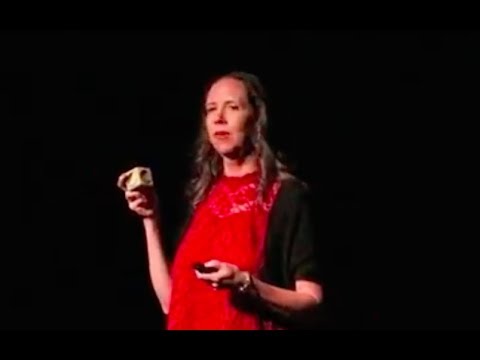
progress perspectives products people
places and process these are the
building blocks of innovation it’s not
about one of these items it’s about how
they work in supporting each other and
the way that they are supported by each
other going forward they form a greater
whole like facets that come together to
form a cube an innovation cube
innovation is about a deliberate process
to bring together people from different
backgrounds and experiences in a place
where they have the tools and space to
be creative when you do that you can
enable new products enable new
perspectives and you can accelerate
progress too often when we try to
innovate we don’t consider all of these
elements and the delicate balance and
connections between them take for
example an organization that wants to
move in a new and different direction
all too often they go about doing it by
taking their usual a performer’s
bringing them together in the usual
conference room where they always meet
and beginning by asking the usual
questions is it any wonder that such a
situation rarely results in a new
product or perspective or progress if
you want something different with your
elements you have to put them together
in a different way you have to change
things up add new people to the team
meet in a different location change your
process in your agenda the way you
approach things here’s another example
we have a stove-piped organization that
wants to facilitate communication
between two separate teams and entities
they might do that by taking groups
together and bringing together in a
conference room over lunch perhaps how
often in that conference room
instead of having conversations people
sit through an hour of PowerPoint
at which point they get up and they go
back to their lives the product we
wanted to get was relationships and
communication we may have gotten
information exchanged but we had the
wrong process to achieve the outcome
that we wanted so when we think about
innovation we have to think of how all
of these elements work together when we
don’t think about them in concert and
imbalance with one another our cubes can
become distorted they no longer work
you can’t build them they’re not
foundational so what does a balanced
cube actually look like well I’ll give
you an example from my world and my
experiences I work at Pacific Northwest
National Laboratory with over 4,000
colleagues who bring our technical and
scientific expertise to bear on some of
the nation’s most challenging problems
in energy environment and security we’re
a pretty innovative organization and
we’ve done some amazing things and had
impact at the national level but we are
an organization of humans and humans are
creatures of habit we to fall in our
comfort zones finding ourselves meeting
with the same people thinking about
problems in the same way getting in our
comfort zones we’ve realized is hard to
break out of it takes resources and time
and energy to do something different and
so we’ve been experimenting with
different ways to create that energy of
creativity and collaboration and foster
a culture of innovation one example is a
program that I led last year called Q
camp Q camp was designed to bring
together people from across our
organization to work in ways that they
had not done before to leverage our
individual capabilities and working
across them in a way that we could
develop new products new ideas and new
perspectives but
between them so we started with the
people we I went through a process to
select and identify 17 staff from across
our organization we had nuclear
engineers and physicists data scientists
graphic design artists even a
veterinarian we brought them together so
that they could think about new problems
in new and different ways because they
didn’t know each other we needed a
deliberate process to foster
communication and Trust to give them
skills that they could actually work
with going forward this process involved
a meeting every afternoon for a number
of weeks in a place where they could
have the tools and space to be creative
it was both a physical place that was
very different than where they started
from where they would normally spend
their time as researchers or scientists
it was a place where they had sticky
notes and markers toys electronics
robots and lots and lots of coffee it
was also a mental place because we
brought them together every afternoon
for a number of weeks they could get
into a different mentals place they had
the space and the time to dream and be
inspired to build their ideas and come
up with something new that none of them
could do on their own so what did they
actually develop well they developed
products they developed prototypes which
you can see next door they were driving
robots with brain computer interfaces
they were looking at illegal fishing in
the Bering Sea
they developed many exciting things that
our organization had not seen before and
leveraged the strengths of all of them
in the group we also got ideas dozens
and dozens of ideas that again would not
have come from them as individuals but
together collectively they could do
something different we have new
perspectives so those perspectives and
new viewpoints on the world some of them
have been changed in ways that may seem
imperceptible but several of them have
been changed
in ways that are profound one of our cue
campers in particular came out of the
cue camp experience and went back to his
projects and did a complete restart he
approached his team in a new and
different way he asked for their help in
identifying what was the right problem
and what was the solution and realizing
they could do many things that he had
never thought possible he has a new
perspective on research and he’s
applying it in what he does and finally
progress we’re making progress through Q
camp and through other innovation
efforts we’re moving things forward
we’re accelerating the ways that were
responding to our technical needs we’re
doing things on the matter of weeks and
months as opposed to years we’re making
progress by watching the teams and the
relationships that were formed people
that didn’t know each other and but are
now working as teams on a day to day
basis on their projects we’re looking at
progress by opportunities to talk to
others and to share our experiences to
share what we’re learning about
innovation through venues like this and
others and to find like-minded people
that want to explore these creative
ideas themselves these are the elements
and building blocks of innovation
innovation involves a deliberate process
to bring together people from different
backgrounds and experiences in a place
where they have the tools and space to
be creative when we do that we can
develop new ideas enable new
perspectives and accelerate progress so
the next time you’re thinking about
innovation thinking about something new
or different think about the Q have you
thought about all of the elements the
process the people the place
the products the perspectives or the
progress I invite you to stop by next
door and pick up your own innovation
cube and keep it as a tangible reminder
of what you can do to drive innovation
in your world thank you
[Applause]
Please follow and like us: