
[Music]
[Applause]
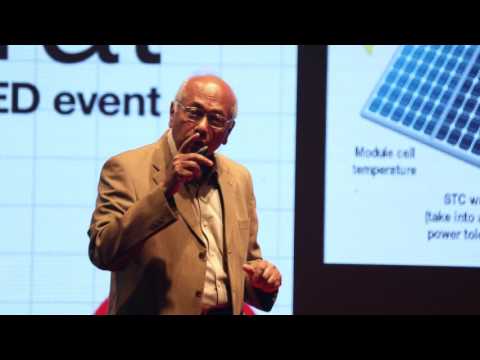
today we have come to this TEDx turret
and the theme is to build I was asking
myself what to build
is it only building some bridges bridges
between what across stop the river much
more than that between the mother and
the child for their choices to menu
between the doctor and the patient to
understand the trust that they have
between each other so all these kind of
builds are there in built in this
today’s theme now one of the main in
fact not – one of the main I think if
you ask anybody
then what’s the biggest challenge that
humanity is facing today in one word I
can say everybody would agree on this
point that it is the desire for
improvement of the quality of life for
the people in the developing world which
essentially depends on how much of
energy is available to them that is one
side the other side protecting the
environment and having a system to
prevent the climate change this is the
biggest challenge it’s easy to say that
okay you will produce more energy if you
produce more energy by the conventional
means of burning fossil fuel then the
climate cannot be controlled and that
will have such a severe effect it’s not
for the future it’s for the present
generation that they will feel this is
unbearable so let me talk about that
what we should do about this about the
building of this so first let us see
what is outstanding generally we all
feel that we are very much impoverished
look at our standing in different areas
whether it’s in food grain production
fruits and vegetables pulses in milk
milk we are number one and may be good
javis contribute in a great deal for
that in everything in steel in cement
our position is pretty good worldwide
problem is poppy
look at our use of mobile and internet
usage we have 1.1 to 7 billion mobile
connections we have thirty four point
eight seven percent population connected
by Internet which means essentially we
are second oil and ranking in both come
to the electricity use there we find
that we are awfully poor our per capita
electricity consumption is typically
about thousand thousand seventy five
kilowatt hour that’s a thousand kilowatt
unit and that is one third of the world
average it’s not of the of the very rich
countries it’s something talking of the
world average which includes Africa many
places which is completely dark even
today and if you take a picture a
satellite picture it has changed we have
improved considerably from the position
ninety nine to position twenty six this
year it’s a crime our cable achievement
but we have to do something more let us
look at the resources because the
country when we talk a build again build
on what you have to have a foundation
the foundation is the resource and our
work our intelligence our innovation so
resources available we have a huge Lange
we have a about forty four percent of
the global freshwater more importantly
most importantly is our population 1.2 1
billion people almost one-fifth of the
humanity and we have over sixty percent
of them are in their working age that is
called the demographic dividend we have
all that advantage for us we have a five
hundred million cattle not to forget
about them minerals we have
fifth-largest
Aden Reserve we have very high aluminium
reserve there are many other reserves
that we have but our conventional energy
resources are rather poor we have a
India’s balance of trade if you look at
in the year 1415 we had minus 138
billion US dollar and how much is our
import import was 156 billion US dollar
for oil and coal alone so imagine that
this oil and coal we need did not have
to import we would have had a positive
balance of trade so this is the big
advantage the whole thing
our entire economy the Sun how much we
import for our energy now doing do you
have much of energy resources yes let’s
see if we look at the well fossil fuel
resources oil natural gas and coal these
are the reserve and what I’m indicating
there is the ratio of per year
consumption and that ratio tells you
that how many years this is there will
be lasting it’s going to last only 18
years for oil 50 or 51 years for natural
gas and about 89 years for coal provided
the consumption rate remains constant
which is not the consumption is going to
change and that would mean they’ll be
much less time for that to be consumed
off now why do you talk of electricity
electricity all the time because
electricity per capita electricity
consumption is a single parameter which
has a direct influence on UN Development
Index just now you had a beautiful talk
on on the robotic surgery you talk of
anything on education on a healthcare
finally everything depends on whether
you have the energy resources to feed it
and that is why the Human Development
Index which combines all these factors
availability of food availability of
milk drink everything water water also
depends on how much energy you have
otherwise that water is limitless in the
sea whether you have to desalinate it
which requires energy you see that
Indian position is just about 0.6 above
and most of the developed countries are
over that point 9 what we have to do in
this scale this is the annual
electricity consumption which goes from
say about we are at thousand level if we
go to over three thousand level we’ll
come to a knee of the curve which means
that our Human Development Index will be
better than point eight so it requires
three times more energy production don’t
you have any a resources for that look
at the Sun and particularly look at this
this map of India weather darkest red
color means a maximum of energy that is
being received and Gujarat being the
luckiest place where we have the highest
incident of the solar energy so it’s a
huge energy that is
on the underthe it will tap it what’s
being done you see the potential is as
much as one gigawatt means thousand
megawatt so I may have some places now
you got some places megawatt but just to
explain to you one gigawatt means and
the peak our response GWP gigawatt peak
because solar energy is something which
is intermittent if a cloud cover comes
then it’s become zero so that’s why you
have to talk of the peak power so a huge
potential for that and if we just take
three percent of our wasteland
then also you get that much of energy
which can definitely meet all our
resources so here working on the solar
very significantly another achievement
is quite strong look at that this is the
kind of renewable energy resources and
as I mentioned even if you take three
percent wasteland we’ll be having about
750 but you have powers you have Knights
so it gets reduced by a factor of five
to 150 gigawatt year of energy per year
will be coming and it will be coming as
long as sunless alight and as long as
Sun easily we are also alive so for our
entire life day I mean our whole
civilizations life thing now solace
technologies there are two distinct we
humans we must say that what we have
been progressing so well in solar no no
doubt about that most of it is by this
photovoltaic cells which converts the
solar light into electricity ABC which
has to be converted into AC to fed to
the grid and at every stage there are
some big losses but more importantly to
that is the fact that there are other
means of of getting solar energy to get
you a very high grade heat there are
many operations whether you require not
just electricity but you need a chemical
operation a metallurgical operation
where you need the heat at a very high
temperature one of the most important
application is if you want to produce
hydrogen but normally we think of that
okay these energies are for feeding
flower electricity in the house how I’m
going to run our car eventually
petroleum is going to be over not far
away is in this present generation most
of you will see in your own life
that petroleum is not there how to run
your class you
we’ll only run by hydrogen but is
hydrogen freely available source of
hydrogen is freely available that’s
water so to break water and for breaking
or water you need lot of energy so that
energy is provided and solar energy can
be very effective for doing that
provided you go for high temperature and
that is done in a process called solar
thermal I am sorry to say that in the
country the effort on solar thermal is
rather very meager because it is
attractive today too just to put a
photovoltaic cell and get some
electricity and that is what is
happening today
there also the manufacturing capability
within the country is offered do you
know how much of the money that you have
to spend our target is very good we are
at the stage of going to 20 gigawatt 20
thousand megawatt very soon 40 thousand
megawatt by 2020 and about 100 thousand
megawatt by 2022 so such a big expansion
in the solar energy but if you ask that
how much of silicon we produce in the
country now all this based on silicon do
you know the number and I ask this
question to this great audience is any
easy to answer that it is zero so we
have to depend entirely on input for our
solar photovoltaic cells so this is
where the mismatch is when you are
talking of building we have to build
these things the other big sources okay
this is the example we have been doing
in a small way it’s a very small rooftop
solar thermal setup facility and based
on that a large facility commercial
facility is coming up in Gujarat very
soon what are primary energy sources see
primary energy sources then fossil fuel
energy sources are different because
primary energy sources will not get
exhausted for self well is something
which you’ll get this exhaust it is
there under the earth and as we take it
out gradually it will get exhausted so
in the primary the first is we can
consider wind and Sun this is primary
energy source it is not going to be
exhausted but it is distributed and
intermittent win doesn’t flow all the
blow all the time neither does the
sunshine
if you’d company concentrated and
continuous source that is the nuclear
energy source this is the Qaeda picture
in the greenery you see that how
beautifully it is placed and the
greenery is perfectly all right and look
at the numbers if you want to put up at
10 gigawatts that this 10,000 megawatt
plant in one place how much is the area
that you require you require 5,000
square kilometer for the case of wind
you require about 400 square meter
called kilometer in case of Sun but you
can get that same energy in a
concentrated continuous absolutely
reliable form is wrong in India as small
as 2 square you know now imagine that
requirement you have the requirement of
heating electricity to the large number
of villages that we have we have to
provide that energy to the field you
require distributed form of energy you
need to satisfy the energy need of a
city like Surat you want to produce
energy for feeding and Industry energy
intensive industry you need concentrated
energy totally reliable totally
uninterrupted there’s no question of
break and nuclear can do that so these
are complementary many a time we find
this kind of a debate this debate is
meaningless
one versus the other no we need both we
need an optimum mix of these and that is
what the energy planets are doing today
look at the average capacity factor main
difference between the capacity factor
on wind solar which is in the range of
20 to 25 percent whereas nuclear has
demonstrated between 80 and 90 percent
is because that is continuous this is
not okay
so now I come to thorium see the
question is that are you so much
impoverished in our energy resources we
don’t have much of uranium we do have
today we have improved that quite a bit
today I think the number comes to about
2 lakh 20,000 tons of uranium or reserve
that we have but that’s not enough for
our future but when you look at thorium
I’ll do a simple back of the envelope
calculation for you you can see that
we will deposit about 810 thousand tons
of metal next then we have if you take
sixty thousand megawatt thermal vapour
ton it is 4 into 4 point 6 into 10 to
the 14 kilowatt hour per cycle 10 times
of that because you can do recycling of
that no I think yes so in there
stabilize population is going to be
about 1.7 billion most of the
demographers have worked out that will
be reaching somewhere around this number
and if I take this 3000 we have
sufficient energy for this thorium for
over 900 years if it is only fed by
nuclear and if we take 20% comes from
nuclear LS comes from solar wind even
some part of carbon or oil then it will
last for 4,500 years it’s not a small
number your human history is of the
6,000 years human written history is
only 6,000 years so we have plenty of
that and then we can say that we are
really rich we are not impoverished we
are rich and we can be even clearly the
shaykhs of tomorrow because of our
thorium and how thorium is distributed
you don’t really mind it it’s not
underground if you go along with 75,000
kilometers of coastline of India and
mostly in the eastern and western coast
you will find that black sand and this
black sand contains monazite which is
sodium and there are plenty of
advantages of having of thorium based
reactors the immediate question that you
will be asking me that okay you people
have been talking about thorium movie
mama talked about thorium 50 years
whether or not more than 50 years back
he centenary was celebrated just about
few years back so so much so many years
back but still why you are not done it
yet reason being thorium as such is not
F well thorium as such cannot be fission
by Neutron to get energy thorium needs
to be converted thorium gets converted
by nuclear reactions it goes to nuclear
chain finally goes to uranium 233 and
that is the fissile and that is the fuel
material so thorium has to be converted
like this what
it’s needed for that you need to have
neutrons and these neutrons are not
available from mines
neutrons are not available from space
neutrons have to be generated and this
generation is done inside a nuclear
reactor so what you need to do is that
have the first generation reactor of
today and that is going to produce
Neutron this Neutron converts uranium
238 to plutonium 239 or thorium 232 to
uranium 233 and this becomes almost an
inexhaustible source of energy for our
future so that is our building from our
own resources so what I’m trying to say
here is that you have to understand
little bit on this issue of well cycle
nuclear reactor it comes with a well
within in which we have both fissile and
fertile fissile material and fertile
material material gives energy fertile
material gets converted into fissile and
you can see that the spent fuel which is
coming out of the reactor is not a waste
it is actually potential for fog that
energy it’s a huge potential so India
has adopted the close fuel cycle which
is shown in the bottom and that
advantage of getting the Fertile to
fissile is something which we are
exploiting our fast reactor is ready for
operation in Kalpakkam within few months
it will become operational and that is
the first example to show you that yes
we have converted uranium 238 with
petroleum which is going to burn in this
reactors and produce more neutrons to
get converted the thorium to uranium 233
we’re in the right track all along
there’s a second important question
which most of the people here would know
that is the issue of nuclear waste you
will say that oh all that we understand
but this nuclear waste has lot of
radioactivity and this radioactivity is
going to last for many many years and
that is thin in this plot you see it’s
about two hundred thousand years this
reactivity is going to last which is
above the natural radioactivity of iron
ore sorry uranium ore and that problem
has been minimized to reduce
considerably
by minor actinides separation by those
plutonium americium fish and productive
these are separated curium then we come
back to 300 years so this is one thing
where India’s course much better than
rest of the country orders of the
country the world because we have
already done this in our plants and
again not far away from here in Taba
poor so crying to the thorium
application
India has already designed reactors for
use of thorium this is the design again
this reactor has now been when the site
selection for this reactor has already
been done the government approval is
existing and it will come again in
Tarapore so you’ll see that very close
to your town of Surat you’ll be having
these major developments which is sort
of our kind of showcasing the ability of
Indian scientists and technologists in
the world on this one where we are
completely self-sufficient let me come
to the best basic point paradigm shift
there is a big shift in the paradigm
what is the shift shift is that so far
we were all these years of human
civilization we are we have been using
energy from the fossil fuel when we
first saw the humanity Homo sapiens at
that time there are humans at that stage
Homo sapiens saw the forest fire all
other animals what did they do they fled
there from that place because of the
fire Homo sapiens just not fled we also
try to understand what is this fire
where from it is coming where from this
energy is coming and how to create fire
they discovered what is known as the
fire stone if you hit them each other
you click a small spark and then you can
create fire you can control fire and
that is how we have been providing human
civilization grew up over the last 6,000
years to provide that energy to build
all that that you have done so far it’s
about a story of about 6,000 years now
we have perhaps done little too much
result is this second picture which is
here the thermal power is generating so
much of carbon dioxide now
our existence itself is at stake because
climate change or the environmental
factor will finally kill all of us
unless we control that the solution is
here use the primary energy Sun wind and
nuclear which can actually provide us
enough of energy to sustain the growth –
to actually have the dreams of the
developing countries to improve their
quality of life at the same time not to
disturb the environment now I’ll ask one
simple question again since we are
talking of building the question is
country’s large a country of our size
which is one fifth of the humanity will
it always remain as a market why I’m
asking this question today we are
talking of solar energy but how much
effort we are giving for production of
solar silicon
see the number the total 3 lakh crore of
photovoltaic cells are to be important
but the effort that we are talking
you’re building but this building is
something which is lacking
we have the technology strengths we have
the entrepreneurial strengths this
country is famous for this
intrapreneurial strength why are we
missing in these and if we can really
take the thing on our stride and advance
in each of this area just now you heard
about the the robotic brain surgery in
the medical equipment building the
Indians core is at a poor very poor if
in a digital x-ray machine is not being
built in the country we’re importing
practically everything of all your cell
phones not a single one is with the
Indian technology so there is a demand
for that we have to build technology we
have to build on our own resources then
only this country can one day be rich
and one day is prosperous and we can see
the smiles in the faces of all our
people so that is what is the building
requires so build on indigenous
resources and technologies this is what
is but there is a pain
step it’s not something which is easy
it’s not a question of only some
financial manipulations to just get
something from other countries it is a
tedious work tedious work for
generations fortunately I have been in
an organization but this has been going
on over few generations so I have seen
how this is done it’s never a process
that can be done by single individual
again taking the example of the brain
surgery by robotics I just now just
about a month back I saw a development
where there actually did not own the
human but on the models how exactly the
robotic surgery can be done and build
that equipment so that is the spirit
that we have to have many of you are
young here could have a bright future
but see it in that angle that India
builds each of these with their own
technology and that will really bring us
prosperity to this country thank you for
your attention
[Applause]
[Music]
you
[Applause]
today we have come to this TEDx turret
and the theme is to build I was asking
myself what to build
is it only building some bridges bridges
between what across stop the river much
more than that between the mother and
the child for their choices to menu
between the doctor and the patient to
understand the trust that they have
between each other so all these kind of
builds are there in built in this
today’s theme now one of the main in
fact not – one of the main I think if
you ask anybody
then what’s the biggest challenge that
humanity is facing today in one word I
can say everybody would agree on this
point that it is the desire for
improvement of the quality of life for
the people in the developing world which
essentially depends on how much of
energy is available to them that is one
side the other side protecting the
environment and having a system to
prevent the climate change this is the
biggest challenge it’s easy to say that
okay you will produce more energy if you
produce more energy by the conventional
means of burning fossil fuel then the
climate cannot be controlled and that
will have such a severe effect it’s not
for the future it’s for the present
generation that they will feel this is
unbearable so let me talk about that
what we should do about this about the
building of this so first let us see
what is outstanding generally we all
feel that we are very much impoverished
look at our standing in different areas
whether it’s in food grain production
fruits and vegetables pulses in milk
milk we are number one and may be good
javis contribute in a great deal for
that in everything in steel in cement
our position is pretty good worldwide
problem is poppy
look at our use of mobile and internet
usage we have 1.1 to 7 billion mobile
connections we have thirty four point
eight seven percent population connected
by Internet which means essentially we
are second oil and ranking in both come
to the electricity use there we find
that we are awfully poor our per capita
electricity consumption is typically
about thousand thousand seventy five
kilowatt hour that’s a thousand kilowatt
unit and that is one third of the world
average it’s not of the of the very rich
countries it’s something talking of the
world average which includes Africa many
places which is completely dark even
today and if you take a picture a
satellite picture it has changed we have
improved considerably from the position
ninety nine to position twenty six this
year it’s a crime our cable achievement
but we have to do something more let us
look at the resources because the
country when we talk a build again build
on what you have to have a foundation
the foundation is the resource and our
work our intelligence our innovation so
resources available we have a huge Lange
we have a about forty four percent of
the global freshwater more importantly
most importantly is our population 1.2 1
billion people almost one-fifth of the
humanity and we have over sixty percent
of them are in their working age that is
called the demographic dividend we have
all that advantage for us we have a five
hundred million cattle not to forget
about them minerals we have
fifth-largest
Aden Reserve we have very high aluminium
reserve there are many other reserves
that we have but our conventional energy
resources are rather poor we have a
India’s balance of trade if you look at
in the year 1415 we had minus 138
billion US dollar and how much is our
import import was 156 billion US dollar
for oil and coal alone so imagine that
this oil and coal we need did not have
to import we would have had a positive
balance of trade so this is the big
advantage the whole thing
our entire economy the Sun how much we
import for our energy now doing do you
have much of energy resources yes let’s
see if we look at the well fossil fuel
resources oil natural gas and coal these
are the reserve and what I’m indicating
there is the ratio of per year
consumption and that ratio tells you
that how many years this is there will
be lasting it’s going to last only 18
years for oil 50 or 51 years for natural
gas and about 89 years for coal provided
the consumption rate remains constant
which is not the consumption is going to
change and that would mean they’ll be
much less time for that to be consumed
off now why do you talk of electricity
electricity all the time because
electricity per capita electricity
consumption is a single parameter which
has a direct influence on UN Development
Index just now you had a beautiful talk
on on the robotic surgery you talk of
anything on education on a healthcare
finally everything depends on whether
you have the energy resources to feed it
and that is why the Human Development
Index which combines all these factors
availability of food availability of
milk drink everything water water also
depends on how much energy you have
otherwise that water is limitless in the
sea whether you have to desalinate it
which requires energy you see that
Indian position is just about 0.6 above
and most of the developed countries are
over that point 9 what we have to do in
this scale this is the annual
electricity consumption which goes from
say about we are at thousand level if we
go to over three thousand level we’ll
come to a knee of the curve which means
that our Human Development Index will be
better than point eight so it requires
three times more energy production don’t
you have any a resources for that look
at the Sun and particularly look at this
this map of India weather darkest red
color means a maximum of energy that is
being received and Gujarat being the
luckiest place where we have the highest
incident of the solar energy so it’s a
huge energy that is
on the underthe it will tap it what’s
being done you see the potential is as
much as one gigawatt means thousand
megawatt so I may have some places now
you got some places megawatt but just to
explain to you one gigawatt means and
the peak our response GWP gigawatt peak
because solar energy is something which
is intermittent if a cloud cover comes
then it’s become zero so that’s why you
have to talk of the peak power so a huge
potential for that and if we just take
three percent of our wasteland
then also you get that much of energy
which can definitely meet all our
resources so here working on the solar
very significantly another achievement
is quite strong look at that this is the
kind of renewable energy resources and
as I mentioned even if you take three
percent wasteland we’ll be having about
750 but you have powers you have Knights
so it gets reduced by a factor of five
to 150 gigawatt year of energy per year
will be coming and it will be coming as
long as sunless alight and as long as
Sun easily we are also alive so for our
entire life day I mean our whole
civilizations life thing now solace
technologies there are two distinct we
humans we must say that what we have
been progressing so well in solar no no
doubt about that most of it is by this
photovoltaic cells which converts the
solar light into electricity ABC which
has to be converted into AC to fed to
the grid and at every stage there are
some big losses but more importantly to
that is the fact that there are other
means of of getting solar energy to get
you a very high grade heat there are
many operations whether you require not
just electricity but you need a chemical
operation a metallurgical operation
where you need the heat at a very high
temperature one of the most important
application is if you want to produce
hydrogen but normally we think of that
okay these energies are for feeding
flower electricity in the house how I’m
going to run our car eventually
petroleum is going to be over not far
away is in this present generation most
of you will see in your own life
that petroleum is not there how to run
your class you
we’ll only run by hydrogen but is
hydrogen freely available source of
hydrogen is freely available that’s
water so to break water and for breaking
or water you need lot of energy so that
energy is provided and solar energy can
be very effective for doing that
provided you go for high temperature and
that is done in a process called solar
thermal I am sorry to say that in the
country the effort on solar thermal is
rather very meager because it is
attractive today too just to put a
photovoltaic cell and get some
electricity and that is what is
happening today
there also the manufacturing capability
within the country is offered do you
know how much of the money that you have
to spend our target is very good we are
at the stage of going to 20 gigawatt 20
thousand megawatt very soon 40 thousand
megawatt by 2020 and about 100 thousand
megawatt by 2022 so such a big expansion
in the solar energy but if you ask that
how much of silicon we produce in the
country now all this based on silicon do
you know the number and I ask this
question to this great audience is any
easy to answer that it is zero so we
have to depend entirely on input for our
solar photovoltaic cells so this is
where the mismatch is when you are
talking of building we have to build
these things the other big sources okay
this is the example we have been doing
in a small way it’s a very small rooftop
solar thermal setup facility and based
on that a large facility commercial
facility is coming up in Gujarat very
soon what are primary energy sources see
primary energy sources then fossil fuel
energy sources are different because
primary energy sources will not get
exhausted for self well is something
which you’ll get this exhaust it is
there under the earth and as we take it
out gradually it will get exhausted so
in the primary the first is we can
consider wind and Sun this is primary
energy source it is not going to be
exhausted but it is distributed and
intermittent win doesn’t flow all the
blow all the time neither does the
sunshine
if you’d company concentrated and
continuous source that is the nuclear
energy source this is the Qaeda picture
in the greenery you see that how
beautifully it is placed and the
greenery is perfectly all right and look
at the numbers if you want to put up at
10 gigawatts that this 10,000 megawatt
plant in one place how much is the area
that you require you require 5,000
square kilometer for the case of wind
you require about 400 square meter
called kilometer in case of Sun but you
can get that same energy in a
concentrated continuous absolutely
reliable form is wrong in India as small
as 2 square you know now imagine that
requirement you have the requirement of
heating electricity to the large number
of villages that we have we have to
provide that energy to the field you
require distributed form of energy you
need to satisfy the energy need of a
city like Surat you want to produce
energy for feeding and Industry energy
intensive industry you need concentrated
energy totally reliable totally
uninterrupted there’s no question of
break and nuclear can do that so these
are complementary many a time we find
this kind of a debate this debate is
meaningless
one versus the other no we need both we
need an optimum mix of these and that is
what the energy planets are doing today
look at the average capacity factor main
difference between the capacity factor
on wind solar which is in the range of
20 to 25 percent whereas nuclear has
demonstrated between 80 and 90 percent
is because that is continuous this is
not okay
so now I come to thorium see the
question is that are you so much
impoverished in our energy resources we
don’t have much of uranium we do have
today we have improved that quite a bit
today I think the number comes to about
2 lakh 20,000 tons of uranium or reserve
that we have but that’s not enough for
our future but when you look at thorium
I’ll do a simple back of the envelope
calculation for you you can see that
we will deposit about 810 thousand tons
of metal next then we have if you take
sixty thousand megawatt thermal vapour
ton it is 4 into 4 point 6 into 10 to
the 14 kilowatt hour per cycle 10 times
of that because you can do recycling of
that no I think yes so in there
stabilize population is going to be
about 1.7 billion most of the
demographers have worked out that will
be reaching somewhere around this number
and if I take this 3000 we have
sufficient energy for this thorium for
over 900 years if it is only fed by
nuclear and if we take 20% comes from
nuclear LS comes from solar wind even
some part of carbon or oil then it will
last for 4,500 years it’s not a small
number your human history is of the
6,000 years human written history is
only 6,000 years so we have plenty of
that and then we can say that we are
really rich we are not impoverished we
are rich and we can be even clearly the
shaykhs of tomorrow because of our
thorium and how thorium is distributed
you don’t really mind it it’s not
underground if you go along with 75,000
kilometers of coastline of India and
mostly in the eastern and western coast
you will find that black sand and this
black sand contains monazite which is
sodium and there are plenty of
advantages of having of thorium based
reactors the immediate question that you
will be asking me that okay you people
have been talking about thorium movie
mama talked about thorium 50 years
whether or not more than 50 years back
he centenary was celebrated just about
few years back so so much so many years
back but still why you are not done it
yet reason being thorium as such is not
F well thorium as such cannot be fission
by Neutron to get energy thorium needs
to be converted thorium gets converted
by nuclear reactions it goes to nuclear
chain finally goes to uranium 233 and
that is the fissile and that is the fuel
material so thorium has to be converted
like this what
it’s needed for that you need to have
neutrons and these neutrons are not
available from mines
neutrons are not available from space
neutrons have to be generated and this
generation is done inside a nuclear
reactor so what you need to do is that
have the first generation reactor of
today and that is going to produce
Neutron this Neutron converts uranium
238 to plutonium 239 or thorium 232 to
uranium 233 and this becomes almost an
inexhaustible source of energy for our
future so that is our building from our
own resources so what I’m trying to say
here is that you have to understand
little bit on this issue of well cycle
nuclear reactor it comes with a well
within in which we have both fissile and
fertile fissile material and fertile
material material gives energy fertile
material gets converted into fissile and
you can see that the spent fuel which is
coming out of the reactor is not a waste
it is actually potential for fog that
energy it’s a huge potential so India
has adopted the close fuel cycle which
is shown in the bottom and that
advantage of getting the Fertile to
fissile is something which we are
exploiting our fast reactor is ready for
operation in Kalpakkam within few months
it will become operational and that is
the first example to show you that yes
we have converted uranium 238 with
petroleum which is going to burn in this
reactors and produce more neutrons to
get converted the thorium to uranium 233
we’re in the right track all along
there’s a second important question
which most of the people here would know
that is the issue of nuclear waste you
will say that oh all that we understand
but this nuclear waste has lot of
radioactivity and this radioactivity is
going to last for many many years and
that is thin in this plot you see it’s
about two hundred thousand years this
reactivity is going to last which is
above the natural radioactivity of iron
ore sorry uranium ore and that problem
has been minimized to reduce
considerably
by minor actinides separation by those
plutonium americium fish and productive
these are separated curium then we come
back to 300 years so this is one thing
where India’s course much better than
rest of the country orders of the
country the world because we have
already done this in our plants and
again not far away from here in Taba
poor so crying to the thorium
application
India has already designed reactors for
use of thorium this is the design again
this reactor has now been when the site
selection for this reactor has already
been done the government approval is
existing and it will come again in
Tarapore so you’ll see that very close
to your town of Surat you’ll be having
these major developments which is sort
of our kind of showcasing the ability of
Indian scientists and technologists in
the world on this one where we are
completely self-sufficient let me come
to the best basic point paradigm shift
there is a big shift in the paradigm
what is the shift shift is that so far
we were all these years of human
civilization we are we have been using
energy from the fossil fuel when we
first saw the humanity Homo sapiens at
that time there are humans at that stage
Homo sapiens saw the forest fire all
other animals what did they do they fled
there from that place because of the
fire Homo sapiens just not fled we also
try to understand what is this fire
where from it is coming where from this
energy is coming and how to create fire
they discovered what is known as the
fire stone if you hit them each other
you click a small spark and then you can
create fire you can control fire and
that is how we have been providing human
civilization grew up over the last 6,000
years to provide that energy to build
all that that you have done so far it’s
about a story of about 6,000 years now
we have perhaps done little too much
result is this second picture which is
here the thermal power is generating so
much of carbon dioxide now
our existence itself is at stake because
climate change or the environmental
factor will finally kill all of us
unless we control that the solution is
here use the primary energy Sun wind and
nuclear which can actually provide us
enough of energy to sustain the growth –
to actually have the dreams of the
developing countries to improve their
quality of life at the same time not to
disturb the environment now I’ll ask one
simple question again since we are
talking of building the question is
country’s large a country of our size
which is one fifth of the humanity will
it always remain as a market why I’m
asking this question today we are
talking of solar energy but how much
effort we are giving for production of
solar silicon
see the number the total 3 lakh crore of
photovoltaic cells are to be important
but the effort that we are talking
you’re building but this building is
something which is lacking
we have the technology strengths we have
the entrepreneurial strengths this
country is famous for this
intrapreneurial strength why are we
missing in these and if we can really
take the thing on our stride and advance
in each of this area just now you heard
about the the robotic brain surgery in
the medical equipment building the
Indians core is at a poor very poor if
in a digital x-ray machine is not being
built in the country we’re importing
practically everything of all your cell
phones not a single one is with the
Indian technology so there is a demand
for that we have to build technology we
have to build on our own resources then
only this country can one day be rich
and one day is prosperous and we can see
the smiles in the faces of all our
people so that is what is the building
requires so build on indigenous
resources and technologies this is what
is but there is a pain
step it’s not something which is easy
it’s not a question of only some
financial manipulations to just get
something from other countries it is a
tedious work tedious work for
generations fortunately I have been in
an organization but this has been going
on over few generations so I have seen
how this is done it’s never a process
that can be done by single individual
again taking the example of the brain
surgery by robotics I just now just
about a month back I saw a development
where there actually did not own the
human but on the models how exactly the
robotic surgery can be done and build
that equipment so that is the spirit
that we have to have many of you are
young here could have a bright future
but see it in that angle that India
builds each of these with their own
technology and that will really bring us
prosperity to this country thank you for
your attention
[Applause]
[Music]
you
Please follow and like us: