
cliche and tell you that to be
successful you need only Talent it works
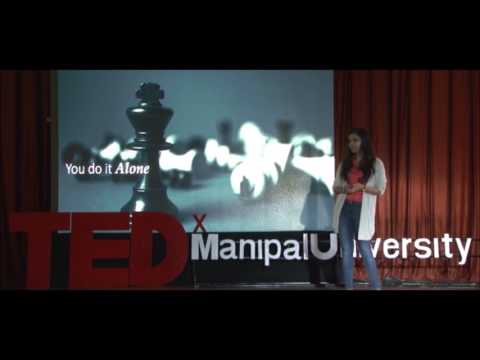
I’d remind you the successful people do
it alone
I’d also mentioned casually maybe that
to be successful you get one shot at it
if I started with the quote I tell you
that to be successful you have to
believe but I won’t start with either
cliches or quotes I’ll start from the
start see no one talk you change your
life it can however provide you with a
different perspective it can enable you
to use everything you have today to be
the success you want to be tomorrow and
that’s what we’re going to do here now
Maxim’s exists because we like to make
sense of this crazy random world out
there we use them to distill and
contains sanctuary the wisdom into a
simple format sometimes they help
sometimes they don’t apparently it’s a
success is one such topic where no quote
cliche or Maxim can fully contain what
it takes to be successful you talk about
says we have to start from what does it
mean what does it take and then what
does it entail and I’ll tell you why
while success has become the defining
factor of our generation and the
yardstick by which we measure everything
else we know very little about it we
know that’s the society and by that
extension for us success means money
fame or both we know that it has
different effects on different people it
means different things for different
people but we don’t know how exactly
someone gets successful psychologists
world over are tackling what it takes to
be successful what people know is
limited to you know online popular
articles and a lot of personal personal
beliefs
what science knows is hidden in a cloud
of myths and a lot of scientific jargon
so today let’s begin by breaking down
those barriers between what people think
what science knows and start with three
of the most pervasive cliches of success
the first one you either have talent or
you don’t we are used to this idea that
people are just born smart you know that
some people were born dancers and others
were just born engineers or scientist
but repeatedly research is showing us
that success is a combination of a
combination of deliberate practice of
grit and a little bit of talent
deliberate practice is this idea where
it’s conscious careful repetitive
practice where you take apart everything
you’re doing revisit every incorrect
move and then correct it great hmm
tritter this idea or the ability to push
yourself grit is passion and
perseverance grit is grit is the habit
of not giving up it’s the habit where
you take on a task and you complete it
one of my favorite studies on grid
actually was done at the United States
Military Academy an exclusive military
training school where they go through
rigorous environment researchers wanted
to see the factors that helped retain
students in that kind of an environment
enroll students are high achieving have
high GPAs have high scores
they’ve been leader they’ve been student
presidents they’ve been debaters so they
all have a similar talent pool oh they
all have a similar profile but the
researchers found was that the main
defining factor that distinguished those
who stayed through the entire course and
those who did was grit not just talent
repeatedly different lines of research
are showing us what we assume to be
innate inherent talent is actually a
culmination of years and years of hard
work think of the North County on search
engine doaker when they both began
calmly was known to be more talented but
towards the end of it such an turned
over did way better and this brings us
to a second cliche you do it alone the
short version of this who you don’t the
long version however is that every
successful person has all finds a
support system Jeff Bezos ar-rahman
Satya Nadella they all found and learned
from the massive support system of
parents family teachers managers
professors which along with their hard
work of course no shortcuts there propel
them to greatness Jeff Bezos as a child
as a toddler mind you took apart a crib
because he wanted to sleep in a grown-up
bed his mother got him the tools another
time apparently he’s rigged an electric
alarm to keep his siblings out of his
room I cannot do that in my house I
don’t know about you but the point is
that kind of entrepreneurship and that
kind of creativity is what led to Amazon
let’s talk about aro him on his first
court with his father who was a film
score composer then he learned from
master Dhanraj then MGR Jenin went to
play alongside el Shanker and dr2 son
today he has I think a Crimea Bastar to
Golden Globes padma bhushan
among so many others finally Satya
Nadella he was a graduate who actually
let’s begin from the family he the son
of an officer in the elite Indian
Administrative Services he then came to
this very University one of the premier
universities in India before going to
the US for his master’s think of the
kind of exposure and the opportunity and
the learning that he got he eventually
became the CEO of Microsoft sometimes
even after your friends need help and
the bottom line is you don’t do it alone
the third cliche you get one shot at
success today every
is heard of JK Rowling yes okay great so
I buy her books have changed the way we
view magic they’ve sold more than four
hundred million copies they’ve inspired
theme parks what does that but if you’re
familiar with the story you know that
when she wrote I think the first
manuscript twelve different publishing
houses rejected the manuscript can you
begin to think what it feels like when
you put your heart and soul into
something and 12 different people tell
you that it isn’t any good when a
publishing house did take a hesitant
chance Harry Potter went on to become a
legend JK Rowling had to take 13 shots
at being successful success doesn’t come
overnight it doesn’t come in one go
Oprah Winfrey Henry four Steven
Spielberg Abraham Lincoln the list is
actually virtually endless maybe one
shot propels you to greatness but it
takes multiple winning shots to get to
that one shot see all our lives up until
now at least success has been verifiable
mark sheets and trophies they have been
our only idea of success we’ve learned
that if you’re successful you have to
have something to show for it but as you
older as I definitely did either as I am
yet to you see that success becomes
extremely personal that your goals in
life become a reflection of what you
want to do not what you can or cannot do
wanting to be an engineer or a doctor I
don’t know why you would but wanting to
be an engineer or doctor has nothing to
do with not being able to be an artist
or a psychologist it means you just want
to be a doctor an engineer when we
liberate ourselves from other people the
idea of success and choose the own goals
one amazing thing happens we realize
that we have the power to pick where we
stop
well being a teacher when you’re
successful will being a principal mean
you’re successful will it be anonymous
scientist or mechanical engineer or
doctor you get to pick where your
success lies sometimes sometimes however
success can get you know caught up in
the abstract believe in yourself that’s
the quote we’ve all heard of but it’s a
process we are never taught how do you
believe in yourself believing in
yourselves will be one of the toughest
things you do in your life after third
your engineering of course but unlike
your thirty on engineering
believing in yourself doesn’t come with
a set number of subjects or a universal
solution set you have to do it alone how
I’ll tell you well take a slight detour
how about professors wanted to do a
study to see the impact of body language
on confidence they recruited some
students some of them did higher power
poses some of them did low-power poses
before they went into bullying mock
interview high power poses associated
with success you know with chin up
standing tall you’re very proud
low-power poses are associated with
failure or losses where you know you’re
gonna make yourself smaller you
embarrassed you look down what they
found with students who had done high
power poses fair way better in the
interviews than those who had done
low-power poses what they then found was
that students who had done the high
power poses were perceived as more
confident they’ve fared better in the
interviews they stress levels were
lesser and the best part those students
felt more confident now getting back to
how do you believe in yourself a little
more confidence is nothing but belief
you’re gonna let that sink in because
when you know how to be more confident
you can believe in your goals and run
for them believe in them run for them
and fight for them now at this stage we
know three things
we have to move beyond conventional
knowledge we know that we have to
believe in ourselves we also know that
we get to decide our goals now to make
sense of all of this any any any stage
or where you are in life as a student as
a parent as a teacher or the professor
the last step is to make sense of it all
because even though success as a concept
is very abstract its implications are
very very real we choose our goals show
but we define their successes with
broader societal guidelines so how do
you make sense of your successes or your
losses that is shaped by your narrative
your narrative is your life story as you
would tell it it’s that constant
evaluation of emotion circumstances
moods that you do on a daily basis with
or without the Bollywood dancing that’s
on you that is your narrative how you
how you speak to yourself what you say
to yourself and why is that important
let’s take a small example say you
failed an exam
sorry parents I hope I don’t let out any
secrets but say you failed an exam and
you come home you Julie upset and you
need to sit on your bed you say oh my
god I’m such a loser or you come home
and say oh that was a disaster
next time got a study there’s gotta do
ABC the outcome is the same you failed
the exam but there’s reason you attached
with it that has mind-boggling
implications if you tell yourself oh I’m
such a loser how do you become something
as abstract as a winner by the next exam
you probably don’t but when you give
yourself guideline there you give
yourself steps when you’re true with
yourself when you’re harsh when needed
or kind when needed you form a little
map so next exam you do better you may
not talk but you don’t fail and that
goes for everything in life
or most things relationships academics
call curriculars
many times we’re really really embarrassed of our failures in fact
embarrassed of our failures in fact research shows that people are more
research shows that people are more likely to remember negative life events
likely to remember negative life events than positive life events that can also
than positive life events that can also be extended to say that we are more
be extended to say that we are more likely to stress on our failures then
likely to stress on our failures then our successes so much so that when a
our successes so much so that when a Princeton professor puts up his resume
Princeton professor puts up his resume of failures the internet went berserk
of failures the internet went berserk and his meta failures added later was
and his meta failures added later was this this dance CV of failures has
this this dance CV of failures has received way more attention than my
received way more attention than my entire body of academic work what we
entire body of academic work what we take away from this is your narrative
take away from this is your narrative has to be told to the right way no
has to be told to the right way no excuses no shortcuts and when you do
excuses no shortcuts and when you do that one thing happens oh but that
that one thing happens oh but that success becomes inevitable why with
success becomes inevitable why with every failure you learn one thing you
every failure you learn one thing you shouldn’t do with every Buster cliche
shouldn’t do with every Buster cliche you learn another way of life and when
you learn another way of life and when you believe when you’re confident your
you believe when you’re confident your success you start living it and if you
success you start living it and if you take away anything from this talk at
take away anything from this talk at well quarter to 10:00 in the morning
well quarter to 10:00 in the morning remember this success is inevitable
remember this success is inevitable because success is a habit it’s a
because success is a habit it’s a mindset and you can learn it so learn it
mindset and you can learn it so learn it thank you
thank you [Applause]