
good afternoon
TEDx Emery how are you great it’s
wonderful to be here
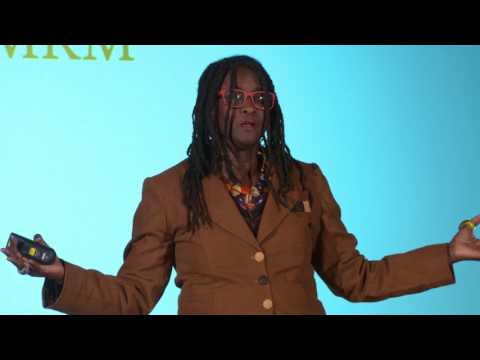
I am currently as you heard the CEO of
feeds which is a global advocacy
initiative behind me you see this very
dynamic energetic and vibrant map of
Africa and you see the Sun rising there
on the east and when I think of Africa
given my years on the continent that’s
the vision that I have of the continent
the good news story but I wonder with
you whether or not you had that same
picture in your mind when you think of a
map of Africa is it something that a
continent a place that has a good news
story so whatever that picture is today
I want you to think about that a little
bit differently even if you’re a
westerner or a non African you may have
a different picture I want you to walk
away with these three things in mind
that there’s a different development
focus on the continent that there was 20
40 years ago that there’s a different
footing for development and certainly
there is a different global impact that
the region has today and that’s what I
want you to think about there are three
questions that put this on a framework
for you what has caused this shift in
development and the development
approaches what has help the middle
class grow and what are some of the
global implications that should make the
region important to you what has entered
the picture
what has changed the paradigm and the
dynamic that’s made Africa on the rise
today it’s Africa small and medium-sized
businesses better known on the continent
as SMEs they have made a tremendous
impact in economic development
particularly in these two areas helping
with job creation
and reducing poverty levels I see them
as a magic bullet I didn’t say the magic
bullet I did say a magic bullet and the
two things that I just highlighted job
creation and poverty reduction is really
their impact changing the gross domestic
product of the continent moving it from
where it was at twelve percent up to
about forty percent today but you may
want to know what’s the background
what’s the framing analysis what’s the
flashback that got us to where Africa
small and medium-sized businesses or
SMEs are making this tremendous economic
impact well just like any other
continent the history of Africa has been
quite mixed you’ve had the pre-colonial
period the monovalent colonial period
and then you’ve had the projection
toward independence that really
culminated in 1960 but from the period
of 1960 to 2000 you had cold war
politics and so what happened terms of
development how did the lives of the
average African national change or did
not change well we all woke up in 2000
realizing that after three point five
trillion US dollars had been spent on
development that nothing must had change
for the average daily life of the
average African national poverty
educational challenges were still there
health challenges were still there I was
on the ground through most of that time
but in 2000 the global community kind of
woke up they recognized that we needed
to do something quite differently and so
there was this shift in 2006 to 2016 is
when the rise of African SMEs really
began to happen and what also happened
during that period of time we had
incredible advances in technology even
in social media if you think about it
when social media started kicking off in
2006 2008 2010 Facebook Twitter LinkedIn
and then you also had these sister
benefits of Technology
you had mobility that wasn’t there
before and you also had knowledge
management so if you were a small farm
holder in Tanzania or a small farm
holder in Rwanda you could have the
world in your hands so think of this as
building blocks Africa SMEs
this magic bullet role and the shift in
development so I have about eight
sectors that I see where Africa SMEs
have had this tremendous tremendous
impact I’m just going to give you a few
of them power for instance you have 600
million Africans without power on a
daily basis which means it has an impact
on education and it has an impact on
health
you have SMEs making inroads in that
area by developing pay-as-you-go
electricity plans through scratch cards
you have agricultural efforts through
appropriate technology looking at ways
to do things differently where you don’t
have to import things to grow
agriculture you have making their own
local machines so they’re not importing
big tractor it’s to do farming you have
new technology in housing because guess
what if you’re living in extreme poverty
you also have a challenge with shelter
and so the green technology that’s out
there and then you have the wonderful
things that are being done in textiles
you know whether you’re using recycle
buttons to make necklaces to sell
whether you’re making textiles for
clothing all of these things are causing
the rise of F of Africa SMEs and really
the good news story so what’s the global
impact the region has a tremendous
demographic impact that I think you need
to know particularly in these few areas
population the population of the
continent is currently 1.1 billion
people
1.1 billion it is on course to be 2.4
billion by 2050 more than half of that
population will be under the age of 30
600 million plus people in that category
the most staggering figure which I call
a population dividend which is a
positive
is the fact that in 2035 which is an
International Monetary figure you will
have Africa having the largest working
population in the world combined it
would be bigger than the combined rest
of the world that’s pretty amazing but
what does that do
that makes it move to become the largest
continent populated in the world makes
it become the largest market in the
world and makes it a base for creativity
so did you know that the first laser
laser digital microscope was made by a
South African a physicist so you have
this ability for creativity there so I
want you to walk away with really three
things one the positive impact
particularly on economic development the
growing Miller class the reduction in
poverty the job creation but more and
more it brought attention to the fact
that you have this huge youth bolt how
are you going to get them employed and
you have a population that will be 50.2%
female so of course this is a good news
story but of course there are other
things that still are challenges you
still need more better governance better
transparency transparency and you also
need sort of efforts on anti-corruption
but the way forward I think is in four
ways one I think there needs to be a
global effort on Africa SMEs to keep
them in the middle class to make sure
that it’s not just a one-time Charlie
that they will move from where they are
now to remain in the middle class I
think there needs to be a United Nation
effort that focuses on Africa SMEs to
make sure that they are getting all the
support they need and I think there has
to be a bigger focus on females and the
youth on the continent because they are
going to represent the largest
population that’s there so Africa to me
really means not a Renaissance but it
really means that things are rising this
is kind of a bookend story for you
because I started with this very dynamic
map and I wanted you to walk away with a
different vision of the continent I
wanted you to think about it as
energetic
I wanted you to think about it as
dynamic I wanted you to think about it
as growing and I wanted you to think
about it as rising there are a number of
good news stories and certainly Africa
small and medium-sized businesses is one
of those stories thank you
you
Please follow and like us: