
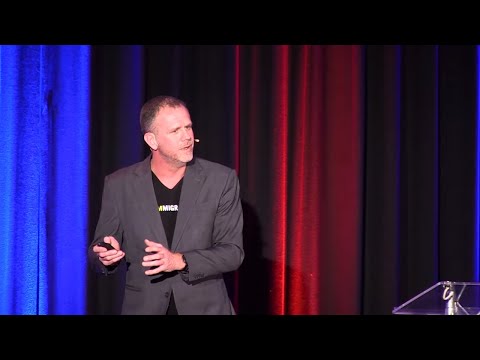
good evening my name is Enzo vasanthan
and I probably have the best job in the
world I get to talk about chocolate and
I get to spread chocolate to lovely
people
like you let me talk tonight about
chocolate the cocoa industry and a small
chocolate company in the Netherlands
that I work for but let me first take
you through that magical moment when you
eat chocolate because chocolate is the
magical answer to just about everything
you had a horrible week your dog ran
away you had horrible grades at school
chocolate fixes everything you had a
great week your dog got puppies you had
good grades at school
chocolate is right there to celebrate
with you so that magical moment you take
shiny chocolate was just whispering your
name and you break off a piece of
chocolate put it in your mouth and it
melts in your mouth and everything is
perfect right it’s that magical me
moment ultimate happiness your day is
great your life is great the last thing
you want at that moment is to be
confronted with the misery the dark side
of chocolate of the kids that are forced
to work in the cocoa industry to make
that chocolate for you and in the next
10 minutes 15 minutes well I have good
news for you you’re going to go home
with chocolate but the chocolate comes
with a price because I’m going to tell
you about the cocoa industry I’m going
to make you responsible so if you don’t
want to be responsible leave now but
leave your chocolate – this is how the
value chain of chocolate looks cocoa
grows on trees that love to grow around
the equator so it’s a little bit of
cocoa from Asia and a little bit in
Central and South America but the
biggest majority of cocoa comes from
western Africa from millions of little
farms in western Africa that’s the one
side of the cocoa industry the other
side of the value chain is you and I who
just love to eat a bar of chocolate
every day right billions of consumers
like you or not in the middle there’s
only a handful of companies that produce
chocolate from those cocoa beans and
that’s exactly where the problem is
because this handful of Prom of
companies just have the whole value
chain in their hands and they keep the
price of cocoa low humanely low in our
opinion because of a bar that sold on
average for 265 in the stores only 12
cents reach the farmer that actually
grows the cocoa and this farm on average
grows about a thousand kilos of cocoa
beans per year
for a price last year of one year Oh 30
per kilo
so that’s only thirteen hundred euros
per year with a wife and on average four
kids these families live well below the
poverty level well below the poverty
level and we think this value chain is
very unequally divided so how does that
look from just two countries in Africa
Ivory Coast and Ghana comes about 60% of
Oh cocoa from the whole world
this is grown on about two and a half
million farms small farms no large
plantation small farms normally and on
these farms there’s about 2.3 million
kids that work there and we don’t really
mind if these kids get to go to school
and come home pick up some cocoa beans
put them in the basket and just help mom
and dad with running the farm
unfortunately that’s not reality because
ninety percent of these kids work under
illegal circumstances they are working
with chemicals with machinery tools that
are way too big for them or they can’t
go to school and in worst case there’s
about 90,000 kids that are working under
forced labor conditions they are robbed
from their parents sold off as slaves I
don’t get to go to school I want to
introduce you to a couple of these kids
you see come see me Phyllis yes ASA J
Trevino’s in Paris any cacao diminish
and cut when she left and the milk one
cacao innocent aren’t enough until
chroma poppy homophily de travail
Jeanette Appetit eat of acidic away Zita
for Sur de travail you know Paula
liberate a pocket Aleppo et on Valencia
me kuzey and fara
Santa vaca Serato para
did you gain detail in my driveway like
in our discussion so in 2001 there were
two American senators sent to Harkin and
center angle that realized if there’s
only a couple of companies in the middle
of that value chain that controlled the
whole cocoa industry we can easily fix
the problem right so they asked the CEOs
of these companies to put their
signature under the harken angle
protocol that would eradicate the worst
forms of child labor in the cocoa
industry the CEO signed it in the name
of their companies but also in their own
personal names unfortunately this was a
so-called non-binding agreement and
that’s where the problem was so in 2005
there was a Dutch television show called
curtains from Varda a television show
that is a investigative reporter and
they look into the reality behind
marketing and turn from the gege from
the corrosive Avada want to see how
progress was going in the hacking angle
protocol and he realized nothing had
changed and nothing had been done so he
tried to get in contact with these cocoa
factories and none of them wanted to
speak to him so don’t from the kyrgyz
kind of guy that gets angry within about
three minutes so you can imagine how
angry he was when he was outside of the
factory of Callebaut for about two hours
and nobody wanted to talk to him and he
went to the headquarters of Nestle and
nobody wanted to talk to him now this is
a television reporter and without
television footage he can’t make a
television show so turn thought of
something smart
he bought chocolate bars from about 10
15 companies of which he was sure there
was slavery in the value chain somewhere
and he ate each of these bars and put a
camera on himself and called the police
and he said I want to turn myself in as
a chocolate criminal it was quiet on the
other end of the line
and he said why because according to
Dutch law if I know of criminal
activities in a value chain
and I buy something I’m responsible it’s
called fencing if you buy a stolen
bicycle in the streets and you know it’s
a stolen bicycle
you’re responsible they didn’t take him
seriously so turn got himself prosecuted
by a court of law
at least he tried to and he got one of
these boys as a witness to Holland and
unfortunately in a court of law
the judge said I can’t prosecute you why
first of all I’d have to put every
Dutchman in jail because we eat old eat
chocolate and two I can’t prove the
direct relationship between the beans
that were picked by KO herman and the
bars that you ate Sauternes decided then
i’m going to change the system from
within and i’m going to start my own
chocolate company and he started tony’s
chuckle only tony the international name
of done a chuckle only for his lonely
fight in the chocolate industry and he
made the first five thousand bars of
tarnish circle only with fair trade
chocolate in a alarming color the red
color that’s for the people who are
always so angry that we put milk
chocolate in a red wrapper that’s the
reason and a small company was launched
trying to chuckle only a small company
but with a huge mission to not only make
our own chocolate hundred percent slave
free but to make all chocolate worldwide
on represent slave free and we’re a
small company but recently we’ve become
the biggest chocolate maker in the
Netherlands but we want to go
international to increase our impact
even bigger now we love this quote from
Anita Roddick the the founder of the
body shop who died way too young
I sure said if you think you’re too
small to make a change just try to share
your room with the mosquito with a
mosquito in the chocolate industry
we’re buzzing and stinging anywhere we
can and consumers are starting to move
with us to buzz and sting now our
mission is huge 100 percent slave free
chocolate worldwide
and very complex but we try to put it in
a simple roadmap first of all we try to
create awareness if old chocolate lovers
start asking for fair chocolate if all
retailers start asking for fair
chocolate then the producers will be
inspired hopefully to follow suit
– we want to lead by example we have
fully traceable cocoa beans so we work
directly with corporations in Ghana and
Ivory Coast we pay them a higher price
we help them to increase their
efficiency and their productivity and
the quality of their beans will help
them to organize into corporations um
and we thirdly we want to inspire other
companies to act so we’re working on a
business model that we invite other
companies to improve copy whatever what
we want you to move with us so that’s
our roadmap now we could have become an
NGO or an activist but we’ve become a
commercial company but a social business
so profit for us is not a goal it’s a
mean towards a goal our goal is 100
percent slavery chocolate and we do that
by being really crazy about chocolate
yeah we love to make weird chocolate if
you know our recipes which we constantly
innovate and I love to make new stuff
we’re pretty crazy buy chocolate if you
walk into our office and you’re all
welcome to come by any time in a work
week please come by and the first thing
you see is our kitchen where we come up
with these recipes and we love chocolate
but we also love to give our friends
chocolate so come by and you’ll never
leave without chocolate we’re really
serious about people though in the first
place is around team why because we
believe we can only reach that huge goal
by having the most inspired and
motivated people themselves so how do we
do that well um you get to take away as
much chocolate every day from the office
as you can physically carry and to
composite we give you free running shoes
every year
some employers don’t like it when you
get pregnant we love it we give you a
thousand euros in cash if you become
pregnant
if you become pregnant with somebody
else in Tony’s then you each get a
thousand euros that’s our incentive for
the Friday afternoon drinks if you call
your kid Tony you get another thousand
euros that hasn’t happened that we have
this alarm button in your fist that if
you hit it all the disco lights go on
and our logo starts flashing everybody
starts cheering and shouting and nobody
has any clue why but everybody’s happy
and B we love happy employees and that’s
how we became the best employer of the
Netherlands just two years ago secondly
of course the farmers that we work with
directly there’s six thousand farmers in
Ghana and Ivory Coast that we work with
now through six corporations where we
get our beans and they are fully
traceable third are our consumers people
who eat our chocolate if you call us you
don’t get some kind of weird switchport
you just get to speak to Sophie or Paul
and if Sophie or Power busy then all the
phones in the office go off because we
want to talk to our consumers we don’t
have business cards we just give our
bars to people the phone numbers on the
back forth are our customers so the
supermarkets like Albert Heijn and bar
and via twinkles and National Post
Carlotta and 5th the people that make
our chocolate so call about who makes
the couverture Kim and I taya who make
our bars and the people who make our
wrappers now if you hear this story
about how unequally divided the whole
chocolate industry is isn’t it strange
that for the last century’s old
chocolate bars
we’re always made in these boring square
equal blocks with sometimes even the
brand name on each and every block in
case you would forget what brand you
were heating we thought we change that
now there’s not any market research that
you can do that tells you that it’s a
great idea to make your bar unequally
divided and trust me the consumers
didn’t really like it either in the
first few weeks we got so many
complaints inbox was spilling over
Internet was exploding an example was
this mother who said my kids used to
live in perfect harmony
and trust me I have two little kids
eight and ten and there’s enough
chocolate in my household but still
they’re always bickering on who has the
biggest piece of chocolate so we always
give them a piece of advice just give
them each a bar of chocolate then you’re
done but we fixed it by calling all
these people and explaining why we made
our bar unequally divide it because this
chocolate bar of ours tells the story of
the whole cocoa industry in its purest
form so it’s just a discussion piece you
put it on your table and people will
talk about it because we don’t do any
advertising the bar is our advertising
now something that most people don’t
know is that we hit the map of western
Africa in our bar and there’s a nice
little story there because this is ivory
coast Ghana and then on the right
there’s Nigeria and Cameroon and in the
middle there’s two countries Togo and
Benin but we love whole hazelnuts and
they wouldn’t fit in either Togo or
Benin so we put Togo and banette
together as one block of chocolate and
we just don’t tell this story over there
now this is how we believe that we can
make chocolate unab sent slave free
worldwide not just ourselves but with
the help of our consumers and the
retailers we can reach that goal I told
you in the beginning that this chocolate
that you’re getting tonight doesn’t come
for free and now that you know the story
of the cocoa industry and of chocolate
we hope that if that one day comes that
you have a horrible week that you need
to fix or this lovely week that you need
to celebrate with chocolate that when
you’re standing in front of the Shelf of
the chocolate in supermarket that you
realize what’s happening in the cocoa
industry and that you realize that
everything that you put in your shopping
basket is a vote for the world that you
[Music]
[Applause] [Music]