
and first of all thank you for inviting
me and thank you
folks have been looking after me it’s
been fantastic first time in Turkey I’ve
been here two days and I’ve been
overwhelmed by the warmth and generosity
and kindness what an amazing country
give yourself a round of applause have
been great I want to thank the guys at
the top we’ve done a great job they’ve
been amazing really supportive because a
lot of these things happen because of
people doing this stuff
and the people at the back so thank you
for everybody who made this happen thank
you to the speakers fantastic the last
guy talked about simplicity I got to
talk about the opposite I’m going to
talk about complexity why robots need to
dream okay I work at very very large
company called IBM they’ve been
inventing the future for years they’re
amazing it’s a really interesting
company to be in
I come from a place called Manchester
you might have heard of it Manchester is
a town that at one point was the
wealthiest city in the world about a
hundred years ago it was the center of
the Industrial Revolution – we’re now
into Industrial Revolution for the thing
about Manchester a made its money on
cotton and it rains a lot in Manchester
right that’s how many days we’ve had
since it it hasn’t rained it rains a lot
because it rains a lot you can process
cotton and you can build wealth
the reason the riff it rains too much
you kind of stay inside you form a band
you dream of getting away from
Manchester it’s a miserable gray place
and you either learn to play guitar or
you play football there’s two teams in
Manchester ones red ones blue
I support the red team but don’t tell my
uncle he’s a blue and so I was a big
football fan and I got to a certain
level as a school kid and then I had a
knee injury and I couldn’t play and I
could have maybe maybe have gone a bit
further but hey I could also draw so um
as a dreamer I thought I’d better do
something where I can bring it all
together and I became a designer and as
a design I started it off in the analog
world and then I’ve had to reinvent
myself consistently all the time to
become a service designer I design
services
work with IBM to design the services of
the future and it’s key that I dream and
one of the things I’ve done is I’ve
traveled all around the world doing this
I’ve lived in worked in Hong Kong for
met for many years I’ve lived in America
for it for a few years the Middle East
Australia and now I’m in Ireland where
it rains even more than Manchester it’s
terrible and I’m also a teacher I’ve
lectured extensively at Glasgow School
of Art which is an amazing place and
places like Central Saint Martins and
Middlesex University and Scots card is
in America it’s where I set up the first
degree MFA BFA in service design service
design is still very new
it’s about complex systems it’s about
how we bring all these different such
points in our lives together to make
something different now one of the
things that interests me is business I
also am an angel yeah and my mother
thought as an angel my friends think I’m
a bit of a devil yeah and as an angel
it’s a great way to lose lots of money
really fast even better than the casino
I’ve had some success and I’ve had some
failure and it’s a failure that is the
most valuable you learn an awful lot and
what I do is is as a design as a service
designer and a UX designer I talk to
people a lot and I talk to people and
they tell me the stories and these are
pictures of people that I’ve taken my
hobby is photography and I love taking
pictures and these guys and these folks
were kind enough to let me to take their
picture and they told me their story
they told me their story about their
hopes their dreams and their fears we
live in a world of change incredible
change that’s happening phenomenal we’re
seeing so many seismic shifts in the way
technology society the way business
everything is changing it’s the most
change that we’ve ever seen in any one
period huge economic disparity now I
want to get these facts right okay here
we go eight percent of the world’s
population controls 80 percent of the
wealth but it’s just one percent that
can
trolls half of that wealth and 90% of
the world hold 80% of the debt that’s no
accident that’s being constructed
neoliberal economics this world has
created great wealth and play and plenty
for a few and there’s a load of people
who’ve been left behind and that
concerns me it also concerns me that we
have a planet that’s dying 100 species
become extinct every day I love that
film at the beginning with a teaspoonful
of a value of sea creatures amazing
we’ve got co2 emissions that are at
level where it’s changing the way the
planet behaves there are those who will
deny it
0.1% of people deny that there’s
anything going on 99.9% of the
scientific community say there’s a real
issue we also have this digital
disruption and this comes and Kahn
flakes in many ways we’ve got everything
from the digitization of the systems and
services that we use so things like bio
technologies to things like huge amounts
of data and hugely connected networks
this is really complex stuff and it’s
disrupting there’s those who live in a
technocracy where they have control and
can move that move the game on and
there’s those who are being left behind
we’ve promised this utopia they sell it
to us emancipation you’re going to be
free and this is a great picture from
the fifties where we’re robots were
going to save us all from daily labor
the reality is a little bit different
this is a real robot and it’s owned by a
company called Boston Dynamics which is
owned by Google and this is the next
generation of cyber war phase it’s
physical this is an advanced robotic
machine that’s able to do all the things
that a soldier can do and more the thing
about it is that it’s powered the
limiting factor at the moment is power
it has to be tethered to generate the
energy but there’s other
about the bill which do-do-do-do some
incredible things using diesel and
petrol engines but it’s the future of
where warfare is going so that so while
we hear about the great things happening
on robotics and automation and things
like the digital economy are changing
our lives a lot of good there’s also a
Mormon Evelyn side to it this is a
picture of a robot’s dream robots are
now dreaming what they did at Google is
that these very clever neuro
technologists got together and they and
they showed lots of images to a computer
and they showed them everything from
animals and sheep to things like
architecture and the computers got an
ability to recognize and begin to dream
it’s deforming a consciousness this
consciousness is also married with the
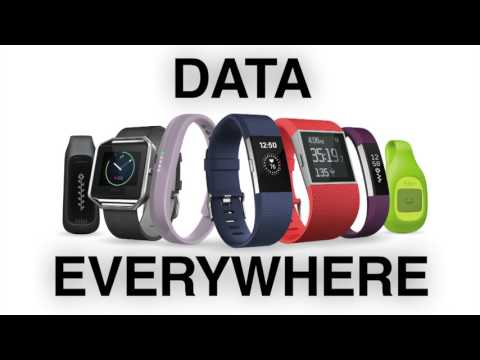
fact that we have data everywhere six
hundred thousand swipes of tinder
everyday like light like something like
I might get this number wrong but so
that 2.5 quintillion bits of data per
day are generated that’s an enormous
number with so many zeros I can’t even
count them it’s everywhere we’re
creating it in our watches in our phones
all the time continually feeding data
data data data so much data so complex
we as humans cannot actually grasp the
enormity of it nor can we deal with all
that data in a meaningful way data is
the new oil it’s no good if it’s left in
a computer doing nothing so what we do
is we we look at ways of how we can
analyze this data but neohuman analyzing
data takes a long time so we develop
these incredible programs which allow us
to analyze this data really really fast
and form relationships between data
where there is actual no connection
which is obvious it’s so complex and
we’re able to do this with systems that
now give us the power to take very
unstructured unrelated data and make
sense of it very very quickly
in a way that we can so we’re evolving
now our brains are evolving now through
these types of approaches it’s called
cognitive computing should be confused
with with with machine with machine
learning slightly different what
cognitive computing does is it allows us
to or the machine is able to understand
and learn and interact with us so you
might use the chat bot a chat bot is a
way of interacting with a cognitive
system I thought for a year I was
talking to somebody when I was phoning
up for help and then they’d start
interact I thought it’s a person all
thanks very much great fun sir it’s a
chat bot don’t know they don’t know me
they’re just a machine
ok the thing about this is it learns and
it learns really fast these cognitive
systems learn really fast faster than we
can so increasingly we have to deal with
very complex problems consisting of very
diverse services and products and
they’re all entangled in these very
complex ecosystems and my job is to try
and make sense of those for you for
people so I’ve evolved an approach with
with the with the colleagues that I work
with called design for and it’s about
tackling the big issues for the
cognitive age for industry for is this
referred to you’ll hear this phrase
industry for it’s the smart industries
that connected industries the data
industry we’re in the cognitive age it’s
the age where machines are thinking and
they have a consciousness and they can
dream it’s an exciting time to be
involved in working with these sorts of
problems
the important thing is as I try to
deliver social equity business equity
service equity and experience equity
because then it has value value for you
value for the for the people who run the
services and value for the businesses
that create those services so the way to
see it if you want to understand how all
maps together is we’ve got all these
different areas where we can innovate
and change we can dial things up and
down we can use different sites a
technology like bio we can use data and
IT for
energy we’ve got business we got design
we’ve got behavior we got culture
business tends to be concerned with
enterprise IT about technology user
experience design is about behaviors and
design strategy service design is much
more encompassing but designed for is
transformative because it deals with all
the six domains so design for has its
roots in service design and experience
design and it has some common tenants
around people co-creation it’s about
being able to be agile working in
sustainable way of being connected so
these are six tenants people centric
means it’s about being usable
co-creative is about bringing different
systems together people to work together
inclusive means about social inclusivity
sustainable means that it’s something
that’s going to be around tomorrow
without damaging the planet and without
damaging businesses and people agile is
about working really fast and then
connected is about bringing it all
together and sharing data in a smart way
so to do this we’ve constructed a series
of play books and they’re all these are
design activities which allow people
from different backgrounds and different
interests to come together and work
together in a way that allows us to
share information very quickly but not
only just information that we create
through doing things like user research
and talking to people like I used to do
but working with machines and at the
moment we don’t have a very good way of
doing that this huge amounts of data
that are coming through the system that
work and happened so quickly that we’re
unable to actually engage with it so we
have to use this new approach of design
for to take this data in a way that we
can use it and work with machines like
their people and that’s the only model
that we have is we look we look at how
we work with people we try and work with
machines in a similar way so we work
together using these play books by
combining approaches and we allows us
then to ask tough problems and solve
tough problems okay so how might we use
advanced AI
cognitive systems to help people plan
for the future this is a project in
Australia where I work with people to
look at how they could use their money
effectively that they’d saved in like a
pension or they’d had in their house as
a physical asset how could they actually
use that money and as they began to move
forward and go into a period of
retirement how they could have a
separate new type of life often people
who retire have a third life they have a
they set up a company they do charity
work so what we did is we looked at how
we could use things like a smart
cognitive systems what we call Robo
advice so actually evolved a way of
matching and their their desired
outcomes with their intentions by using
the the assets that they had in a way
that was based on what was happening in
the world we weren’t able to do it it’s
still – it’s still too complex to deal
with but we’re working on it how might
we find new ways to co-create with
machines the bits not it’s hard enough
working with people that’s not so much
of a problem oisin but accelerating the
way that they process in the way that
they evolve almost independently we
can’t for example design chip sets
anymore they’re so complex they have to
be done by machines so how do we find
ways to co-create with machines this is
a robot developed by Germans it’s called
rob dream this robot copies and mimics
what humans are doing and then at night
it sleeps or when we sleep it sleeps and
dreams and processes this information
that looks at different ways it can use
this information so this is a dreaming
robot that is learning as its dreaming
how might we deliver social and economic
inclusion for people it’s a big world a
lot of people who have very little so I
developed a platform which not only
allows you to create a profile and a
website and an e-commerce store all on
your mobile phone but the whole idea
behind this was to then use an advanced
search system and cognitive system so
there match you with people who were
were buying and selling things that you
wanted so you could set up a desired
outcome and then it would go off and
hunt for the best deal across a global
network the whole idea of this was phase
1 just to get people using it phase 2
would be to begin to add in additional
features around things like social
marketing and then the third phase would
be to bring in cognitive systems how
might we look at the impact we have on
the planet and predict how our actions
will have it have an effect so this was
about a company which I invested in as
an angel investor and we started looking
at this problem and we first of all we
needed to have devices so we developed
the light plat light pad and we weren’t
demo we got financing it’s really a
second round now seven million second
round funding but we wanted to develop a
system that you could attach any product
to it an open API is called to allow
that data to be shared so we could
analyze it put the put the information
on the cloud and then when you made a
decision to turn on your AC or to turn
on a light it would tell you the impact
it would have on the environment or if
you wanted to set a target to reduce
your co2 you could put that in and say
verbally reduce co2 by 10% and it would
do it all for you using the cloud
your lights would adjust automatically
it’d all be done from an app how might
we develop new skills for a more agile
way of working particularly given the
fact that machines work faster than us
so we need to build new skills so when I
talk to new designers I’m looking for
designers who are able to do things like
sense making deal with a lot of
complexity that’s cognitive load I want
them to be novel and adaptive thinkers
and need them to be computational
thinkers I need them to be designed
strategists I need them to be able to
work in virtual environments because a
lot of what we do is across the world I
work with people all over the world we
meet on zoom’ and things like that but
we need to be able to work in a virtual
environment increasingly dealing with a
lot of complexity and then how can we
work transdisciplinary
in a transdisciplinary way now I started
off as an
analog product designer and now I’m
designing services yeah I also code but
I’m not a coder yeah I need to be able
to think and work with other people in
different ways and then how might we
connect with our wet biological systems
with machine systems so the real future
is how to actually connect using things
like new sensors so this is Neil
Harbison he’s an artist he was born with
colour blindness
he senses colour through vibration and
sound this antenna is hardwired into his
brain and he’s able to sense and feel
this is the future of where of what
we’re evolving and I as a designer am
excited by it so I ask you today dare to
dream
thank you
[Applause]
you
Please follow and like us: