
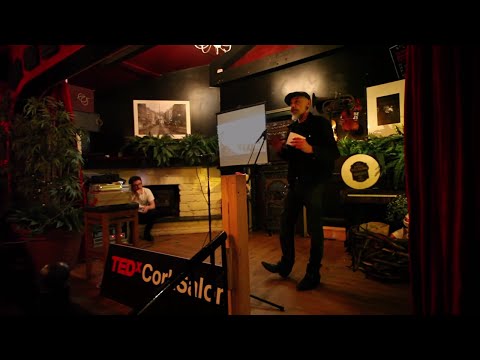
I’m not an academic Toastmaster so you
will tell me if I loose you know Don
probably I guess all around the beach
okay so I work I work with acting for
the last 25 years
it’s an organization which on the take
our project in social and community
context we work with many different
community groups and there will be
groups like people with et sorry Anna to
me that I love to start unless refugees
the traveling community etc I’m sorry I
gotta have to cool down so for the last
25 years we do love with the loss of
project involve the whole community days
we don’t do particular form of that like
disability you visit in Seattle you file
etc we don’t believe in
compartmentalization
our work is community after meaning we
try to put as many way of life together
to share experience to share knowledge
and to create together work what we
believe in so our work is process based
on people are the center of our creative
process we are doing community art as it
say on the can the first the focuses on
collaboration community development for
the apps majority of our work upon in
the critic space for the last 25 years
we’ve run a lot of different projects
which matter each of them like I said
we’re based in the village there’s the
first project that we run that I’ve
gotta talk sorry tonight I’m gonna try
to assure example to talk about the work
we do with communities so the first one
that I’m going to talk about is voices
from Chandan that’s a project we study
in nights are II in 2011 and it took us
BND was to make a thousand on tone red
flag with a thousand two hundred members
of the community on to raise them on the
Teversham then it took us three years 45
community group around two hundred
workshops now the idea of a project like
that is that people can put their match
on the city in the most beautiful
exhibition space that there is the sky
of god now this is about citizenship
this is about participation that’s the
result that’s part of a program called
wattage that we started to develop in
2005 it was a program of creative
research into your bed space on
community-based projects so all those
projects up in in the Pedic says it’s
about the people getting ownership of
the building space within their math on
it we can many concepts so on this one
like I said 100 1000 on throwaway people
on the day of the raising of the flag we
had one of their people when I read
young people who participated in the
project also co-created acquire
composition so they were singing at the
sentencer the flags were rising up now
that protect could be seen from every
corner of course
I think what was really important piece
I’m going to cook a bit more that that
was happening on the left side on the
left side that being deprived of access
to resource to advance to a lot of the
cultural network that general-use
Sumpter is in the center for many years
on this was your patient for many people
again to say we are here and we can do
it we can go out together on we can
represent our community that’s an X
project so that’s another what this
project that’s from 2009 on so that
project started with and I D like I knew
somebody in France was working in
community context on web I don’t eat the
ordinate is a technical reverse gravity
and was working with that with a lot of
community in France we have that idea of
doing a project in shotgun shotgun was
quite neglected at the time and by the
local authority the people were shipping
the beach around abandoned in terms of
the development of their community we
have been there for five years European
project with the different group they’re
all folks as well as young people and we
were wanting to create something that we
really at least the people down there so
we presented the idea to with with us
Rafiki to the represented the
representative of the
at first of course when we launched on
graffiti they were not very pleased they
were not very impressed budgetary when
we said that we are wanting to put it
down the long large building the brush
some tell if I can find a boot and again
like that area was quite adept people
felt that it was a huge possibilities
for tourism for regenerating the
pictorial image of the best I think
people felt that a wonderful area and
that was supposed 2005 funding was
supposed to come in the area for a long
time it has all that money so how do you
give back the power to the community how
do you be back yeah do that
this is definitely physic include the
Americans a very loud and clear that
they are creative on the deliveries we
get that wrong by entering in
conversation with them really deeply on
a lot of the time our projects to learn
to know where we work so first we need
the people on the streets already with
research and then we talk with look at
the Stallions etc we actually let a lot
of the rhetoric around the case we also
meet the young people we also try to
leave all the people religion that I
wear but their wishes with that project
to start with the older members of the
community so we started with a service
affinage consultation where we asked
people
memories about the place come to us when
we were 5 years old in Chandon in the
40s and the 50s and we collected many
many images also at the same times
photographs etc and then those
photographs we created with them around
50 large stencils that we powerwash on
the walls with that we work with a lot
of young people also it was important
for us because that was the way
of connecting the old with the young it
was also in some done they were a lot of
new people were derived from Africa from
Eastern Europe on those people we’re
trying to settle in it was not a lot of
leaks like they were hosting on the side
of the street a lot of them had no idea
of the community were had arrived of the
story behind it this was a way of that
form of trying to put people together to
look at each story of the local
community but to connect it to the
present we passed around the most to
work in the street after having done all
the sensors with the young people and
then we wash now the idea of reverse
refugee is just to take out the dirt
like with a power washing and then after
a while losing edge we fed of course
because the pollution is gonna come back
so so we did we did that for launch in
the streets um when it was from Kiki
there was a sense of enthusiasm from the
community like follow-up of them to see
the pictures of their own mothers of
memories that they had got before was
that their story as people was as
important as the story at the building
itself so that’s for example down the
front of the Federation’s will being or
craft center so I need these images of
barium atoms of bottle makers and but
also of some people there’s also imagery
at at the points this was where some
bean factory was they were there for
shears with in laundry on things like
that there so all those things on Tapia
all over the areas remain people of
where they come from on give them pride
this one is an important one because
that’s the other picture that we got it
was from 18 and
95 because the Schomburg restaurant
which started in 1878
so to do a stencil of the world bound
the guys were so impressed they were so
touch again it’s there was a sense of
pride for all of them I think some of
increasingly also those who had said
they were like ghosts so they come to
remind the past but then they disappear
the Welcome Party has ever series so all
of that is part of what if we started
that in 2005 the idea 44 the exploring
the public space to another different
medium community-based project all the
time on all the process of what it has
always going to lead the people come to
ask them question about the locality
whether you about their case I’m trying
to get as many information as we could
to be a project when we did all those
researching some them like there’s a
what if some done I think it’s the
number two that we need there was
something very evident that we were in
the street over there for something
really are we testing people surviving
little thing I’m doing people it’s at
around one thing that I mention at the
staff is that people on the left side we
are really seeing that they were left
out like in a lot of European city
future or majority of the future or
network is our garden to the city some
turn on it’s accessible only for a few
and then it’s also matter if of the
thing that are there the prices are
quite al is that accessible for other
people um a lot of you doesn’t talk to
them they were trading for an event up
there they were waiting for something at
the other side that would concern them
we had 10 years of Street celebration
experience behind
lots of street theater filled like that
we decided to create a little a small
one other stuff like we have very little
resources that we said we started with
that project with the wrong way 3040
people the youth of the area few
volunteers the LD was so to use seven as
a platform seven is a twin in English at
the time that was 2006 the only thing
that were four seven was plenty of
people drunk in the city centre a lot of
the young people who don’t really go out
do not get every door to ask for sweets
or whatever because the place wasn’t
very said there was lots of social on to
behavior and on the old folks were not
there on seven was a community event a
community tradition for many many years
so that was something we could tap in
without imposing an artistic edge on
that we were coming with something that
belonged to the people and we did from
that and that’s what a lot of our work
is about it’s encouraging people to be
creative to work together on this one is
just it took ten years to today today we
are fifteen thousand people in the
street who come to see it it sold an
upside will come down we’re four five
hundred participants plenty of different
community group we want to take that
it’s that jungle isn’t it beautiful
you see all those people in the street
celebrating together
that’s what common community art is
about it’s about building a community
it’s social development I think I’m
going to stop there okay [Applause]