
[Music]
thank you
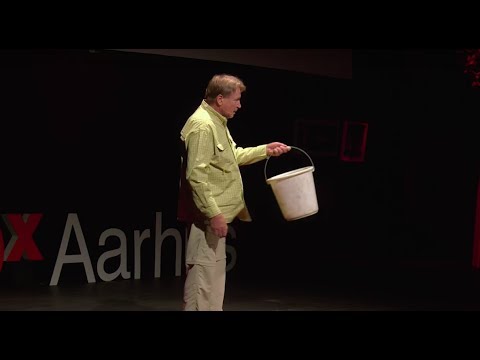
what can this bucket and conservation
have in common
Trinidad is an island in the Caribbean
and it’s a hotbed for a sea turtle
called a leatherback it’s a hotbed for
their nesting leatherback sea turtles if
you don’t know are some of the largest
reptiles in the world they can grow to
be a ton their shells can be more than
two-and-a-half meters in length they can
dive down 1,200 meters or more you know
what their diet is jellyfish so the
female turtles come on the beach on the
northern coast of Trinidad and they lay
eighty to a hundred eggs sixty seventy
five days later these eggs hatch and the
babies go down to the beach into the sea
to face a life of danger not a lot of
these baby sea turtles are meant to
survive way less than 1% besides these
natural predators in some areas there
are what we call unnatural predators
like some of these sea turtle nests
hatch near villages where there’s
domestic animals pigs and dogs with
their good sense of sight good sense of
smell
well find these nests hatching and
they’ll gobble as many as they can next
in line are chickens
cats they’ll take a big number
themselves if the turtles are lucky
enough to get down to the beach the
black vultures pick them off before they
reach the sea enter my heroes
some children about 10 to 13 14 years
old and what they do before they go to
school is they take these buckets and
they walk along the beach and they
collect hatchling turtles they put these
buckets in a secure area lock them up
and go off to school when they return
from school hopefully they do their
homework they’ll open up this area and
allow visitors to come in and view the
turtles take photos of them all for a
nominal fee at dusk
they’ll take these buckets down to as
close to where the nests hatched is
possible and the let the turtles go you
have to actually let the turtles go from
the nest they were hatched
because biologists say and they
biologists never agree but this time
they do they agree that these turtles
need to go to the sea from the beach
they were hatched from in such a fashion
when they grow up and mature the females
will will return to the same Beach it’s
amazing so why is this important to me
I’m a conservation biologist been doing
this work for over 40 years I work with
animals that people don’t like I work
with lizards dragons venomous snakes
crocodiles as you’ll see later for me
after all this time what I found out is
simplicity like just like this bucket is
sometimes the best conservation tool you
don’t have to look any further than the
basic needs of people I also work in a
Democratic Republic of Congo actually I
work so far out in the forest that if I
went any further I’d be coming out
I’ve been there for eight years we
employ about forty Congolese people and
our job is to monitor forest our job is
to actually save equatorial African
rainforests our Congolese workers do
forest surveys measure plots
biodiversity surveys measure wildlife
whatever’s left agroforestry programs we
teach the locals better agricultural
techniques in congo like many parts of
africa people really like to eat
seasonally caterpillars they go out
collecting these caterpillars and
they’re from a moth called the Saturn
Mars and what she does the female she
lays her eggs on the bottom of Leafs
trees bushes and many times they only
choose one type of plant it’s called a
host plant
so these tiny caterpillars hatched from
the egg and they begin feeding on this
host plant before long they’re about 10
centimeters in length ready to harvest
people go out into the forest sometimes
many kilometres away to collect these
caterpillars often they send children
now the kids are a lot more nimble than
URI they can get up and down those trees
so one time we were out in the Congo I
was out there with the boss Don talking
with our guys and he says do you guys
know what the host tree are for these
caterpillars they really like them they
say of course we do so so the boss said
let’s take a couple days let’s go and
collect seeds and saplings from these
trees let’s bring them to our nursery
let’s grow them up a little bit and
plant them around simple enough right we
planted them when they’re about no 3/4
of a meter high
planted them around a compound around
people’s homes fallow farmland okay fast
forward four five years later you’re in
Equatorial Africa
these trees are three meters or more in
in height couple September’s ago I got a
call from one of my managers Philemon
he says Joe guess what we’ve got
caterpillars plenty of them what
happened was for the few years these
trees were going growing nobody paid
attention to him when the trees began to
grow up and mature the moss found them
they laid their eggs and our guys found
caterpillars boy were they happy word
got around and I don’t know if you folks
have ever heard of the coconut Telegraph
no internet no electricity but believe
me these villages from far and wide
heard about this they came to ask our
guys it’s it’s simple you collect the
trees in fact some of them put the seeds
in our nursery and they planted them and
here you have it simple they made a plan
and the plan worked now three things a
win-win-win situation people have a food
source close to home they’re growing
native trees now they’re actually
reforesting the forest and there’s
plenty of caterpillars win/win/win so I
know you’re thinking how do you eat them
they can be broiled they can be baked
you could cook them anyway cook any meat
or fish personally I like them fried
Trinidad and Congo were planned
activities sometimes simple conservation
is unintentional another project I work
on is in Florida and in the 1960s 70s
early 70s the population in Florida was
booming they needed more power more
electricity so a company a local company
Florida Power and Light built two
nuclear reactors right on Biscayne Bay
to supply power and in order to cool
these reactors engineers got together
and they devised this cooling canal
system it’s about eight kilometers long
three and a half kilometers wide it’s 32
canals and berms end to end in fact if
you put them in one line they’d be over
260 kilometers long
at the same time lived in the area a
very rare animal the American crocodile
now the American crocodile is found in
the Caribbean and parts of the Caribbean
Mexico both coasts Central and South
America the northernmost extent of their
range is South Florida why at this time
they were they were extremely rare there
was no more than a hundred and fifty to
three hundred non hatchlings in South
Florida the reasons why they’re so rare
is they’re very particular about their
habitats in their natural history there
s Chuen animals they live along the
coast in mangroves
saltwater yet
when they hatched from the egg they have
no salt excreting glands their
particular so particular but in a short
time this cooling canal system came out
there with all the ingredients for their
natural history there’s plenty of food
available there’s high berms anywhere
from one to three meters high substrate
for nesting which also limits their
range and when they nest these nest
because it’s so high they drain on those
berms besides the nice substrate our
freshwater ponds which was really
lacking probably one of the main reasons
they were so rare so now the Crocs can
hatch from their egg they can go in the
freshwater and naturally have their
glands develop and then go out in a
while that was in about 1989 I began
working at this place and over that time
I have uncovered or observed over 400
nests successful nests
I have personally marked and released
6,000 hatchlings in 2007 American
crocodiles were down listed by the US
Fish and Wildlife Service from an
endangered to a threatened species
partly because of this this proves one
thing to me that industry can coexist
with the environment you see as I said
simple works but for instance everything
I need most everything I need for
conservation fits in this little pack I
even in Congo I carry a flashlight to
look for those snakes at night in the
forest and to shine the crocodiles eyes
and out in the forest there’s no
patterns either you better carry some
batteries another great tool of mine
happens to be a compass you don’t need
any batteries for this and not only can
you get into the forest with this you
can also get out last but not least you
may have to make your observations in a
field notebook with my mind I can’t
remember a lot of things to use this so
what I’m trying to tell you here today
is that simple can go a long way for
being successful and successful for
everyone involved in conservation what
would be your tool thank you
[Applause]
Please follow and like us: