
[Music]
never leave home without your tire iron
that’s my rule of thumb and this little
metaphor I hope we get to later it’s in
the shape of a neck
I’ve been invited to share with you
three adventure stories series of
adventure stories that may help make
sense of this idea learning dangerously
make sense for you and also make sense
for me such as the nature of
storytelling these are three stories
about holes progressively smaller holes
and the first hole is right here in
Saudi Arabia it’s about 4 hours from
here and it is the waba crater and if
you have not been to the waba crater you
absolutely have to go it’s magnificent
it is not an impact crater like from a
meteorite it is not a caldera crater
like at the top of Kilimanjaro or Mount
Fuji a volcano
it’s an implosion crater which is
unbelievable imagine a lake of lava huge
lake of lava that hardens then the top
crust pops because there’s a bubble of
gas that it’s merged think of a beach go
down to the beach into the wet sand area
dig a hole
take your birthday balloon bury it in
the sand smooth it over pack it down and
then take ballpoint pen or your pin and
pop it won’t magnificent crater
extremely straight up and down sides
that’s an implosion crater that’s our
pain point as a Boy Scout Troop because
here we go to our crater and you can see
yourself look at those incredible sides
the reason it’s a pain point for Hut
says a Boy Scout Troop
is that we camp in this glorious recess
down on the other side unbelievably you
can drive four-wheel drive barely down
and you can park your tents right on the
edge unbelievable best place to camp in
Saudi Arabia that I know of problem is
the path down is over here all the way
around so that presents a challenge to
boys in the Boy Scout Troop got a hike
all the way around in the heat then down
a precarious Rock stairway carved into
this side of the crater to the bottom
and see the salt pan then reverse it all
the way out that’s the problem so the
beginning of this story really is about
a solution to that problem that boys
discovered there we are in the rim and
this little scenario opens with me
kneeling by my tent which was that one
right over there and Boy Scout leaders
are supposed to be in control well I was
not in control I was kneeling down I’m
wrestling with the zipper of my tent I
cannot get it open I’m like come on and
I hear the voices of two boys mr. tennis
mr. tennis what we found a way down what
we found a way down I said really show
me and so I marched through the camp
around this rim and sure enough there
was a crack in the rock but it looked
just like it bent about six feet and
that was it then out into space but the
kid said see at that crack if he turns
right it becomes like a trail so I asked
them well is it safe they said yeah it’s
safe jibraan went down there Jamie went
down there I said what but did they come
out he said yo yeah they’re over by the
fire pit I said Wow and then of course I
have to prepare for what I call the
collective adventure challenge you can
predict it yourself can we go down this
way
and when I find with collective
adventure questions is it starts doing
the math in your head all on its own
Scoutmaster math sounds like this what
about Footwear what about water
what about sunscreen and most important
what about terrain and the abilities of
my Scouts who may want to go down this
way so we’re doing the math and somehow
the exuberance of these Scouts one out
this was their achievement six of them
amazing effort all different body types
all different abilities all different
ages made it down into the crater and
this is what when they turned around
they saw and you could see in their
faces they felt they’d done something
astonishing it was fabulous both for
them and for the troupe it started with
us that’s their collective adventure
question can we go down this way we hear
questions like that all the time the
Scout masters as parents as educators
all the time but the story really
doesn’t begin there at the crater story
really didn’t begin for me until two
weeks later when we circled up as a Boy
Scout Troop in the gym and I typically
will kneel down even though that doesn’t
really help because I’m still taller
than everybody but I’ll kneel down and I
ask the kids so reflecting back on our
time at wobba crater
does anybody have a significant learning
moment a lesson a high achievement piece
that they want to share because some of
you didn’t go re raises his hand and
says mr. tennis I’m just thankful that
they found a new way down for us you
have to know re he’s a gentleman and a
generous soul to the end
fabulous comment Kilian raises him
younger scout he said you know it was
great we had to watch where we put our
feet we had to space ourselves out so we
were safe and we had to call we called
to each other if rock started to slip
but we all made it down and we all had
fun now that sounds like a mundane
conversation unless you know seventh
eighth and ninth grade boys notice the
language we watched where you put our
feet we kept spaces between ourselves to
be safe we called we all made it and we
had fun as an educator I’ve learned that
middle school children grow up and what
I call the mirror years every waking
moment of their lives in middle school
is devoted to question
this mirror idea how do I look was that
a dorky thing to say what do I have for
lunch will that be embarrassing to show
off to anybody are my shoes to new are
my shoes to old will I ever become tall
constantly around the first person I and
me and look at this so when I see a
middle school boy in five sentences all
together talking collectively about the
collective good that stops me in my
tracks that gets my attention hole
number two no crater too small this is a
magnificent little crater you’ll get to
see it in just a second it starts the
setting is in the elementary school here
at callused and it starts with walking
through the courtyard the cement
courtyard and feeling a tug at your
clothes tug tug tug and I look down and
it’s several students from amber
Hudson’s second-grade class and they’re
saying mr. tennis mr. tennis and sludd
do we have permission to dig up our rock
we’re supposed to ask you mrs. Hutton
says we have to ask you do we have
permission to dig up our rock I felt
well I don’t know show me what you got
so I walked over there and I looked down
and I saw that they uncovered a piece of
well it’s not really a lock it was it
was kind of aggregate cement rubble from
a construction left over but we’ll call
it a rock and I started to do the math
the principal in me the operations
manager me the teacher and me start to
do the math will it be safe what will
other people notice for other kids start
digging up rocks will the playground
fall over I do the math but you cannot
say no to second graders or were that
enthusiastic they’re unbelievable so I
said why not you have my permission if
it’s okay with your teacher and so they
went after it they dug up their rock
there is their collective adventure
question notice
second grade they’re not asking may we
possibly dig up this rock or can we try
and dig up this rock a little bit no
they’re gonna dig up the rock their
second graders they’re very straight
they just want to know if it’s okay to
go ahead so there they are there’s their
crater fabulous baby wobba was only
about this big and there’s the rock that
they lifted all by themselves thing
weighed a ton
notice their language but before we get
to their language I had to look at the
slide again because there’s an element
of collective adventures I have this
sort of criteria set in my head that
this speaks to so clearly ten times out
of ten if you give children a chance to
dig up their own rock or play on a
plastic slide imported from somewhere
else they will choose to dig up their
own rock whether they’re filthy
dusty tired thirsty that’s what they
will do you give kids choice about
adventure they will jump on it
they started with this this is their
collective adventure question and look
at their language they stood there it’s
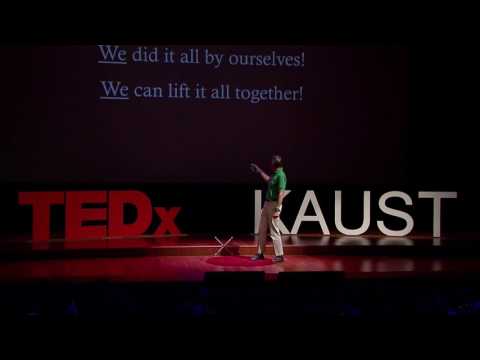
so proud look at what we did we did it
all by ourselves and when I asked them
if I could take a picture they said we
can lift it all together
absolutely amazing that’s second graders
if you mean second graders on the whole
on on your own they’ll come up and
they’ll tug on your pocket to say mr.
tennis mr. tennis look at my shoes look
at my new lunchbox and then the second
second grader will push them to the side
and say but I have lunchbox and I have
shoes and it’s all III but through
collective endeavors with some sense of
adventure in their view look at the
language change it’s transformative here
are some of the ingredients that I see
is belonging in a collective veteran you
might have your own one is there usually
a fear element and unknown element
something new sort of adventure the
second is it’s often it’s hard there’s a
challenge involved there’s something
that’s takes some effort this is the
choice piece we were talking about
earlier and it’s an internal choice it’s
not an external choice it’s not the
rules person the high
Archy person the boss person it is an
internal choice element and this is
crucial it can’t be a collective
adventure in my view unless it involves
outreach we a sense of we and a
resulting citizenship factor hole number
three tiny hole words drinkin right down
and high impact factor I had to include
that line don’t you love that so the
setting for this is quite a while ago
it’s a busy interstate it’s i five north
from seattle four lanes at this point
and i’m driving in a in a station wagon
and my young son is in the seat next to
me and we’re driving along it’s quite
busy and the first thing I noticed
strangely the exact same color and make
of car is off to the side of the road
looks like my car and I had an unusual
car and as we passed it I noticed
oh there’s a woman standing by the car
and then as I was now past it I looked
back and I saw and the back left tire is
flat so I’ve got my own internal
collective adventure question so I’m
asking myself okay I better do the math
here and I said okay I’m in the left
lane how much time will it take for me
in this traffic to move over to the
right lane all the way across then pull
on the shoulder and can I safely back up
and help this woman the math said no
that would be three quarters of a mile
past her at the point not safe to back
up in the shoulder so math number two
kicks in okay would it be crazy to turn
around that would involve getting over
into lane one waiting for an exit
turning across the freeway over the
bridge ten miles south to the next exit
turn around again and come north doot
doot doot doot dude came out somewhere
between 20 and 30 minutes and I’ve got
to ask myself will she still be there is
it worth doing I’m still doing the math
and my little son next to me comes up
with a collective adventure question are
we going to go back
instantly took the exit made the loop
all the way down 2025 minutes later we
pulled up amazingly no one had stopped
to yet help her would have been fine if
they had but they had it and we fixed
the tire and to me thought of my son and
the learning in this case somewhat
dangerously and maybe her view if we
pull over but the learning and what it
would have happened had we carried on
what would he have learned he would have
learned in my view this is what went
through my head he would have learned
that good fathers the very best fathers
because that’s what children think of
their parents that’s what they think of
you best fathers see a lady with a
problem on a highway they keep driving
and I couldn’t handle that just this
statement turned us around and we were
able to help but is that really a
collective adventure because there’s
just the two of us well was there
something unknown absolutely for him why
didn’t never changed a tire before fear
she was probably scared to death having
a six foot eight person pull up near
dark and tried help her help I know that
feeling I’ve had people run from me when
I do that challenge yeah all the
logistical challenges of being in an
hour or so late to where I needed to go
getting off the road turning around all
those logistical pieces to it was it a
choice issue absolutely it was a choice
issue this was a hundred percent of
choice issue it was staring at us it was
our play to make outreach was there a
citizenship factor outreach no not until
the moment that we pulled over got out
of our car and went up to her and said
looks like you have a problem can we
help not until the connection then
absolutely there was a Susan ship actor
outreach from I to we we being the three
of us
to stop for a second because this is our
title and I’ve been very honest some
time ago when I was having these stories
swirl around in my head and try to make
sense of them I received a very
difficult phone call phone call came
from my sister-in-law and she said cabby
your son the same one who had been in a
seat now grown up has been electrocuted
and you can imagine she went on to say
thankfully but the medical technicians
on site think he’s going to be okay
now I have to share with you that it’s
very hard for me to think of these words
and reconcile that picture I just don’t
I just don’t know how I can do it
there is him being hugged or he’s giving
a hug to the medical technician that
went out and pulled him down he’d been
visiting a family out in the country and
there’d been an enormous snowstorm it
had collapsed roofs it had knocked over
trees it had knocked over playsets in
backyards huge winter storm and he’d
with a friend had asked if he could
borrow a saw and go out and cut the limb
off of a tree that was threatening to
smash their tree house in the back and
they said yes and then giving him the
saw and he climbed up there and
something about the storm and the
branches had electrified high-voltage
electrified a guy wire a guy rope to a
pole as he reached out to brace himself
he got fried completely lights out
burned right through his gloves and
through his hands so I don’t have an
answer to that that floats around in my
head is a very significant stopping
point if I did have an answer to that it
would be in two questions the first
question there he is
up high that’s a few minutes probably
before he turned around and saw the
lemon got fried
the first question though is to him
whiting will you continue to go out and
help people in that way ask if you can
help borrow saws cut down trees
through the rest of your life and I
think the answer is yes so that’s
helpful to me the second question is is
citizenship this is to me this is the
academic question is citizen you’ve
learned through collective adventures
through in fact dangerous learning is it
worth preparing for and if it is then I
can reconcile writing getting down off
that ladder if it answers collective
adventures and learning if it answers to
our culture of fear and it is a concern
a sense of isolation in our communities
in our schools and our homes and
selfishness and not talking about
selfish enough second graders or seventh
graders or eighth graders I’m talking
about selfishness of us the individual
level family level the community level
the national level selfishness
if engaging in collective adventures in
community moves us in answer to some of
these things then I’m all for it so how
does one do it how do you make baby
steps towards being a person that sort
of thinks of this stuff and acts on it
well I’ve got some silly ones I’ve got
in my wallet if I can get it out I’ve
got my wallet three little things they
get me in that kind of trouble because
they call me the MacGyver kid
and here they are upfront they are a
guitar pick a safety pin and a band-aid
so that’s got outreach to me in a
miniature way written all over it I also
have a sticker on the back of my phone
looks like that it’s just a room when I
look at it it reminds me that when I get
on an elevator I need to not look at my
phone I need to talk to people by name
it’s embarrassing or fearful as that
might be and finally I keep these things
in my car and I’ll mention this quickly
this tire iron yes it’s something I can
help with it’s the same kind of tool
that we used there on the screen cars
that we buy today have a single lug
wrench
think about that we purchase something
that forces us to be by ourselves
independent we can only fix our car if
one mentally and then follows it up with
an action purchases something like this
for me I know that the blue is my car
but these are the cars of other people
that might need them and even if I don’t
know how to use it or don’t have the
strength to use it it’s in my car
and it’s mentally reminding me what it’s
there for it might inspire me in other
ways physical tools and everyone will
have their own some of them quite
miniature more importantly I think it’s
a habit of mind if we can be prepared
for collective adventure questions such
as ones we talked to today can we go
down this way is it okay to dig up a
rock and importantly are we going to go
back saying yes I believe more often may
move us forward to a culture of trust
generosity of spirit and a stronger
sense of community if saying yes leads
us to those things then I’m in and may
we all have the strength and the
wherewithal to do our part in that
direction thank you very much
[Applause]
Please follow and like us: