
[Music]
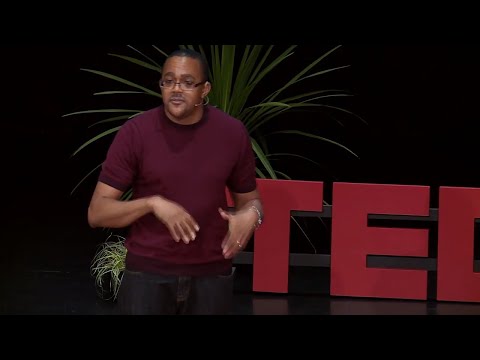
do I look like a spy now I asked this
because when I was doing my PhD and a
PhD is a three-year piece of research I
wanted to study black education that
wasn’t in the university right wasn’t in
schools so I went to what we call the
black supplementary school movement
which has existed for about 50 years in
the UK and because of the racism the
black children face in the mainstream
schools the parents the teachers the
churches organizations set up these
different spaces outside the mainstream
Saturday schools supplementary schools
so I wanted to research those spaces and
to see what was done differently and
what could we learn and I went to I
picked out one of the most radical
Saturday schools I could find has a long
history one of the oldest Saturday
schools and I went to this organization
first day I got there this man comes up
to me he’s got his finger in my chest
and he’s saying you’re a spy
you’re a spy for the white man why are
you here right and I’m like I’m young at
the time I’m like wow that’s this that’s
deep it’s a misunderstanding like I’m
trying to do good stuff right but that I
swear that has been really important as
my career’s gone on and thinking about
Black Studies and what we’re trying to
do because it wasn’t a misunderstanding
he was mad and he was suspicious for
good reason the university is
historically one of the most racially
racist institutions that we have it was
university knowledge that proved that I
was not actually a person that justified
the slave trade racial science eugenics
the university is as institutionally
racist as the police force
never forget that so when I’m going
around with PhD dr. this etc etc in many
ways I may as well be showing a badges
as West Midlands Police and carrying a
truncheon that’s how some people view
you and they’re not wrong and things
haven’t really changed as much as we
would like to think right so that’s why
when I talk to you for a bit now how can
we reconcile this how can you do radical
Black Studies that community-engaged
work when I represent what I currently
represent
an institution which is historically
rooted in the very racism that my whole
entire life’s work is trying to combat
right so going back to the Saturday
school stuff lamenting school movement
it was really important there to learn
about the importance of Black Studies
the importance of having a space which
is outside the mainstream because in the
mainstream schools the kids were
complaining about not being taught but
also what they were not being taught mel
savannah is an academic in this remove
hampton says that it’s not possible to
supplement what does not exist and
literally you go to the curriculum now
you go to university curriculum now you
ain’t gonna find no black studies on it
you ain’t gonna find yourself in it i
mean we have literally been raised to
the point that we no longer exist right
that’s why you have the student
movements why is my curriculum white
roads must fool because we’re just not
there an impact of that on young people
are learning on how you and how you go
through that whole process of your life
never actually seeing yourself reflected
in the curriculum cannot be
underestimated
we’ve been erased literally biologically
culturally socially generally just
totally good right so having this space
of black studies and black studies
briefly is the perspectives experiences
and contributions of the african
diaspora is vitally important to put
that back to change the way that we
think about the world to change the way
that young people also think about
themselves i saw also importantly black
studies we’ve had the first black
studies degree and it was bruce lee nice
to hear that hear that and put out lee
but black studies has existed in the UK
for decades it’s existed outside the
university and what we’ve tried to do is
to pay homage to that stuff outside the
university but to bring it inside the
institution right to say there are there
ways we can learn and connect to that
history and that politics to really
change what we do to change the
relationship of the university to the
community so that people were next time
someone goes into a community
organization and want to do some
research they’re not accused of being a
spy right so we have those those
relationships one of the ways i always
think about this is people is i think
just think to yourself how many times
have you been into a university
we’re either you weren’t a student you
know you weren’t paying to be there or
you weren’t being advertised at
university so I can open it I ask people
this all the time and most of the time
never the answer is never
even today even though you go you’re
gonna pay your fees the universities are
publicly funded institutions they are
taxpayer funded institutions they are
your institutions so why is it that
nobody ever goes into them unless
they’re paying to be there or advertised
so they can pay to be there in the
future right
so this is one of the things you tried
to do straight away you say well let’s
break down this artificial barrier
between me as an academic PhD etc and me
as a person in the community
let’s bring people in for the first time
to the University space and we’ve been
really successful at that with this over
the last two years we have events I have
that a black panthers black education
for liberation black feminism
we’ve bought hundreds of people locally
nationally internationally into the
space and that’s really important I
recommend you come into the space to see
the space do this place do different
stuff right we’ve also said it’s
important that we we use the resources
of the university again publicly funded
institutions taxpayer funded
institutions so let’s put the resources
of the university to work for the
community and as projects we work with
local organizations like the Harambee
organization for black unity when
students come on to do the degree they
have to go and do a placement because
what we’re saying to you is you have to
go and work in the community black
studies isn’t just about learning about
black people it isn’t just about come
and do a uni degree the same way you do
over another degree it’s a bad same how
do we put you to work in the community
how do we do this how do we challenge
the things that have gone forward except
to researcher so we’ve really tried to
say let’s link this and let’s build a
radical community of practice that
spreads across not just the Uni but the
community organizations the the
institutions other places etc right now
this has gone pretty well it’s been sort
of successful we’re very proud of what
we’ve achieved as well and we always
have to recognize the platform that the
institution gives us right as much as I
will say and I have said I’m got in
trouble for saying that universities are
like slave plantations in many ways this
is true every institution we have is
like a plantation
it’s rooted in racism historically
problematic citrus legislature blah blah
blah right but the university offers as
a space to do things a little bit
differently what other job could I write
a book about black radicalism or could I
go around and spend hours and hours and
hours of my week in a community
organization what can I just be here
randomly on a day doing this kind of
work there’s no other job that gives me
that kind of freedom to do so that means
I have a responsibility then to do that
kind of work right but as long as I
recognize the the position I have the
platform that I have I also have to be
critical of that platform as well
because two years ago
nobody wanted to know what I was talking
about I was saying that basically the
same things I say there and nobody cared
right what changed what change was I got
promoted I got a bit more profile the
institution’s tired to say oh yeah let’s
put him on TV and do this stuff right
and now people want to listen right
that’s good and I can do some
interesting stuff but the fact that
that’s the way that we listen to people
today should tell us that you tell us
the whole problem with the way that we
approach knowledge right we sanctify the
people from the institutions we give
them the voice but actually if you look
at the people we want to be listening to
it’s probably more you than it is me
it’s more people outside institution
than inside the institution the person
who is my theoretical political
inspiration is Malcolm X Malcolm X will
tell you more about racism than any
hundred books written by academics about
racism because he’s got it he was
fighting it he was in the struggle
against it and he articulates his idea
about racism better than anybody else
right nowadays you wouldn’t even think
about Malcolm because he ain’t got a PhD
Malcolm didn’t finish school right so we
have to really challenge this and say
well actually let’s try and find those
voices that we don’t like to put on a
pedestal let’s try and find those voices
outside the institution because the
uncomfortable truth is and our state is
honestly you cannot trust academics to
do that radical work you cannot trust me
to do that radical work why because
institutions change people people do not
change institutions I tell you right now
I’ve been in the University for a long
time and just what you have to do the
structures of it how it works how you
get promoted it’s so internally so much
a bubble it’s so much separated from
everything you would ever think was
useful all right and you have to do that
work so if you leave it to me and you
leave it to us we’ve done this you have
to have this audience you spend all this
time you get paid quite quite good
salary you were very comfortable here a
very pampered if you leave it to us to
do radical work absolutely guarantee you
they ain’t gonna be no radical work
produced I’ve got to be honest about
that that’s that’s like me saying a
hundred percent so what we have to do
then is we have to build a radical
community of practices when black
studies started in the 60s in America
what made it different was that they
said we’re going to have the science of
liberation this is going to be for
community change the point of this is
how do we make things better and you
know why that was it’s because they had
the black panther play even a civil
rights movement black women’s groups
were all pushing for Black Studies we’re
all saying we have to have this and
change this and the academics didn’t
have a choice because we oh they owed
their jobs their livelihoods everything
to those movements so the way that you
have the radical politics in an
institution is to make sure you have
those connections outside and this is my
challenge to you we put Black Studies in
the institution but we need those
radical movements outside to hold our
feet to the fire and keep us to account
thank you
you
[Music]
Please follow and like us: