
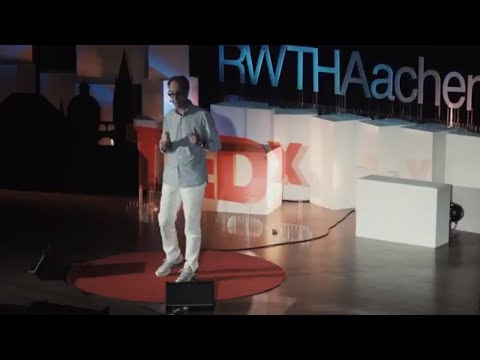
[Applause]
okay so pleasure of being here in let’s
start was a typical story of innovation
it starts with RO Templar she was a
housewife in the 1950s in the US and why
being in the kitchen she was observing
her sweet four-year-old daughter the
daughter was playing with dolls
and at this time the 1950s all dolls
looked like small children but she
realized that Z’s at her daughter
pretended that a small child is an adult
playing old plays like what she observed
from her parents then it came to her
mind that he said why is it why all
dolls look like small children why are
there no dolls that look like a dance
and she shared this observation with her
husband who were used to work for
company called Mattel at this time the
world’s largest manufacturer of baby
dolls but her husband just looked at her
and said oh my darling what do you know
about our business probably continue
cooking and I take care of the business
nothing happened next so two years later
they went to this to Switzerland first
year first time out of the US totally
new environment and they enjoyed the
mountains and then it one evening would
wandered around in the city of Bern in a
rowdy neighborhood around the railway
stations he discovered this they built
Lille a merchandising product I built a
tabloid from Germany and this was a
cartoon cat cartoon in the 50s of let’s
say a rowdy woman and became so popular
as it built started to sell this
merchandising puppets into adult stores
and men’s bar and who saw this and said
this is exactly the doll my daughter
wanted to have and she acquired it and
brought it back and now you already know
where this is heading this was the birth
of the Barbie the most important the
most successful toy ever invented and
why I am sharing this story is it
reveals a lot about the nature of
innovation first innovation often starts
from outsiders or we’ll come back to
this in my talk
it’s Outsiders often don’t also follow
nose to
a planning process and we know this is a
lot of breakthrough innovation comes
from not structured planning processes
we also have to overcome much resistance
in innovation but more this we have to
be open and unbiased the thing about if
would would have talked non-german she
never would have given a sex doll to her
a dad to her daughter but she bought it
if she don’t know and knew anything
about the context of this innovation as
we learned about context before but in
sometimes the context also can become a
hurdle can bring us into a tunnel
perspective but especially innovation is
so much apparently about coincident and
luck to think about it’s totally
unlikely that the Barbie is existing
there’s so many coincidences coming
together first child having the inside
mother observing and having the father
in the right industry going to
Switzerland remembering this when she
sees this Barbie doll buying it giving
it to her daughter the daughter plays
with this likes it father now after two
years finally get it they bring it to
Mattel they introduce it to the market
they don’t mess it up so if we mess it
up it’s totally unlikely that the Barbie
should exist but still this is happening
with innovation every single time and
this is exactly what an innovation
management professor like meters we try
to teach a procedure we say we can make
this a structured process we can take
the luck out of this process and if we
now go fast forward a few decades we
have new terms we have not entire new
let’s say paradigm of doing innovation
we talked about this today before we
have all the digital transformation
industry 4.0 predictive enterprises
smart products and it’s a later where I
want to talk about a little bit more
what you see here on the big screen but
actually you can see it also at my feet
I was one of the really first smart
products was launched ten years ago by
adidas in 2005 and it was an Adidas and
Nike just it’s the same ten years later
but the shoe had a small motor in here
Desmond and this motor could move the
string here and it had a built-in
configurator as you could adjust the
captioning of your shoe so there’s a
sensor that’s sending how you’re running
like this or that
it will adapt the cushioning and always
you have comfortable feet the downside
of this product was well sometimes you
had to reboot your shoes as a sense of
us down when they put and on the shoes
this morning I realized they are out of
batteries and when to read a 60-page
handbook to operate your shoes but still
they were one of the first really smart
products in the market and shared Swee
out of four characteristics of smart
products first day as my products are
able to sense they are able to sense
things if kind of intelligence in it and
they have a nectar transferring in this
kinda sends the information about the
ground to the motor adjusting the
cushioning however ten years ago the
shoe was not connected they were
thinking I was involved in the product
development project at this time there
were seven I’m thinking about bringing
it to that internet but a smartphone
even was not invented at this time
however now we have a huge project here
with a wth and I added ours to develop
the same shoe again ten years Gator
later launched really smart shoes with
today’s technology and one thing is very
very different nowadays now it’s all
about the connectivity now it’s all
about the ability to connect this shoe
to a larger ecosystem of services and
therefore our development process now
it’s very very differently and with this
a really new innovation system emerged
that provides us very different
opportunities think about a lot of
innovation is perceived like this
you heard they’re going to shoe that you
should do it agile but the thinking is
the same we have a focus on the first
stages and the what we call the front
end of innovation where we try to
understand what are we
the problems of customers we have to
solve what are the needs a lot of our
teaching of innovation is actually on
this first stage where we say we need
not try to understand what are the open
problems of customers before you start
to innovate with then the engineers come
in the design stage they do technical
problem solving and transfer this needs
in Reverse the concept a prototype and
then a product and then we launch the
product and then we think once we launch
the product we are dumbness and it’s a
task of the marketing guys isn’t it
however with our smart products all the
innovation HGB will start once the
product has been launched think about
your smartphone probably your most
favorite app was not existing at the
time and the smartphone was designed so
if we now 10 years later designs and
shoes against it’s very very different
it’s all about not really knowing what
you want to do with these real smart
shoes but giving you the ability to
really rethink whatever the shoe can do
young once you acquire it it’s now of
course it will be connected via
bluetooth fear your cell phone with a
service cloud and providing these
services so if innovation and this is
really what’s happening is now it’s
moving in the usage stage out of the R&D
labs a lot of our research development
understanding is changing but before I
come to this let’s meet the dark side
really building on the previous
presentation it’s very often when we
think about smart products especially as
Germans we think about this
oh the Bobby of course now is in the
internet of things and it’s being hacked
there is a search engine for baby
cameras which had better be protected so
that you can observe foreign baby with
your strange babies overnight and even
talk to them and of course everyone is
now being feared that your fridge is
being hacked and perhaps you got stolen
virtually and then of course when you
can switch or will be connected will be
crashed and of course there are a lot of
fears on the internet of this
a lot of problems but what I would argue
is that there are also a lot of
opportunities and it’s a little bit that
we overemphasize all these bad things
what are happening with smart products
towards all what we can do as and this
is what I know as a management professor
we only can manage or do and execute
something how we think about it so the
next example is totally unrelated to
what I’m talking about but still so cool
so I still have to say it so what this
is you know what this is what you see
any guesses what do you see a spray no
lipstick no what Chris no it’s a Holy
Grail it is zero calorie shock late’ you
can buy it I’ve got it in a store in
Boston it’s zero calorie indeed it’s a
spray and you spray some chocolate
powder in your mouth and give all the
aural sensation of chocolate without any
calories you can also get this as energy
doings and espresso shots and I am
telling the story so as I said I bought
this thing in a store in Boston and if
you are here from our and you know we
have lint a big chocolate company they
pretend to be Swiss but they’re really
from arkin and I gave this thing to the
head of R&D the global head of R&D of
lint and said hey Gabby you know this is
a CEO so your Holy Grail zero calorie
chocolate it’s a global head of R&D of
lint has never heard about this her
thinking about chocolate is in 100 gram
bars and big processing technologies but
not in a spray adopted from the
pharmaceutical industry so however we
think about fearing something is how we
manage it and I think this is exactly
what is happening a lot with our
understanding of innovation nowadays
once we come to this connected world we
see it’s getting so complex we see it’s
getting so dangerous and we always try
to protect us from it instead of really
to embrace what we have
but let me share you another story that
was really very insightful for me it’s
often innovations nowadays started with
a hashtag that one was we are not
waiting and it came from Dana Lewis a
diabetes patient at 2300 it from the US
born with diabetes and she is able to
manage her life quite well thanks to
this device addicts on blood sugar
measurement device that alarms you when
you have to inject insulin and Dana has
a lot of other diabetes patients really
can live a good life with this however
she really had one problem this thing
also she has to Harold it is nice isn’t
alarm like a BP peep and it is not loud
enough so it was not waking her up at
night
when she had to inject insulin and she
was calling Dexter on the world market
leader and saying hey your device is not
loud enough and I am peps I’m dying as I
don’t hear the alarm what can I do then
Dexron said no no sorry it’s loud enough
it’s compliant to FDA regulations ABC
bla bla bla not our problem
so what you do is a 23 year old student
yes of course your heck your device this
is exactly what she did
yes she said when I was a child there
were they told me my parents that will
be occur for diabetes and I’m still
waiting but I’m not waiting for better
of these ApS devices so I take it on my
own as her thinking was I have this
thing called the iPhone and this iPhone
Heather alarm that is loud enough so if
somehow just have to connect my ApS
system with my iPhone and then the
iPhone will wake me up and I can inject
insulin at night when I need it
and so the problem would be it would
have been simple solutions just using
the sensor of the iPhone but she got a
Raspberry Pi in between to somehow try
to excess device connected to the
atmosphere pi to make a bridge to the
iPhone to the alarm but then she
discovered actually I don’t have to do
it alone
this huge community of diabetes patients
that also had problems versus a PC
device and they also started hacking
this device there are many several
Facebook groups or communities but one
is called the night Scouts we need taken
care of you at night and she discovered
that there were other people really
talking about how to break up the system
how to connect it to other things and
they discover once you open the device
and you are able to connect it to the
Internet
you’re not just able to have loud alarms
but you also can have a lot of other
functions by helping you to have a
better life
I as a patient actually night Scouts was
founded by a father with her small child
that also had diabetes and he wanted
this his child also can have a sleepover
you know with our friends but he never
dared to give the child to friends as he
could monitor it so again he said I have
to be able to remotely monitor the level
BlueClaws a level of my child and so
then they discovered in and they build
it and they really build a very
beautiful device as amateurs in this
community of an internet-connected
diabetes device and then they went to
decks on the manufacturer and chosen see
this is what we build and really
improved our quality of life please
bring it to market and Exxon said wow is
it’s wonderful we will totally do it
it’s great but it will take us five
years he’s FDA regulatory approval
process for medical devices and then
that community said can be we are using
this already we are not dying why should
it take five years and excellence an old
sorry it will take us five years and I
was a really remarkable part of the
story starts up to here it would have
been one of the many stories of open
innovation yes with my Barbie example
innovation starting from the outside but
as now these products like my shoes here
have somehow connected and smart and
have a lot of software they easier to
heck we have an entirely new innovation
space as what did this community did
they organized
the FDA process in this community of
amateurs went through the same
regulatory process as a big guys but
they could do it in less than five
months and why are mature consumers able
to do the same process much faster than
big industry and I guess they said they
have the data they had some people in
their community they were really good in
organizing the data and they did like
1,000 clinical trials while using and
developing it as it made the case in
order to the FDA so we are now in a
situation we are unorganized a little
bit organized consumers a beating big
guys in a medical device and I think
these are totally fascinating times
nowadays and therefore at the end of
this day I want to give you perhaps a
little bit a new perspective of
innovation first really don’t see smart
devices only as a threat into your
privacy it’s definitely there but I
believe we have a lot of opportunities
here and they also teach us a new way
how we should see innovation it’s very
often innovation policies are really
fostered on creation and creating
something new I would say it’s wrong we
don’t have to create you know encourage
companies or startups to create new
things create great new things are out
there all there but we have to foster
our policies in inspiring companies to
absorb into bridging from us out there
peps into consumer wetland somehow
develop and bring it to companies and
this is still most innovation policies
by the state is voting on the creation
part not so much on the absorption or
open innovation park we also really have
to acknowledge that households average
citizens and one of the core sources of
innovation and the more products get
smart connected the easier it is for
households to do this we don’t do it in
Germany but some of the statistic census
offices in other countries and are
measuring household innovation and we
come to percentages of up to fifth
team percent of the economic innovation
activity our country is done by
consumers in some countries like the UK
even more but thing about even if you’re
dumped start up in Germany you’ll get
some funding everyone gives you funding
if we love startups but if you are an
average consumer no one gives you
funding for your idea no one supports
you so perhaps you also need a new kind
of innovation support system to support
average household innovators it’s this
household innovators have very different
incentives to innovate
dinah’ll ooh Dana Lewis and also sampler
at the beginning she was they were not
innovating to really profit from selling
the innovation but they were innovating
from profiting from using the innovation
and therefore they also freely revealed
the innovation that’s very bad news for
my wife who was a patent lawyer and
sitting there but for other people that
are not paid and lawyers actually it’s
very good news that we share freely the
innovation and don’t try to protect it
and as we only have to protect
innovation if you want to profit from
selling the innovation but therefore
also we can come into a system where we
have larger distribution of knowledge
and this is something with Eric from
Hipple at MIT called free innovation
it’s open innovation as one of the big
buzz words and innovation management in
the last year’s was very much about
acquisitions of technology from firms to
firms but free innovation as a term
should really emphasize that we are
entering a world where things –
connected smarts product it’s maybe
easier for people to innovate for free
in their free time with very low
resources and also freely revealing the
foods of the innovation and these not
products are great tools for innovation
so we’re really companies willingness or
willing or unwilling me are creating
these tools for innovation these are the
same tools hackers used to heck yo you
know child camera and switch and so on
but the same tools also really enable us
to do a lot of good things and so
finally I’m not saying it’s all
innovation by consumers we probably have
strong complementarities as in the end
someone has to build my wonderful shoes
and I’m probably not able to do it at
home so we will have some more
complementarities links between what
means nowaday called firms and companies
and innovating users and lead users and
consumers they just use it and perhaps
provide ideas but urban are not able to
do it so with this I hope I could
inspire a little bit to sing more openly
about innovation really embrace openness
for innovation it’s a choice is really
ours and they see a little bits of
danger that because of hackers and so on
we try to close this down but I would
say no no these are responsible we are
very these are very important threats
but we is your as students have to take
care about it that we really uses huge
opportunities for innovation we have
because of the internet and connected
and products to really the welfare of us
all thank you very much
[Applause]
Please follow and like us: