
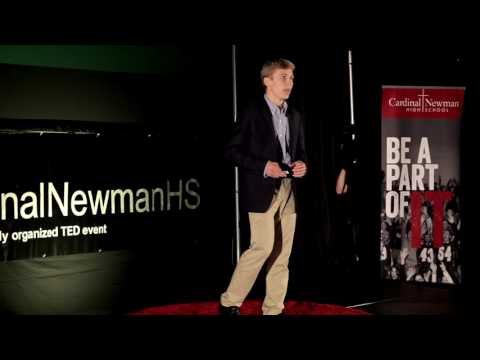
just by inviting you guys to think for a
second and think about the last time you
had an opportunity to spend some time
outdoors just kind of enjoying nature
and maybe it was at the beach watching
the sunset or maybe you were hiking up a
mountain kind of looking out over the
valley below you but just think about
how you felt in that moment and ever
since I’ve really I was really young
I’ve always searched for these moments
these moments out in nature these
moments of clarity I’d spend every
second I could outdoors hiking or biking
or just exploring the local park and one
of the most profound experiences I had
in the outdoors was two summers ago when
I was hiking the John Muir Trail and the
John Muir trials is 230 mile trail that
goes from Yosemite Valley to Mount
Whitney so straight through the heart
the Sierra Nevada mountain range and one
of the incredible things about the John
Muir Trail is its remoteness for the 23
days that I was hiking there was really
no cell service no man-made structures
really no connection to the outside
world and what this did is it allowed
you to live a very simple existence on
the trail you’d wake up every morning
and the only things you’re worried about
or where you’re going to sleep that
night you know what you were going to
eat how you were going to get over that
next mountain pass and this simplicity
this lap of black of distractions allow
you to spend the rest of your time
you’re just living in the moment you’d
be enjoying the beauty that surrounds
you all the incredible mountains are
having conversations with your
companions and when I got back to
regular society after so much time in
the wilderness kind of cut off from
civilization it was just overwhelming
you know my sense is where I complete
overload it be simple things like
sitting at a car or in a coffee shop and
just all the traffic the people the
noises all these distractions
surrounding me had me completely
overwhelmed it was a culture shock that
I can’t really explain and when I got
back to regular society my regular
routine I started to miss some of the
aspects of
life on the trail on the simplicity of
it and it really made me think about how
we’re living our lives today and how we
used to live our lives and about 200,000
years ago the first Homo sapiens evolved
so our species started walking this
planet and we really only started
industrializing you know creating these
massive cities these massive factories
I’m living the life styles we did today
just about 200 years ago but what does
this mean this means that for
ninety-nine point nine percent of our
existence we lived in the outdoors we
were hunter-gatherers we were farmers
with these people that lived directly
they lived and work outside directly
with nature have this really close
connection and today you know our
lifestyles is a pretty drastic change
from that we can go entire days spent
inside without really noticing it you
know whether it’s a weekend been binge
watching Netflix or a weekday just going
in between school in your car and home
and really not being exposed to the
outdoors and really experiencing it and
in the Western developed world most of
our you know the things we used to get
from nature directly from nature are
provided for us essentially at the touch
of a button we have access to fresh
water to cook our food we can even
change the temperature of the
environment surrounding us and don’t get
me wrong a lot of these technological
advances are have done absolutely
incredible things for society allowing
us to support a bigger population
population live longer lives healthier
lives and not if the work is hard but it
does make you wonder you know is all of
this good could there be some
implications to this drastic change in
lifestyle and I was reading so the
memoirs of John mirror one of the most
famous naturalist and you know he spent
a lot of time in the outdoors you know I
hiked the hike the trail that bears his
name he spent a lot of time out in the
Sierras where I was and had experienced
a lot of the same things and had a lot
of the same ideas about the simplicity
of nature and about being out in the
outdoors and he was realizing this same
problem the same shift in our lifestyle
even a hundred years ago
and one of my favorite quotes from him
is thousands of tired nerve shaken over
civilized people are beginning to find
out that going to the mountains is going
home that wildness is a necessity and
that mountain parks and reservations are
fountains of life I really like this
term fountains of life I think it really
captures nature’s rejuvenating quality
there’s been a lot of studies about
nature’s effects on the brain you know
things like increased cognitive function
and well-being and all this science to
back up why we should go outside but I
think there’s something about our
connection the outdoors that nature that
science can’t capture and I think our
connection is almost something spiritual
and why why is this I think it’s because
when you’re out of nature and all the
distractions are stripped away I’m
you’re left with time it was time to
reflect time to really think time to
enjoy I’m the beauty that surrounds you
and appreciate the people in places that
you exist with and we don’t really have
time for that in most of our hectic
daily lives and I watched a film a
couple months back called captain
fantastic and it’s a relatively new film
I’m just came out pretty recently but
it’s about this family that grows up in
the Pacific Northwest out in the woods
I’m all these kids they spend their days
you’re living in a tent and living off
the land they’re hiking and hunting and
fishing and but they also do things like
reading and learning languages and
making music and having conversations
with one another and really developing
their minds and what you find is when
they go back to civilization for a time
after spending so much time of the woods
they’re living with their aunts in
Albuquerque I mean they’re cousins and
you see this really sharp contrast
between these kids that were raised in
the woods and their cousins who were
raised in so-called regular society and
the kids are raised in the woods are
lacking some social skills you know they
don’t they might not know what the
latest fashion trends were what’s going
around the internet right now but they
had this really deep understanding of
the worlds and had formed these beliefs
and do all these things they’d spent all
this time learning
we’re the kids that were raised just in
regular society and spend a lot of the
time you know playing video games and
checking social media and all this stuff
that kind of sucks up a lot of time that
sometimes we don’t even realize and it
was just a really eye-opening example up
to these two different ways of lifestyle
and what we could benefit from going
outdoors and kind of removing these
distractions and I read another book
called desert solitaire by edward abbey
and desert solitaire is a story about a
ranger in arches national park and
arches is just this beautiful expanse of
desert wilderness out in utah and he
talks about a lot of the same things
that john muir talks about you know he’s
talking about the simplicity of nature
the beauty of it the quality of
reflection that you can do when you live
life outdoors but he also brings up
something a little more concerning you
know being a ranger in arches national
park for an extended period of time he’s
able to see it develop he’s able to see
the construction of pave roads of
visitor centers places that things that
take it away from you know being the
wilderness a once was making it a little
bit more of a tourist attraction and if
any of you guys have been to yosemite in
the summertime you probably know what
i’m talking about you know sometimes it
looks looks a little bit more like
disneyland than it does a wilderness
area and this development has some
pluses you know it allows for all these
people these millions of people to
experience the gems of our national park
system and get outdoors when they might
not otherwise be able to access them but
it does make you wonder are all of our
wilderness areas are open spaces headed
down the same path to development you
know places like these looks like
Yosemite to the onlooker they might look
like economic value you know they’ve got
all this potential for their natural
resources for building resorts tourist
attractions but left untouched these
wild spaces hold so much more value and
it’s going to be one of the greatest
challenge of our generation to remember
these places as we move forward because
no place is ever truly protected you
know even if it’s a national park
because the duty falls on each
consecutive generation to continue its
protection for it to ever be truly
protected and I’m not just talking about
places like Yosemite and the Grand
Canyon I’m talking about places like
spring lake or an Adele State Park
places in our own backyard that we can
go to after school work and de-stress
and rejuvenate and just spend some time
out of the natural world because these
places hold so much value and they’re
absolutely crucial to not only the
well-being of the individual but of
society as a whole and I like to leave
you with one more John Muir quote
everyone needs beauty as well as bread
places the play in and pray in where
nature may heal and give strength to
body and soul alike thank
[Music] [Applause]