
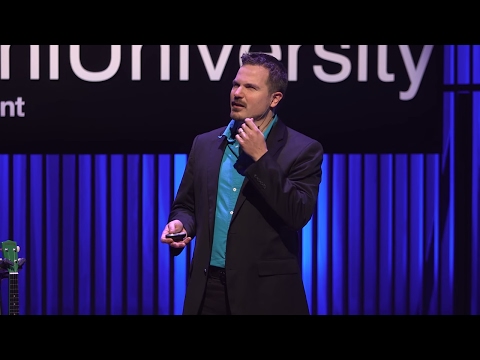
day the other day he lives in Covington
Louisiana and was telling me about the
floods that hit that area a year ago 18
feet of water grows out of the river
flooding countless homes and the campus
where he works the one-year anniversary
is coming up he said so of course we’re
getting ready for our first flood party
flood party I thought yes
flood party it took my brain a minute
but I remembered that in Louisiana this
type of celebration happens all the time
people taking harmful difficult
situations and using them as an
opportunity to celebrate or what poet
Eric Shaw ranked likes to call from harm
into harmony it’s everywhere in the
culture it’s in the food it’s in the
music in 2005 when Katrina hurricanes
Katrina and Rita devastated the Gulf
Coast you could not stop the Mardi Gras
celebrations in fact people that lost
their homes use it as an opportunity to
brutally satire the politicians and
government organizations that didn’t
show up when they should have you can
see this in the New Orleans Jazz
funerals yes jazz funerals if you
haven’t heard of them pallbearers and
mostly african-american neighborhoods
carry caskets with the departed
alongside a brass band the music usually
starts with something slow like a gospel
tune just a closer walk with thee then
at some point the tempo picks up people
start dancing and the act of movement
and celebration becomes an act of
healing all the peoples that settle in
south Louisiana have some sort of
oppression to contend with and some sort
of creative survival tools that they
have learned in order to process them
African Irish Cajun Vietnamese and many
many other peoples have all had
slavery displacement genocide and
they’ve all held on to some essential
aspects of their humanity and used it to
process grief my people’s the Cajun or
Acadian people’s are French French
heritage people who settled in Nova
Scotia became political exiles around
250 years ago and the ones that weren’t
killed managed to settle and the East
Coast and then down to French friendly
Louisiana they had to learn these
creative survival tools those creative
survival tools were tested for me most
personally in 2010 when the BP oil spill
hit my hometown I was living in
Louisiana that summer went four point
nine million barrels of tar and oil
flowed from a broken well into the Gulf
in in the largest man-made disaster in
history workers died eleven workers died
BP decided to cover up the problem they
were going to release toxic chemicals
into the water cleverly rebranded
dispersants millions of animals died
people were sick from the chemicals
already vulnerable wetlands eroding at a
rate of an astronomical something the
size of Manhattan every 10 to 12 months
were now further vulnerable this had
happened to my home and I was pissed and
you don’t want to piss off an artist so
I took that anger grab the paintbrush
grabbed some of the tar from the spill
and went to work this is what I made oil
paintings with the very tar and oil that
washed up on my home this is an uncommon
portrait of Tony Hayward the CEO of BP
it was very therapeutic to smear it all
over his face and in fact some places it
sticks up about an inch so it felt
really good but after a while it became
it left me in a bit of a dark place
emotionally only painting those
responsible so I decided to pivot and
paint the people that I grew up with to
paint the human face of the oil spill
with their permission of course it was
important for me to show their stories
outside of the stereotypes you often see
of Gulf Coast southerners this is Lois
he owns a shrimp plant and his
livelihood was in question this is
Alyssa
she’s a 12 year old who lives in the
flood prone area of town what kind of
world are we leaving her I should
mention that many of these are most of
them are about five feet tall or larger
it was important for me to show these
people with the dignity that they
deserved
while the drips of its heart told a
different story this is Moses welder in
the oil industry an artist and community
organizer he was a great inspiration to
me for the community projects that I
developed but I will tell you about
shortly
this is Jamie another community leader
and member of the United Holman nation
her people’s land sit on some of the
most vulnerable wetlands and in fact
while they are the largest tribe in
Louisiana they are the only tribe that
is federally unrecognized this is
because oil industry lobbyists in
Washington do not want them to have
sovereignty over this land that’s so
rich in oil and gas so I showed the work
in New York and in Arkansas and some
other places but I wanted to take it to
my hometown I wanted it to be amidst the
people who the paintings were of so with
the help of a grant I shipped the work
down to my hometown at home Louise
and had not an opening an art opening
and it went okay people saw the work
they were polite but it didn’t quite
have that irreverent sense of fun and
celebration that I grew up with and knew
so well so with the help of Jamie and
Moses and many other artists I decided
to throw a Louisiana style oil spell
party there was an oil spill queen who
was a representative of the oil industry
lording over us telling us what to do
she’s being scowled upon by siren swerve
the mermaid who told kid-friendly
stories of her and her mermaid friends
escaping from the dark mysterious
substance there was power an event Cajun
humorist and satirist it’s really out of
season but I’d like to play one of my
favorite excerpts from one of his songs
that doesn’t deal with the oil spill but
hurricanes close enough you better stock
up and get some supplies
the levee just broke now the waters real
hurricane is coming to that sense of
irreverent fun and celebration was
continued when with spill mo a physical
manifestation of the oil spill kids and
adults alike got to beat him with a
residents were encouraged to write
letters to their future home what did
what did they want to tell people about
the environment about a healthy place to
live and then Jamie who I mentioned
earlier is in the middle feature in the
middle she finished off the event with a
friendship dance a symbol of tribal
unity that she extended to us it made me
really happy that I had to be got to be
a small part of organizing something
that Louisianans do Louisianians do so
well which is to take a difficult
situation and turn it into a party in
fact people there were from all
different backgrounds and political
political persuasions but we were all
united under the banner of clean water
and the love of the Arts and then I came
back to my home in Brooklyn I want to
see if this type of celebration could
work here too and unfortunately I got
the opportunity my wife and I were
evicted last year and because the
landlord wanted to charge seven or eight
times the amount of money that’s an
actual figure so while we fought it it
became clear at some point that it we
weren’t going to win and we decided to
throw an eviction party
complete with games gumbo and live music
a few weeks later I got to take part in
a Louisiana style second line or jazz
funeral for the death of affordable
housing in Brooklyn that’s me playing
trumpet down Atlantic Avenue um so what
now in this political climate can the
act of celebration become an act of
resistance it seems like now more than
ever this is needed and I’m not
suggesting that we gloss over trauma
that needs to be processed or not to be
God forcefully against the injustice
–is that are currently going on but my
thinking is and taking a cue from
Louisiana why not make it funny fun can
make struggle sustainable celebration
can interrupt the parts of our brain
that are in pain and open the doors for
healing
I believe the communities with the
resources they currently have can become
powerful agents for change and that
celebration can open up the doors for
human connection and lead us away from
fear these creative collaborative
communities will be happier healthier
and in better shape to affect their
change if art can be made with tar and
residents of Louisiana can have fun with
death hurricanes and oil spills what
could we have fun with climate change
racism sexism corrupt presidential
what if we were to add this tool to our
toolkit
what could we accomplish how could we
turn our harms into harmonies thank you [Applause]